How Long Will Windshield Washer Fluid Hurt Your Radiator: Truth Revealed
Have you ever accidentally poured windshield washer fluid where it shouldn’t be and worried about what it might do to your car? If you’re wondering how long windshield washer fluid can hurt your radiator, you’re not alone.
Your radiator is a vital part of your engine’s cooling system, and even small mistakes can cause big problems. You’ll discover what really happens when washer fluid gets into your radiator, how long the damage can last, and what steps you can take to protect your car.
Keep reading—your car’s health depends on it.
Effects Of Windshield Washer Fluid On Radiators
Windshield washer fluid is made for cleaning glass, not for use in radiators. Its chemicals can affect the radiator’s parts if it enters the cooling system. Knowing the effects helps avoid costly repairs and keeps the engine safe.
Even small amounts of washer fluid in the radiator can cause damage over time. The fluid contains alcohol and detergents that do not mix well with the coolant. This can lead to corrosion and blockages.
What Happens When Washer Fluid Enters The Radiator?
Washer fluid is not designed to handle engine heat. Its alcohol content can lower the coolant’s boiling point. This change may cause the engine to overheat more easily. Parts inside the radiator can weaken and wear out fast.
Corrosion Risks From Windshield Washer Fluid
Washer fluid chemicals can cause rust inside the radiator. Rust clogs tiny tubes and reduces cooling efficiency. Over time, this buildup can lead to leaks and radiator failure. The engine may then run hotter than normal.
Impact On Cooling System Components
The radiator works with hoses and a water pump. Washer fluid can damage these parts by breaking down rubber and seals. This causes leaks and may stop the cooling system from working properly. Repair costs can rise quickly.
Signs Your Radiator May Be Damaged
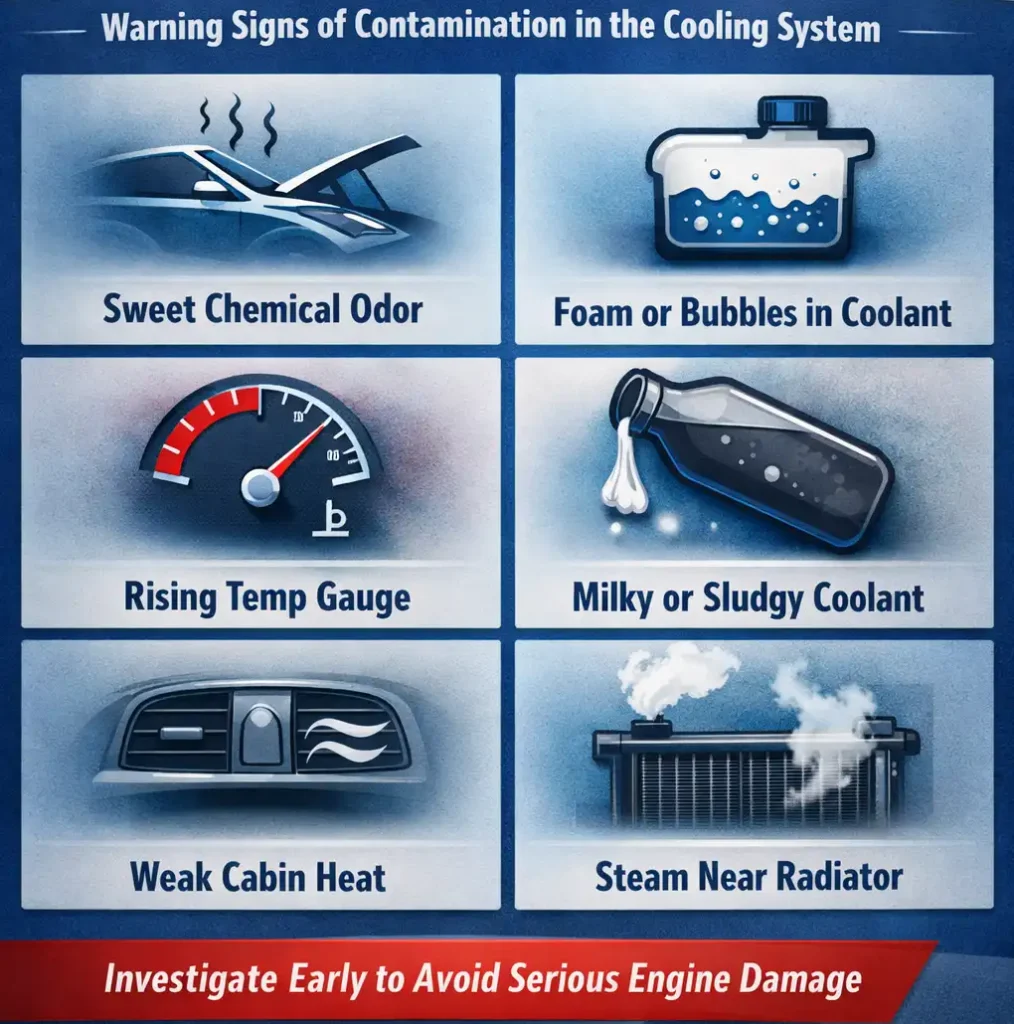
Watch for overheating or strange smells near the engine. Coolant leaks or low fluid levels can also signal trouble. Steam or white smoke from under the hood means serious damage. Early action can prevent bigger problems.

Credit: www.youtube.com
Common Ingredients And Their Impact
Many windshield washer fluids contain alcohol and detergents that can damage radiator seals. Over time, these chemicals may cause leaks or corrosion. Using the wrong fluid repeatedly increases the risk of radiator problems.
Windshield washer fluid contains several ingredients that can affect your car’s radiator. Understanding these ingredients helps explain how long damage might take. Some chemicals can harm the radiator if the fluid leaks inside the engine bay.
Each ingredient has a different effect. Some are mild, while others can be corrosive or toxic to metal parts. Knowing what is inside the fluid helps you protect your vehicle better.
Alcohols And Solvents
Alcohols like methanol and ethanol are common in washer fluids. They help remove dirt and ice from the windshield. These chemicals evaporate quickly and do not usually harm the radiator. However, large spills can cause some damage over time.
Solvents break down grime and grease. They can be harsh on rubber seals and plastic parts around the radiator. Repeated exposure may lead to leaks or cracks.
Detergents And Surfactants
Detergents clean the windshield by breaking up dirt and oil. Surfactants help spread the fluid evenly. These ingredients are usually safe for the radiator. They do not cause corrosion or rust.
Still, high concentrations might irritate rubber hoses or seals. This can cause small leaks or wear over many months.
Colorants And Fragrances
Colorants give the fluid a bright blue, green, or pink hue. Fragrances add a fresh scent. These ingredients are generally harmless to the radiator. They do not affect metal or plastic parts.
They may cause minor stains if spilled but will not harm engine components.
Anti-freeze Additives
Anti-freeze chemicals like ethylene glycol prevent fluid from freezing. They protect the washer system in cold weather. These additives can be toxic and corrosive.
If washer fluid leaks into the radiator, these chemicals might cause damage. The impact depends on the amount and exposure time.
Signs Of Radiator Damage From Washer Fluid
Radiator damage caused by windshield washer fluid may not show immediately. Early signs help catch problems before they worsen. Recognizing these signs saves money and prevents engine trouble.
Radiators are sensitive to chemicals not meant for cooling systems. Wrong fluids can cause leaks, corrosion, and blockages. Detecting signs early keeps your car running smoothly.
Html Syntax: Visible Coolant Leaks
One clear sign of radiator damage is visible coolant leaks. Watch for puddles under your car after parking. Leaks often appear as green, yellow, or orange fluid spots.
Html Syntax: Overheating Engine
An overheating engine may signal radiator trouble. Damaged radiators fail to cool the engine properly. The temperature gauge may rise above normal levels quickly.
Html Syntax: Low Coolant Levels
Check the coolant reservoir often. A sudden drop in coolant level can indicate a leak. Low coolant reduces cooling efficiency and harms engine parts.
Html Syntax: Rust Or Corrosion On Radiator
Rust or corrosion on the radiator surface shows chemical damage. Washer fluid chemicals may cause metal parts to corrode. Corrosion weakens the radiator and leads to leaks.
Html Syntax: Coolant Discoloration
Coolant that looks cloudy or has particles means contamination. Washer fluid mixing with coolant can change its color. Clear, bright coolant is healthy; cloudy coolant is not.
Credit: texasreliableautoglass.com
How Long Damage Takes To Appear
Understanding how long windshield washer fluid can hurt your radiator is important. Damage does not always show up right away. It depends on several factors, such as the type of fluid and how much enters the cooling system.
Some types of washer fluid contain chemicals that can cause corrosion. This corrosion can slowly eat away at your radiator’s metal parts. The time it takes for damage to appear varies widely. It could take days, weeks, or even months.
Immediate Signs Of Radiator Damage
Usually, no signs appear immediately after fluid enters the radiator. Small amounts might not cause any visible problems. The radiator might still work fine for a short time. But internal damage could already be starting.
Damage After Days Or Weeks
Within a few days or weeks, you might notice some issues. The engine could start overheating. Coolant leaks may appear around the radiator. These symptoms point to possible damage from the fluid.
Long-term Effects Over Months
Months later, the damage can become serious. Rust and corrosion can weaken the radiator walls. This may lead to cracks or holes. Cooling system failure might occur, causing costly repairs.
Preventing Radiator Issues From Washer Fluid
Preventing radiator issues caused by windshield washer fluid is important. Washer fluid can sometimes leak or splash into places it should not. This might cause damage to the radiator over time. Taking simple steps can keep the radiator safe and working well.
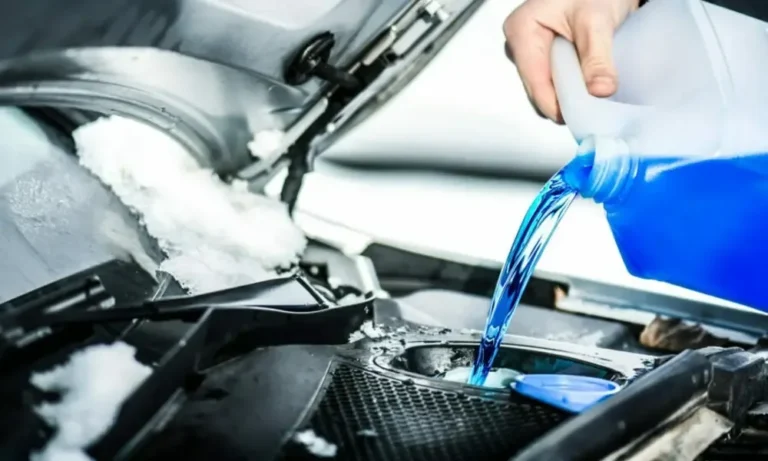
Using the right kind of washer fluid helps protect the car’s parts. Avoid pouring fluid directly near the engine or radiator. Check for leaks in the washer fluid system often. Fix any leaks quickly to stop fluid from reaching the radiator.
Regular maintenance of the car helps spot problems early. Cleaning the engine bay carefully keeps dirt and fluids away from the radiator. Using protective covers or shields can stop fluids from splashing onto the radiator. These small actions help keep the radiator in good condition.
Choose The Correct Washer Fluid
Pick washer fluid made for your climate and car type. Some fluids have additives that prevent damage to car parts. Avoid mixing fluids with different chemicals. This stops reactions that might harm the radiator.
Inspect Washer Fluid System Regularly
Look at hoses and nozzles for cracks or leaks. Leaks can let fluid drip near the radiator. Replace broken parts fast to avoid fluid buildup. Regular checks keep the system clean and safe.
Keep Engine Bay Clean And Dry
Dirt and moisture can worsen damage from fluids. Wipe the engine bay gently during car washes. Dry areas around the radiator and washer fluid system. A clean engine area reduces risks of corrosion and blockages.
Use Radiator Protection Shields
Install shields or guards if the car design allows it. These block fluids from reaching the radiator directly. Shields add a layer of protection during washer fluid refills. They also help keep dirt and debris away.
Credit: texasreliableautoglass.com
Frequently Asked Questions
How Long Can Windshield Washer Fluid Damage A Radiator?
Windshield washer fluid can harm a radiator if leaked inside. Damage depends on fluid type and exposure time. Small spills usually cause no lasting harm.
What Happens If Washer Fluid Mixes With Radiator Coolant?
Mixing washer fluid with coolant can reduce cooling efficiency. It may cause overheating or corrosion over time. Clean the system promptly to avoid damage.
Can Windshield Washer Fluid Cause Radiator Leaks?
Washer fluid itself doesn’t cause radiator leaks. Leaks are usually from worn seals or cracks. Still, fluid contamination can worsen existing radiator problems.
How To Fix Radiator Damage From Washer Fluid?
Flush the radiator and cooling system immediately. Replace contaminated coolant with fresh antifreeze mix. Check for leaks or damage and repair if needed.
Is It Safe To Drive With Washer Fluid In Radiator?
Driving with washer fluid in the radiator is risky. It can cause engine overheating and damage. Have the cooling system checked and cleaned before driving.
Conclusion
Windshield washer fluid can harm your radiator if it leaks inside. The damage depends on how much fluid entered and how long it stayed. Small amounts may cause no serious problems if cleaned quickly. Large leaks can lead to corrosion and overheating over time.
Always check for leaks and fix them fast. Using the right fluid and keeping your car maintained helps avoid radiator trouble. Stay alert and protect your vehicle from costly repairs. Simple care makes a big difference in the long run.