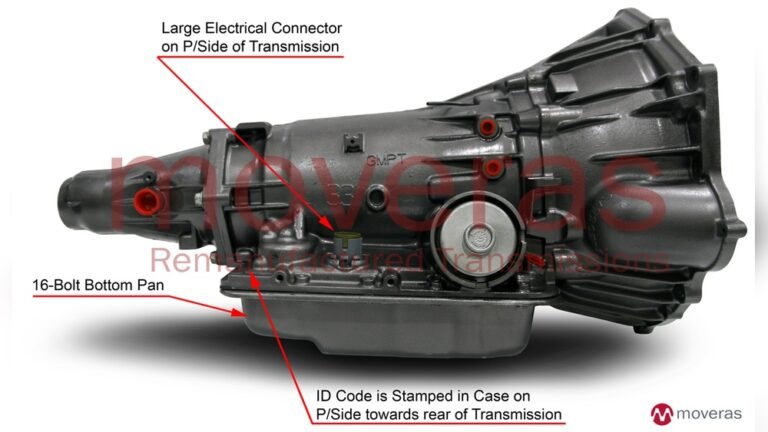
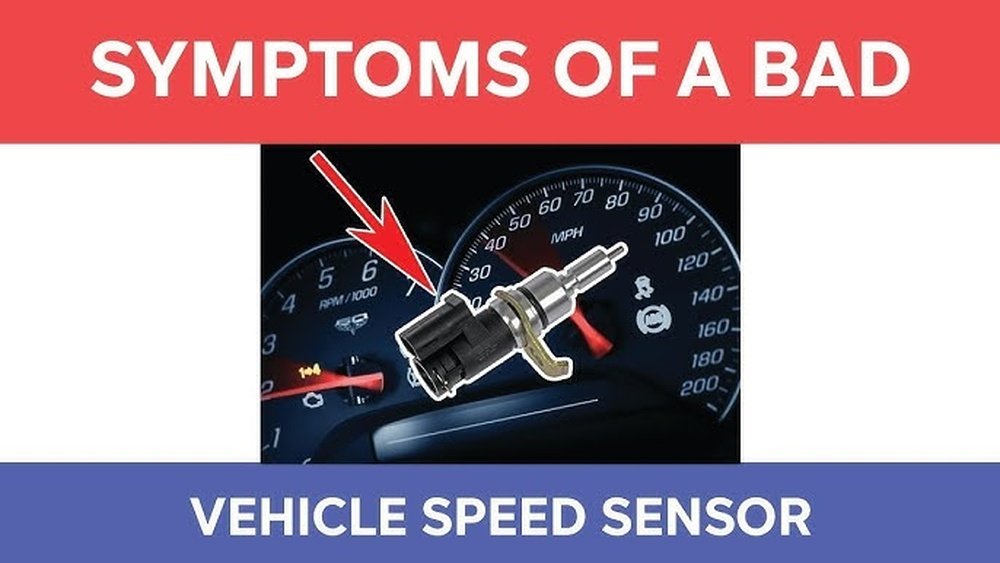
Can a Bad Wheel Speed Sensor Cause Transmission Problems? Shocking Truths Revealed!
Have you noticed your car shifting gears oddly or feeling less smooth on the road? You might be surprised to learn that a bad wheel speed sensor could be the cause of your transmission problems.
This small but important part plays a big role in how your car’s transmission behaves. If you want to avoid costly repairs and keep your ride running smoothly, understanding this connection is crucial. Keep reading to find out how a faulty wheel speed sensor can impact your transmission and what you can do about it.
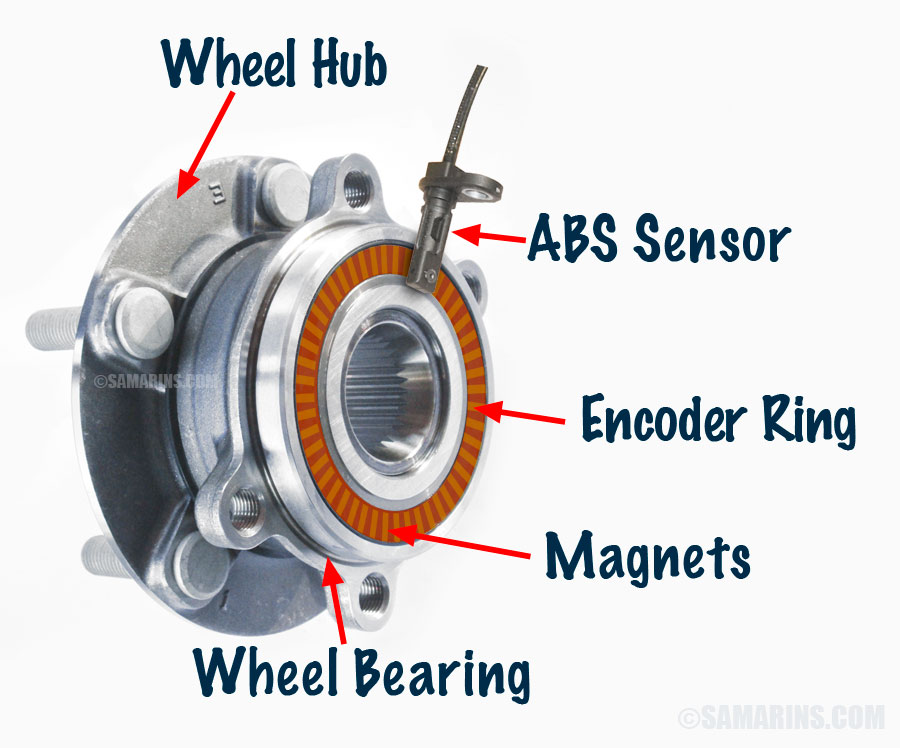
Credit: www.samarins.com
Role Of Wheel Speed Sensors
Wheel speed sensors play a key role in modern vehicles. They measure how fast each wheel spins. This information helps various systems work correctly. The sensors send data to the car’s computer. The computer uses this data to adjust brakes, stability, and transmission.
These sensors are small but vital parts. They help improve safety and driving comfort. Without accurate wheel speed data, some systems may not work well. This can lead to driving problems and even damage to the vehicle.
How Wheel Speed Sensors Work
Wheel speed sensors detect the speed of each wheel. They use magnets or sensors to track wheel rotation. The sensor sends electrical signals to the car’s control unit. The control unit reads these signals to know the wheel speed. This process happens many times per second.
Wheel Speed Sensors And Vehicle Safety Systems
These sensors help safety features like ABS and traction control. ABS stops the wheels from locking during braking. Traction control prevents wheels from slipping on slippery roads. Both systems need precise wheel speed data to work well. Faulty sensors can cause these systems to fail.
Impact On Transmission Function
Wheel speed sensors also affect the transmission. The transmission shifts gears based on wheel speed data. Incorrect data can cause rough or delayed gear changes. This can lead to poor driving performance and damage. A bad sensor can confuse the transmission system.
How Sensors Affect Transmission
Car sensors play a key role in transmission performance. They provide data that helps the transmission shift gears smoothly. Sensors monitor speed, temperature, and other vital signals.
If a sensor sends wrong information, the transmission may not work well. This can cause rough shifting, slipping, or even failure to change gears. Understanding sensor functions helps diagnose transmission issues.
Role Of The Wheel Speed Sensor
The wheel speed sensor tracks how fast each wheel turns. This data helps the transmission control module adjust gear shifts. It ensures the vehicle moves efficiently and safely.
A faulty wheel speed sensor can send wrong speed signals. The transmission may shift too early or too late. This leads to jerky rides and potential damage.
Impact On Transmission Control Module
The transmission control module relies on sensor data to make decisions. It uses this information to choose the best gear for driving conditions. Bad sensor data confuses the module.
When confused, the module may lock gears or shift improperly. This causes wear and tear and reduces fuel efficiency. Sensors must work correctly for smooth transmission operation.
Connection Between Sensors And Gear Shifting
Sensors help the transmission know when to shift gears. They detect speed changes and road conditions instantly. This ensures timely and smooth gear changes.
Bad sensor signals disrupt this process. The transmission may hesitate or shift harshly. Proper sensor function is essential for safe and smooth driving.
Symptoms Of A Faulty Wheel Speed Sensor
A faulty wheel speed sensor can cause many car problems. It affects how the car’s computer reads the speed of each wheel. This can lead to issues with braking and transmission. Recognizing the symptoms helps catch the problem early. It prevents further damage to your vehicle.
Symptoms vary, but some are quite clear. These signs usually mean the sensor is not working well or has failed. Understanding these symptoms can save time and repair costs.
Warning Lights On The Dashboard
The most common sign is a warning light on the dashboard. The ABS or traction control light may turn on. Sometimes, the check engine light appears. These lights indicate sensor errors or related problems.
Unusual Transmission Shifts
The transmission may shift roughly or at the wrong times. It might hesitate or slip between gears. This happens because the sensor sends bad speed data to the transmission system.
Abs Or Traction Control Issues
The anti-lock brake system might stop working correctly. The traction control system may also fail to engage. This happens because the faulty sensor can’t send accurate wheel speed info.
Speedometer Malfunction
The speedometer may act strangely or stop working. It might show wrong speeds or jump suddenly. This happens because the sensor data is incorrect or missing.
Reduced Fuel Efficiency
The engine may use more fuel than usual. This occurs as the transmission struggles to shift properly. The faulty sensor causes inefficient driving and fuel waste.
Diagnosing Sensor-related Transmission Issues
Diagnosing sensor-related transmission issues requires careful attention. A faulty wheel speed sensor can send wrong signals to your car’s computer. This mistake may cause transmission problems. Detecting this early prevents bigger damage and costly repairs.
Understanding the symptoms is the first step. Your car might shift gears roughly or slip unexpectedly. Warning lights on the dashboard may turn on. These signs suggest checking the wheel speed sensor.
Using Diagnostic Trouble Codes (dtcs)
Modern cars store error codes for sensor failures. A scan tool reads these codes from the car’s computer. Codes related to wheel speed sensors often link to transmission issues. Mechanics use these codes to find the exact problem quickly.
Performing Visual And Physical Inspections
Inspect the wheel speed sensor and its wiring closely. Dirt, rust, or damage may cause sensor failure. Check for loose connections or broken wires. Cleaning or replacing the sensor often solves the issue.
Testing Sensor Signals With Tools
Technicians use special tools to test sensor signals. An oscilloscope shows if the sensor sends correct pulses. Faulty signals confirm the sensor is causing transmission faults. Accurate testing helps avoid unnecessary part replacements.
Repairing And Preventing Sensor Problems
Repairing and preventing sensor problems helps keep your car running smoothly. A bad wheel speed sensor can cause transmission issues. Fixing these sensors early avoids bigger repairs and expenses.
Regular checks help detect sensor faults. Cleaning the sensor and its connections prevents dirt buildup. Dirt and moisture can block signals and cause errors in the transmission system.
Identifying Sensor Damage
Look for signs like warning lights or strange shifting. A faulty sensor can cause rough gear changes. Mechanics use diagnostic tools to read error codes and find sensor problems.
Replacing A Faulty Wheel Speed Sensor
Replacing the sensor usually fixes transmission troubles. The process takes about an hour. Use quality parts to ensure long-lasting repairs. Proper installation avoids future sensor issues.
Preventing Future Sensor Issues
Keep sensors clean and dry. Avoid driving through deep water or mud. Regular vehicle maintenance includes sensor inspections. Early care extends sensor life and protects transmission function.
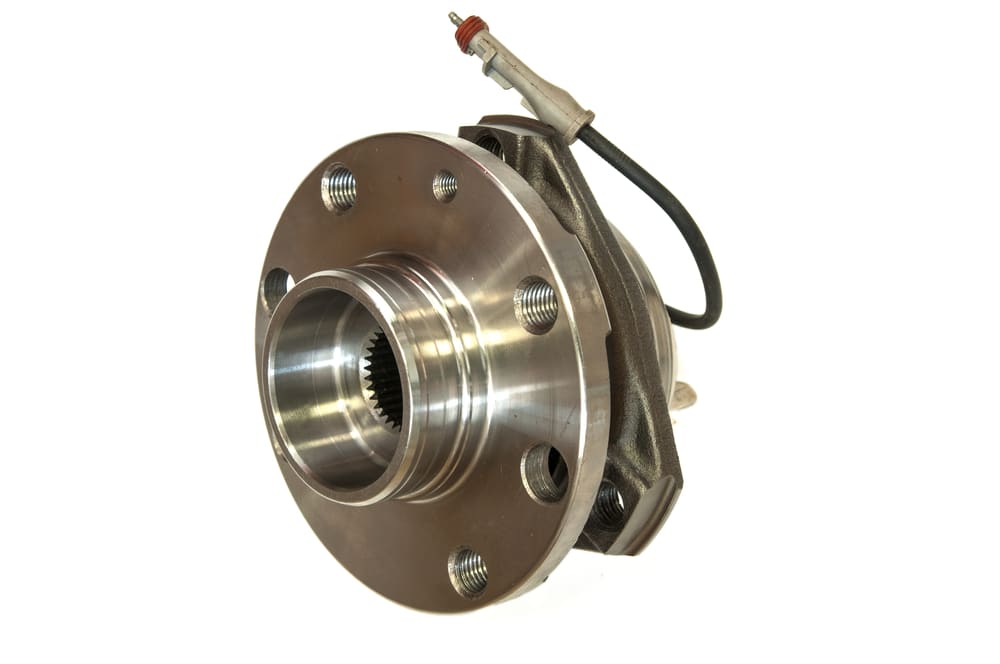
Credit: www.yourmechanic.com

Credit: www.youtube.com
Frequently Asked Questions
Can A Faulty Wheel Speed Sensor Affect Transmission Shifting?
Yes, a faulty wheel speed sensor can cause rough or delayed transmission shifting. The sensor helps the transmission know when to change gears smoothly.
How Does A Bad Wheel Speed Sensor Trigger Transmission Issues?
A bad sensor sends wrong speed data to the car’s computer. This confuses the transmission system, leading to shifting problems.
What Are Common Signs Of A Bad Wheel Speed Sensor?
Common signs include the check engine light, erratic shifting, and ABS warning lights. These signals often point to sensor trouble affecting transmission.
Can A Bad Wheel Speed Sensor Cause Transmission To Go Into Limp Mode?
Yes, the transmission may enter limp mode to prevent damage if sensor data is faulty. This limits vehicle speed and gear use.
How Quickly Should I Replace A Bad Wheel Speed Sensor?
Replace it as soon as you notice shifting problems or warning lights. Prompt repair helps avoid costly transmission damage later.
Conclusion
A bad wheel speed sensor can cause serious transmission problems. It sends wrong signals to the car’s computer. This may lead to rough shifting or slipping gears. Ignoring sensor issues can damage the transmission over time. Regular checks help catch problems early and keep your car running smoothly.
Fixing the sensor promptly saves you money and stress. Don’t let a small sensor ruin your driving experience. Stay alert and maintain your vehicle for safer trips.