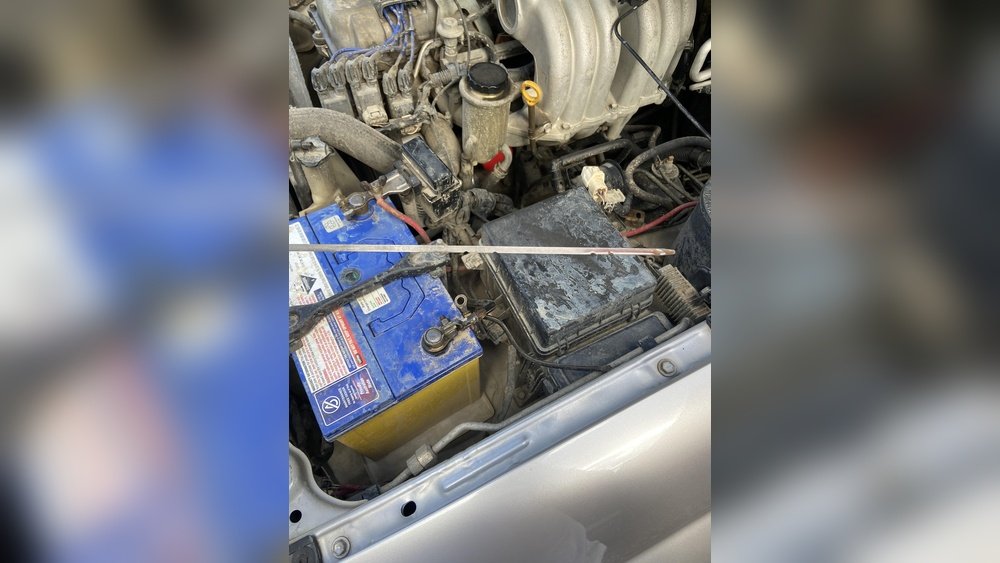
Do You Check Transmission Fluid With the Vehicle Running? Essential Tips
Have you ever wondered if you should check your transmission fluid with the vehicle running? It’s a simple step that can save you from costly repairs, but many drivers don’t know the right way to do it.
Knowing when and how to check your transmission fluid can keep your car running smoothly and help you spot problems early. You’ll learn exactly what to do—and what to avoid—so you can take better care of your vehicle and avoid unnecessary headaches down the road.
Keep reading to find out the truth about checking your transmission fluid!
Credit: www.davidsrepair.com
Why Check Transmission Fluid
Checking transmission fluid is a simple step that protects your vehicle. It helps avoid costly repairs and keeps the transmission working smoothly. Transmission fluid lubricates parts and cools the system. Without enough fluid, your car may shift roughly or overheat.
Regular checks catch problems early. The fluid can get dirty or low over time. Dirty fluid loses its ability to protect. Low fluid causes slipping or delayed gear changes. Knowing the fluid’s condition helps you act fast.
Prevent Transmission Damage
Transmission fluid prevents metal parts from rubbing together. Without fluid, parts wear out quickly. This causes expensive damage. Checking fluid keeps the transmission safe.
Maintain Smooth Shifting
Good fluid helps gears change smoothly. Old or low fluid can cause rough or delayed shifts. Checking fluid ensures smooth driving and better control.
Avoid Overheating
Fluid cools the transmission during driving. Low or dirty fluid makes it harder to cool. Overheating can cause serious damage. Checking fluid stops this risk.
Save Money On Repairs
Ignoring fluid checks leads to big repair bills. Fixing transmission problems early is cheaper. Regular checks help save money in the long run.

Credit: www.youtube.com
When To Check The Fluid
Transmission fluid should be checked when the engine is warm and running. This helps get an accurate fluid level reading. Always park on a flat surface and keep the vehicle in park or neutral.
Knowing the right time to check your transmission fluid keeps your car running smooth. Checking at the wrong time can give wrong results. The engine and transmission need to be at the right temperature for an accurate reading.
Most vehicles require the engine to be warm. This means driving for a few minutes before checking. Cold fluid can look thicker and show a lower level than actual.
Check The Fluid While The Engine Is Running
Many cars need the engine running to check transmission fluid. This helps the fluid circulate and reach the right level. Check your owner’s manual to be sure. Usually, keep the car in park or neutral and the brake on.
Check After Driving Short Distance
Drive about five to ten minutes to warm the transmission. This brings the fluid to its normal operating temperature. Avoid checking right after a long drive. The fluid may be too hot, causing inaccurate readings.
Check On Level Ground
Park your car on a flat surface before checking. Slopes can cause fluid to shift and give false readings. A level spot ensures the fluid settles evenly in the transmission.
Check Regularly But Not Too Often
Check fluid about every 30,000 miles or as your manual suggests. Too frequent checks can confuse you with small changes. Regular checks help spot leaks or problems early.
Steps To Check Fluid Properly
Checking your transmission fluid properly helps keep your car running smoothly. It prevents costly repairs and keeps the transmission healthy. Follow these simple steps to check the fluid correctly.
Preparing Your Vehicle
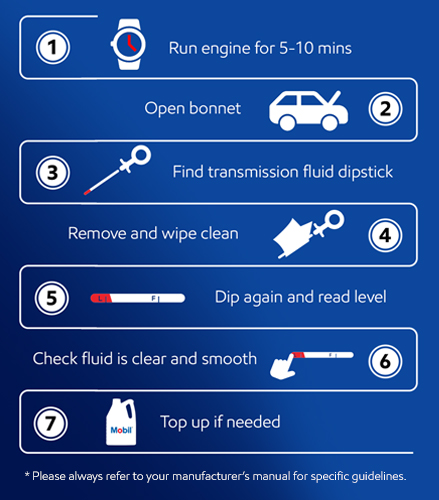
Start your car and let it warm up. Transmission fluid expands when hot. Park on a level surface. Apply the parking brake. Keep the engine running during the check. This gives an accurate fluid level reading.
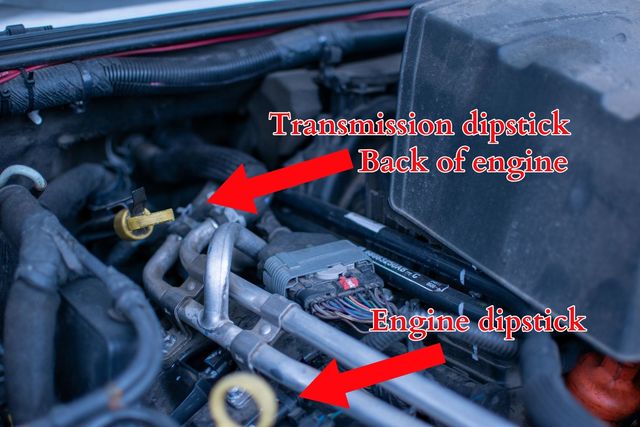
Locating The Dipstick
Open the hood carefully. Find the transmission fluid dipstick. It usually has a bright handle. Refer to your owner’s manual if unsure. Clean the dipstick with a cloth before testing.
Reading The Fluid Level And Condition
Insert the dipstick fully and pull it out again. Check the fluid level against the marked areas. The fluid should be between “Full” and “Add” marks. Look at the color too. Healthy fluid is bright red and clear. Dark or burnt-smelling fluid needs changing.
Credit: www.mobil.co.uk
Common Mistakes To Avoid
Checking transmission fluid is important for car health. Many people make mistakes that can give wrong readings or even harm the vehicle. Knowing these common errors helps keep the transmission safe and working well.
Some mistakes happen because of wrong timing or tools. Others come from not reading the fluid level correctly. Avoiding these errors saves time and money on repairs.
Checking Fluid Without The Engine Running
Transmission fluid should be checked with the engine running. The fluid moves and warms up only then. Checking with the engine off gives a false low reading.
Using The Wrong Dipstick
Some cars have separate dipsticks for oil and transmission fluid. Using the wrong one can cause confusion. Always use the dipstick marked for transmission fluid.
Ignoring Fluid Temperature
Cold fluid is thicker and reads lower. Warm fluid flows better and shows the true level. Check fluid after driving for a few minutes to warm it up.
Not Cleaning The Dipstick
Old fluid on the dipstick can mix with new fluid and mislead you. Wipe the dipstick clean before rechecking the level for an accurate reading.
Overfilling Or Underfilling The Transmission
Too much fluid can cause leaks and damage. Too little fluid leads to poor shifting and overheating. Keep fluid levels within the recommended range.
Signs Of Transmission Fluid Problems
Transmission fluid keeps your car’s transmission running smoothly. It helps with shifting gears and cooling parts. When the fluid has problems, your car can show clear signs. Recognizing these signs early can save you from costly repairs.
Unusual Transmission Noises
Strange noises like whining or clunking may mean fluid issues. These sounds often happen when fluid is low or dirty. Pay attention to any new or odd noises from the transmission.
Slipping Gears
The car may change gears unexpectedly or feel like it slips. This happens if the fluid lacks proper pressure or is contaminated. Slipping gears make driving unsafe and uncomfortable.
Delayed Gear Engagement
Notice a delay when shifting from park to drive or reverse? This delay can signal low or old transmission fluid. It causes the transmission to react slowly to your commands.
Burning Smell
A strong burning smell could come from overheated fluid. Overheated fluid loses its ability to lubricate and protect parts. This smell warns of serious transmission trouble.
Fluid Leaks
Look under your car for red or brown fluid puddles. Leaks lower fluid levels and harm transmission performance. Leaks also risk damaging other car parts.
Frequently Asked Questions
Do You Check Transmission Fluid With Engine On Or Off?
Check transmission fluid with the engine running and warmed up. This ensures accurate fluid level reading for most vehicles.
Why Is Transmission Fluid Checked While Vehicle Runs?
Transmission fluid expands when warm, giving a true fluid level. Checking it while running prevents errors in measurement.
Can Checking Fluid With Engine Off Cause Problems?
Yes, fluid levels may appear low if checked with the engine off. This can lead to incorrect fluid adding or ignoring leaks.
How Often Should You Check Transmission Fluid?
Check transmission fluid every 30,000 to 60,000 miles or as your manual suggests. Regular checks help avoid transmission damage.
What Does Low Transmission Fluid Mean For My Car?
Low transmission fluid can cause slipping gears and overheating. Fixing levels early prevents costly repairs and keeps your car running smoothly.
Conclusion
Checking transmission fluid with the vehicle running keeps your car healthy. This helps spot problems early before they get worse. Always follow the car manual for the right steps. Use the dipstick to check fluid level and color. Clean, pink fluid means good health.
Dark or burnt smell signals trouble. Regular checks can save you money and time. Keep your transmission smooth and your drives safe. Small efforts now prevent big repairs later. Simple, quick checks protect your car’s heart. Don’t skip this easy maintenance task.