Should You Disconnect Battery When Changing Spark Plugs: Essential Safety Tips
When it’s time to change your spark plugs, you might wonder, “Should I disconnect the battery first?” It’s a common question that can save you from unexpected problems—or unnecessary hassle. You want to do the job right, protect your car’s electronics, and avoid losing important settings like your radio presets or engine memory.
But is unplugging the battery really necessary? Or could it actually cause more trouble than good? Keep reading to discover the clear answer, practical tips, and best practices that will help you change your spark plugs safely and confidently without any guesswork.

Credit: www.youtube.com
Battery Disconnection Not Always Needed
Changing spark plugs is a common car maintenance task. Many believe disconnecting the battery is necessary. The truth is, battery disconnection is not always needed. It depends on the vehicle and the work being done.
Why You Might Want To Disconnect It
- Short-circuit prevention: Disconnecting the battery stops accidental sparks. This can happen if a metal tool touches the positive terminal and a grounded metal part at the same time.
Why You Might Want To Leave It Connected
- Radio and settings retention: Disconnecting the battery erases clock and radio presets.
- Computer memory: The engine or transmission control unit may lose its learned driving habits, affecting performance.
Best Practices (if Leaving The Battery Connected)
- Make sure the ignition is fully off and the key or fob is away from the car.
- Work on one cylinder at a time to avoid confusion.
- Unplug the ignition coil, replace the spark plug, then reconnect the coil before moving on.
- This method prevents mixing wires and keeps engine parts protected.
When To Disconnect The Battery
Knowing when to disconnect the battery during a spark plug change is important. It helps protect your vehicle’s electrical system and keeps you safe. Some situations need the battery disconnected, while others do not. Understanding these moments can prevent damage and accidents.
Preventing Short Circuits
Disconnect the battery to avoid short circuits. A wrench or tool can touch metal parts and cause sparks. These sparks may damage the electrical system. Removing the battery power cuts the chance of such accidents. This step is vital when working near the battery or wiring.
Avoiding Electrical Hazards
Working on spark plugs with the battery connected can cause shocks. The ignition system carries voltage that may surprise you. Disconnecting the battery reduces the risk of electric shock. It protects both the mechanic and the vehicle’s electronics. Always disconnect if unsure about the safety of the electrical system.
Benefits Of Keeping Battery Connected
Keeping the battery connected during a spark plug change offers several advantages. It helps maintain important settings and data in your vehicle. This reduces the hassle of resetting devices and systems after the job. Here are key benefits of leaving your battery connected.
Retaining Radio And Clock Settings
When the battery stays connected, your radio presets remain intact. You avoid the need to reprogram favorite stations. The clock also keeps the correct time without resetting. This saves time and prevents frustration after the spark plug change.
Preserving Engine Computer Data
The engine control unit holds learned data about your car’s performance. Keeping the battery connected preserves this information. It helps the engine run smoothly without relearning driving habits. This can improve fuel efficiency and reduce emissions right away.

Credit: www.reddit.com
Safe Spark Plug Replacement Tips
Replacing spark plugs requires care to avoid damage and ensure safety. Follow these safe spark plug replacement tips to protect your vehicle and yourself. Proper steps help prevent electrical issues and engine problems during the process.
Turning Off Ignition Completely
Always switch the ignition off before starting work. Remove the key or fob from the vehicle to prevent accidental starts. This step cuts power to the spark plug system and lowers the risk of shocks or sparks. Never attempt to change spark plugs with the engine running or ignition on.
Changing One Cylinder At A Time
Work on each cylinder one by one. Remove the ignition coil or wire from one spark plug, replace the plug, then reconnect the coil before moving on. This method avoids mixing up wires and keeps the engine’s ignition system organized. It also prevents open cylinders from being exposed to dirt or moisture.
Handling Ignition Coils Properly
Carefully disconnect ignition coils without pulling the wires. Use a gentle twisting motion to release the coil. Avoid dropping or damaging coils, as they are sensitive and costly to replace. Keep coils clean and dry throughout the job to maintain good electrical contact.
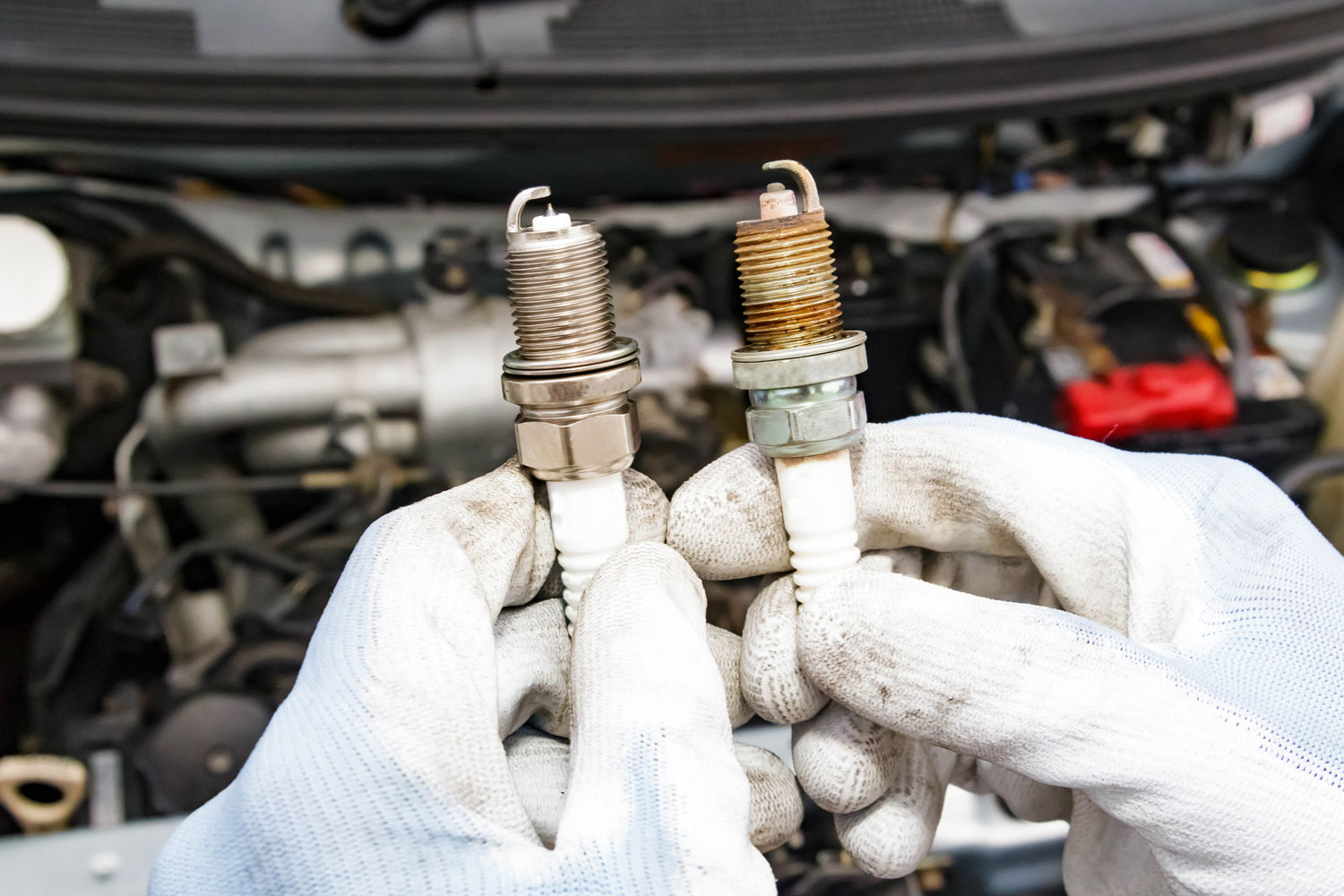
Credit: www.capitalone.com
Frequently Asked Questions
What Kills Spark Plugs Quickly?
Overheating, incorrect spark plug gaps, oil or fuel fouling, and poor engine maintenance kill spark plugs quickly. Frequent short trips also wear them out faster.
What Spark Plug For Husqvarna 61?
The recommended spark plug for a Husqvarna 61 chainsaw is the Champion RCJ7Y or equivalent with a 0. 020-inch gap.
What Spark Plugs Are Best For Lexus?
The best spark plugs for Lexus are usually OEM iridium or platinum types. They offer durability, better ignition, and fuel efficiency. Choose plugs matching your Lexus model and engine specifications for optimal performance and longevity.
How Much Does It Cost To Replace Spark Plugs In A Toyota Corolla?
Replacing spark plugs in a Toyota Corolla typically costs between $100 and $200, including parts and labor. Prices vary by location and service center.
Conclusion
Disconnecting the battery when changing spark plugs is not always required. It can help avoid short circuits but may reset your car’s settings. Turning the ignition off and working carefully on one spark plug at a time keeps the process safe.
Follow these simple steps to protect your vehicle and yourself. This approach saves time and keeps your car’s systems intact. Remember, safety comes first, but disconnecting the battery depends on your comfort and car model.