Can My Car Pass Emissions With Check Engine Light On? Essential Facts
You see that annoying check engine light glowing on your dashboard, and now you’re wondering—can your car still pass emissions with that light on? It’s a question that can cause a lot of stress, especially if you need to get your vehicle inspected soon.
The truth is, ignoring that warning could cost you more than just a failed test. You’ll discover what the check engine light really means for your emissions test, why it matters, and what steps you can take to avoid surprises at the inspection station.
Keep reading to protect your wallet and keep your car running smoothly.

Credit: www.youtube.com
Check Engine Light And Emissions Link
The check engine light is a key signal about your car’s health. It often relates directly to emissions problems. When this light is on, it means the car’s computer detected an issue. This issue can affect how much pollution your car produces.
Emissions tests check for harmful gases from your car’s exhaust. The check engine light helps inspectors know if your car is running clean. Cars with this light on usually fail these tests. The light shows the car may be releasing more pollution than allowed.
Why The Check Engine Light Affects Emissions Tests
The check engine light means the car’s emission system has a fault. This fault can cause higher emissions. The car’s computer tracks many parts that control pollution. If one part fails, the light turns on. The emissions test reads this data and alerts the inspector.
Common Problems That Trigger The Check Engine Light
Issues like a loose gas cap can turn the light on. More serious problems include faulty oxygen sensors or catalytic converters. These parts help lower harmful gases. When they fail, emissions rise quickly. The light warns drivers about these problems before the car fails an emissions test.
Impact On Passing Emissions With The Light On
Most states will not pass a car with the check engine light on. The light signals the car is not meeting emissions standards. Some minor issues may not cause a failure, but the light usually means a fail. Repairing the problem and resetting the light improves chances of passing.
Common Causes Of Check Engine Light
The check engine light can come on for many reasons. It signals that the car’s computer found a problem. Some causes are simple to fix. Others may need a mechanic’s help. Knowing the common causes helps understand if your car can pass emissions.
Oxygen Sensor Malfunction
The oxygen sensor measures air and fuel mixture. If it fails, the engine runs poorly. This increases emissions and can trigger the check engine light. A bad sensor often causes a failed emissions test.
Loose Or Damaged Gas Cap
A loose gas cap lets fuel vapors escape. This triggers the check engine light. It is an easy fix. Tightening or replacing the gas cap can turn the light off. It also helps pass emissions.
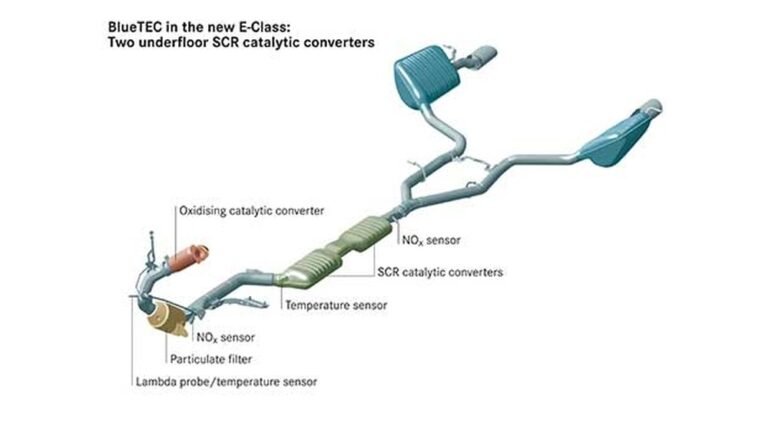
Faulty Catalytic Converter
The catalytic converter reduces harmful gases. It can wear out or get clogged. A bad catalytic converter causes high emissions. It often turns on the check engine light. This problem usually needs professional repair.
Mass Airflow Sensor Issues
The mass airflow sensor controls engine air intake. A faulty sensor affects fuel efficiency. It can cause the check engine light to glow. This problem can increase emissions and cause test failure.
Spark Plug Or Ignition Coil Problems
Worn spark plugs or bad ignition coils cause engine misfires. Misfires raise emissions and turn on the check engine light. Replacing these parts can improve engine performance and emissions results.
Emission Test Procedures
Emission test procedures check a vehicle’s pollution levels. These tests ensure cars meet environmental rules. The process varies by state but follows similar steps. Understanding these steps helps know if a car with a check engine light can pass.
The test usually starts with a visual inspection. The inspector looks for missing or broken parts. Then, the car’s computer is scanned for error codes. This scan reveals issues in the engine or emission systems.
Next, the vehicle undergoes a tailpipe test. A device measures the gases coming from the exhaust. It checks for harmful pollutants like carbon monoxide and nitrogen oxides. The test compares these levels to legal limits.
Some places require a dynamometer test. The car runs on rollers simulating driving conditions. This test measures emissions under different speeds and loads. It gives a complete picture of the car’s pollution output.
Visual Inspection
The inspector checks the exhaust system and emission parts. Missing or damaged parts can cause automatic failure. The check engine light often signals a problem found here.
Onboard Diagnostic Scan
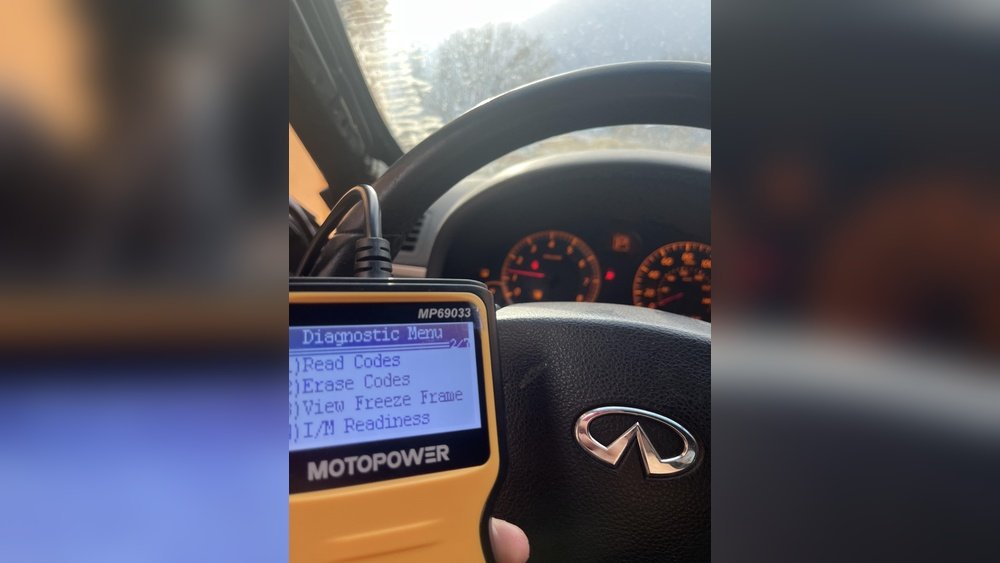
A scanner connects to the car’s computer. It reads trouble codes stored inside. These codes help identify emission-related issues. A lit check engine light means codes are present.
Tailpipe Emissions Test
This test measures exhaust gases directly. It checks pollutants like hydrocarbons and carbon monoxide. High levels mean the car may fail the test.
Dynamometer Test
The car runs on rollers at different speeds. This simulates real driving conditions. Emissions are measured during the test. It shows how the car performs on the road.

Credit: www.reddit.com
Impact Of Check Engine Light On Emission Tests
A check engine light on usually means your car will fail an emissions test. The light signals a problem affecting pollution control. Fixing the issue is often needed to pass the test.
What Does The Check Engine Light Mean For Emissions?
The check engine light signals a problem with the vehicle’s engine or emissions system. It often means the car’s emissions may be higher than allowed. This light alerts the driver to issues that can affect pollution levels. Cars with this light on usually fail emissions tests because the system detects a fault.
How Emission Tests Use The Check Engine Light
Emission tests include a visual check of the dashboard lights. If the check engine light is on, the car automatically fails the test. Testing centers read the car’s computer for error codes. These codes show what part of the emissions system is not working correctly.
Can Repairs Affect The Check Engine Light Before Testing?
Fixing the problem often turns off the check engine light. The car’s computer needs time to reset after repairs. Sometimes, the light stays on until the system runs several checks. Testing too soon after fixing the car may still cause a failure.
Steps To Take Before Emission Testing
Preparing your car before an emissions test can improve the chance of passing. A check engine light on signals a problem. It may cause your car to fail the test. Take some simple steps to avoid surprises at the testing station.
These steps help ensure your vehicle runs clean and meets emission standards. They also save you time and money by preventing test failures.
Check For Diagnostic Trouble Codes (dtcs)
Use an OBD-II scanner to read your car’s trouble codes. These codes identify the problem causing the check engine light. Knowing the issue helps decide if you can fix it yourself or need a mechanic.
Fix Minor Issues
Small problems like loose gas caps or dirty air filters can cause emissions issues. Tighten the gas cap and replace air filters if needed. These fixes often turn off the check engine light and reduce emissions.
Drive Your Car Properly
Drive your car for at least 20 minutes before the test. Use highway and city roads to let the engine warm up fully. This clears temporary trouble codes and prepares the car for an accurate test.
Perform A Pre-test Emissions Check
Many auto shops offer pre-test emissions checks. They measure pollutants and check engine systems. This service tells you if your car is ready for the official test. It helps avoid failing at the test center.
Reset The Check Engine Light Carefully
Resetting the light without fixing the problem can lead to test failure. Clearing codes resets the car’s monitors. The car needs time and driving to reset these monitors before testing. Be sure the issue is fixed first.
When To Seek Professional Help
A check engine light often means a problem with your car’s emissions system. Visit a mechanic if the light stays on or flashes. Professional help ensures your car meets emission rules and runs safely.
Understanding The Severity Of The Check Engine Light
The check engine light can mean many things. Some issues are minor, like a loose gas cap. Others can affect your car’s emissions and safety. Knowing the difference helps you decide if you need a mechanic.
If the light is steady, the problem might not be urgent. Flashing lights often signal a serious issue. Driving with a flashing check engine light can cause damage and fail emissions tests.
Signs You Should Visit A Mechanic
Strange noises, poor fuel economy, or rough idling are red flags. These symptoms show the engine might have trouble passing emissions. A professional can diagnose and fix these problems quickly.
Your car’s emissions test may fail if the light is on. Mechanics use special tools to read error codes. This helps identify the exact cause of the problem.
Benefits Of Professional Diagnosis
Mechanics find hidden problems that are hard to detect. Fixing these issues improves your car’s performance and lowers emissions. Professionals also reset the check engine light properly.
Getting help early saves money. Small repairs prevent bigger, costly damages later. A proper fix increases the chances of passing your emissions test the first time.

Credit: www.reddit.com
Frequently Asked Questions
Can A Car With Check Engine Light Pass Emissions Test?
A car with the check engine light on usually fails the emissions test. The light shows a problem that affects pollution control. Fixing the issue is necessary before testing.
Why Does Check Engine Light Affect Emissions Testing?
The check engine light signals a fault in the engine or emissions system. This fault can increase harmful gases from the car. Emission tests check for these problems.
Can A Car Pass Emissions If Light Is Off But Codes Stored?
Even if the light is off, stored error codes can cause failure. The test machine reads these codes to check for issues. Clearing codes doesn’t guarantee passing.
How To Fix Check Engine Light Before Emissions Test?
Use a diagnostic tool to find the problem causing the light. Common fixes include replacing sensors or repairing exhaust parts. After repair, the light should turn off.
What Happens If I Ignore Check Engine Light Before Testing?
Ignoring the light often means failing the emissions test. It can also cause more damage to the car over time. Fixing the problem saves money and keeps the car legal.
Conclusion
A check engine light often means your car may fail emissions tests. Some small issues might not stop your car from passing. Still, it is best to fix any problems first. Repairs help your car run cleaner and safer. Ignoring the light could lead to bigger issues later.
Testing with the light on risks failing and extra costs. Keep your car in good shape to pass emissions easily. Regular checks save money and protect the environment. Don’t wait—take action if the check engine light shows up.