How Can I Pass Inspection With Check Engine Light On: Proven Tips
You’ve got that annoying check engine light glowing on your dashboard, and inspection day is right around the corner. You’re probably wondering, “Can I still pass inspection with this light on?” The truth is, ignoring it could cost you time, money, or even a failed inspection.
But don’t panic just yet. You’ll discover clear, simple steps to help you handle the check engine light and improve your chances of passing inspection without stress. Keep reading, because what you do now can save you headaches down the road.
Check Engine Light Basics
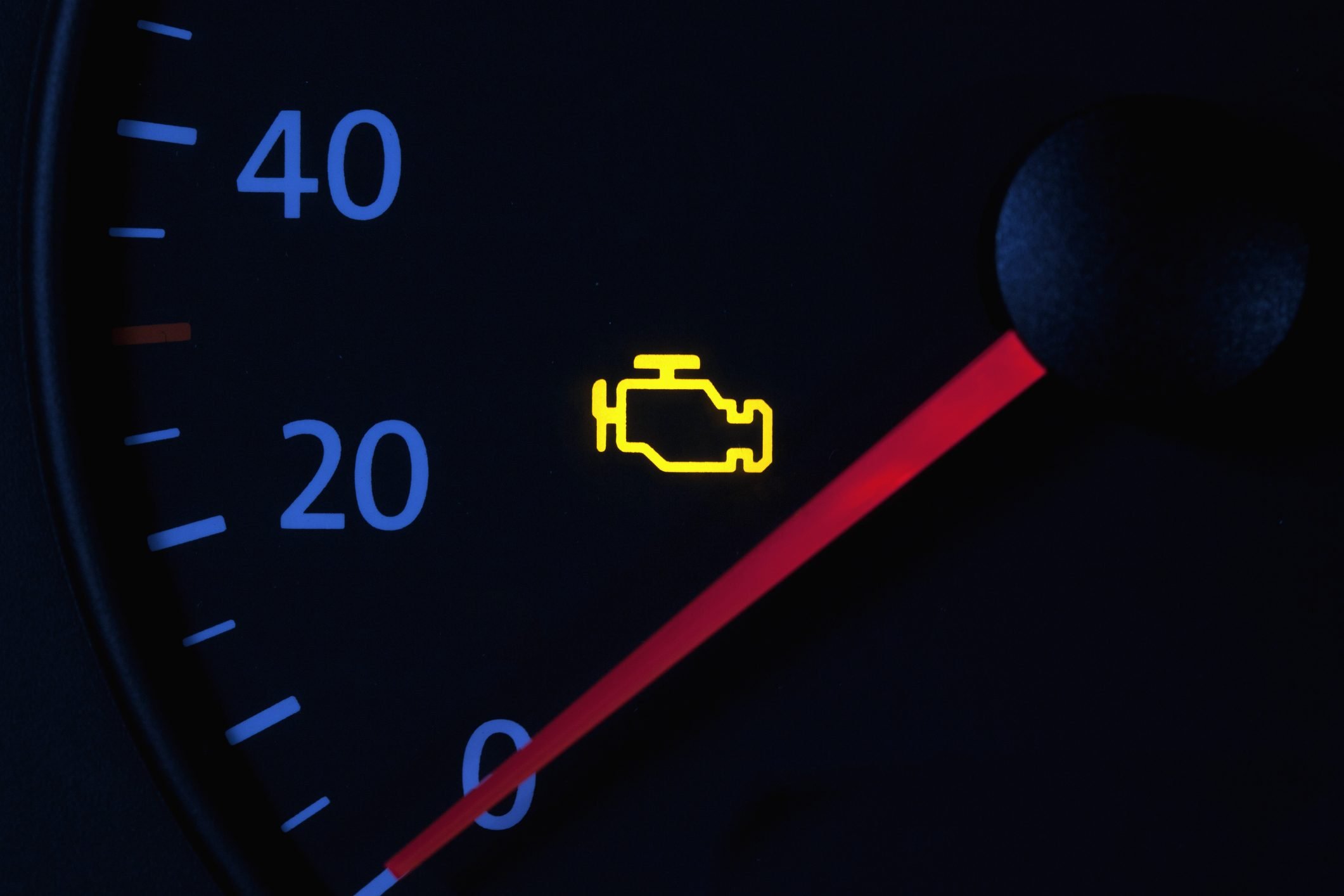
The check engine light is a warning sign on your car’s dashboard. It signals an issue with the engine or emissions system. Understanding this light helps you know what to do before your vehicle goes for inspection.
This light can turn on for many reasons. Some are simple, like a loose gas cap. Others might need a mechanic’s attention. Knowing the basics helps you avoid surprises at the inspection station.
What Does The Check Engine Light Mean?
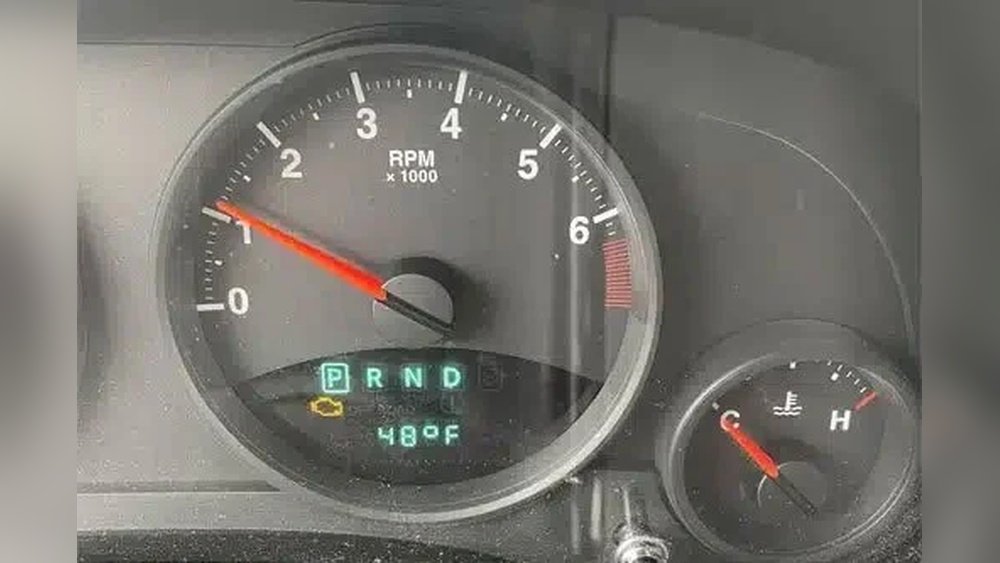
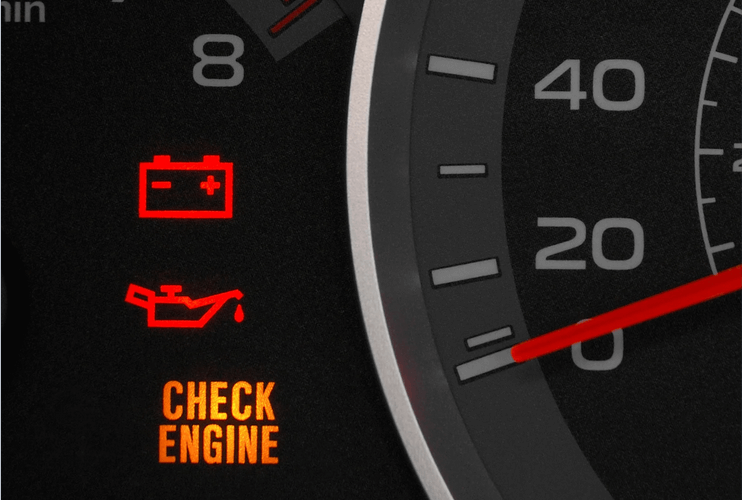
The check engine light means the car’s computer found a problem. It could be related to the engine, exhaust, or fuel system. The light can stay steady or blink. A blinking light often means a serious issue.
Loose or missing gas caps cause many check engine lights. Faulty oxygen sensors or spark plugs also trigger the light. Problems with the catalytic converter or mass airflow sensor can cause it too.
How Does The Check Engine Light Affect Inspections?
Many states require a working engine system for passing inspection. A lit check engine light usually means an automatic fail. The vehicle’s computer stores trouble codes that inspectors check for.
What To Do When The Check Engine Light Comes On
First, check your gas cap and tighten it if loose. Drive carefully and watch for other warning signs. Use an OBD-II scanner to read the trouble codes or visit a mechanic.

Credit: www.reddit.com
Common Causes Of Check Engine Light
The check engine light can turn on for many reasons. Some are simple fixes. Others might need a mechanic’s help. Understanding the common causes helps prepare you for inspection. It also helps you decide if a quick repair is possible.
Many causes relate to the car’s engine or emissions system. These parts keep your car running well and clean the air. A small problem in these areas can trigger the check engine light.
Oxygen Sensor Failure
The oxygen sensor measures air and fuel in the engine. A bad sensor sends wrong data to the car’s computer. This can reduce fuel efficiency and increase emissions. The check engine light turns on to warn you.
Loose Or Damaged Gas Cap
A loose or broken gas cap lets fuel vapors escape. This raises emissions and triggers the check engine light. Tightening or replacing the cap often fixes the problem quickly.
Faulty Catalytic Converter
The catalytic converter cleans harmful gases from the exhaust. A broken converter lowers engine performance and raises emissions. The check engine light signals this problem.
Malfunctioning Mass Airflow Sensor
This sensor controls the amount of air going into the engine. If it fails, the engine runs poorly or stalls. The check engine light alerts you to this issue.
Worn Spark Plugs Or Wires
Spark plugs ignite the fuel in the engine. Old or damaged plugs cause misfires and poor gas mileage. The check engine light often comes on in this case.
Diagnosing The Issue At Home
Diagnosing the check engine light at home saves time and money. You can find the issue early and avoid costly repairs. Simple tools and a bit of patience help you understand the problem. This guide shows easy steps to diagnose the check engine light by yourself.
Using An Obd-ii Scanner
An OBD-II scanner reads error codes from your car’s computer. These codes point to the exact problem. You can buy a basic scanner online or visit an auto parts store. Plug the scanner into the port under the dashboard. Turn on the car and follow scanner instructions. Note the codes shown on the screen. Search the code meaning online or in the scanner manual.
Checking The Gas Cap
A loose or damaged gas cap often triggers the check engine light. Remove the cap and inspect it for cracks or damage. Tighten the cap firmly until it clicks. Drive the car for a short distance. The light may turn off if the gas cap was the issue. This simple fix often solves the problem.
Inspecting Basic Components
Look under the hood for loose wires or damaged parts. Check the air filter for dirt or blockage. A dirty filter affects engine performance and triggers the light. Examine hoses for cracks or leaks. Fixing these small issues might turn off the check engine light.
Resetting The Check Engine Light
After fixing the problem, reset the check engine light. Use the OBD-II scanner or disconnect the car battery for a few minutes. Start the car again to see if the light stays off. If the light returns, the issue needs more attention.
Credit: www.familyhandyman.com
Temporary Fixes Before Inspection
Facing a check engine light before your vehicle inspection can be stressful. Temporary fixes can help reduce the chance of failure. These quick steps are not permanent solutions but can improve your car’s performance. They give you a better chance to pass the inspection.
Simple actions can clear minor issues and reset the system. This helps the vehicle’s computer check sensors and parts again. Following these tips may turn off the check engine light or at least lower its impact during inspection.
Clearing The Check Engine Light With An Obd-ii Scanner
An OBD-II scanner can read and clear trouble codes. Plug it into your car’s port under the dashboard. Scan the codes and write them down for future reference. Then, use the scanner to reset the check engine light. This may turn the light off temporarily. It lets the car’s computer start fresh before inspection.
Checking And Tightening The Gas Cap
A loose or damaged gas cap often triggers the check engine light. Open your gas tank and tighten the cap until it clicks. Replace it if cracked or worn. This simple fix can stop fuel vapors from leaking. It often clears the error related to the gas cap. The check engine light may turn off after driving a short distance.
Performing A Short Drive Cycle
After clearing the codes, drive your car for about 20 minutes. Use a mix of city and highway speeds. This allows the car’s computer to run self-tests on systems. If no new problems appear, the check engine light may stay off. This increases your chance of passing inspection.
Using Fuel Additives To Clean The Engine
Fuel additives can help remove deposits in the fuel system. Choose a cleaner designed for emissions and fuel injectors. Add it to your gas tank before driving. This improves engine performance and may reduce emissions. It can lower the chance of a check engine light during inspection.
Professional Repair Options
Professional mechanics can diagnose and fix the check engine light quickly. They use special tools to find the problem. This helps your car pass inspection safely.
A check engine light can stop you from passing a vehicle inspection. You need to fix the problem behind the light. Professional repair shops offer many services to help. They use tools and knowledge to find the exact cause fast.
Choosing a professional repair can save time and money. They provide clear explanations of the problem. Then, they fix it with the right parts and skills. This helps your car run better and pass inspection.
Diagnostic Testing
Repair shops use special scanners to read error codes from your car. These codes tell the mechanic what causes the check engine light. The test is quick and accurate. It helps avoid guesswork and unnecessary repairs.
Engine And Emission Repairs
Many check engine lights come from engine or emission system issues. Professionals fix problems like faulty sensors, bad spark plugs, or leaks. They make sure your car meets emission rules. This is key to passing inspection.
Parts Replacement
Sometimes, parts need replacement to clear the check engine light. Repair shops use quality parts that fit your car. They install them correctly to prevent future issues. Proper parts help your car pass inspection easily.
Final Testing And Reset
After repairs, mechanics run tests again to check the fix. They reset the check engine light. This confirms the problem is gone. A reset light shows your car is ready for inspection.
Credit: www.chapelhilltire.com
Preparing For A Successful Inspection
Preparing for a successful vehicle inspection with the check engine light on needs focus and care. Your goal is to make sure your car meets the basic safety and emission standards. This preparation helps avoid failing the inspection and costly repairs later.
Start by understanding what causes the check engine light to turn on. This light indicates a problem with your car’s engine or emissions system. Fixing the issue or knowing its cause is essential before the inspection day.
Check For Diagnostic Trouble Codes (dtcs)
Use an OBD-II scanner to read the trouble codes your car stores. These codes explain what triggers the check engine light. Knowing the codes helps you or a mechanic find the exact problem quickly. Clearing the codes before repairs may cause the light to come back.
Perform Basic Repairs
Simple fixes often solve check engine light issues. Tighten the gas cap if it is loose or damaged. Replace old spark plugs or air filters that may affect engine performance. These repairs improve your chances of passing the inspection.
Reset The Check Engine Light Properly
After repairs, reset the check engine light using the scanner tool. Drive the car for a few days to let the system run self-tests. If the light stays off, your car is ready for inspection. A flashing or returning light means more work is needed.
Check Emissions And Safety Systems
Ensure the emissions system is working well. Test the exhaust for smoke or strange smells. Verify brakes, lights, and signals function properly. Passing these basic safety checks helps avoid failing the inspection.
Frequently Asked Questions
Can I Pass Inspection With A Check Engine Light On?
Passing inspection with a check engine light on is usually difficult. Most states require the light to be off for emission tests. Fixing the issue or resetting the light helps improve chances.
What Causes The Check Engine Light To Turn On?
The check engine light can turn on for many reasons. Common causes include loose gas caps, faulty sensors, or engine problems. A diagnostic scan tool shows the exact cause.
Will A Check Engine Light Affect My Car’s Safety?
A check engine light does not always mean unsafe driving. Some issues only affect emissions, not safety. Still, get the car checked to avoid bigger problems.
How Do Mechanics Reset The Check Engine Light?
Mechanics use a diagnostic scanner to read and clear the error codes. Resetting the light may work temporarily but fixing the issue is crucial. Otherwise, the light can come back on.
Can I Pass Inspection After Fixing The Check Engine Light?
Yes, repairs usually allow your car to pass inspection. Make sure the check engine light stays off for a few days before testing. This confirms the problem is fully fixed.
Conclusion
Passing an inspection with the check engine light on is possible. Start by checking the trouble codes with a scanner. Fix any simple issues like a loose gas cap or dirty sensor. Clear the codes and drive for a few days to reset the system.
Make sure the light stays off before the test. Staying calm and prepared helps a lot. Taking these steps can save time and money. Keep your car maintained to avoid future problems. Simple care leads to safer drives and successful inspections.