Can You Replace Brake Pads Without Replacing Rotors? Expert Tips
Are your brakes making noise or not stopping as smoothly as before? You might be wondering if you can just replace the brake pads without swapping out the rotors too.
It’s a common question, and the answer isn’t always straightforward. What you decide can affect your safety, your wallet, and how your car feels on the road. Keep reading to find out when it’s okay to keep your old rotors and when replacing them is a must.
This simple knowledge could save you time and money—and give you peace of mind every time you hit the brakes.

Credit: www.youtube.com
Signs You Can Skip Rotor Replacement
Knowing when to skip rotor replacement can save time and money. Not every brake pad change means you must replace the rotors. Some signs show the rotors are still in good shape.
Check these key points before deciding on rotor replacement. This helps keep your brakes safe and efficient without extra costs.
Checking Rotor Thickness
Measure the rotor thickness with a micrometer or caliper. Compare the reading to the minimum thickness specified by the car maker. If the rotor is above this limit, it can keep working safely. Thin rotors can cause braking issues and should be replaced.
Inspecting Rotor Surface Condition
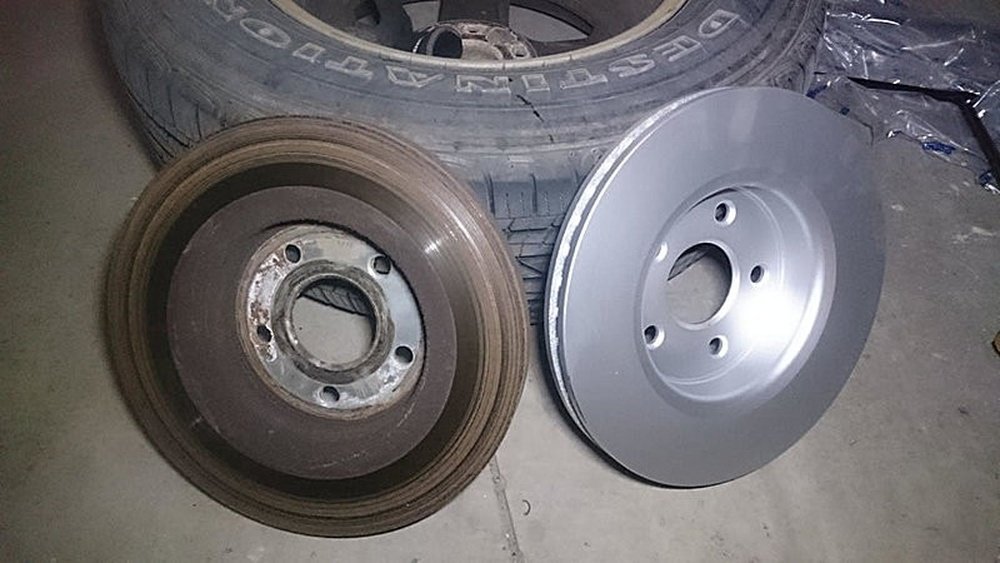
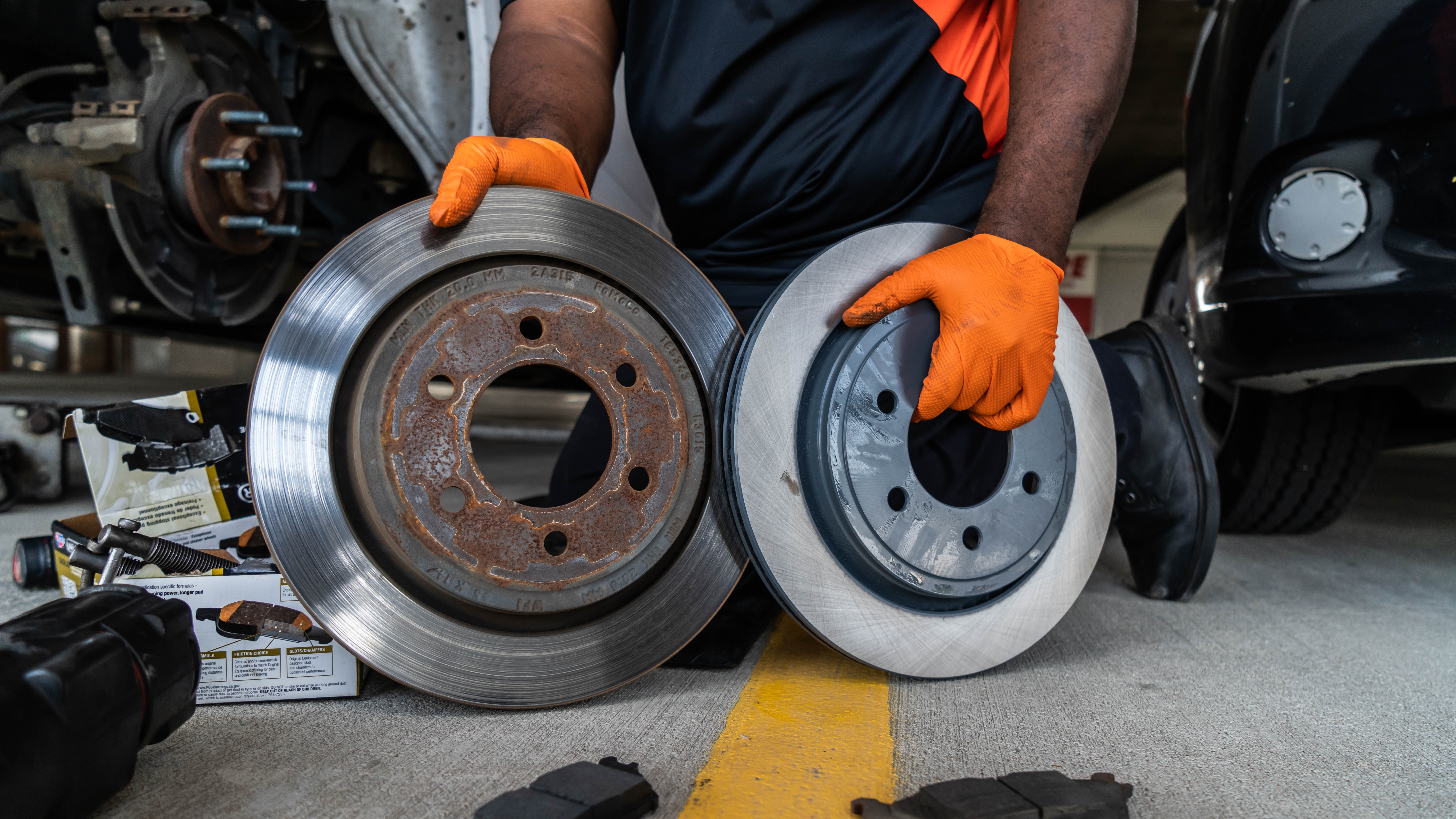
Look closely at the rotor surface for grooves, cracks, or rust. A smooth surface means the rotor is still good. Small marks or light rust can be cleaned off. Deep grooves or cracks mean the rotor is worn out and must be changed.
Listening For Brake Noise
Brake noise can signal rotor problems. Squealing or grinding sounds often mean rotor damage. Quiet brakes usually mean the rotors and pads fit well. Pay attention to unusual sounds during braking to spot issues early.

Credit: www.autonationmobileservice.com
When Rotors Must Be Replaced
Brake rotors do not last forever. Sometimes, they need replacement along with brake pads. Knowing when to replace rotors helps keep your car safe and stops problems early. Signs of damage or wear show that rotors must be replaced immediately.
Warped Rotors And Vibration
Warped rotors cause the brake pedal to shake during braking. This vibration happens because the rotor surface is uneven. It reduces braking power and makes driving unsafe. Warped rotors cannot be fixed by just replacing brake pads. They must be replaced to restore smooth braking.
Deep Grooves And Cracks
Rotors with deep grooves or cracks show clear damage. Grooves happen from worn brake pads or debris between pad and rotor. Cracks form due to heat and stress over time. These defects weaken rotors and cause brake failure. Rotors with deep grooves or cracks need replacement immediately.
Brake Performance Issues
Poor brake performance signals rotor problems. If your car takes longer to stop or brakes feel weak, rotors may be worn. Thin rotors lose heat quickly and reduce braking efficiency. Rotors thinner than the manufacturer’s limit must be replaced to keep braking safe and strong.
Step-by-step Brake Pad Replacement
Replacing brake pads can improve your car’s braking without changing the rotors. The process is simple if you follow each step carefully. Proper replacement keeps your brakes working well and safe. Below are clear instructions to guide you through the task.
Gathering Necessary Tools
First, get all tools ready. You will need a jack, lug wrench, and a C-clamp. A socket set and screwdriver help remove parts. Gloves protect your hands. A brake cleaner keeps parts clean and working well.
Removing Old Brake Pads
Lift the car with a jack and remove the wheel. Find the brake caliper and remove its bolts. Carefully lift the caliper off the rotor. Do not let the caliper hang by the brake hose. Take out the old brake pads. Check the caliper and rotor for damage or dirt.
Installing New Brake Pads Safely
Use the C-clamp to push the caliper piston back. This makes space for the new brake pads. Place the new pads in the caliper bracket. Put the caliper back over the rotor and pads. Tighten the caliper bolts securely. Replace the wheel and lower the car. Test the brakes by pressing the pedal gently before driving.
Credit: nubrakes.com
Expert Tips For Rotor Maintenance
Taking care of your brake rotors helps your car stop safely. Proper maintenance also extends the life of your brake system. Here are expert tips to keep your rotors in good shape. Follow these steps to avoid costly repairs and unsafe driving conditions.
Regular Cleaning And Inspection
Brake rotors collect dust and debris over time. Clean them with a brake cleaner or mild soap and water. Check for cracks, grooves, or rust during each cleaning. Look for uneven wear or thin spots on the surface. Early detection helps prevent bigger problems later. Inspect your rotors every few months or before long trips.
Avoiding Overheating
Overheating damages brake rotors quickly. Avoid riding the brakes or braking hard for long periods. Use engine braking when going downhill to reduce heat build-up. Let your brakes cool down after heavy use. Overheated rotors can warp and cause vibration or noise. Proper driving habits protect your rotors and brake pads.
When To Resurface Rotors
Resurfacing smooths out minor damage on rotors. Do this if the rotor surface is uneven but still thick enough. Measure rotor thickness with a micrometer before resurfacing. Avoid resurfacing if the rotor is too thin or deeply damaged. Resurfacing can restore performance but only a few times. Replace rotors if damage is severe to ensure safety.
Cost And Time Considerations
Cost and time are important when deciding to replace brake pads without replacing rotors. Knowing these factors helps you make a smart choice for your car. This section breaks down the costs and time for both procedures. It also looks at long-term savings and safety.
Comparing Pad Replacement Vs. Rotor Replacement Costs
Brake pad replacement is usually cheaper than rotor replacement. Pads cost less and take less effort to install. Rotors can be expensive, especially if you choose high-quality parts. Some rotors may also need machining, which adds to the cost. Skipping rotor replacement saves money upfront but might cause problems later.
Time Required For Each Procedure
Replacing brake pads alone takes less time. It often takes about 30 to 60 minutes per axle. Rotor replacement takes longer, around 1 to 2 hours per axle. This is because rotors are heavier and harder to remove. More time means higher labor costs if you hire a mechanic.
Long-term Savings And Safety
Replacing only brake pads can save money now but may cost more later. Worn rotors cause pads to wear out faster. This means you replace pads more often. Old rotors can also reduce braking performance. Good brakes keep you safe and save repair costs over time.
Frequently Asked Questions
Can I Replace Brake Pads Without Changing Rotors?
Yes, you can replace brake pads without changing rotors if the rotors are still in good shape. Rotors should be smooth and not too thin or warped.
How Do I Know If Rotors Need Replacement?
Check for deep grooves, cracks, or warping on the rotors. If you feel vibration or noise when braking, rotors might need replacement.
What Happens If I Don’t Replace Worn Rotors?
Worn rotors can reduce braking power and increase stopping distance. This can be unsafe and cause uneven brake pad wear.
Can New Brake Pads Damage Old Rotors?
New pads can wear down old rotors faster if the rotors are damaged. It’s best to match pads with rotors in good condition.
Conclusion
Replacing brake pads without changing rotors can work in some cases. Rotors must be smooth and not worn out. Worn or damaged rotors need replacement for safety. Always check rotor condition before changing pads. Good brakes keep you safe on the road.
Taking care of both parts helps your car stop better. Don’t ignore strange noises or vibrations after the change. Regular brake checks save money and avoid bigger problems. Simple steps make driving safer and easier.