How Often Should You Change the Battery in Your Car: Essential Guide
Have you ever been left stranded because your car wouldn’t start? One of the most common culprits is a dead battery.
But how often should you actually change the battery in your car to avoid that frustrating moment? Knowing the right time to replace it can save you from unexpected breakdowns and costly repairs. You’ll discover simple signs to watch for and easy tips to keep your car running smoothly.
Keep reading—your next drive could depend on it.

Credit: www.riversidegmsuperstore.com
Signs Your Car Battery Needs Replacement
Knowing the signs of a failing car battery helps avoid surprises. A battery that needs replacement can cause trouble starting your car. It also affects your vehicle’s electrical system. Spotting early signs saves time and money on repairs.
Slow Engine Crank
Your engine takes longer to start than usual. The sound might be weak or sluggish. This means the battery is losing its power. It struggles to send enough energy to the starter motor.
Dim Lights And Electrical Issues
Headlights and dashboard lights become dimmer than normal. Other electrical parts like the radio or power windows may work poorly. These issues show the battery is weak. It cannot provide steady power to the car’s electronics.
Warning Lights On Dashboard
A battery or check engine warning light may appear on the dashboard. This signals a problem with the battery or charging system. Ignoring these lights can lead to unexpected breakdowns. They alert you to check the battery condition soon.
Corrosion And Leakage
Look under the hood for white or greenish powder near battery terminals. Corrosion damages the battery’s connection to the car. Leakage or cracks on the battery case show it is old or damaged. Both signs mean the battery needs replacing.

Credit: www.wbtv.com
Typical Lifespan Of Car Batteries
Car batteries do not last forever. Knowing their typical lifespan helps you avoid sudden breakdowns. Battery life varies by type, use, and care. Understanding these details can save time and money.
Average Battery Life Expectancy
Most car batteries last between three to five years. Some may fail earlier, while others can last longer. The average depends on how the battery is used and maintained.
Checking the battery regularly helps spot problems early. Replacing it on time keeps your car running smoothly.
Factors Affecting Battery Longevity
Battery life depends on many factors. Poor maintenance, frequent short trips, and leaving lights on can shorten its life. Corrosion on terminals also reduces battery efficiency.
Regular cleaning and proper use extend the battery’s life. Keeping the battery charged and in good condition is essential.
Climate And Driving Habits Impact
Extreme weather affects battery life. Hot climates speed up battery fluid loss and damage internal parts. Cold weather slows the chemical reactions inside the battery.
Short trips do not let the battery fully recharge. Long drives help maintain the battery’s charge and health.
How To Test Your Car Battery
Testing your car battery helps you know its condition early. It saves you from sudden breakdowns. You can check the battery’s health with simple tools or get professional help. Regular testing keeps your car running smoothly.
Using A Multimeter
A multimeter measures your battery’s voltage quickly. Set it to DC voltage mode. Connect the red probe to the positive terminal and the black to the negative. A healthy battery shows about 12.6 volts or higher when the engine is off. Less than 12.4 volts means the battery may be weak.
Check voltage again with the engine running. It should read between 13.7 and 14.7 volts. Lower or higher voltage means charging problems. Testing with a multimeter is easy and affordable.
Professional Battery Testing
Battery shops use special testers to check voltage and current. These testers simulate the load on the battery. The results tell if the battery can start your car properly. Professionals can also check the battery terminals and cables for corrosion.
Professional tests give a detailed report on battery health. They help you decide if the battery needs replacement or repair. These tests take only a few minutes.
When To Seek Expert Help
Look for expert help if your car struggles to start. Slow engine cranking or dim lights are warning signs. Also, seek help if your battery is more than three years old. Experts can find hidden problems and suggest the best solutions.
Do not ignore strange smells or leaks from the battery. These signs require immediate professional attention. Early expert help can save you money and avoid car troubles.

Credit: www.youtube.com
Steps To Change A Car Battery Safely
Changing a car battery is a task many can do with basic tools and safety steps. Following the right process helps avoid accidents and damage. This section explains simple steps to change a car battery safely. Each step ensures you handle the battery correctly and keep yourself safe.
Gathering Necessary Tools
Collect tools before starting. You need a wrench or socket set to loosen bolts. Gloves protect your hands from acid and dirt. Safety glasses shield your eyes from sparks. Have a wire brush ready to clean the terminals. Prepare a new battery that fits your car model.
Disconnecting The Old Battery
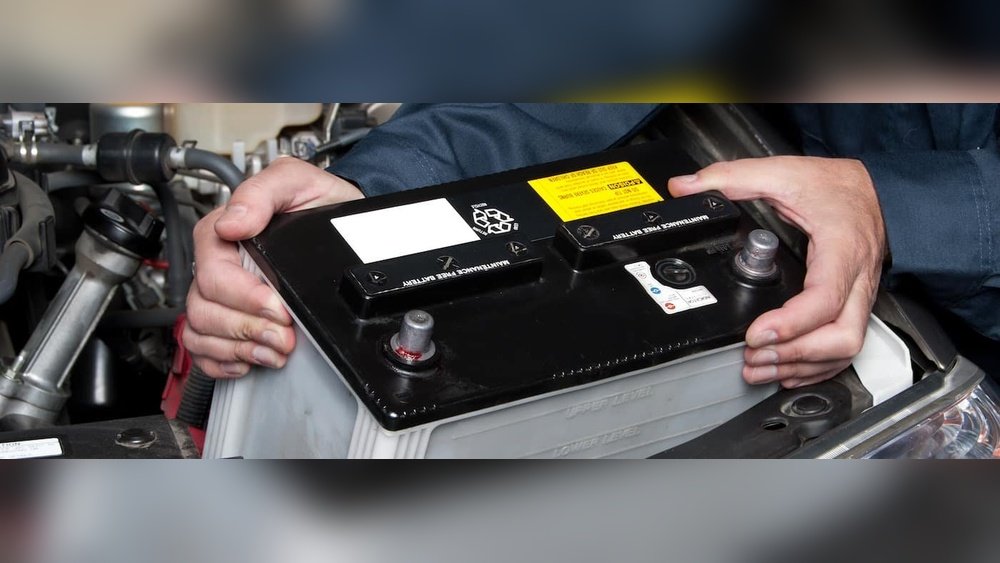
Turn off your car and remove the keys. Always disconnect the negative terminal first. Loosen the bolt and carefully remove the cable. Then disconnect the positive terminal the same way. Avoid touching both terminals at once. Lift the battery out using both hands.
Installing The New Battery
Place the new battery in the tray securely. Connect the positive terminal first and tighten the bolt. Attach the negative terminal last and secure it well. Make sure the cables do not touch each other. Check all connections are tight to avoid issues.
Disposal Of Old Battery
Do not throw the old battery in the trash. Take it to a recycling center or auto shop. Batteries contain harmful chemicals that damage the environment. Recycling helps recover valuable materials safely. Ask local facilities about proper battery disposal rules.
Tips To Extend Battery Life
Extending your car battery’s life saves money and prevents unexpected breakdowns. Simple steps can keep the battery healthy for longer. These tips help maintain power and avoid early replacements.
Regular Maintenance Practices
Check the battery terminals for corrosion. Clean them with a brush and baking soda if needed. Tighten loose connections to ensure good contact. Test the battery voltage regularly with a multimeter. Replace the battery if voltage drops below 12.4 volts. Keep the battery case clean and dry to prevent damage.
Avoiding Short Trips
Short trips do not fully charge the battery. The alternator needs time to recharge after starting the car. Drive at least 20 minutes to restore battery power. Frequent short drives reduce battery life. Combine errands into one longer trip to help the battery recharge fully.
Protecting Battery From Extreme Temperatures
Heat and cold harm battery performance. Park in shaded areas during hot weather to reduce heat exposure. Use a battery insulation kit in cold climates to keep the battery warm. Avoid leaving the car unused for long in extreme weather. Extreme temperatures cause faster battery drain and damage.
Frequently Asked Questions
How Long Does A Car Battery Usually Last?
Most car batteries last between 3 to 5 years. Extreme weather and driving habits can shorten this time. Regular checks help spot problems early.
What Are Signs A Car Battery Needs Changing?
Slow engine crank, dim lights, and warning lights indicate a weak battery. Frequent jump-starts or a swollen battery case also mean replacement is needed.
How Can I Extend My Car Battery’s Life?
Keep battery terminals clean and tight. Avoid short trips that don’t fully charge the battery. Turn off lights and electronics when the car isn’t running.
Is It Safe To Change A Car Battery Myself?
Yes, with the right tools and safety steps, you can change it. Always disconnect the negative terminal first to prevent sparks. If unsure, ask a professional.
Conclusion
Car batteries need regular checks to avoid sudden failures. Change your battery every three to five years for best results. Watch for signs like slow engine starts or dim lights. Keeping the battery clean helps it last longer too. Staying on top of battery care saves time and money.
Don’t wait until your car won’t start. A little effort now keeps your car running smoothly. Remember, a healthy battery means a worry-free drive.