How to Install Freeze Plugs Without Removing Engine: Easy DIY Guide
Are you facing a leak or damage with your freeze plugs but dread the thought of removing your engine? You’re not alone.
Many car owners think taking out the engine is the only way to replace freeze plugs, but that’s not true. You can install freeze plugs without the hassle of a full engine removal. In this guide, you’ll learn simple, step-by-step methods to get the job done efficiently and safely.
Keep reading to save time, avoid costly repairs, and get your engine back in top shape without the headache.
Credit: www.napatexas.com
Tools And Materials Needed
Installing freeze plugs without removing the engine needs the right tools and materials. Proper preparation makes the job easier and safer. Gather everything before starting to avoid delays.
Using the correct tools helps you work efficiently. The right materials ensure the freeze plugs fit and seal properly. Below are the essential tools and materials you will need.
Basic Hand Tools
You need a socket set with ratchet and extensions. A hammer and a punch or drift will help remove old plugs. A flathead screwdriver can assist in prying out the freeze plugs carefully.
Freeze Plug Installation Tools
A freeze plug driver set is useful for pressing new plugs in place. You can use a rubber mallet to tap the plugs gently. A sealant or gasket maker may be required to ensure a tight seal.
Cleaning Supplies
Wire brushes and brake cleaner help clean the plug holes. Use a shop rag to wipe away dirt and grease. Clean surfaces improve plug fit and prevent leaks.
Safety Equipment
Wear gloves to protect your hands from sharp edges and chemicals. Safety glasses shield your eyes from debris. Have a fire extinguisher nearby if using any flammable cleaners.
Replacement Freeze Plugs
Buy freeze plugs that match your engine’s size exactly. Check the material; steel or brass plugs work well. Quality plugs last longer and prevent future leaks.

Credit: www.youtube.com
Locating Freeze Plugs On Your Engine
Freeze plugs are small, round parts found on the engine block’s sides. Knowing their location helps you replace them without taking the engine apart. This saves time and effort during repairs.
Understanding What Freeze Plugs Are
Freeze plugs are small, round metal pieces in the engine block. They seal holes left from the casting process. These plugs help prevent engine damage from freezing coolant. They also allow easy access for cleaning the engine’s inside.
Common Locations Of Freeze Plugs
Freeze plugs sit on both sides of the engine block. You find them near the cylinders and the engine’s bottom. Some appear on the cylinder heads or intake manifold. Their exact spots vary by engine model.
Using Visual Inspection To Find Freeze Plugs
Look for round, flat metal caps on the engine block. They often show signs of rust or coolant stains. Clean the area gently for better visibility. Use a flashlight to check hard-to-see spots.
Referencing Your Vehicle’s Manual
The manual usually shows exact freeze plug locations. It includes diagrams for easy identification. Follow the manual’s guidance carefully. This saves time and prevents damage.
Preparing The Area For Installation
Clear the workspace around the engine to access freeze plugs easily. Remove any dirt, grease, or parts blocking the area for a smooth installation. Ensure good lighting to see clearly while working.
Clear The Workspace
Start by clearing the area around the engine. Remove any tools, debris, or parts that block access. A clean space helps you work faster and safer. It also prevents dirt from entering the engine.
Disconnect The Battery
Disconnect the battery to avoid electrical shocks or shorts. This step is important for your safety. It also stops the engine from starting accidentally.
Drain The Coolant
Drain the coolant from the engine to prevent spills. Use a container to catch the fluid. Properly dispose of or recycle the coolant after draining.
Locate The Freeze Plugs
Find the freeze plugs on the engine block. Use a flashlight if needed. Knowing their exact location makes installation easier.
Clean The Area Around The Freeze Plugs
Clean dirt, rust, and grease from around the plugs. Use a wire brush or sandpaper for stubborn grime. A clean surface ensures a tight seal for the new plugs.

Credit: www.youtube.com
Step-by-step Freeze Plug Installation
Installing freeze plugs without removing the engine is possible with the right tools and steps. This guide shows how to do it safely and correctly. Follow each step carefully to avoid damage to your engine.
Work in a clean area and wear safety gear. Have all tools ready before starting. This method saves time and effort compared to removing the entire engine.
Preparing The Area And Gathering Tools
Start by cleaning the freeze plug area. Remove dirt and rust using a wire brush. This helps the new plug fit better.
Gather tools such as a hammer, punch, socket set, and a new freeze plug. Make sure the new plug matches the size of the old one.
Removing The Old Freeze Plug
Use a punch and hammer to tap the old plug inward. Be gentle to avoid damaging the engine block. Once loose, pull it out with pliers.
Clean the hole thoroughly after removing the plug. Remove all debris for a smooth installation.
Installing The New Freeze Plug
Apply a thin layer of sealant around the edge of the new freeze plug. This ensures a tight seal and prevents leaks.
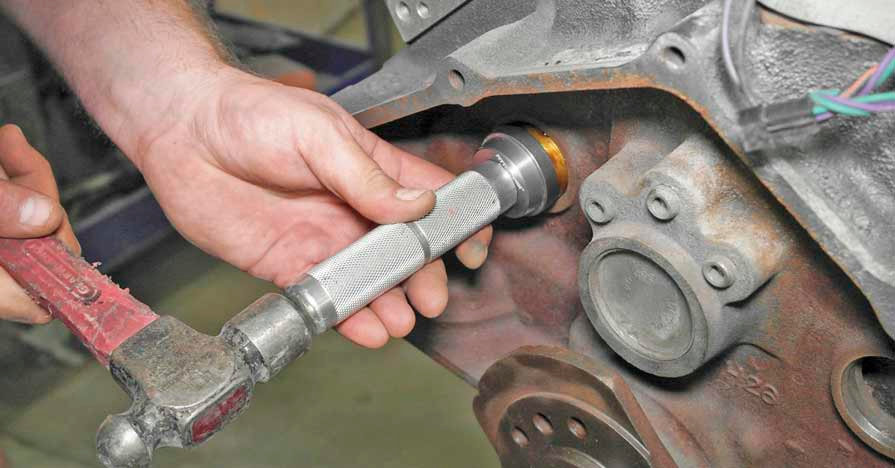
Place the plug into the hole. Use a socket slightly smaller than the plug’s diameter to tap it evenly into place. Tap gently and check fit often.
Final Checks And Cleanup
Check the plug is flush with the engine block surface. Wipe away extra sealant before it dries.
Recheck all tools and clean the workspace. Start the engine and watch for leaks near the new plug.
Tips To Ensure A Secure Seal
Installing freeze plugs without removing the engine saves time and effort. A secure seal is vital to prevent leaks and engine damage. Follow these tips to ensure the freeze plugs fit tightly and last long.
Clean The Plug Hole Thoroughly
Remove all rust, dirt, and old sealant from the hole. Use a wire brush or sandpaper for best results. A clean surface helps the plug fit snugly and seals better.
Choose The Right Size Freeze Plug
Use a plug that matches the hole diameter exactly. A plug too small or too large will not seal properly. Measure carefully before buying the plug.
Apply A Thin Layer Of Sealant
Use a high-temperature sealant around the plug’s edge. This stops coolant from leaking. Avoid using too much sealant, as it can cause fit issues.
Tap The Plug Evenly Into Place
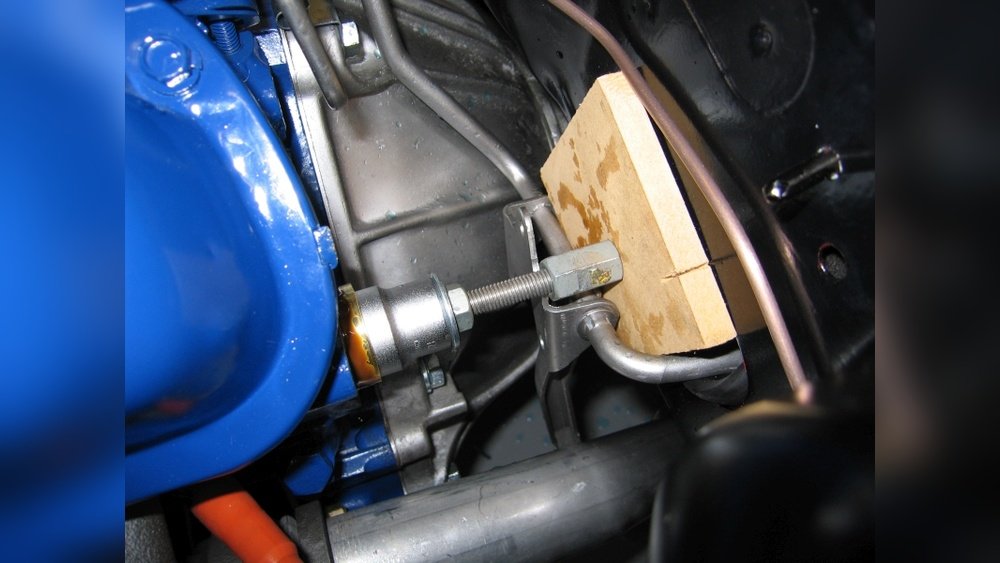
Use a hammer and a block of wood or a special tool. Tap gently and evenly around the plug. This prevents damage and ensures an even seal.
Check For Proper Seating
The plug should sit flush with the engine surface. Check all around the plug for gaps. A properly seated plug keeps the engine coolant where it belongs.
Frequently Asked Questions
How Can I Install Freeze Plugs Without Removing The Engine?
You can install freeze plugs by accessing them through engine openings. Use proper tools like a freeze plug installer and carefully tap the plug into place. No engine removal is needed for most vehicles.
What Tools Are Needed To Install Freeze Plugs Easily?
Essential tools include a freeze plug installer, hammer, and sometimes a sealant. These help place the plug firmly without damage. Avoid makeshift tools to prevent leaks or misalignment.
How Do I Know If A Freeze Plug Is Leaking?
Look for coolant leaks around the freeze plug area or engine block. Overheating or puddles under the car can also indicate leaks. Early detection helps avoid engine damage.
Can I Replace Freeze Plugs On My Own Safely?
Yes, with the right tools and instructions, it is safe to replace freeze plugs yourself. Take safety precautions like wearing gloves and working on a cool engine. If unsure, consult a mechanic.
Conclusion
Installing freeze plugs without removing the engine saves time and effort. Follow each step carefully to avoid mistakes. Use the right tools and take your time. Check for leaks after installation to ensure a good seal. This method helps keep your engine running smoothly.
Remember, patience is key for a successful job. Keep your workspace clean and organized for better results. With practice, this task becomes easier and less stressful.