Can You Use Diesel Engine Oil in a Gasoline Engine: Risks Explained
Have you ever wondered if you can use diesel engine oil in your gasoline engine? It’s a question that might pop up when you’re in a pinch or looking to save money.
But before you pour that diesel oil into your car, you need to know what could happen next. Using the wrong oil might seem like a small mistake, but it can affect your engine’s performance and lifespan. Keep reading to find out the truth, avoid costly damage, and make the best choice for your vehicle’s health.

Credit: blog.amsoil.com
Differences Between Diesel And Gasoline Engine Oils
Diesel and gasoline engines need different types of oils. Each oil suits the engine’s specific needs. Using the wrong oil can harm your engine.
Diesel engine oils are made to handle heavy-duty conditions. Gasoline engine oils focus more on engine cleanliness and smooth running. Understanding these differences helps you choose the right oil.
Viscosity And Thickness
Diesel engine oils are usually thicker than gasoline oils. This thickness helps protect diesel engines under high pressure. Gasoline oils are thinner to help engines start quickly and run smoothly.
Additives And Detergents
Diesel oils contain more detergents. These keep the engine clean from soot and dirt. Gasoline oils have fewer detergents but focus on stopping deposits in fuel systems.
Engine Temperature Needs
Diesel engines run hotter and need oils that resist breakdown. Gasoline engines run cooler, so their oils focus on preventing wear at lower temperatures.
Oil Change Intervals
Diesel oils last longer between changes. They protect engines during long drives and heavy loads. Gasoline oils need more frequent changes to keep engines healthy.

Credit: www.youtube.com
Chemical Composition And Additives
Understanding the chemical composition and additives in engine oils helps explain their specific uses. Diesel engine oil and gasoline engine oil have different formulas. These differences affect engine performance and protection.
Chemical makeup influences how oil handles heat, friction, and wear inside an engine. Additives enhance these properties but vary between diesel and gasoline oils. Using the wrong oil can cause problems.
Chemical Composition Of Diesel Engine Oil
Diesel engine oil contains heavier base oils. These oils handle higher temperatures and pressures. They also resist contamination from soot produced in diesel engines. This keeps the engine cleaner and running smoothly.
Chemical Composition Of Gasoline Engine Oil
Gasoline engine oil uses lighter base oils. These oils flow easier at lower temperatures. They offer good protection against wear and corrosion in gasoline engines. This helps engines start quickly and run efficiently.
Common Additives In Diesel Engine Oil
Diesel oils have strong detergents. These remove soot and prevent sludge buildup. They also include anti-wear additives to protect engine parts. Some additives reduce acid formation from diesel fuel combustion.
Common Additives In Gasoline Engine Oil
Gasoline oils focus on antioxidants to stop oil breakdown. They also contain friction modifiers for smoother engine operation. Corrosion inhibitors protect metal parts from fuel and moisture damage.
Why Additives Matter For Engine Health
Additives improve oil performance and protect engine parts. The right additives match the engine’s fuel type and operating conditions. Using diesel oil in gasoline engines can cause additive imbalance. This may reduce engine protection and oil life.
Performance Requirements For Gasoline Engines
Gasoline engines need oil that meets specific performance standards. These standards help the engine run smoothly and last longer. The oil must protect engine parts and keep them clean. It also needs to handle heat and pressure well. Using the right oil keeps the engine efficient and prevents damage.
Viscosity And Heat Resistance
Gasoline engine oil must have the right thickness to flow easily. It should stay stable at high temperatures. Thin oil can fail to protect engine parts. Thick oil can cause poor fuel economy. The oil must resist breaking down from heat.
Detergent And Cleaning Properties
The oil must keep the engine clean by removing dirt and deposits. Clean oil reduces wear and improves performance. Detergents in the oil stop sludge from forming. This helps the engine run longer and better.
Compatibility With Engine Components
Gasoline engine oil must work well with seals and gaskets. It should not cause leaks or damage. The oil must also protect metal parts from rust and corrosion. Proper oil keeps all engine parts working together smoothly.
Potential Risks Of Using Diesel Oil In Gasoline Engines
Using diesel engine oil in a gasoline engine can cause several problems. Diesel oils are made with different additives and properties. These differences can affect engine performance and life.
Gasoline engines and diesel engines have distinct needs. Choosing the wrong oil might lead to damage or poor engine function. Understanding these risks helps avoid costly repairs.
Incompatible Additive Packages
Diesel oils contain additives designed for diesel combustion. These additives might not suit gasoline engines. They can cause sludge buildup and deposits in the engine.
Gasoline engines require oils with additives that control deposits differently. Using diesel oil might reduce oil effectiveness in cleaning the engine.
Incorrect Viscosity Levels
Diesel oils often have higher viscosity than gasoline oils. Thick oil can reduce fuel efficiency and increase engine wear. Thin oil might not protect diesel engines well, but thick oil can harm gasoline engines.
Viscosity affects oil flow and engine lubrication. Using diesel oil in gasoline engines can cause poor oil circulation and overheating.
Reduced Fuel Economy
Diesel oil’s thicker nature increases engine drag. This leads to higher fuel consumption in gasoline engines. The engine works harder, reducing overall mileage.
Fuel economy drops because the oil does not match the engine’s design. Proper oil helps maintain smooth engine operation and better mileage.
Possible Engine Deposits And Wear
Diesel oil additives may leave harmful deposits in gasoline engines. These deposits block oil passages and reduce engine life. Engine parts can wear faster due to inadequate lubrication.
Over time, deposits harm engine components like valves and pistons. This increases maintenance costs and risks engine failure.
Impact On Engine Components And Longevity
Using diesel engine oil in a gasoline engine can affect the engine parts and how long the engine lasts. Diesel oils have different formulas made for diesel engines, which work differently from gasoline engines. These differences can cause problems for engine parts.
Gasoline engines need oils that clean well and flow easily at higher temperatures. Diesel oils may not meet these needs. This mismatch can cause wear and tear on engine parts. Over time, this can reduce the engine’s life.
Lubrication Quality And Wear Protection
Diesel engine oils often have thicker formulas. This thickness can slow oil flow in gasoline engines. Slow oil flow means parts get less protection. Metal parts might rub more, causing faster wear. The engine may suffer from increased friction and damage.
Impact On Engine Seals And Gaskets
Seals and gaskets in gasoline engines need oil that matches their materials. Diesel oils contain additives that can swell or shrink these parts. This may cause leaks. Leaking oil lowers engine efficiency and risks damage.
Effect On Engine Cleanliness
Gasoline engine oils have detergents to keep engines clean. Diesel oils often have stronger additives for soot control. These additives can cause sludge buildup in gasoline engines. Sludge blocks oil passages, reducing lubrication and causing engine wear.
Oxidation And Engine Longevity
Gasoline engines run at higher temperatures. Diesel oils may not resist oxidation well in this heat. Oxidation makes oil thick and less effective. Thick oil clogs filters and harms engine parts. This shortens engine life and increases repair costs.

Credit: www.youtube.com
Manufacturer Recommendations And Warranty Concerns
Manufacturer recommendations guide the proper oil choice for engines. Following these rules keeps engines healthy and running well. Using the wrong oil type may cause engine problems and affect warranty coverage.
Car makers design engines with specific oil needs. Diesel engine oil and gasoline engine oil have different formulas. These differences matter for engine protection and performance. Ignoring the manufacturer’s advice can cause damage over time.
Understanding Manufacturer Oil Specifications
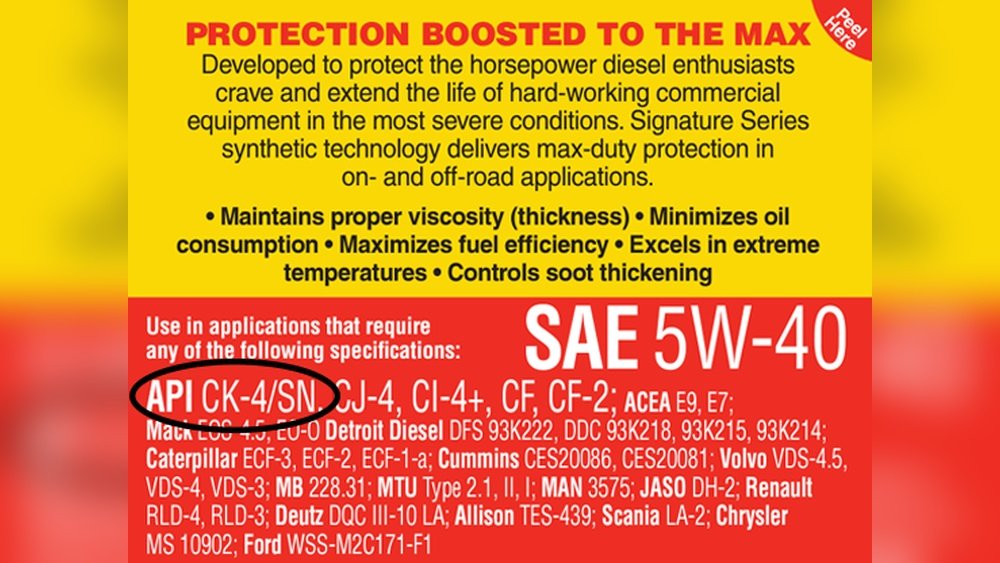
Manufacturers list oil specs in the owner’s manual. These specs include viscosity and performance standards. Gasoline engines usually require oils with different additives than diesel engines. Using oil that meets the right specs helps avoid engine wear.
Impact On Vehicle Warranty
Using diesel engine oil in a gasoline engine may void the warranty. Warranty covers damage if the right oil is used. Using the wrong oil might mean repair costs come out of your pocket. Always check the warranty terms before changing oil types.
Advice From Car Makers
Car makers advise sticking to recommended oils. Some modern engines need oils with specific certifications. Diesel oils might lack these certifications for gasoline engines. Following advice protects your engine and your wallet.
Safe Alternatives And Best Practices For Engine Oil
Choosing the right engine oil keeps your car running smoothly. Using the wrong oil can cause damage. Diesel engine oil and gasoline engine oil have different formulas. Diesel oil is thicker and designed for different engines. Gasoline engines need oil that handles higher speeds and temperatures.
Safe alternatives and best practices help protect your engine. Knowing what oil to use extends engine life. Let’s explore the best options and tips for engine oil.
Use Oil That Meets Manufacturer Specifications
Always check your vehicle’s manual for oil type. Manufacturers list the exact oil grade and standards. Using oil that meets these specs ensures proper protection. Diesel oil often has additives not needed in gasoline engines. These can harm your engine or reduce performance.
Choose Multi-grade Oils For Versatility
Multi-grade oils work well in many conditions. They adapt to temperature changes and engine demands. A good multi-grade oil can protect both cold starts and hot runs. Pick oils labeled for gasoline engines with the right viscosity. This avoids problems caused by using diesel oil.
Regular Oil Changes Keep Engines Healthy
Changing oil regularly removes dirt and metal particles. Old oil loses its ability to lubricate and cool. Following the recommended oil change schedule helps prevent engine wear. Clean oil keeps engine parts moving smoothly. It also improves fuel efficiency and reduces emissions.
Consult A Professional For Oil Recommendations
Car experts can suggest the best oil for your engine. They consider your driving habits and climate. Some oils work better in cold or hot weather. Mechanics can spot if your engine needs special oil types. Their advice helps avoid costly mistakes with wrong oils.
Frequently Asked Questions
Can Diesel Engine Oil Damage A Gasoline Engine?
Diesel engine oil is thicker and made for high-pressure engines. Using it in a gasoline engine may cause poor performance or damage over time.
Is Diesel Engine Oil Safe For Gasoline Engines?
Diesel engine oil is not ideal for gasoline engines because it lacks some additives needed. It may not protect the engine properly.
What Are The Risks Of Using Diesel Oil In Gasoline Cars?
Using diesel oil can lead to reduced fuel efficiency, increased engine wear, and possible deposit buildup. It may shorten engine life.
Can Mixing Diesel And Gasoline Engine Oils Cause Problems?
Mixing oils can reduce their effectiveness and cause engine issues. Always use the oil type recommended by your vehicle’s manufacturer.
Conclusion
Diesel engine oil and gasoline engine oil serve different purposes. Using diesel oil in a gasoline engine can cause problems. It may not protect the engine properly or cause deposits. Always choose the right oil for your engine type. Check your car’s manual or ask a mechanic.
Proper oil keeps your engine running smoothly and lasts longer. Avoid mixing oils to keep your engine healthy. It’s a small step that saves money and prevents damage. Choose wisely and care for your vehicle every day.