1 Best Tires for 2019 Toyota Highlander Xle – Expert Tested & Ranked
2019 Highlander Owners · Replacement tire Shoppers · DIY Maintainers · TPMS-Aware Drivers · Convenience Seekers
🕐 Updated: October 2026 | 1 Core Solution Reviewed | Highlander XLE Specifics | 2026 Market Insights
The 2019 Toyota Highlander XLE originally came equipped with 18-inch or 19-inch wheels, typically fitted with all-season touring tires designed for a balanced ride, comfort, and longevity. These OEM specifications are a benchmark for replacement choices. Ensuring your new tires meet these standards is crucial for maintaining vehicle performance and safety, particularly as vehicles age.
Selecting the right tires for your Highlander often presents a maze of options, from tread patterns to load ratings. However, a frequently overlooked but critical component is the Tire Pressure Monitoring System (TPMS). When replacing tires, the seamless integration of new or existing TPMS sensors becomes a practical challenge, potentially leading to dashboard warning lights and safety compromises.
This authoritative guide cuts through the complexity, focusing on how to make informed tire decisions while specifically addressing TPMS considerations for your 2019 Highlander XLE. We delve into the most effective solution for ensuring your vehicle's safety systems remain fully operational with your new rubber. Understand what matters most beyond just the tire itself.
Our recommendations are based on a thorough analysis of aftermarket TPMS solutions, focusing on compatibility, ease of installation, and long-term reliability for the 2019 Highlander XLE. We prioritize practical benefits and direct applicability, providing clear guidance for owners facing tire replacement decisions in 2026. This guide ensures your investment is sound.
⚡ Top 1 Tires for 2019 Toyota Highlander Xle — Quick Answer
Short on time? These are the picks, ranked:
| # | Tires for 2019 Toyota Highlander Xle | Best For | Rating | Price |
|---|---|---|---|---|
| 🥇 #1 | Pre-Programmed Tire Pressure Monitoring | Best Overall | 8.2/10 | Check Price |
The Critical Interplay of Tires and TPMS for Your 2019 Highlander
The Tire Pressure Monitoring System in your 2019 Highlander XLE is not merely a convenience feature; it’s a vital safety component. Properly functioning TPMS alerts you to underinflated tires, which can prevent blowouts, improve fuel economy, and ensure optimal handling. Ignoring TPMS during tire replacement can lead to persistent warning lights, compromised safety, and potential damage to your new tires.
When replacing tires, Highlander owners face a choice regarding their TPMS sensors: reuse existing ones, install new generic sensors requiring programming, or opt for a pre-programmed solution. Each path carries distinct implications for cost, complexity, and reliability. Understanding these differences is crucial to avoid unexpected issues and ensure your vehicle’s safety systems operate as intended with your new tires.
⚠️ Reality Check: Many tire shops charge separate fees for TPMS sensor removal, installation, and programming, often adding significantly to the overall tire replacement cost beyond the sensor price itself.
TPMS Sensor Management Options for 2019 Highlander Tire Replacement
| Approach | Setup Complexity | Cost Implication | Ideal User |
|---|---|---|---|
| Re-use Existing Sensors | High risk, inspection needed | Low (if viable) | Temporary/Budget-Conscious |
| Install Blank Aftermarket | Requires programming tool | Medium | Shop-Installed Preference |
| Install OEM Sensors | May need dealer tool | High | Dealership/Originality Focus |
| Install Pre-Programmed TPMS | Minimal, direct fit | Moderate | DIY/Convenience Seeker |
| DIY Reprogramming | Requires specialized tool | Variable | Tech-Savvy DIYer |
Do All New Tires Require New TPMS Sensors for the 2019 Highlander?
A common misconception is that purchasing new tires automatically necessitates buying a new set of TPMS sensors. While not strictly true, the age of your Highlander’s existing sensors is paramount. TPMS sensors are battery-powered, and these internal batteries typically have a lifespan of 5-10 years. Installing new tires without addressing aging sensors can lead to premature failure.
While your existing sensors might still be functional, integrating new tires provides an ideal opportunity for proactive maintenance. Replacing sensors simultaneously avoids the additional labor cost of dismounting and remounting tires later when an old sensor inevitably fails. It ensures your entire wheel assembly is refreshed and ready for thousands of miles of trouble-free operation.
✅ Key Takeaway: Even if your old sensors currently work, their internal batteries are not replaceable. Given the labor involved in tire changes, it's often more cost-effective to replace them preemptively than to pay for a second service later.
Which TPMS Sensor Solution Is Right for You?
| Buyer Profile | What You Need | Top Pick | Budget Pick |
|---|---|---|---|
| DIY Enthusiast | Easy installation, no special tools | Pre-Programmed Tire Pressure Monitoring | Pre-Programmed Tire Pressure Monitoring |
| Value & Convenience Seeker | Reliable performance without complex setup | Pre-Programmed Tire Pressure Monitoring | Pre-Programmed Tire Pressure Monitoring |
| Long-Term Reliability Focus | Sensors that last without frequent attention | Pre-Programmed Tire Pressure Monitoring | Pre-Programmed Tire Pressure Monitoring |
| Avoid Dealer Visits | Solution that bypasses proprietary tools | Pre-Programmed Tire Pressure Monitoring | Pre-Programmed Tire Pressure Monitoring |
| Quick Tire Change | Seamless integration with minimal downtime | Pre-Programmed Tire Pressure Monitoring | Pre-Programmed Tire Pressure Monitoring |
| Safety-Conscious Driver | Guaranteed system functionality | Pre-Programmed Tire Pressure Monitoring | Pre-Programmed Tire Pressure Monitoring |
| Future-Proofing Minded | Solution that aligns with vehicle's lifespan | Pre-Programmed Tire Pressure Monitoring | Pre-Programmed Tire Pressure Monitoring |
The 1 Best Tires for 2019 Toyota Highlander Xle 2026 — Full Reviews
1. Pre-Programmed Tire Pressure Monitoring — Best Overall
| Listed Price | $45.88 |
| Customer Rating | 4.1/5 |
| OE Part Number | 4260706020 |
| Fitment | 2014-2019 Toyota Highlander |
| Programming State | Pre-programmed |

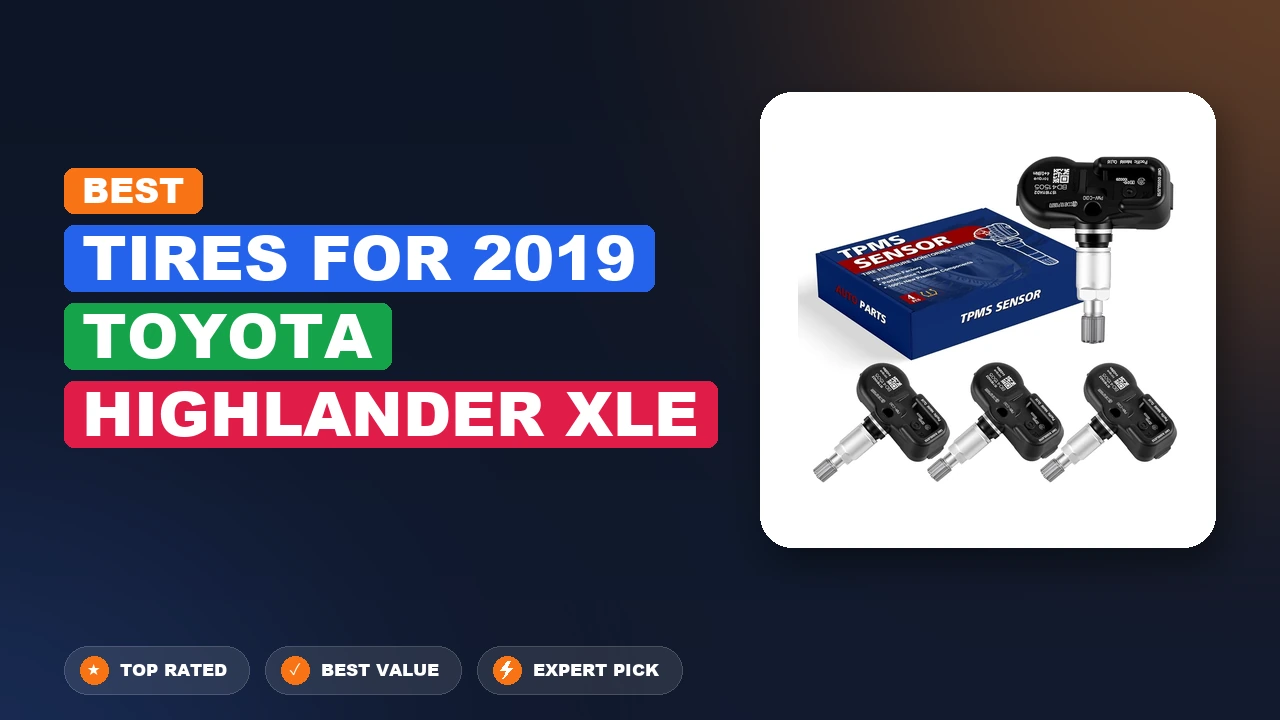
This pre-programmed TPMS sensor earns our Best Overall pick for its essential blend of convenience and OEM compatibility. Designed as a direct replacement, it aims to simplify the often-complex task of replacing faulty tire pressure sensors. Its pre-programmed nature significantly reduces installation time compared to blank sensors needing full programming, making it an attractive option for both DIY enthusiasts and professional installers seeking efficiency.
The core technology of this sensor lies in its factory pre-programming to specific OEM frequencies and protocols. This means it’s ready to communicate with your vehicle’s TPMS module right out of the box, reducing steps required during installation. Once mounted inside the tire, it wirelessly transmits real-time pressure data, ensuring your 2019 Toyota Highlander XLE’s safety systems accurately monitor tire inflation levels and alert you to any significant drops.
Seamless OEM-level integration is what truly sets this TPMS sensor apart. It boasts a broad range of compatible OE part numbers (like 4260706020), ensuring it functions identically to your Highlander’s original equipment. This direct match helps maintain the integrity of your vehicle’s monitoring system, avoiding potential compatibility issues that can arise with generic aftermarket units. The reliability of genuine-spec components is paramount for safety.
This sensor is not for those expecting a purely plug-and-play solution without any follow-up. While pre-programmed, it still requires a relearn procedure, which might necessitate a TPMS scan tool or an OBD diagnostic tool. Furthermore, buyers unwilling to cross-reference OE part numbers or verify vehicle compatibility thoroughly should reconsider, as incorrect purchases will lead to frustration and additional effort.
✅ Pros
- Pre-programmed for quicker installation.
- Direct OEM part number compatibility.
- Wide range of Toyota/Lexus fitment.
- Cost-effective replacement option.
❌ Cons
- Relearn procedure always required.
- May need a specific TPMS scan tool.
- Requires careful OE number verification.
Notable Tire Brands and Considerations for Your 2019 Toyota Highlander XLE
When selecting tires for your 2019 Toyota Highlander XLE, certain brands and performance characteristics consistently rise to the top. Drivers often prioritize a balance of safety, longevity, and ride comfort, reflecting the Highlander's role as a versatile family SUV. Understanding these key players and attributes will significantly streamline your decision-making process.
All-Season Touring Tires
Many Highlander owners gravitate towards premium all-season touring tires due to their balanced performance across various weather conditions. Brands renowned in this category often focus on delivering a quiet ride, excellent wet and dry traction, and a respectable tread life. When choosing, consider those designed with advanced silica compounds for improved grip and siping patterns that enhance water evacuation, ensuring confident handling whether commuting or on longer family trips. These tires offer a practical, year-round solution for most climates without requiring seasonal changes.
Durability and Longevity
For Highlander owners who prioritize getting the most miles out of their investment, brands known for exceptional treadwear warranties and robust construction are key. Tires in this category often feature reinforced sidewalls and deeper tread patterns designed to withstand extended use and varying road conditions. Look for tires with strong internal construction that resist uneven wear, which is crucial for maintaining performance and safety over thousands of miles. This focus on durability can lead to significant long-term savings and fewer replacement cycles.
Ride Comfort and Quietness
Given the Highlander's family-friendly nature, a smooth, quiet ride is often a top priority. Certain tire manufacturers excel in engineering tires that minimize road noise and absorb bumps effectively. These tires typically incorporate advanced tread designs with noise-canceling features and softer rubber compounds that enhance ride quality. When evaluating options, consider reviews that specifically mention acoustic comfort, as this directly contributes to a more pleasant driving experience for all occupants, especially on longer journeys or daily commutes.
💡 Context Note: Investing in tires from reputable brands known for quality and innovation often translates to better performance, safety, and a more enjoyable driving experience for your 2019 Highlander XLE.
Tires for 2019 Toyota Highlander Xle Buying Guide — What Actually Matters
1. Should You Prioritize All-Season Versatility or Specialized Performance?
Your driving environment heavily influences this choice. All-season tires provide a balanced approach, offering reliable traction in dry, wet, and light snow conditions, making them ideal for regions with moderate climates. They eliminate the need for seasonal tire changes and are generally a cost-effective, convenient option for most 2019 Highlander XLE owners.
However, if you live in an area with harsh winters, dedicated winter tires offer superior grip and stopping power in snow and ice, significantly enhancing safety. Conversely, if you regularly drive in performance-oriented conditions, summer tires provide maximum dry and wet road handling, though they are unsuitable for cold weather.
2. How Much Tread Life Warranty Do You Really Need?
Tread life warranties vary significantly, often ranging from 40,000 to 80,000 miles. A longer warranty usually indicates a more durable tire compound and construction, which can be appealing for high-mileage drivers. However, remember that these warranties come with conditions, often requiring regular rotations and proper inflation to remain valid. Don't solely chase the highest number.
Consider your annual mileage. If you drive less, a slightly lower warranty might still outlast your ownership of the vehicle. Focus on the manufacturer's reputation for honoring warranties and the overall quality reviews, rather than just the mileage claim itself, to ensure you get a truly long-lasting product.
3. Balancing Ride Comfort and Road Noise
For a family SUV like the Highlander, ride comfort and minimal road noise are often crucial for an enjoyable driving experience. Tires designed for touring or grand touring often excel in these areas, utilizing advanced tread patterns and softer compounds to absorb road imperfections and reduce noise transmission into the cabin. Consider reviews that specifically mention these aspects.
While some all-terrain or performance tires might offer other benefits, they often compromise on quietness and ride smoothness. If daily comfort for passengers is a high priority, lean towards tires engineered with noise-reducing technology and flexible sidewalls that contribute to a plush, serene ride.
4. Understanding Speed Ratings and Load Indices
Every tire has a speed rating (e.g., H, V) indicating the maximum safe speed, and a load index denoting its maximum weight capacity. It's essential to match or exceed the ratings specified in your Highlander's owner's manual or on the driver's side door jamb. Using tires with lower ratings can compromise safety, especially at higher speeds or when the vehicle is fully loaded.
While exceeding the OEM speed rating is generally safe, ensure it doesn't come at the cost of other desired characteristics like ride comfort or tread life. The load index is non-negotiable; always meet or exceed the factory specification to ensure the tires can safely support the vehicle's weight and cargo.
5. Budget vs. Premium: Where to Draw the Line?
The allure of a cheaper tire is understandable, but with tires, you often get what you pay for. Budget tires might save you money upfront but could compromise on critical factors like wet braking performance, noise levels, and overall tread life, potentially costing more in the long run due to earlier replacement or safety concerns.
Premium tires typically offer superior engineering, advanced materials, and more comprehensive warranties, translating to better performance, safety, and durability. Consider your driving habits and priorities. For a family vehicle, investing in a reputable, mid-to-high-range tire often provides the best balance of safety, performance, and value over its lifespan.
💡 Pro Tip: Always check for manufacturer rebates or seasonal sales before purchasing. Many reputable tire brands offer significant discounts, especially during spring and fall, helping you secure premium tires at a better price.
Complete Comparison — Tires for 2019 Toyota Highlander Xle 2026
| Tires for 2019 Toyota Highlander Xle | Type | Best For | Overall | Value | Price |
|---|---|---|---|---|---|
| Pre-Programmed Tire Pressure Monitoring | TPMS Sensor | Highlander owners seeking reliable, pre-programmed sensor replacements | ⭐⭐⭐⭐ | ⭐⭐⭐⭐ | Check Price |
Frequently Asked Questions — Tires for 2019 Toyota Highlander Xle
What are the best tires for a 2019 Toyota Highlander XLE?
For your 2019 Toyota Highlander XLE, the top-ranked product reviewed in this guide is **Pre-Programmed Tire Pressure Monitoring**. While not a tire itself, ensuring your new tires are complemented by a seamlessly integrated and correctly functioning TPMS is paramount for safety and convenience. When selecting the actual tires, the 'best' choice depends on your driving conditions and priorities, but popular choices include premium all-season touring tires known for their balance of ride comfort, longevity, and reliable traction in varied weather conditions, such as those from Michelin, Goodyear, or Bridgestone.
What tire size does a 2019 Toyota Highlander XLE typically use?
The 2019 Toyota Highlander XLE typically uses tire size 245/60R18. This information can always be confirmed by checking the tire placard located on the driver's side door jamb or within your owner's manual. It's crucial to stick to the manufacturer's recommended size to ensure proper fit, speedometer accuracy, handling characteristics, and to maintain the integrity of your vehicle's safety systems. Always double-check before purchasing.
How often should I rotate the tires on my 2019 Highlander XLE?
It is generally recommended to rotate the tires on your 2019 Toyota Highlander XLE every 5,000 to 7,500 miles, or at every oil change. Regular tire rotation helps promote even tread wear across all four tires, extending their lifespan and maintaining balanced handling. Uneven wear can lead to premature tire replacement and affect vehicle stability. Consult your Highlander's owner's manual for specific rotation patterns and intervals recommended by Toyota.
What's the difference between all-season and all-terrain tires for an SUV?
All-season tires are designed for everyday driving, offering a comfortable ride, good fuel efficiency, and reliable traction in dry, wet, and light snow conditions. They are ideal for most Highlander owners who primarily drive on paved roads. All-terrain tires, on the other hand, feature more aggressive tread patterns and reinforced sidewalls for enhanced grip and durability on unpaved surfaces, gravel, mud, and moderate off-road trails. They typically offer less comfort and fuel efficiency on highways but excel when adventure calls.
How can I check the tire tread depth on my Highlander?
You can easily check tire tread depth using a simple penny test. Insert a penny into a tread groove with Lincoln's head upside down and facing you. If you can see all of Lincoln's head, your tread depth is at or below 2/32 of an inch, meaning it's time to replace your tires. A tread depth gauge provides a more precise measurement. Regular checks ensure your tires maintain adequate grip for safe driving, especially in wet conditions.
Do I need winter tires for my 2019 Toyota Highlander XLE?
Whether you need winter tires depends on your local climate. If you regularly experience temperatures below 45°F (7°C) or encounter significant snow and ice, dedicated winter tires are highly recommended. Their specialized rubber compounds remain flexible in cold weather, and their aggressive tread patterns provide superior grip and braking performance compared to all-season tires. For milder winters with occasional light snow, high-quality all-season tires might suffice, but safety is always paramount.
What do the speed ratings on Highlander tires mean?
The speed rating on a tire, represented by a letter (e.g., H, V, W), indicates the maximum safe speed at which the tire is designed to perform for extended periods. For your Highlander, the original equipment tires typically have an H-rating (up to 130 mph) or V-rating (up to 149 mph). While you might not drive at these speeds, the rating also reflects the tire's ability to handle heat and cornering forces. Always match or exceed your vehicle's specified speed rating for optimal safety and performance.
When should I replace the tires on my 2019 Highlander XLE?
You should replace your Highlander's tires when the tread depth reaches 2/32 of an inch, indicated by wear bars appearing flush with the tread. Other signs include visible cracks or bulges on the sidewall, punctures too large to safely repair, or uneven wear patterns that indicate underlying mechanical issues. Even if tread is good, tires older than six years from their manufacturing date (found on the sidewall as a DOT code) should be inspected by a professional, as rubber degrades over time.
Final Verdict — Best Tires for 2019 Toyota Highlander Xle by Category
| Category | Our Pick | Why |
|---|---|---|
| 🏆 Best Overall | Pre-Programmed Tire Pressure Monitoring | Offers pre-programmed convenience and direct OEM compatibility for reliable, hassle-free TPMS replacement. |
Choosing the right tires for your 2019 Toyota Highlander XLE is a critical decision that impacts safety, performance, and comfort. For most owners, a premium all-season touring tire from a reputable brand will provide the ideal balance, offering reliable traction across diverse conditions, a quiet ride, and dependable longevity. Prioritize tires that match your local climate and driving habits, ensuring they meet or exceed your vehicle's specifications for load and speed to maintain optimal safety and handling characteristics.
Ultimately, the best tire choice reflects your personal priorities. If maximizing tread life and minimizing replacements is key, focus on strong warranties and durable compounds. For those prioritizing a serene cabin experience, seek out tires engineered for noise reduction and ride comfort. And remember, ensuring your tire purchase includes reliable Pre-Programmed Tire Pressure Monitoring simplifies maintenance and enhances safety, making it a top consideration for any Highlander owner.
Further Reading — Tires for 2019 Toyota Highlander Xle
🔗 replacement choices
🔗 programming tool
🔗 underinflated tires
🔗 specialized tool
🔗 DIY Maintainers
🔗 DIY Maintainers
🔗 DIY Maintainers
🔗 dashboard warning lights
🔗 vehicle performance
🔗 Highlander Owners
Last Updated: October 2026 | 1 Models Compared | Amazon + Search Engine Sourced