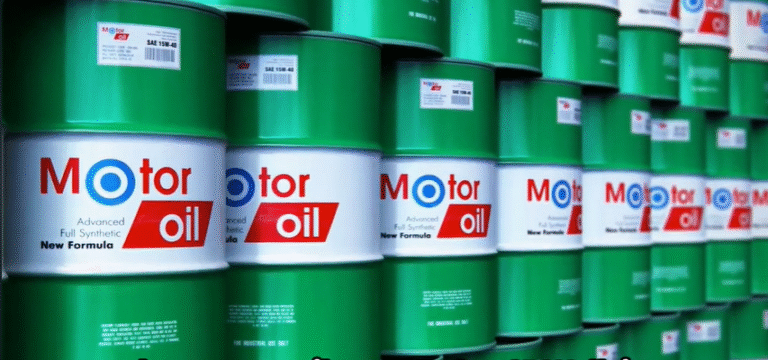
Does Your Engine Need to Be Cold to Check Oil?
No, your engine does not need to be cold to check the oil. You can check the Oil when the engine is hot or cold.
If you’re like most people, you probably check your car’s oil level when the engine is cold. But did you know that checking your oil level when the engine is hot can actually give you a more accurate reading? Here’s why: When your engine is cold, oil has had a chance to settle to the bottom of the oil pan.
This means there’s less oil circulation, so the oil level on the dipstick will appear lower than it actually is. On the other hand, when your engine is hot, the oil is thinner and evenly distributed throughout the engine. This means that checking your oil level when the engine is hot will give you a more accurate reading.
So next time you go to check your car’s oil level, make sure to do it when the engine is nice and warm!
Why is It Important to Check Your Oil Level Regularly
It is important to check your oil level regularly for a few reasons. First, it helps you keep track of how much oil is in your engine and whether you need to add more. Second, it can help you spot any leaks in your engine.
Third, it can help prevent engine damage by keeping the Oil at the Oilper level. Fourth, it can improve your fuel economy by properly lubricating the engine. Finally, it can extend your engine’s life by preventing wear and tear on its internal parts.
What are the Consequences of Running Low on Oil
Few things are as essential to modern life as Oil. It’s a major source of energy for transportation, Oil, and electricity generation. It’s also used in the production of plastics, chemicals, and other materials.
But Oil is a finite oil source. It takes millions of years for Oil to Form, and once it’s gone, it’s gone forever. The world is already running low on oil; the consequences could be disastrous.
Here are some of the ways the world could be affected by a shortage of oil. Oilonomic Collapse – Oil is essential to the global economy. Without it, transportation would grind to a halt, factories would close down, and economies would collapse.
A sudden oil shortage could cause widespread panic and chaos. 2. Environmental Destruction – Oil extraction is responsible for pollution and climate change. A lack of oil would end his environmental destruction, but it would also end our modern way of life.
We rely on oil for everything from powering our cars to producing food; without it, we would have to find alternative sources of energy and return to a more sustainable way of living. This could be positive for the environment, but difficult for humanity as a whole to adjust to. 3
Wars & Conflict – Many wars have been fought over access to oil resources (think Iraq & Kuwait). With supplies dwindling, the risk of conflict increases exponentially.
How Do You Know If Your Engine Is Low on Oil
If your engine is low on oil, here are a few things you can do to address it. First, check the oil level on the dipstick. If it’s below the minimum line, then your engine is low on oil.
Another way to tell is if your car’s oil is making an orange noise. If you hear tapping or knocking sounds coming from the engine, it could be because there isn’t enough oil lubricating it. You may also notice that our car’s oil level has decreased or that it’s taking longer to start.
If you suspect your engine is low on Oil, take it to a mechanic to have it checked and oiled.
What Should You Do If You Think Your Engine Is Low on Oil
If you think your engine is low on Oil, the best thing to do is check the oil level and add oil if needed. If the problem persists, it’s a good idea to take your car to a mechanic for a checkup.
Should I check my oil when the engine is hot or cold
Why Check Engine Oil When the Oil Is Warm Oil
If you’re wondering why you should check your engine oil when it’s warm, here’s the answer: it helps ensure an accurate reading. Cold Oil is thicker and doesn’t flow as easily, so check it when it warms to give you a more accurate idea of its level. Plus, if there are any leaks, they’ll be easier to spot when the oil is Oilhinner.
So next time you’re thinking about skipping oil because it’s too cold outside, remember that checking it when it’s warm is best for both your engine and your peace of mind.
When Should You Check Your Engine Oil Level
If your vehicle has an internal combustion engine, it is important to check your engine oil level regularly. Not enough oil in your engine can cause serious damage, and too much oil can be just as detrimental. The best way to know how often to check your oil level is to consult your car’s owner’s manual.
As a general rule, most mechanics recommend checking your oil at least once a month or every 3,000 miles, whichever comes first.. Oil checking is an easy process that only takes a few minutes. First, make sure the car is parked on level ground and that the engine is off.
Next, locate the dipstick (usually it has a yellow handle) and pull it out. Wipe off any dirt or grime from the dipstick with a clean rag, then reinsert it all the way back into the tube. Now pull the dipstick out again and check where the oil line falls on the stick.
If it falls between the two marks or hash marks on the dipstick, then your oil level is fine and you don’t need to add any additional oil. If it falls below those marks, then you will need to add some more oil until it reaches the correct level. Pour new oil into the Oil opening where you removed the dipstick until you reach the correct Oil level – do not overfill!
– ThOilscrew on the cap tightly and dispose of any used oil properly
Do You Check the Oil in your car on or off
If you’re an Oil owner, it’s important to know how to check your vehicle’s oil level. This simple task can help extend your car’s life and prevent major problems down the road. But what’s the best way to check your oil level?
Should you do it with the car on or off? Here’s a look at the pros and cons of each method: Checking Oil in the Car On:
The main advantage of checking your oil is that it gives you a more accurate reading. When the engine is off, oil settles in different areas, giving you a false indication of how much is actually in there—so check the oil gauges to make sure all the oil circulates properly and you’re getting an accurate reading. Another benefit of checking your oil while the engine is running is that it lets you see any leaks. If there’s an issue with your gaskets or sea Oil, you may see some seepage while the engine is running (but not when it’s off). This can help identify potential problems so they can be fixed before they cause serious damage.
Does Oil Level Go Down When Hot
As anyone who’s ever checked their car’s oil level knows, the amount of oil in an engine can fluctuate for several reasons. One common question is whether the oil level goes down when the engine is hot. The answer to this question isn’t as straightforward as you might think.
In some cases, the oil level will drop when the engine is hot, while in others it will remain the same or even increase slightly. So why does this happen? It all has to do with how much oil the engine is actually using.
When an engine is cold, it uses less oil because its parts move more slowly. The engine warms up; however, oil parts start moving faster and require more oil lubrication. This increased demand can cause the oil level to drop slightly.
In some cases, though, an increase in temperature can actually raise the oil level slightly. This happens when there’s excess condensation in the oil engine due to lower engine oil temperatures earlier in the day (more likely in winter). As the temperature rises, this condensation turns into steam and escapes from the engine, taking some of the oil with it and raising the level slightly.
Of course, oil fluctuations are usually pretty small and nothing to worry about – your car’s dipstick should still give you a good indication of whether you need to add more oil. IOilou are unsure, consult the owner’s manual for how often to check your car’s oil level and what constitutes a “full” tank.
Conclusion
Many people believe that their engine needs to be cold to check the oil level. However, this is not the Oilsee!
You can check your oil level at any time, regardless of your engine’s temperature.