Should You Replace Ignition Coils When Replacing Spark Plugs? Expert Advice
When you’re replacing your spark plugs, you might wonder if you should also replace your ignition coils. It’s a question that can save you time, money, and headaches down the road.
Ignition coils play a big role in how your engine runs, and ignoring them could lead to bigger problems. You’ll discover why replacing ignition coils with your spark plugs might be a smart move—and when it’s better to hold off.
Keep reading to make sure you get the most out of your car’s performance and avoid costly repairs.
Role Of Ignition Coils And Spark Plugs
Ignition coils and spark plugs are key parts of a car’s engine. They work together to start the engine and keep it running smoothly. Understanding their roles helps decide if both parts need replacement at the same time.
The ignition coil turns the car’s battery power into a high voltage. This voltage is needed to create a spark. The spark plug uses this spark to ignite the air-fuel mix inside the engine cylinder. This ignition causes the engine to run.
What Does The Ignition Coil Do?
The ignition coil acts like a transformer. It changes low voltage from the battery into a very high voltage. This high voltage travels to the spark plug. Without the ignition coil, the spark plug cannot create a spark.
How Do Spark Plugs Work?
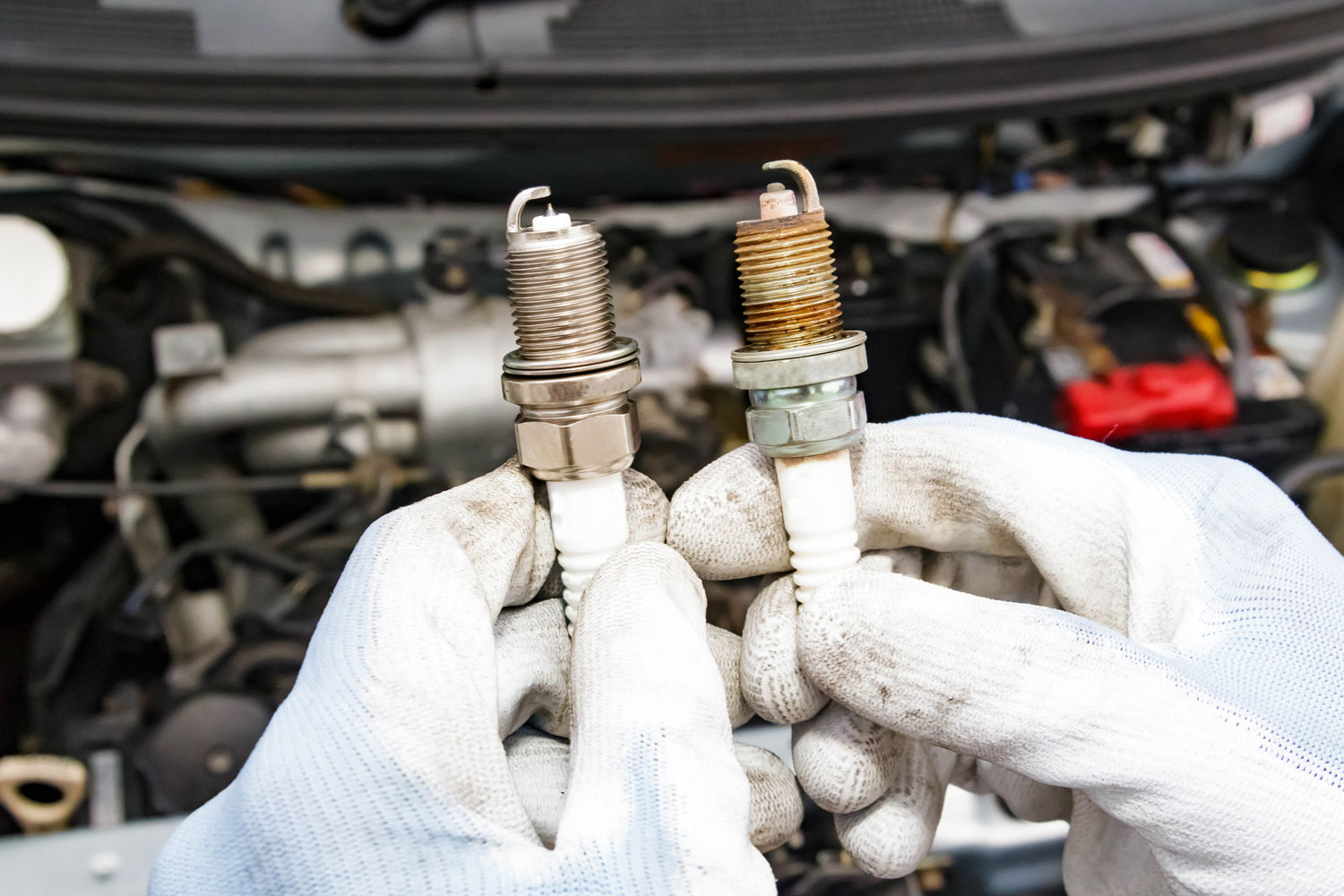
Spark plugs create sparks inside the engine. The spark lights the fuel and air mix in the cylinder. This ignition powers the engine’s movement. Worn spark plugs cause poor engine performance.
Connection Between Ignition Coils And Spark Plugs
Both parts depend on each other. The coil sends power, and the spark plug uses it. If one fails, the engine may misfire or stop running. Keeping both parts in good shape helps the engine run well.
Credit: www.capitalone.com
Signs Of Ignition Coil Wear
Ignition coils play a key role in your car’s engine. They send power to the spark plugs, creating the spark that starts the engine. When ignition coils wear out, your engine may not run smoothly. Recognizing the signs of ignition coil wear helps you decide if replacement is needed alongside spark plugs.
Engine Misfires
One common sign of worn ignition coils is engine misfires. The engine may shake or jerk while driving. Misfires happen because the coil cannot deliver a strong spark. This weak spark causes incomplete fuel burning.
Difficulty Starting The Engine
Worn ignition coils can make your car hard to start. You might hear the engine crank but fail to start quickly. This problem occurs when the spark is too weak to ignite the fuel-air mix.
Check Engine Light
The check engine light on your dashboard may turn on. This light often signals ignition coil problems. A scan tool can confirm if the coil is causing the issue.
Poor Fuel Economy
When ignition coils wear out, fuel efficiency drops. Your car uses more fuel because the engine runs inefficiently. This leads to more frequent visits to the gas station.
Engine Stalling
Sudden engine stalls can indicate coil wear. The engine may stop running without warning. This happens when the ignition coil fails to provide a steady spark.
Benefits Of Replacing Both Components
Replacing both ignition coils and spark plugs ensures better engine performance and prevents future issues. It saves time and effort by handling both parts at once. This approach helps maintain smooth starts and reliable fuel efficiency.
Improved Engine Performance
Replacing ignition coils and spark plugs together helps the engine run smoothly. Both parts work to create the spark needed for combustion. New coils and plugs fire better and faster. This improves fuel burning and power output. Your car starts easier and runs more efficiently.
Reduced Risk Of Engine Problems
Old ignition coils and spark plugs can fail at the same time. Worn coils may cause weak sparks that damage new plugs quickly. Changing both parts lowers the chance of misfires and rough idling. It helps prevent costly repairs caused by engine damage.
Longer Lifespan For New Parts
New spark plugs last longer with fresh ignition coils. Worn coils make plugs work harder and wear out faster. Installing both parts together ensures they operate under ideal conditions. This saves money over time by avoiding repeated replacements.
Better Fuel Efficiency
Good ignition coils and plugs improve combustion efficiency. Efficient combustion reduces fuel waste and emissions. Your car uses less gas and produces fewer pollutants. This saves money and helps the environment.

Credit: www.youtube.com
Cost And Maintenance Considerations
Cost and maintenance play a big role in deciding whether to replace ignition coils with spark plugs. Understanding the expenses and upkeep helps avoid unexpected repairs. It also keeps your car running smoothly and saves money in the long run.
Cost Of Ignition Coil Replacement
Ignition coils usually cost more than spark plugs. The price varies by car model and coil type. Replacing all coils can be expensive. Sometimes, only faulty coils need replacement, which lowers costs.
Maintenance Benefits Of Replacing Both
Changing ignition coils with spark plugs can prevent future issues. New coils improve engine performance and fuel efficiency. This reduces the chance of breakdowns and costly repairs.
Signs That Suggest Coil Replacement
Misfires, rough idling, or poor fuel economy hint at bad coils. Replacing coils during spark plug change saves time and labor. It avoids repeated shop visits and extra charges.

Credit: www.youtube.com
Frequently Asked Questions
Should Ignition Coils Be Replaced With Spark Plugs?
Ignition coils do not always need replacement with spark plugs. They should be checked for damage or wear before deciding. Replacing both together can save time and ensure better performance.
What Happens If Ignition Coils Are Not Replaced?
Worn ignition coils can cause engine misfires and poor fuel economy. This may lead to rough idling or difficulty starting the car. Ignoring faulty coils can result in more expensive repairs later.
Can New Spark Plugs Damage Old Ignition Coils?
New spark plugs usually do not damage ignition coils. But old coils under stress may fail soon after plug replacement. Testing coils before replacing plugs helps avoid unexpected breakdowns.
How Often Should Ignition Coils Be Replaced?
Ignition coils typically last 60,000 to 100,000 miles. Signs of failure include engine misfires, poor acceleration, or check engine light. Regular inspection during tune-ups can catch coil issues early.
Is It Cheaper To Replace Coils And Spark Plugs Together?
Replacing both parts at once can reduce labor costs. It also prevents future problems caused by mismatched new and old parts. This approach often saves money and time in the long run.
Conclusion
Replacing ignition coils along with spark plugs helps keep your engine running smoothly. Old coils can cause misfires and reduce fuel efficiency. New coils work better with new spark plugs for stronger sparks. This can improve your car’s performance and save money on repairs.
Check your car’s manual or ask a mechanic to see if coils need changing. Regular maintenance protects your engine and avoids bigger problems later. Remember, small steps like this keep your vehicle reliable and safe on the road.