How Often are You Supposed to Change Your Transmission Fluid: Essential Guide
Have you ever wondered how often you should change your transmission fluid? It’s one of those car maintenance tasks that often gets overlooked, but it’s crucial for keeping your vehicle running smoothly.
Ignoring this simple step can lead to costly repairs and a shorter lifespan for your transmission. You’ll discover the signs that show your transmission fluid needs changing, why timing matters, and tips to make sure you never miss this important service.
Keep reading to protect your ride and save yourself headaches down the road.

Credit: www.youtube.com
Signs You Need A Fluid Change
Transmission fluid keeps your vehicle running smoothly. It lubricates and cools the transmission parts. Over time, the fluid breaks down and loses its effectiveness. This can cause serious problems if not changed. Watch for signs that show your transmission fluid needs a change.
Transmission Slipping Or Hesitation
Slipping gears or delayed shifting can signal bad fluid. The transmission may hesitate before moving to the next gear. This happens because old fluid can’t transmit power properly. It can make driving unsafe and damage the transmission further.
Unusual Noises Or Smells
Grinding or whining sounds often point to fluid issues. Strange smells like burning can also mean the fluid is overheating. These noises and odors are warning signs that the fluid is dirty or low. Ignoring them risks costly repairs.
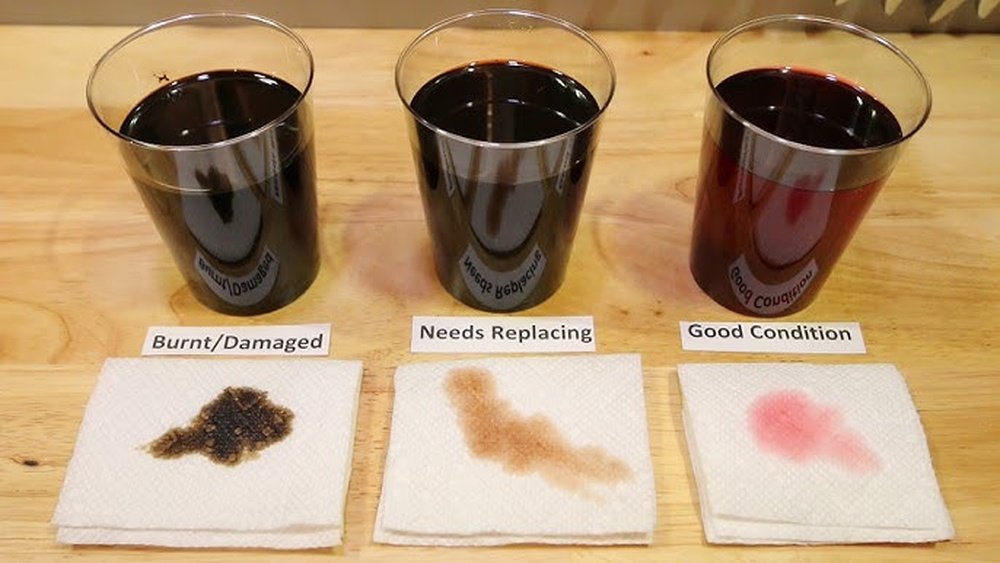
Fluid Color And Consistency
Healthy transmission fluid is bright red and clear. Dark, brown, or black fluid shows it is old and dirty. Thick or gritty fluid also means it needs to be replaced. Check the fluid regularly to spot these changes early.
Recommended Change Intervals
Knowing the right time to change your transmission fluid helps keep your car running smoothly. Transmission fluid wears down over time. Changing it at the right time prevents costly repairs. Different cars need fluid changes at different intervals. This section breaks down the recommended change intervals.
Manufacturer Guidelines
Car makers set specific rules for fluid changes. These guidelines appear in your owner’s manual. Most recommend changing transmission fluid every 30,000 to 60,000 miles. Some newer cars use “lifetime” fluid, which may last longer. Always check your manual first. Following the manufacturer keeps your warranty safe.
Types Of Transmission Fluid
There are many types of transmission fluid. Automatic and manual transmissions need different fluids. Synthetic fluids often last longer than regular ones. Using the right fluid type affects how often to change it. Using the wrong fluid can cause damage. Always pick the fluid type your car needs.
Driving Conditions Impact
Driving style and conditions affect fluid life. Stop-and-go traffic, towing, or hilly roads stress the transmission. These conditions make fluid dirty faster. Severe driving may need fluid changes every 15,000 to 30,000 miles. Gentle driving on highways may allow longer intervals. Adjust your fluid change schedule to your driving habits.
Changing Transmission Fluid
Changing transmission fluid is important to keep your car running smoothly. The fluid helps cool and lubricate the transmission parts. Over time, it can get dirty or break down. This can cause shifting problems or damage. Regular changes protect your transmission and extend its life.
You can change the fluid yourself or hire a professional. Each choice has its own benefits and challenges. Knowing what tools and steps are involved helps you decide.
Diy Vs Professional Service
Doing it yourself saves money but needs time and care. You must have the right tools and follow steps exactly. Mistakes can cause leaks or damage.
Professional service costs more but is fast and safe. Experts check the whole system and use proper fluid. They spot other issues early. Choose based on your skill and budget.
Tools And Materials Needed
You need transmission fluid, a drain pan, and a wrench. Also, a funnel, gloves, and rags help keep things clean. A jack and stands are useful to reach under the car.
Check your car manual for the right fluid type. Using the wrong fluid can harm the transmission.
Step-by-step Process
First, warm up the car by running the engine. This helps the fluid drain fully. Park on a level surface and secure the car.
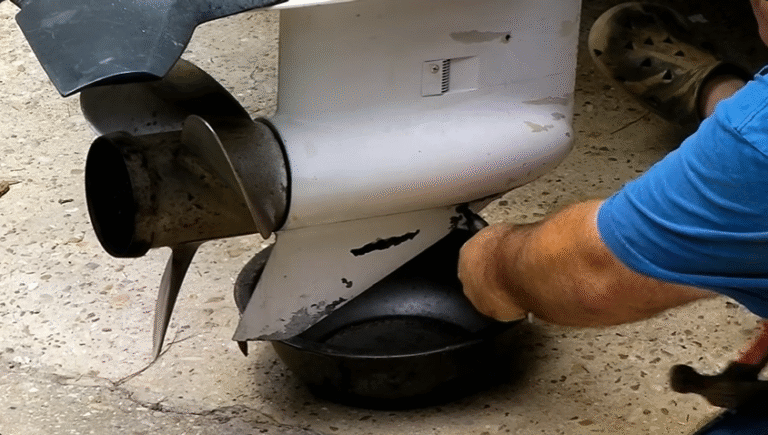
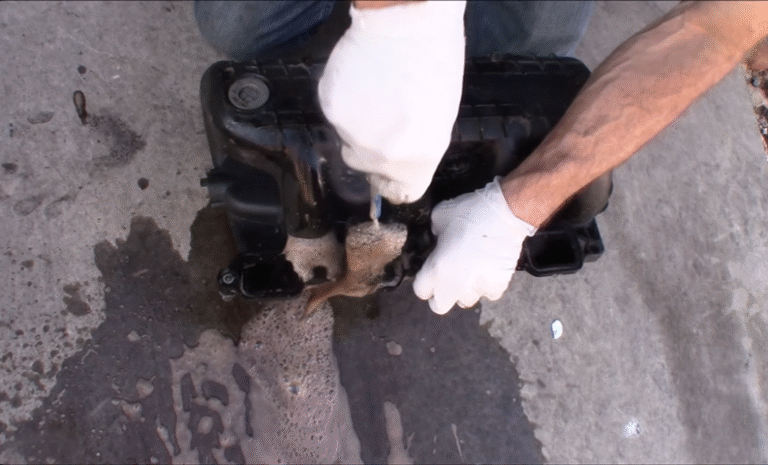
Place the drain pan under the transmission’s drain plug. Use a wrench to remove the plug carefully. Let the old fluid drain completely.
Replace the drain plug tightly. Locate the transmission fluid fill hole. Use a funnel to add new fluid slowly.
Check the fluid level with the dipstick. Add more fluid if needed but do not overfill. Start the car and shift through gears. Check for leaks and proper fluid level again.

Credit: oilchangers.com
Maintaining Transmission Health
Keeping your transmission healthy is key to smooth driving. It helps your car shift gears properly and avoids costly repairs. Regular care prevents damage and extends your vehicle’s life.
Changing transmission fluid is a big part of this care. The fluid keeps the transmission cool and clean. Old or dirty fluid can cause problems fast.
Regular Inspections
Check your transmission fluid often. Look for color and smell changes. Fresh fluid is bright red and smells sweet. Dark or burnt fluid means it needs changing. Also, watch for leaks under your car.
Have a mechanic inspect the transmission yearly. They can spot small issues early. Early fixes save money and headaches later.
Avoiding Common Mistakes
Don’t wait too long to change the fluid. Old fluid wears out parts faster. Avoid overfilling the transmission. Too much fluid can cause leaks or damage. Use the right type of fluid for your car model.
Ignoring warning signs like slipping gears or strange noises can lead to bigger problems. Pay attention to how your car drives.
Benefits Of Timely Fluid Changes
Changing transmission fluid on time keeps your car running smoothly. It improves shifting and reduces wear on parts. Clean fluid helps your transmission last longer.
Timely changes also help you avoid expensive repairs. Your car stays safer and more reliable on the road.
Credit: www.driveryan.com
Frequently Asked Questions
How Often Should Transmission Fluid Be Changed?
Transmission fluid should generally be changed every 30,000 to 60,000 miles. Check your vehicle’s manual for exact recommendations. Regular changes keep your transmission running smoothly.
What Happens If Transmission Fluid Is Not Changed?
Old fluid can cause transmission slipping or overheating. It may lead to costly repairs. Clean fluid helps protect transmission parts.
Can I Check Transmission Fluid Myself?
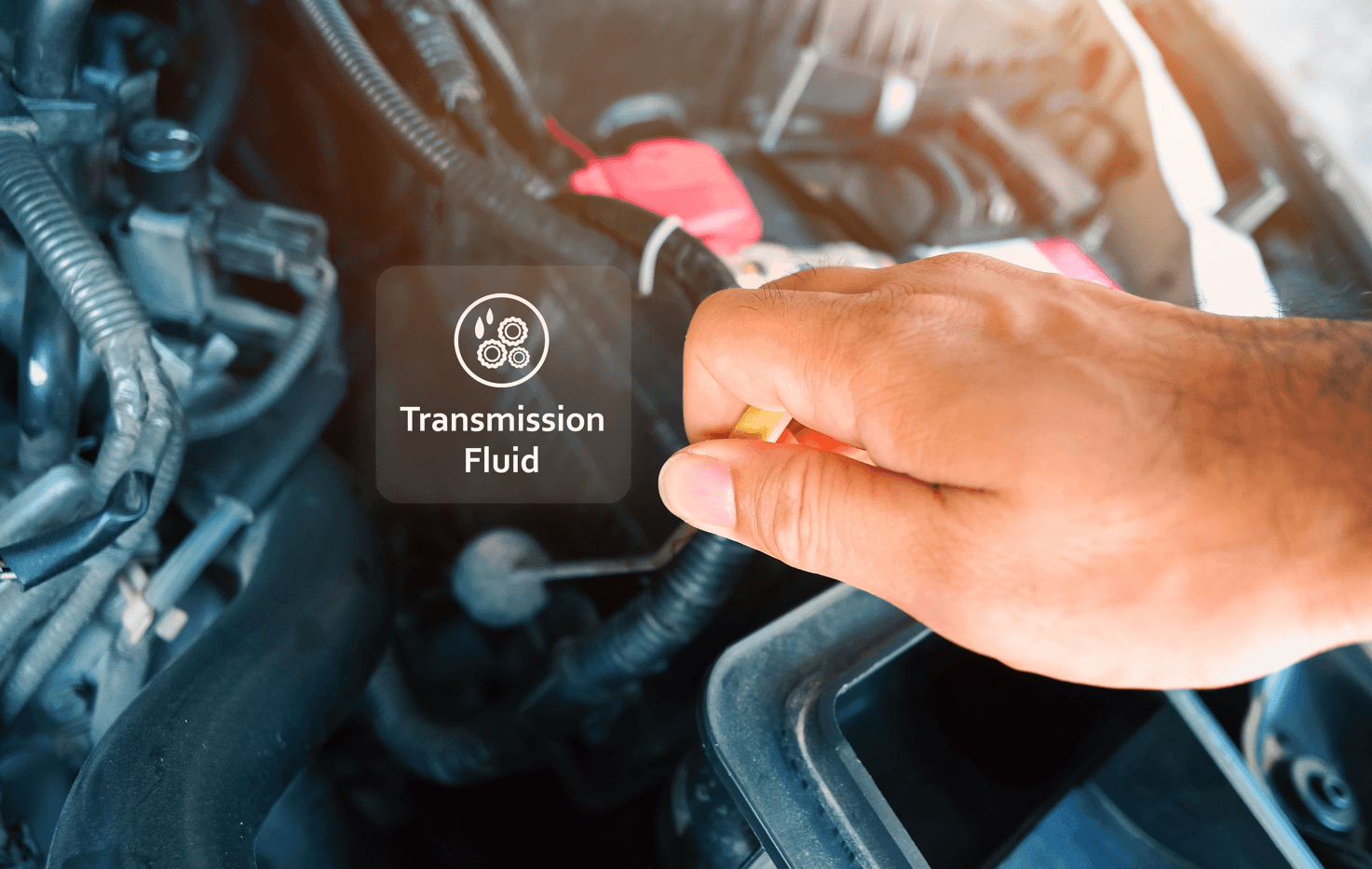
Yes, many cars have a dipstick for checking fluid level and color. Make sure the engine is warm and car is on level ground. Look for clear, red fluid.
Does Driving Style Affect Transmission Fluid Life?
Yes, heavy towing or stop-and-go traffic can wear fluid faster. These conditions may need more frequent fluid changes. Gentle driving helps extend fluid life.
What Are Signs Transmission Fluid Needs Changing?
Look for a burnt smell, dark fluid, or rough shifting. These signs mean the fluid may be dirty or low. Early action can prevent bigger problems.
Conclusion
Changing your transmission fluid regularly keeps your car running smoothly. Check your owner’s manual for the right schedule. Clean fluid helps prevent costly repairs. Dirty fluid can cause shifting problems and wear. A simple fluid change can save money and stress.
Pay attention to your car’s performance signs. Stay on top of maintenance to avoid big issues. Taking care of your transmission means a longer vehicle life. Don’t wait for trouble—change the fluid on time.