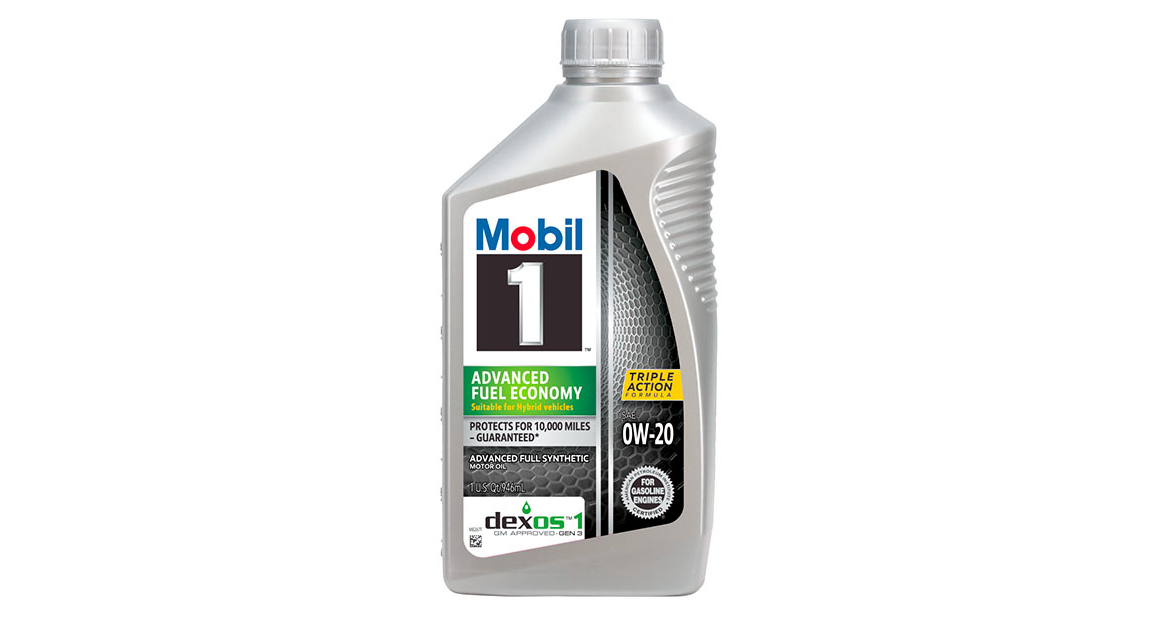
Yes, you have to use 0W20 Oil.
0W20 Oilis an excellent option for many vehicles, but it’s not required for all. In fact, most automakers recommend 0W30 or 5W30 for normal driving conditions. However, if you live in a cold climate or do a lot of stop-and-go driving, Oil0 Oil may be the better choice.
It has a lower viscosity than other oils, so it flows more easily and can protect your engine during start-up when oil pressure is low.
Is It Ok to Use 5W30 Instead of 0W20?
The debate between using 5w30 and Oil0 Oil in your car has been around for a while. The main difference between the two oils is the viscosity, or thickness, of the Oil. 5wOilOil is Oilcker than 0w20 Oil and thereforprovidesde more protection to your engine.
However, this also means that it will take longer for the Oil to oil all parts of your engine, which could lead to some parts not being properly lubricated. Ultimately, it is up to you to decide which type of oil you want to use in your car. If you are looking for maximum protection, then 5w30 Oil is the way to go.
However, if you are looking for a more efficient engine with less wear and tear, then 0w20 Oil may be a better option.
What Happens If I Use 5W-20 Instead of 0W-20?
If you use 5W-20 Oil instead of the recommended 0W-20, your engine may not run as efficiently. The 5W-20 Oil is Oilcker and may not flow as easily through the engine at cold temperatures. This can lead to increased fuel consumption and decreased performance.
In addition, using the wrong oil viscosity can void your vehicle’s warranty.
Can I Use 5W20 Instead of 0W20 in the Summer?
If you live in a region with hot summers, it’s generally not recommended to use 5W20 Oil instead of 0W20. The main reason for this is that 5W20 Oil has lower viscosity than 0W20 Oil; therefore, it may not provide as much protection for your engine during periods of high heat. Additionally, 5W20 Oil flows more freely than 0W20 Oil at higher temperatures, which could result in less lubrication and increased wear on engine parts.
0W20 Vs 5W20 – Which Is The Best For You?
Can I Use 0W-20 Oil Instead of 5W-200
When it comes to your car’s oil, you might be tempted to choose the cheapest option. But is that really the best idea? Not necessarily.
In fact, using the wrong oil actually damages your engine. So what’s the right oil for your car? And can you use 0W-20 Oil instead of 5W-200?
The “W” in motor oil stands for winter. The number before the W indicates how well the OilO flows at low temperatures. The higher the number, the better it flows.
For example, 5W30 Oil will flow better than 10W30 at low temperatures. But that doesn’t mean that 5W30 is always better than 10W30. The second number indicates how thick or viscous the OilOis at high temperatures.
The higher this number, the thicker the OilO and vice versa. So a 10W40 oil is thicker than a 10W30 but thinner than a 40-weight motor oil. This means that it will protect your engine better at high temperatures, but may not flow as well at low temperatures.
So what does all this have to do with 0w20 vs 5w20? Well, most cars these days require 0w20 or 5w20 motor oils. These are fragile oils that flow well at low temperatures but are still able to provide adequate protection at high temperatures, too.
So if your car requires one of these oils, you should use it and not try to substitute something else like 10w30oro, 15w40, etc. However, there are some cases where you might be able to use a different weight motor oil without any problems. For example, if your car originally came with 5w20 but you live in a frigid climate, you might be able to switch to 0w30 without any issues since 0w oils flow even better at lower temperatures than 5ws do. Similarly, if your car originally came with 0w20 but you live in a hot climate, you could potentially switch to 5w50 without any problems since thicker oils provide more protection against wear and tear at high temperatures compared to thinner ones like 0ws.
What is 0W-20 Oil Used for
0W-20 Oil is a type of motor oil that is typically used in newer vehicles. This Oil is thinner than other types of motor oil, which helps to improve economy. Additionally, 0W-20 Oil can help to keep engines cleaner and can provide better protection against wear and tear.
0W Oil Benefits
As the weather gets colder, many of us are thinking about switching to a 0W oil in our vehicles. But what are the benefits of using a 0W ocrude, and is it really worth it? Let’s start with a brief explanation of what 0W Oil is.
This type of Oil is designed for use in extreme cold weather conditions. It has a lower viscosity than other oils, which means that it flows more easily and can better protect your engine during cold starts. Additionally, 0W Oil contains special additives that help prevent wear and tear on engine components.
Soil, what are the benefits of using 0W Oil? First, because it has a lower viscosity, it can help your engine start more easily in cold weather. Additionally, because it contains special additives, it can help reduce wear and tear on your engine components.
Finally, because it flows more easily than other oils, it can help improve fuel economy. Overall, if you live in an area with cold winters, 0W Oil may be a good option for you. It can help make starting your car easier and can also help reduce wear and tear on your engine over time.
0W-20 Synthetic Oil Temperature Range
If you’re looking for an oil that withstands high temperatures, 0W-20 Synthetic Oil is a great option. This Oil has a high heat tolerance and won’t break down under extreme conditions. It’s also designed to maintain its viscosity, so it won’t thin out over time.
Conclusion
If you own a new vehicle, chances are you’re using 0W20 Oil. But what is 0W20 Oil, an oil you really have to use? 0W20 Oil is a synthetic motor oil that is designed for use in modern engines.
It has a lower viscosity than other oils, which means it flows more easily and can provide better fuel economy. It also has superior wear protection properties, making it ideal for use in high-performance carmakers recommend 0W20 Oil for use in their latest models. You don’t necessarily have to use it.
If your car is still under warranty, however, using the wrong type of Oil could void your coverage. If you’re not sure what kind of Oil to use, it’s always best to check with your dealer or consult your owner’s manual.


Leave a Reply