Do You Check Engine Oil Hot Or Cold?
It is best to check your engine oil when it is cold. This means checking it before you turn on the engine for the day. If you check it when it is hot, the oil will have expanded, giving you a false reading.
If you’re like most people, you probably check your engine oil when it’s cold. But did you know that there are actually benefits to checking it when it’s hot? For one thing, hot oil is thinner and flows more easily, so you can get a more accurate reading of the level.
Additionally, any contaminants in the oil will be more visible when it’s hot. So next time you check your engine oil, do it when the engine is hot and see if you notice any difference!
Is It Ok to Check Oil When the Engine is Hot?
It is not advisable to check your oil when the engine is hot. The heat can cause the oil to expand, resulting in an accurate reading. It’s best to wait until the engine has cooled down before checking your oil level.
Do I Check My Oil When It’s Hot Or Cold?
When checking your oil, the best time is when the engine is cold. This means that you should check your oil before starting the engine for the day. If you wait until the engine is running, the oil will be warm, which can give an inaccurate reading.
Plus, if you check your oil when it’s hot, you aren’t getting burned.
Can I Check Oil While the Car is Running?
Yes, you can check your car’s oil level while it is running. However, it is best to do this when the engine is warm. Checking the oil level when the engine is cold will give you a false reading.
To check the oil level, remove the dipstick from the oil reservoir and wipe it clean with a rag. Insert the dipstick back into the reservoir and pull it out again. The oil level should be between the marks on the dipstick.
If it is below the lower mark, you will need to add more oil.
Can Engine Oil Be Checked Cold?
Yes, engine oil can be checked cold. However, it is best to check it when the engine is warm. Checking the oil when the engine is cold will give you a false reading.
DO YOU CHECK THE ENGINE OIL LEVEL WHEN THE ENGINE OIL IS HOT OR COLD
When Should You Check the Engine Oil Level
It’s essential to check your engine oil level regularly to ensure your car runs correctly. There are a few different ways to do this, and the best method may vary depending on your car model. The most accurate way to check your engine oil level is by using the dipstick.
Most cars have a dipstick near the engine, usually labelled “engine oil.” To use the dipstick, pull it out of the engine and wipe it off with a clean cloth. Then, reinsert the dipstick into the engine and pull it out again.
The oil level should be somewhere between the “full” and “low” markings on the dipstick. If it’s below the “low” mark, you’ll need to add more oil. Another way to check your engine oil level is by looking at the electronic display in your car.
Many newer models have an electronic readout that shows how much oil is in the system. However, this method isn’t always as accurate as using a dipstick, since it can be affected by factors such as temperature changes or fuel levels. If you’re not sure which method to use, consult your car’s owner’s manual for more specific instructions.
In general, though, checking your engine oil level is a simple task that only takes a few minutes but can save you from major problems down the road.
Why Check Engine Oil When Warm
If you’re like most people, you probably check your engine oil when the engine is cold. But did you know that it’s actually better to check your oil when it’s warm? Here’s why:
When the engine is cold, the oil is thicker and doesn’t flow as easily. This makes it harder to get an accurate reading on the dipstick. Warm oil flows more easily, giving you more precise readings and making it easier to work with. So next time you go to check your engine oil, make sure to do it when the engine is warm. It might take an extra minute or two, but it’ll be worth it in the long run!
Do You Check the Oil in your car on or off
You should check your car’s oil level with the engine off. The reason for this is that when the engine is running, oil circulates through the engine and can give you a false reading. Checking the oil while the engine is off will provide you with a more accurate measurement.
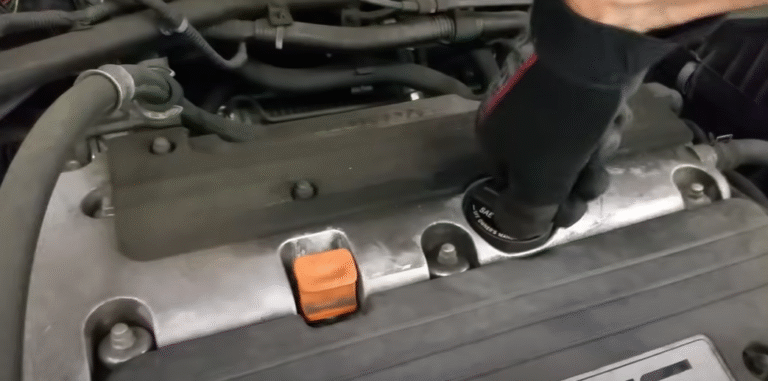
Check Engine Oil Hot Or Cold Honda
Assuming you would like a blog post about checking your Honda engine’s oil level: “Check Engine Oil Hot Or Cold Honda.” Most people know that it is essential to check their vehicle’s oil level regularly.
What many don’t know, however, is whether it is better to check the oil when the engine is hot or cold. For Hondas, it is best to check the oil level when the engine is cold. This means that you should check the oil before starting the engine for the day.
If you wait until the engine has been running, the oil will be hot, which can give inaccurate readings. To check your Honda’s oil level, insert a dipstick into the opening on top of the engine (usually marked with a yellow cap). Wipe off any excess oil from the dipstick and then reinsert it into the opening.
Remove it again and check where the fluid reaches on the stick. If it falls within acceptable levels (between Full and Low), no action is needed. If it does fall below Low, add more oil until it reaches between Full and Low again – never overfill!
Conclusion
Assuming the reader has little to no prior knowledge of the subject, checking engine oil, hot or cold, refers to the engine’s temperature. The reason you would check the oil when the engine is hot is that it has circulated through the entire engine, giving you a more accurate reading. Checking it when it’s cold will provide you with a less accurate reading because the oil hasn’t had a chance to circulate yet.