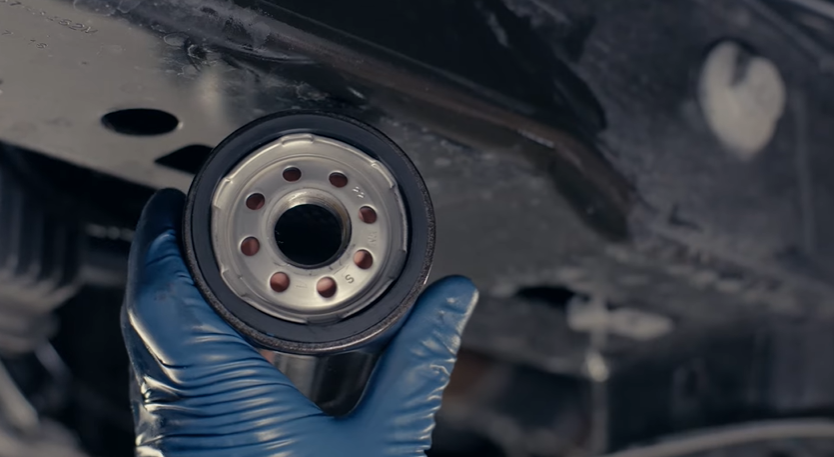
No, you do not need to replace your oil filter every time you change your oil. Depending on the quality of your filter and the type of oil you use, it is perfectly fine to change your oil without changing the filter. However, if you notice that your filter is dirty or clogged, then it may be necessary to replace it.
It’s a common misconception that you need to replace your oil filter every time you change your oil. In reality, you only need to replace it every other oil change, or as specified in your car’s owner manual. This is because the filter effectively traps impurities and extends the life of your oil.
So, if you’re due for an oil change, check your owner’s manual to see if it’s also time to replace your filter.
Can I Change Oil Without Changing the Oil Filter?
If you’re asking whether you can get away with changing your oil without also changing your filter, the answer is technically yes. However, it’s not advisable to do so. Your car’s oil filter plays a vital role in keeping the oil clean and free of debris.
Over time, as the filter does its job, it will become clogged with contaminants. If you don’t change the filter when you change the oil, those contaminants will end up back in the fresh oil, defeating the purpose of changing it in the first place.
What Happens If You Change the Oil But Not the Oil Filter?
If you change your oil but not your oil filter, the new oil will eventually become contaminated, and your engine will be at risk for damage. The oil filter traps debris and contaminants that can cause wear and tear on engine components. When these contaminants are not removed, they can build up over time and cause severe damage. Regularly changing the oil and replacing the oil filter are equally crucial to keep your engine running smoothly.
Do You Have To Change Your Oil Filter Every Oil Change – Who Should You Listen To
How Often to Change Oil Filter With Synthetic Oil
If you’re using synthetic oil in your vehicle, you can typically go longer between oil changes than with conventional oil. How often to change your oil filter with synthetic oil depends on a few factors, including the type of engine you have, how you drive, and the quality of the synthetic oil you’re using. Generally, experts recommend changing your oil filter every 5,000 miles or so when using synthetic oil.
However, if you have a newer car with a high-quality synthetic oil, you may be able to go up to 10,000 miles before changing the filter. Of course, it’s always best to consult your owner’s manual or a trusted mechanic for specific recommendations on how often to change your particular car’s oil filter. By following their advice, you can help ensure that your vehicle runs smoothly and efficiently for many miles to come.
What Happens If You Change the Oil But Not the Filter
If you change the oil in your car but don’t replace the filter, you’re not doing a comprehensive job of maintaining your vehicle. The oil filter is there for a reason – to remove impurities from the oil as it circulates through the engine. Over time, these impurities can accumulate and cause a range of problems, including reduced performance and increased wear on engine components.
So if you’re going to take the time to change your oil, be sure to replace the filter as well. It’s cheap insurance for your engine!
Engine Oil Filter Change Interval
The average car engine oil filter change interval is about every 3,000 miles or every 3 months, whichever comes first. However, several factors can affect this interval, such as the type of oil used, the age and make of your vehicle, and your driving habits. If you typically drive in stop-and-go traffic or on dusty roads, you may need to change your filter more often than the average driver.
And if you use a synthetic oil in your engine, you may be able to go longer between changes. To be sure you’re changing your engine oil filter at the proper interval for your car and driving habits, check your owner’s manual. Many automakers include recommended oil change intervals for both conventional and synthetic oils.
Can You Change the Oil Filter After Changing the Oil
Yes, you can change the oil filter after changing the oil. Here’s how: 1. Place a drain pan underneath the filter to catch any oil that may drip out.
2. Unscrew the old filter and remove it. Some filters may be easier to remove if you first soak them in some warm oil for a few minutes. 3. Clean the area around the filter housing with a clean rag. Ensure that no dirt gets into the new filter. Hand-tighten it until it is snug, then use an appropriate tool to tighten it another 1/2 to 3/4 turn (do not over-tighten).
Conclusion
No, you don’t need to replace your oil filter every time you change your oil. In fact, most carmakers recommend replacing it only every other oil change or every 5,000 miles, whichever comes first. The main reason to replace your oil filter is to prevent contaminants from clogging up your engine.



Leave a Reply