How to Remove Old Oil Stains from Concrete Garage Floor: Easy & Effective Methods
You’ve probably noticed those stubborn old oil stains on your concrete garage floor. They don’t just look bad—they can make your entire garage feel dirty and neglected.
But here’s the good news: you don’t have to live with them or call a professional right away. With the right steps, you can tackle these tough stains yourself and bring back that clean, fresh look to your garage. Keep reading, and you’ll learn simple, effective ways to remove those old oil stains once and for all.
Your garage is about to get a serious makeover!
Credit: prosoco.com
Identify The Oil Stain Type
Identifying the type of oil stain on your concrete garage floor is the first step in removing it effectively. Different oils leave different marks and require different cleaning methods. Knowing the stain type helps choose the right cleaning solution. It also avoids wasting time and effort on the wrong treatment.
Old oil stains can come from many sources. Each type has unique features. Recognizing these features makes the cleaning process easier and faster.
Motor Oil Stains
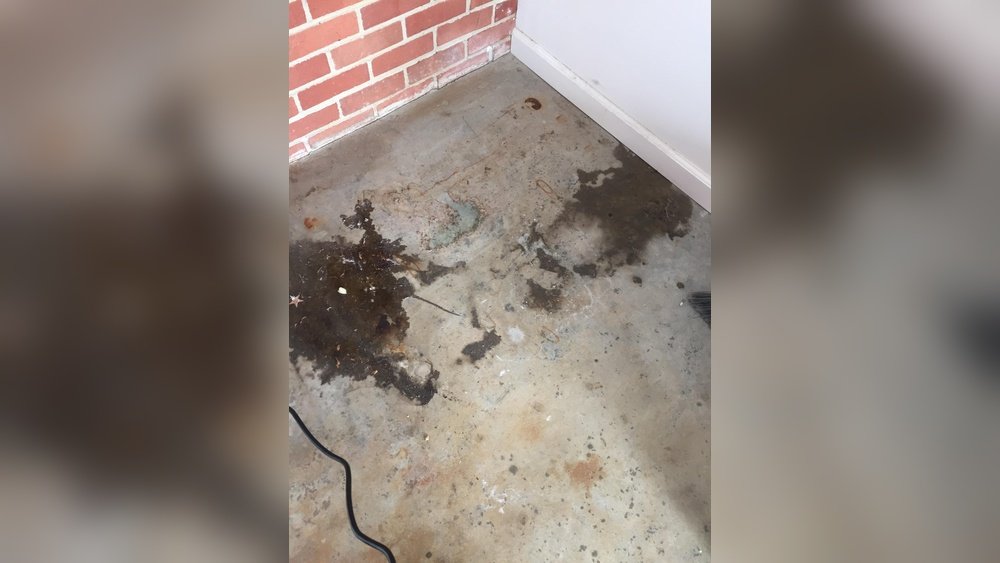
Motor oil stains are common in garages. They usually appear dark black or brown. Over time, the oil soaks deep into the concrete pores. These stains are thick and greasy to the touch. Motor oil leaves a shiny, slick spot on the floor.
Gear Oil Stains
Gear oil is heavier and thicker than motor oil. It often has a darker, almost black color. The stain can feel sticky or tar-like. Gear oil can harden on the surface, making it tougher to clean. These stains also spread slowly but deeply.
Transmission Fluid Stains
Transmission fluid stains are typically red or pink. The color fades to brown or yellow over time. These stains feel oily but less thick than gear oil. Transmission fluid may leave a thin film on the concrete. It often creates a smooth, slippery area.
Hydraulic Oil Stains
Hydraulic oil stains look similar to motor oil but are lighter. They vary from light brown to amber. The stain spreads unevenly and soaks quickly. Hydraulic oil can leave a dull, matte finish on concrete. These stains often have less shine compared to motor oil.
Other Oil-based Stains
Other oils like cooking or vegetable oils also stain concrete. These stains tend to be lighter in color. They may feel sticky or greasy. Usually, these stains have a mild odor. They can attract dirt and dust easily.

Credit: www.reddit.com
Gather Necessary Cleaning Supplies
Gathering the right cleaning supplies is the first step to remove old oil stains from your concrete garage floor. Having everything ready makes the job easier and faster. Choose tools and products that work well on concrete surfaces.
Use supplies that are safe and effective. Avoid harsh chemicals that can damage the floor or harm your skin. Prepare a small workspace to keep your tools organized. This setup helps you clean with less mess.
Cleaning Agents
Select a strong degreaser or concrete cleaner designed for oil stains. Powdered cleaners like trisodium phosphate (TSP) or baking soda work well. You can also use commercial oil stain removers made for concrete.
Scrubbing Tools
Get a stiff-bristled brush to scrub the stain deeply. Avoid soft brushes that won’t remove oil well. For tough stains, a wire brush can help but use it gently to avoid damage.
Protective Gear
Wear gloves to protect your hands from chemicals and dirt. Safety glasses keep your eyes safe from splashes. Consider wearing old clothes you don’t mind getting dirty.
Additional Supplies
Have a bucket of warm water ready for rinsing the area. Use absorbent materials like kitty litter or paper towels to soak up fresh spills. Keep a broom or vacuum to clean loose debris before starting.
Apply Absorbents For Fresh Stains
Applying absorbents is the first step to clean fresh oil stains on concrete floors. It helps soak up the oil before it spreads or soaks deeper.
Quick action makes a big difference. The faster you apply absorbents, the easier the stain will be to remove.
Choose The Right Absorbent Material
Common absorbents include kitty litter, baking soda, or sawdust. Each works well to soak oil quickly.
Pick a material that is easy to spread and clean up later.
Spread Absorbent Evenly Over The Stain
Cover the entire oil spot with a thick layer of absorbent. This stops the oil from spreading further.
Make sure the absorbent fully covers the stain edges too.
Let The Absorbent Sit And Soak
Leave the absorbent on the stain for at least 30 minutes. This time allows the oil to soak in completely.
For larger stains, wait longer to get better results.
Sweep Or Vacuum The Absorbent
After soaking, sweep or vacuum the absorbent off the concrete. This removes most of the oil from the surface.
Dispose of the used absorbent safely, following local guidelines.
Use Degreasers And Scrub For Old Stains
Old oil stains on a concrete garage floor can be tough to remove. Using degreasers and scrubbing is an effective way to clean these stubborn spots. Degreasers break down the oil, making it easier to lift from the concrete. Scrubbing helps to remove the stain deeply embedded in the surface.
This method works well on stains that have set for weeks or months. It requires some elbow grease but delivers great results. Choosing the right degreaser and using the correct scrubbing technique is important for success.
Choose A Strong Degreaser
Select a degreaser made for concrete and oil stains. Look for products labeled as heavy-duty or industrial strength. These formulas dissolve thick oil and grease better than mild cleaners. Avoid using harsh chemicals that can damage the concrete surface.
Apply Degreaser Evenly
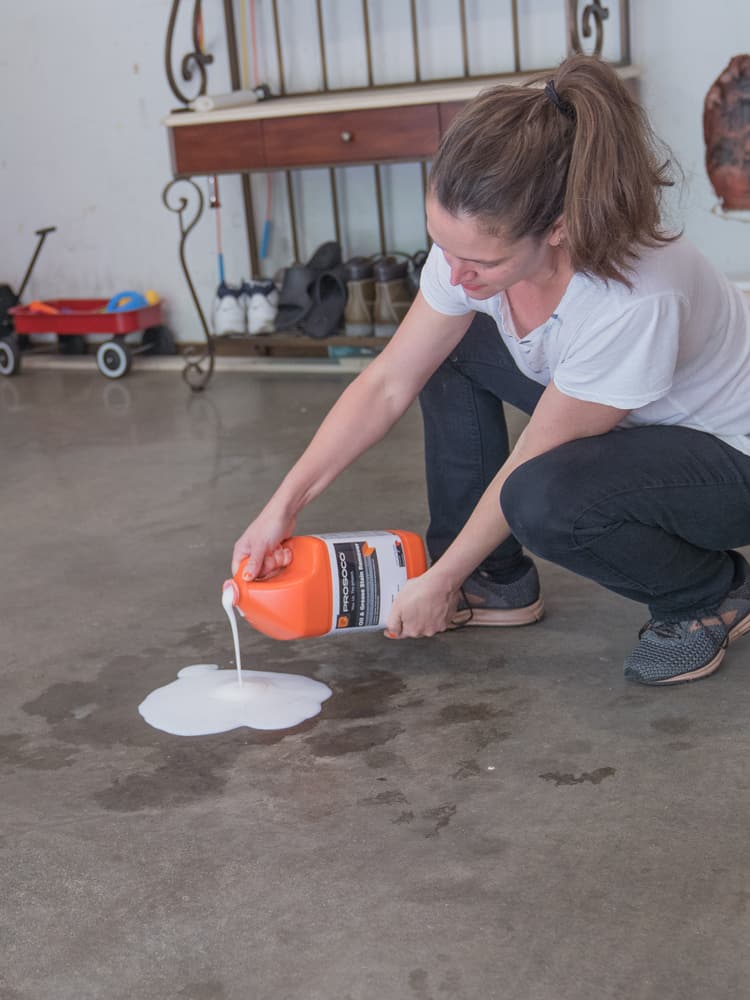
Pour or spray the degreaser directly onto the stained area. Cover the whole spot with a thick layer. Let it sit for at least 15 minutes. This gives the degreaser time to soak into the oil and break it down.
Scrub With A Stiff Brush
Use a stiff-bristled brush to scrub the stain. Circular motions work best to lift the oil. Apply firm pressure but avoid damaging the concrete. Continue scrubbing until the stain begins to fade.
Rinse And Repeat If Needed
After scrubbing, rinse the area with clean water. Check the stain to see if it has lightened. Repeat the degreaser and scrubbing steps on tough stains. Patience and persistence often remove even old, stubborn oil marks.
Rinse And Repeat For Stubborn Marks
Old oil stains can be tough to remove from concrete garage floors. Sometimes one cleaning is not enough. You may need to rinse and repeat the process for stubborn marks. This method helps break down the oil gradually.
Each rinse loosens more oil from the concrete’s surface. Reapplying the cleaner and scrubbing again improves the results. Patience pays off with this approach.
Use Warm Water For Better Rinsing
Warm water helps dissolve oil better than cold water. After scrubbing, rinse the stained area with warm water. This removes loosened oil and cleaner residue. Repeat rinsing to clear away all grime.
Apply Cleaner Multiple Times
Apply your chosen cleaner again if the stain stays. Let it sit for about 10 minutes each time. Scrub the area with a stiff brush to lift the oil. Multiple applications help break down deep stains.
Scrub Thoroughly Between Rinses
Scrubbing agitates the stain and removes oil trapped in pores. Use a stiff bristle brush to scrub in circles. Focus on the darkest parts of the stain. Scrubbing after each cleaning boosts stain removal.
Credit: xtremepolishingsystems.com
Frequently Asked Questions
How Do I Remove Old Oil Stains From Concrete Floors?
Start by scraping off any dried oil with a putty knife. Apply a degreaser or baking soda, scrub with a stiff brush, then rinse well.
What Household Items Clean Oil Stains On Garage Concrete?
Baking soda, dish soap, and vinegar work well. They help break down the oil and lift stains without harsh chemicals.
Can Pressure Washing Remove Deep Oil Stains?
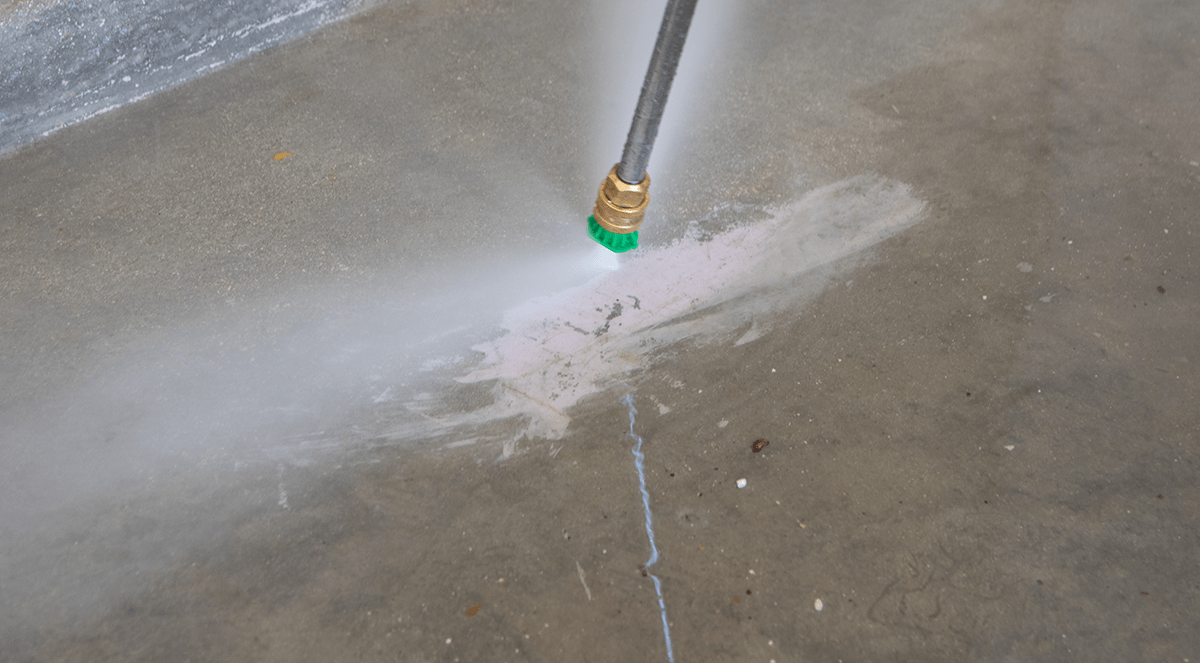
Yes, pressure washing can help but may not remove very old or deep stains completely. Use it after scrubbing for best results.
How Long Does It Take To Clean Old Oil Stains?
Cleaning usually takes 30 minutes to an hour, depending on stain size and age. Multiple treatments may be needed for tough spots.
Is It Safe To Use Bleach On Concrete Oil Stains?
Bleach can damage concrete and is not recommended. Use safer alternatives like degreasers or baking soda instead.
Conclusion
Removing old oil stains from your concrete garage floor takes effort and patience. Use the right cleaners and tools for the best results. Scrub gently but thoroughly to break down the stain. Repeat the process if needed to make the floor look cleaner.
Regular cleaning helps keep stains from settling in again. A clean garage floor improves the whole space’s look and safety. Keep these tips in mind to maintain a fresh, stain-free floor. Your garage will thank you for the care and attention.