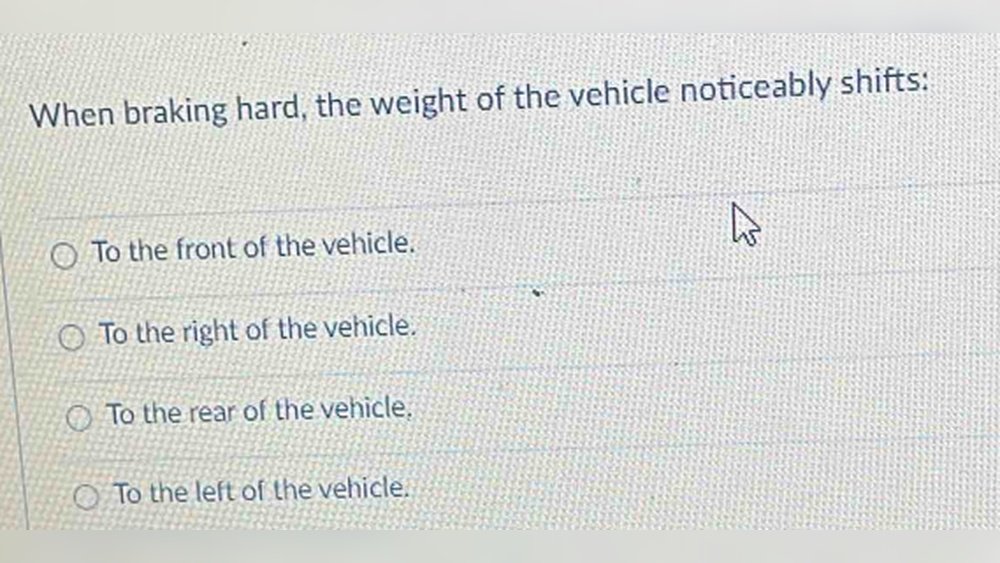
When Braking Hard the Weight of the Vehicle Noticeably Shifts: Key Safety Insights
Have you ever slammed on your brakes and felt your body lurch forward? That sudden shift isn’t just in your seat—it’s your vehicle’s weight moving too.
Understanding why your car’s weight noticeably shifts when braking hard isn’t just interesting—it’s crucial for your safety and control on the road. You’ll discover what causes this weight transfer, how it affects your driving, and what you can do to handle it better.
Keep reading to take full control every time you hit the brakes.
How Weight Shifts During Hard Braking
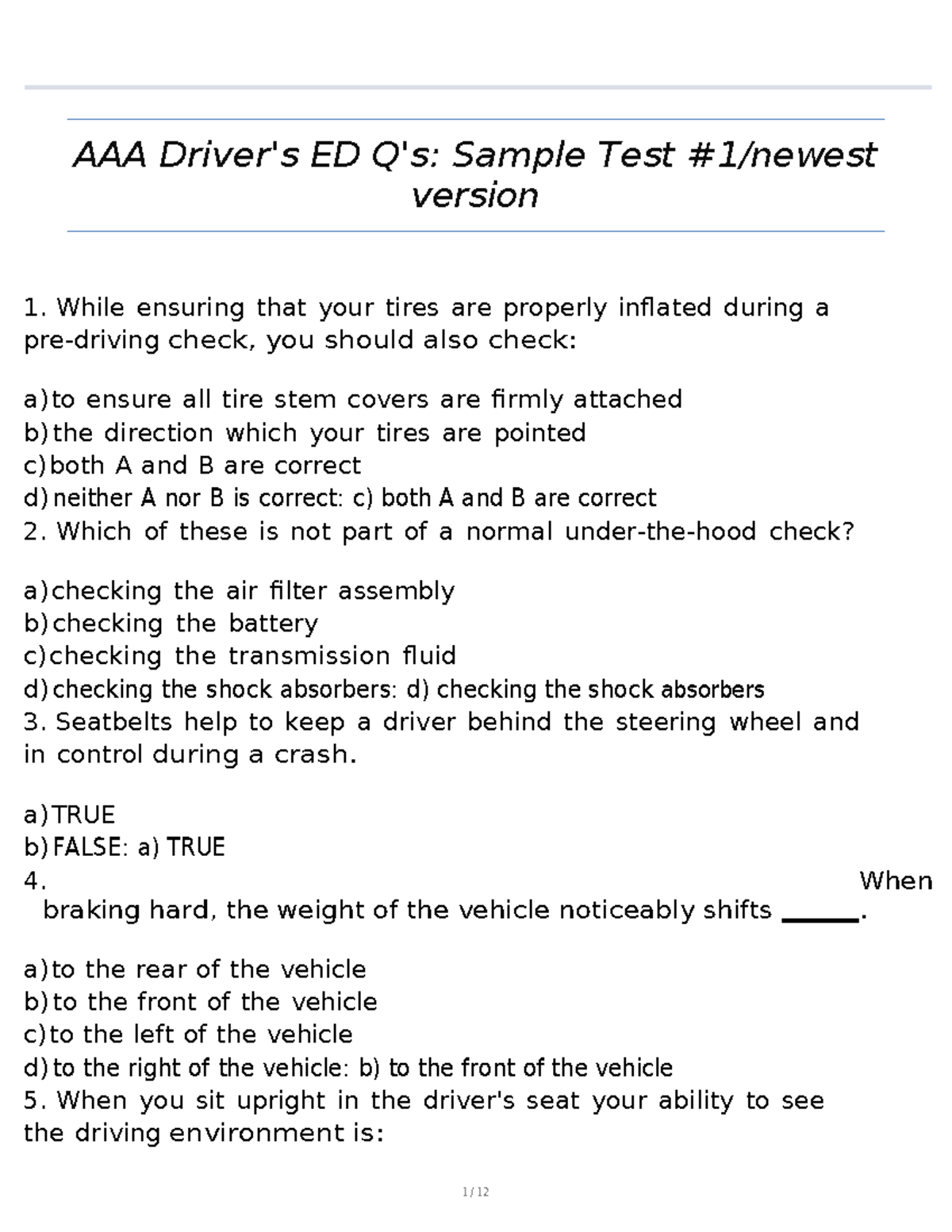
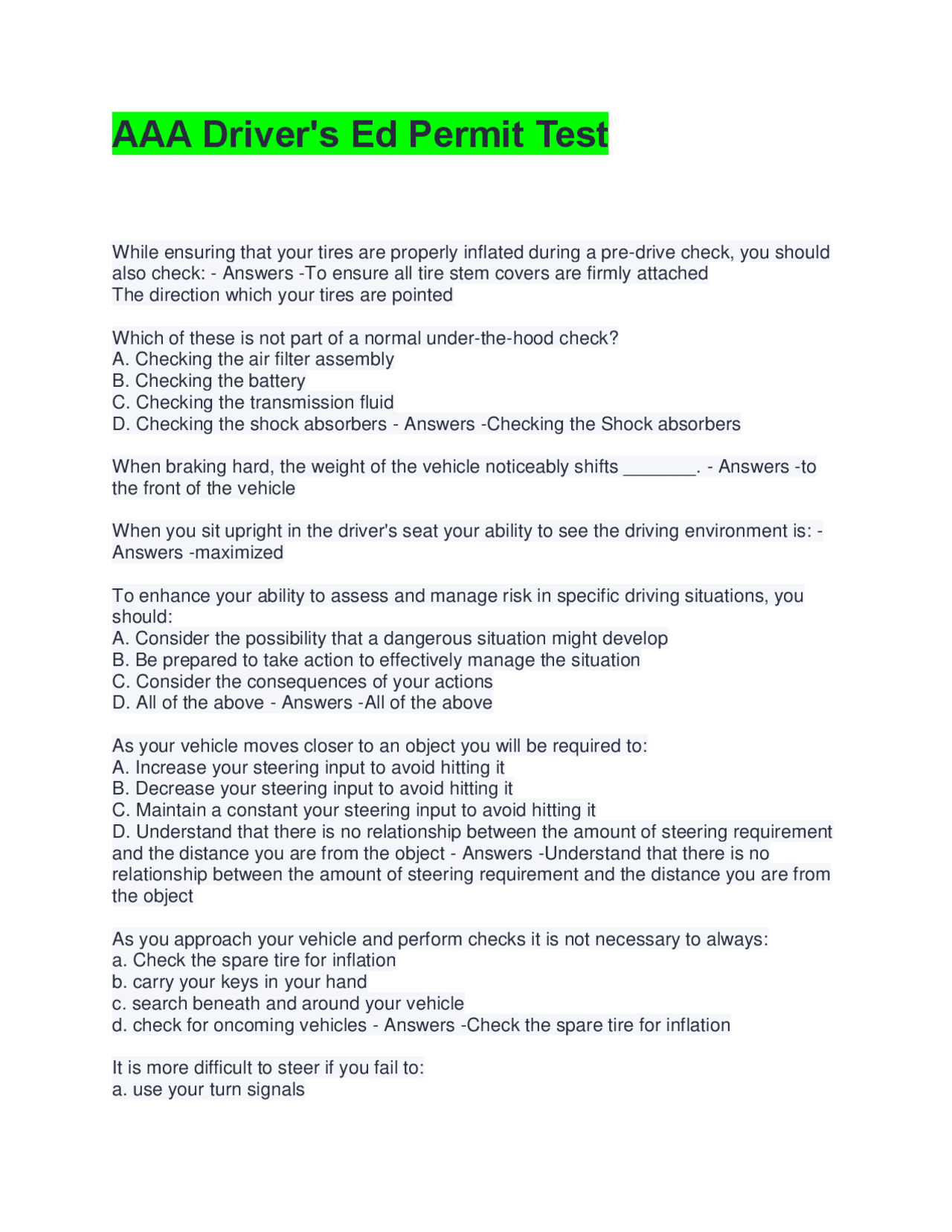
Hard braking causes the vehicle’s weight to move forward. This shift changes how the car feels and handles on the road. Understanding this weight movement helps drivers stay safe and control the car better.
The weight shift happens quickly and affects the tires and suspension. It is a key factor in vehicle stability during sudden stops.
Physics Behind Weight Transfer
When a car brakes hard, inertia pushes the weight forward. The body leans toward the front wheels. This happens because the car’s momentum resists the sudden stop. The force moves the weight from the rear to the front of the vehicle.
Weight transfer depends on the car’s speed and braking force. The faster the vehicle, the more weight shifts forward. The car’s center of gravity plays a big role too. A higher center causes more noticeable weight transfer.
Impact On Front And Rear Tires
More weight on the front tires increases their grip on the road. This helps the car stop faster but also puts more pressure on the front suspension. The rear tires lose some weight, reducing their grip. This can make the rear feel lighter and less stable.
Drivers may notice the front end dipping down. The rear may feel like it is lifting slightly. This effect can cause the rear wheels to skid if the brakes lock up. Proper brake balance helps keep all tires gripping the road during hard stops.
Effects On Vehicle Stability
Braking hard causes a clear shift in the vehicle’s weight. This shift greatly affects the vehicle’s stability. Understanding these effects helps drivers stay safe during sudden stops.
Changes In Traction And Grip
When braking, the vehicle’s weight moves forward. This increases the load on the front tires. More weight means better traction for the front wheels.
The rear tires lose some weight and grip. This can reduce their ability to hold the road. Uneven traction may make steering less effective.
Proper weight distribution is key to maintaining control. Drivers should be aware of these traction changes. This knowledge helps in handling the vehicle safely.
Risk Of Skidding And Loss Of Control
Weight shifts cause the rear wheels to lose grip. This loss can lead to skidding during hard braking. Skidding increases the risk of losing control.
On slippery roads, this risk grows even more. Sudden braking without proper control can cause the vehicle to slide.
Maintaining steady pressure on the brakes helps reduce skidding. Drivers should avoid harsh, sudden stops whenever possible. Awareness of this risk improves overall driving safety.
Role Of Suspension And Brakes
The suspension and brakes work together to control the vehicle’s movement during hard braking. They manage the weight shift that happens when the car slows down quickly. This balance helps keep the vehicle stable and safe. Understanding their roles explains why your car feels different under heavy braking.
Suspension Response To Weight Shift
The suspension absorbs the force when the vehicle’s weight moves forward. It keeps the tires in contact with the road. This contact is essential for grip and control. Springs compress and shock absorbers slow down the movement. This reduces bouncing and maintains stability. The suspension also helps prevent the car from nosediving.
Brake System’s Influence On Stability
The brake system controls how quickly the vehicle slows down. Good brakes apply force evenly to all wheels. This prevents skidding and loss of control. Anti-lock braking systems (ABS) stop the wheels from locking. This helps maintain steering control during hard braking. The brakes and suspension together keep the car balanced and steady.
Credit: www.gauthmath.com
Driver Techniques To Manage Weight Shift
Managing weight shift during hard braking is key for safe driving. Weight moves forward quickly, affecting your vehicle’s balance. Drivers must use certain techniques to keep control. These methods reduce risks like skidding or losing control.
Proper Braking Methods
Press the brake pedal smoothly and firmly. Avoid slamming brakes suddenly. Gradual pressure helps the vehicle slow steadily. Keep both hands on the wheel for better control. Use the brakes early to give more stopping time. This method keeps the weight shift less abrupt. It helps the tires stay in contact with the road. Always check mirrors to understand traffic behind you. This way, you can brake safely without surprises.
Steering Adjustments During Hard Stops
Hold the steering wheel firmly but relaxed. Small steering corrections keep the vehicle balanced. Avoid sharp turns when braking hard. If the front tires lose grip, ease off the brake slightly. This helps regain traction and control. Look straight ahead and steer smoothly. Steering gently helps manage the forward weight shift. Keep your eyes on the road to react quickly. Proper steering keeps your vehicle stable during sudden stops.
Safety Features That Help Control Weight Transfer
Braking hard makes the weight of a vehicle shift forward. This shift can make the car feel unstable or harder to control. Safety features help manage this weight transfer. They keep the vehicle balanced and the driver safe.
Anti-lock Braking Systems (abs)
ABS stops the wheels from locking up during hard braking. Locked wheels can cause the car to skid. ABS quickly pulses the brakes to keep the wheels turning. This helps the driver keep control and steer while braking. It reduces the chance of accidents on slippery roads.
Electronic Stability Control (esc)
ESC helps keep the vehicle steady during sudden moves. It senses when the car is losing traction or sliding. ESC applies brakes to individual wheels to correct the path. This control helps balance the weight and prevents spins. ESC works with ABS to improve safety during hard braking.
Credit: www.studocu.com
Credit: www.docsity.com
Frequently Asked Questions
Why Does Vehicle Weight Shift During Hard Braking?
Weight shifts forward because the car’s momentum pushes the body ahead. This puts more force on the front wheels, affecting balance.
How Does Weight Transfer Affect Braking Distance?
Weight on front tires increases grip but reduces rear tire traction. This can change stopping distance and vehicle control during braking.
Can Weight Shift Cause Loss Of Control While Braking?
Yes, too much forward weight shift can make rear tires lose grip. This may lead to skidding or spinning if not managed carefully.
What Role Does Suspension Play In Weight Transfer?
Suspension helps control how weight moves between wheels during braking. Good suspension reduces excessive forward shift and keeps the car stable.
How To Minimize Weight Shift For Safer Braking?
Brake smoothly and avoid sudden stops to reduce abrupt weight shifts. Maintaining proper tire pressure and suspension also helps keep balance.
Conclusion
Hard braking causes the vehicle’s weight to shift forward quickly. This shift affects how tires grip the road and how the car handles. Understanding this helps drivers stay safe and in control. Always brake smoothly when possible to reduce sudden weight transfer.
Practicing good braking habits improves overall driving comfort and safety. Remember, weight shift is a natural part of slowing down fast. Paying attention can make every stop safer and more stable.