Can Your Car Pass Inspection With Check Engine Light On? Find Out!
You notice that annoying check engine light glowing on your dashboard. Now you’re wondering: Can your car pass inspection with that light on?
It’s a question that can cause a lot of stress and confusion. After all, you want to keep your car running smoothly without wasting time or money on unexpected repairs. You’ll discover what that light really means for your inspection, what you can do about it, and how to avoid failing your test.
Keep reading to find out exactly how your check engine light affects your car’s inspection and what steps you should take next.
What Triggers The Check Engine Light
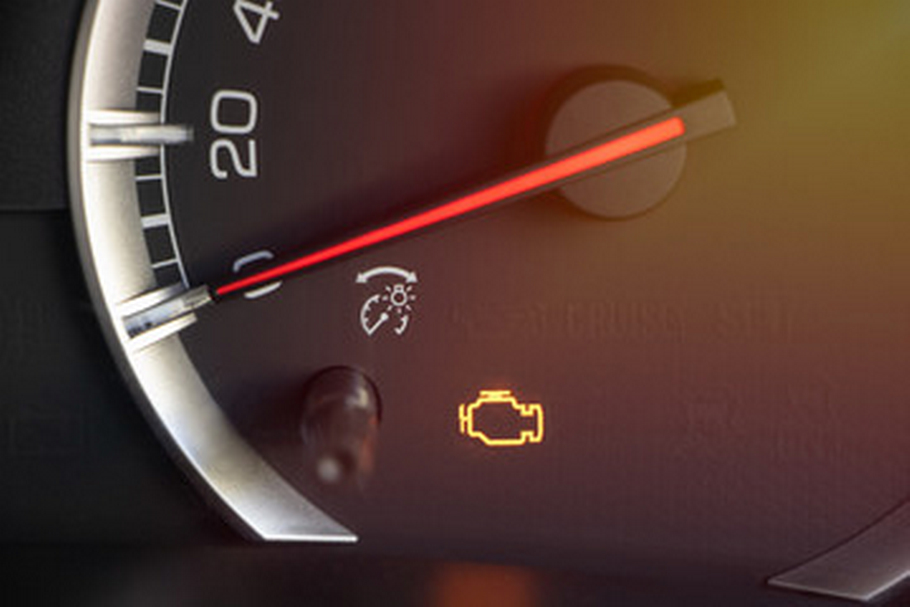
The check engine light is a warning signal on your car’s dashboard. It alerts you to problems detected by your car’s computer. Many issues can cause this light to turn on. Some are simple, while others need urgent attention.
Understanding what triggers the check engine light helps you know the severity of the problem. It also guides you on whether your car can pass inspection.
Faulty spark plugs or ignition coils often trigger the check engine light. These parts affect how your engine runs. If they don’t work well, your car may run rough or stall.
The oxygen sensor measures emissions from the exhaust. A bad sensor can lower fuel efficiency and increase pollution. It also causes the check engine light to turn on.
A loose or cracked gas cap lets fuel vapors escape. This triggers the check engine light. Tightening or replacing the gas cap often fixes the problem quickly.
The catalytic converter reduces harmful emissions. If it fails, your car will run poorly. The check engine light will alert you to this issue.
This sensor tells the car’s computer how much air enters the engine. A faulty sensor can cause poor engine performance and trigger the warning light.
Credit: www.drive-eld.com
Inspection Criteria For Emissions And Safety
Car inspections check two main things: emissions and safety. These rules keep roads clean and drivers safe. Each state has its own rules. The inspection looks at how well the car controls pollution and if it is safe to drive.
Emissions tests measure harmful gases from the car’s exhaust. The car must meet limits on pollutants like carbon monoxide and nitrogen oxides. A check engine light often means the car has an emissions problem. It can stop the car from passing the test.
Safety checks look at brakes, lights, tires, and other parts. Inspectors make sure these parts work well. The car must be safe to drive on public roads. Problems like broken lights or worn tires can cause failure.
Emission Standards And Check Engine Light
The check engine light signals a fault in the emission system. Inspectors use special tools to scan for error codes. If serious emission problems appear, the car usually fails. Minor issues might still allow the car to pass in some states.
Safety Components Tested During Inspection
Inspectors check brakes for proper stopping power. Tires must have enough tread and no damage. All lights, including signals and brake lights, must work. Windshield wipers and mirrors are also checked for safety.
Impact Of Check Engine Light On Inspection Results
A lit check engine light often leads to automatic failure. It shows the car might pollute more or have safety risks. Some states allow passing if the light is on but no codes appear. Always check local rules before the inspection.
Effects Of Check Engine Light On Inspection Results
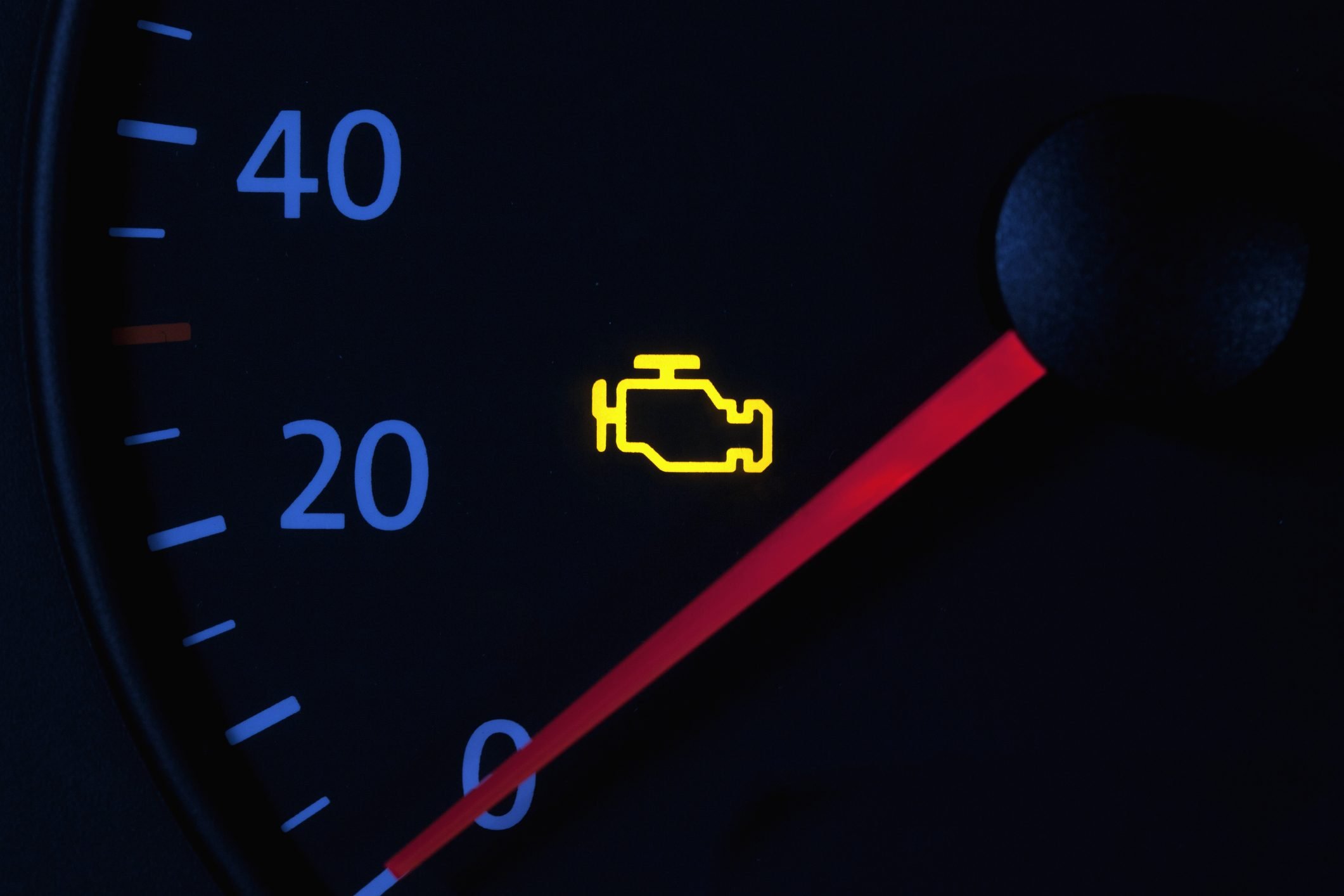
The check engine light is a key factor in vehicle inspections. It signals a problem in the engine or emission system. Inspectors pay close attention to this light during the test. Its status can directly affect the inspection outcome.
A lit check engine light often means the vehicle fails the inspection. This is because it shows the car may pollute more than allowed. The light also suggests a possible mechanical issue. These problems need fixing to pass the inspection.
Impact On Emissions Test
The check engine light usually means the car emits too many pollutants. Emission tests check if the vehicle meets environmental standards. A lit light often causes automatic failure in this test. Inspectors use this as a sign of high emissions.
Effect On Safety Inspection
The check engine light can also affect safety checks. Some problems that trigger the light may weaken the engine’s performance. This could lead to unsafe driving conditions. Inspectors may fail cars with unresolved engine issues.
Requirement For Diagnostic Scan
Inspectors often perform a diagnostic scan if the check engine light is on. This scan reads error codes from the car’s computer. It helps identify the exact issue causing the light. Without fixing these codes, passing the inspection is unlikely.
Credit: www.familyhandyman.com
Common Issues Behind Check Engine Light
The check engine light is a warning sign from your car. It signals that something needs attention. Many common problems can trigger this light. Understanding these issues helps you know if your car can pass inspection.
Some problems are simple to fix. Others might need quick repairs. Knowing the cause of the check engine light is important for safety and passing tests.
Faulty Oxygen SensorThe oxygen sensor checks the air-fuel mix in the engine. A bad sensor causes poor fuel economy and higher emissions. It can turn on the check engine light and may stop your car from passing inspection.
Loose or Damaged Gas CapA loose gas cap can cause fuel vapors to leak. This triggers the check engine light. Tightening or replacing the gas cap is an easy fix. It often helps the car pass inspection.
Malfunctioning Catalytic ConverterThe catalytic converter reduces harmful exhaust gases. If it fails, emissions increase. This problem lights up the check engine warning. It usually causes a failed inspection due to high emissions.
Bad Spark Plugs or WiresSpark plugs ignite the fuel in the engine. Faulty plugs or wires cause rough running and higher emissions. The check engine light turns on, and your car might not pass inspection.
Mass Airflow Sensor IssuesThe mass airflow sensor measures air entering the engine. Problems here affect fuel delivery and engine performance. This triggers the check engine light and can prevent passing the emissions test.
Steps To Take Before Your Vehicle Inspection
Preparing your car for inspection is important, especially if the check engine light is on. Taking certain steps can help you avoid failing the test. These steps focus on fixing problems and making sure your car runs well.
Following these simple actions improves your chance to pass inspection. Keep reading to learn what to do before you take your vehicle in.
Check For Diagnostic Trouble Codes
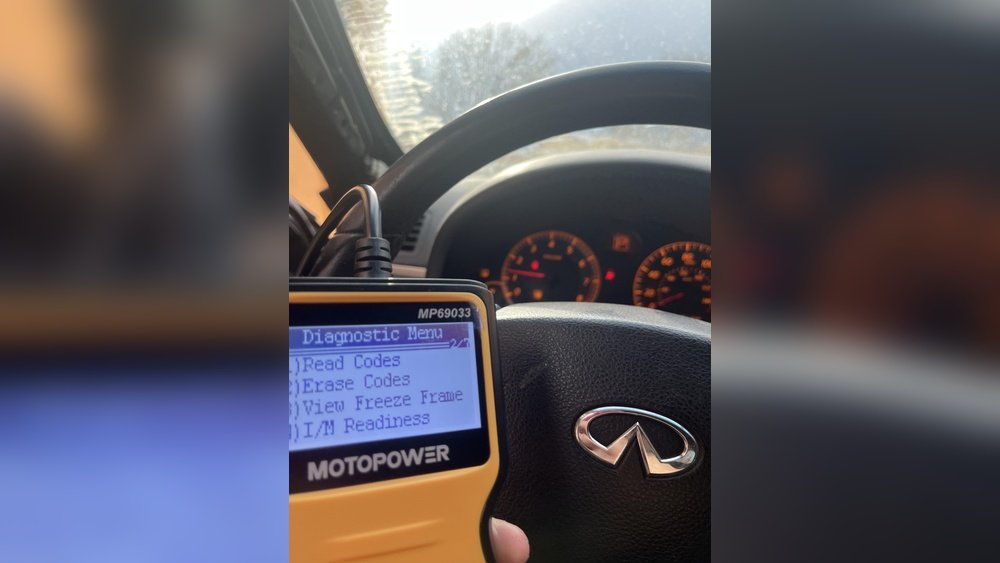
Use an OBD-II scanner to read trouble codes from your car. These codes explain why the check engine light is on. Understanding the cause helps you fix the problem properly. Many auto parts stores offer free code reading.
Fix Minor Issues Promptly
Address small problems like loose gas caps or dirty air filters. These can trigger the check engine light. Fixing them is often quick and inexpensive. Doing so may turn the light off before inspection.
Drive Your Car Before Inspection
Drive your car for at least 20 minutes to reset the system. This lets the car run self-checks and clear some errors. A reset system might turn off the check engine light. It shows your car is ready for inspection.
Check Emissions Readiness Monitors
Make sure your car’s emissions system tests are complete. Readiness monitors show if the car passed self-tests. If monitors are not ready, your car may fail inspection. Use a scanner to verify monitor status before the test.
Visit A Trusted Mechanic
Have a mechanic inspect the car if the light stays on. A professional can find hidden issues. Repairs done by experts increase the chance of passing. This step saves time and avoids surprise failures.

Credit: www.youtube.com
Frequently Asked Questions
Can A Car Pass Inspection With The Check Engine Light On?
Most states do not allow a car to pass inspection if the check engine light is on. The light signals a problem that needs fixing. It shows the car’s emissions or engine has an issue.
What Does The Check Engine Light Mean For Inspections?
The check engine light means the vehicle has detected a fault. This can affect emissions and safety checks. Inspectors usually fail cars with this light on.
Can Minor Issues Keep A Car From Passing Inspection?
Yes, even small engine problems can cause a check engine light. These issues may cause a failed emissions test. It’s best to fix all problems before inspection.
How To Check If The Check Engine Light Will Fail Inspection?
Use an OBD-II scanner to read error codes from the car. Some codes indicate serious issues that fail inspections. Clearing codes without fixing problems is not recommended.
Can A Car Pass Inspection After Fixing The Check Engine Light Issue?
Yes, fixing the cause of the check engine light helps pass inspection. The light must turn off and stay off during the test. A reset or repair makes the car ready.
Conclusion
A check engine light can affect your car’s inspection result. Many states do not allow passing with the light on. The light signals a problem that needs fixing. Ignoring it may lead to bigger issues and costs. Getting the car checked and repaired helps ensure safety.
Passing the inspection means your car meets required standards. Keep your vehicle in good shape for smooth inspections. Regular maintenance prevents unexpected failures and saves money. Don’t wait; address the check engine light promptly. Your car and your wallet will thank you.