Where Should You Apply Dielectric Grease With a Lead Shim: Expert Tips
If you work with electrical connections or automotive parts, you know how important it is to protect them from corrosion and wear. Dielectric grease is a simple, effective way to keep your components safe, but knowing exactly where to apply it can make all the difference.
When a lead shim is involved, the question becomes even more critical. You might be wondering: where should you apply dielectric grease with a lead shim to get the best protection without causing problems? This article will clear up the confusion and give you straightforward advice you can trust.
Keep reading to make sure your connections stay strong and reliable.

Credit: www.kent-automotive.com
Purpose Of Dielectric Grease
Dielectric grease plays an important role in protecting electrical connections. It stops moisture, dirt, and other contaminants from causing damage. This grease acts as a barrier to prevent corrosion and rust. Using it helps keep connections safe and working well.
Applying dielectric grease correctly improves the lifespan of electrical parts. It also prevents electrical shorts by insulating the connections. The grease does not conduct electricity, so it does not interfere with the current flow. Instead, it keeps the connection clean and dry.
What Does Dielectric Grease Do?
Dielectric grease seals out water and dust from electrical connections. It protects metal parts from corrosion and rust. The grease also stops the connections from freezing or sticking. This keeps the electrical system reliable and safe.
Why Use Dielectric Grease With A Lead Shim?
Lead shims create tight connections between parts. Applying dielectric grease on these shims prevents corrosion at the contact points. The grease helps maintain a stable and secure electrical path. This avoids power loss and connection failures.
Where To Apply Dielectric Grease?
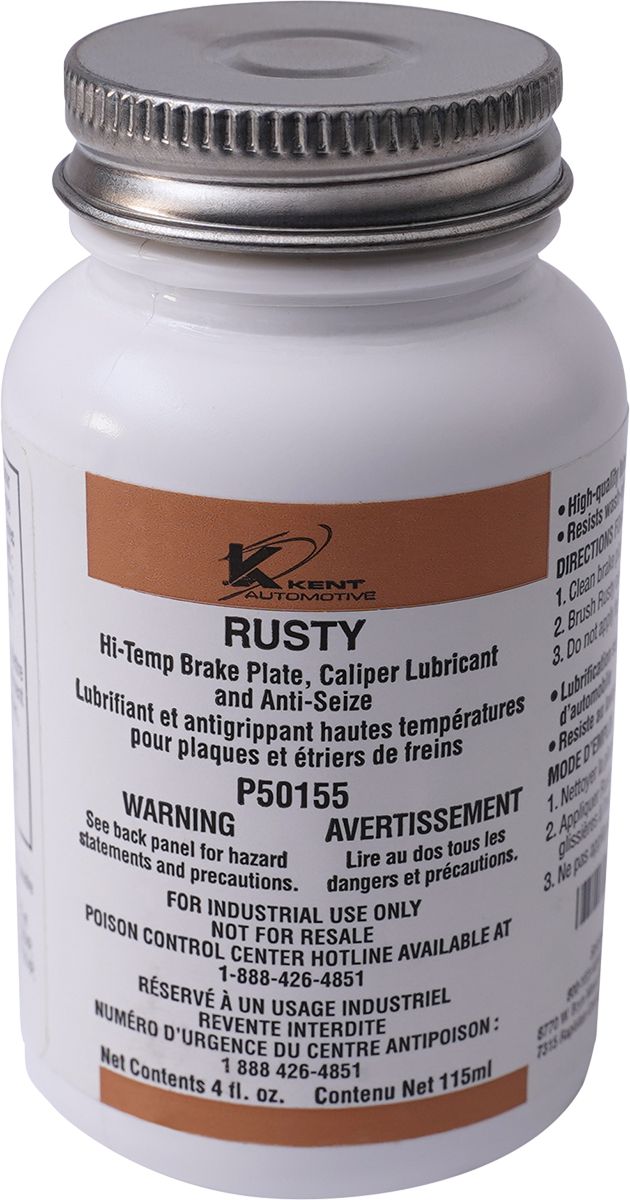
Apply dielectric grease on the surfaces of lead shims that touch metal parts. Spread a thin, even layer on the shim and connector. Avoid overusing grease, which can cause mess or attract dirt. The goal is to protect the connection, not cover it completely.
Credit: www.kent-automotive.com
Role Of Lead Shims In Electrical Connections
Lead shims play a vital role in electrical setups. They help create a stable, secure connection between parts. This ensures electricity flows smoothly and safely.
Lead shims adjust the gap between metal parts. They fill space and prevent loose contacts. Loose contacts can cause sparks or heat, leading to damage.
These shims also protect against corrosion. They block moisture and dirt from reaching the connection. This extends the life of electrical components.
Improving Contact Pressure
Lead shims increase the pressure at the connection point. This tight pressure stops parts from moving or vibrating loose. A steady connection improves electrical flow.
Preventing Metal Wear
By placing lead shims, metal parts do not rub directly. This reduces wear and tear on the metals. It helps keep the connection intact for longer.
Reducing Electrical Resistance
Lead shims fill gaps and prevent air pockets. Air pockets can increase resistance and cause heat. Using shims keeps resistance low and the connection cool.
Key Areas To Apply Dielectric Grease
Applying dielectric grease correctly is important for electrical connections. It helps stop moisture, dirt, and corrosion. This keeps connections working well for a long time. Focus on key spots where grease protects the parts best. These spots include where the lead shim touches the connector, wire terminals, and spark plug boots.
Between Lead Shim And Connector
Apply a thin layer of dielectric grease between the lead shim and the connector. This blocks moisture from entering the connection. It also stops corrosion from building up. The grease creates a seal that keeps the connection clean and dry. This helps maintain a strong electrical link.
On Wire Terminals
Coat wire terminals with dielectric grease before connecting them. The grease prevents rust and corrosion on the metal parts. It also makes it easier to disconnect wires later. This protects the terminal’s surface from dirt and water. It ensures a good electrical connection over time.
Around Spark Plug Boots
Put dielectric grease inside and around spark plug boots. This prevents moisture from causing shorts or corrosion. It also helps the boot slide on and off easily. The grease protects the rubber boot from cracking and drying out. This keeps the spark plug working properly and lasting longer.
Common Mistakes To Avoid
Applying dielectric grease only on the lead shim’s surface can cause poor contact. Avoid using too much grease, as it may block electrical connections. Always spread a thin, even layer to protect against moisture and corrosion.
Applying Too Much Dielectric Grease
Using too much dielectric grease can cause problems. Excess grease may block electrical connections. It can trap dirt and moisture instead of keeping them out. A thin layer is enough to protect the contact points. Spread the grease evenly without overdoing it.
Putting Grease On The Wrong Parts
Grease should only go on the metal surfaces that connect. Avoid putting grease inside the lead shim itself. Grease on the lead shim may reduce its effectiveness. It can cause poor electrical contact or even corrosion. Focus on the connectors and terminals only.
Ignoring Cleanliness Before Application
Applying grease on dirty or rusty parts reduces its benefits. Dirt and rust block good contact between parts. Clean all surfaces thoroughly before using dielectric grease. Use a brush or cloth to remove old grease and grime. Clean parts help ensure a strong, lasting connection.
Using Dielectric Grease As A Conductor
Dielectric grease does not conduct electricity. It insulates and protects connections. Never use it to improve electrical flow. Its purpose is to prevent corrosion and moisture damage. Always rely on clean, solid metal contacts for conductivity.
Neglecting To Check Compatibility
Some lead shims and connectors may not work well with certain greases. Check the product instructions or manufacturer advice. Using incompatible grease can cause damage or reduce performance. Choose a dielectric grease that suits your specific application.
Tips For Effective Application
Applying dielectric grease with a lead shim requires care and precision. The right steps ensure good protection and long-lasting results. Follow simple tips to apply grease effectively and avoid common mistakes.
These tips focus on surface preparation, the amount of grease, and even spreading. Correct application helps prevent corrosion and keeps electrical parts working well.
Clean The Surface Thoroughly
Start by cleaning the area where you will apply grease. Dirt and oil reduce the grease’s effectiveness. Use a clean cloth and a mild cleaner to remove all residue. Let the surface dry completely before moving on.
Use A Thin, Even Layer
Apply a thin layer of dielectric grease on the lead shim. Too much grease can cause issues. Spread it evenly to cover the entire surface. This ensures good insulation and prevents moisture from entering.
Avoid Grease On Contact Points
Do not put grease on areas that need to conduct electricity. These include metal contacts or connectors. Grease can block electrical flow and cause failures. Focus on insulating parts only.
Check For Proper Fit
After applying grease, place the lead shim carefully. Make sure it fits snugly without gaps. A loose fit can let moisture in, defeating the purpose of the grease. Adjust if needed before securing the parts.
Wear Gloves For Clean Application
Use gloves to keep your hands clean and avoid contamination. Dirt or sweat on your hands can mix with the grease. This reduces its effectiveness and may cause corrosion.

Credit: www.ebay.com
Frequently Asked Questions
Where Exactly Should Dielectric Grease Be Applied With A Lead Shim?
Apply dielectric grease on the contact surfaces of the lead shim. This prevents corrosion and improves electrical connection. Avoid excess grease to keep parts clean.
Why Use Dielectric Grease With A Lead Shim In Electrical Parts?
Dielectric grease blocks moisture and dirt from damaging contacts. It also reduces wear and stops electrical shorts. This keeps parts working longer.
Can Dielectric Grease Affect The Performance Of A Lead Shim?
Dielectric grease does not affect lead shim performance negatively. It helps maintain good electrical contact and prevents corrosion. Use a thin layer for best results.
How Often Should Dielectric Grease Be Reapplied On A Lead Shim?
Reapply dielectric grease during regular maintenance or if contacts look dry. Check at least once a year for good protection. Clean old grease before adding new.
Is It Safe To Use Dielectric Grease On All Lead Shim Types?
Dielectric grease is safe for most lead shims used in electrical setups. Avoid mixing with incompatible materials like some plastics. Always read product labels before use.
Conclusion
Applying dielectric grease with a lead shim helps protect electrical connections. Use it on metal surfaces where the shim touches wires or terminals. This prevents corrosion and keeps the connection strong. Do not apply too much grease; a thin layer works best.
Remember to clean the area before applying grease for better results. Proper use of dielectric grease extends the life of your electrical parts. Keep your connections safe and reliable with this simple step.