How to Check If Alternator is Working Without Multimeter: Easy Steps
Is your car battery acting up, or are your headlights dimming when the engine runs? You might suspect your alternator is the culprit.
But what if you don’t have a multimeter handy to check it? Don’t worry—you can still find out if your alternator is working without any fancy tools. You’ll discover simple, effective ways to test your alternator with things you probably already have.
Keep reading, because knowing how to spot alternator problems early can save you from getting stranded or facing costly repairs. Let’s get started and make sure your car’s electrical system is running smoothly.

Credit: www.youtube.com
Signs Of A Failing Alternator
Knowing the signs of a failing alternator helps avoid car breakdowns. The alternator charges the battery and powers the electrical system. When it starts to fail, the car shows clear signs. Recognizing these signs early can save time and money.
Dim Or Flickering Headlights
Headlights may become dim or flicker while driving. This happens because the alternator cannot supply steady power. Dim lights at low engine speed also point to alternator trouble.
Warning Light On Dashboard
A battery or alternator warning light often appears on the dashboard. This light signals an electrical problem. It usually looks like a battery or reads “ALT” or “GEN.”
Strange Noises From The Engine
Grinding or whining noises can come from the alternator area. These sounds mean the alternator bearings or belts are worn out. Ignoring these noises can lead to total failure.
Electrical Failures
Power windows, radio, or dashboard lights may stop working properly. Electrical systems depend on the alternator’s power supply. Problems in these systems can indicate alternator issues.
Dead Battery
A dead battery can mean the alternator is not charging it. If the car needs frequent jump starts, the alternator could be faulty. The battery alone is often not the problem.
Credit: www.autozone.com
Visual Inspection Techniques
Visual inspection techniques help check an alternator without a multimeter. They are simple and quick steps anyone can follow. These techniques focus on spotting visible signs of damage or wear.
Start by opening the hood and locating the alternator. It is usually near the front of the engine and has a belt connected to it. Careful observation can reveal a lot about its condition.
Check The Alternator Belt
Look closely at the belt that drives the alternator. See if it is loose, cracked, or worn out. A loose or broken belt can stop the alternator from charging the battery properly.
Inspect The Wiring And Connections
Examine the wires connected to the alternator. Look for frayed, burnt, or loose wires. Poor connections can cause charging problems and electrical issues.
Look For Physical Damage
Search for cracks, dents, or corrosion on the alternator’s body. Damage can affect its performance and cause failure. Dirt and rust may also indicate long-term neglect.
Listen For Unusual Noises
With the engine running, listen near the alternator. Grinding, squealing, or rattling sounds may mean internal damage. These noises should not be ignored.
Check For Warning Lights
Notice if the dashboard battery light is on. It often signals alternator trouble. This light appears when the alternator fails to charge the battery well.
Testing With A Headlight Check
Testing your car’s alternator without a multimeter is possible with a simple headlight check. This method helps you see if the alternator is charging the battery properly. The headlights act as a basic indicator of the alternator’s condition.
When the engine runs, the alternator should keep the headlights bright. Dim or flickering lights might mean the alternator is not working well. This test is quick and easy, perfect for anyone without special tools.
Preparing For The Headlight Test
Start by parking the car in a safe, dark place. Turn off all electrical devices like the radio and air conditioner. Switch on the headlights and note their brightness with the engine off.
Observing Headlight Brightness With Engine On
Start the engine and watch the headlights closely. The lights should become brighter or stay steady. If the lights dim or flicker, the alternator may be weak or failing.
Testing Under Load Conditions
Turn on the air conditioner or other electrical devices. Check if the headlights stay bright. A good alternator will keep the lights steady even with more electrical load.
What Headlight Behavior Indicates
Bright, steady headlights mean the alternator is likely working. Dim or flickering lights suggest charging problems. This simple test helps spot alternator issues early without tools.
Using A Battery Voltage Test
Using a battery voltage test helps check your alternator without a multimeter. It shows if the alternator charges the battery properly. This method uses the car’s battery and a simple test.
Check the battery voltage before and after starting the engine. The voltage change tells if the alternator is working well. A healthy alternator raises the battery voltage when the engine runs.
Prepare Your Car For Testing
Make sure the car is off and parked safely. Open the hood and find the battery terminals. Clean any dirt or corrosion on the terminals for a good connection. Keep the car in neutral or park mode with the parking brake on.
Test Battery Voltage With The Engine Off
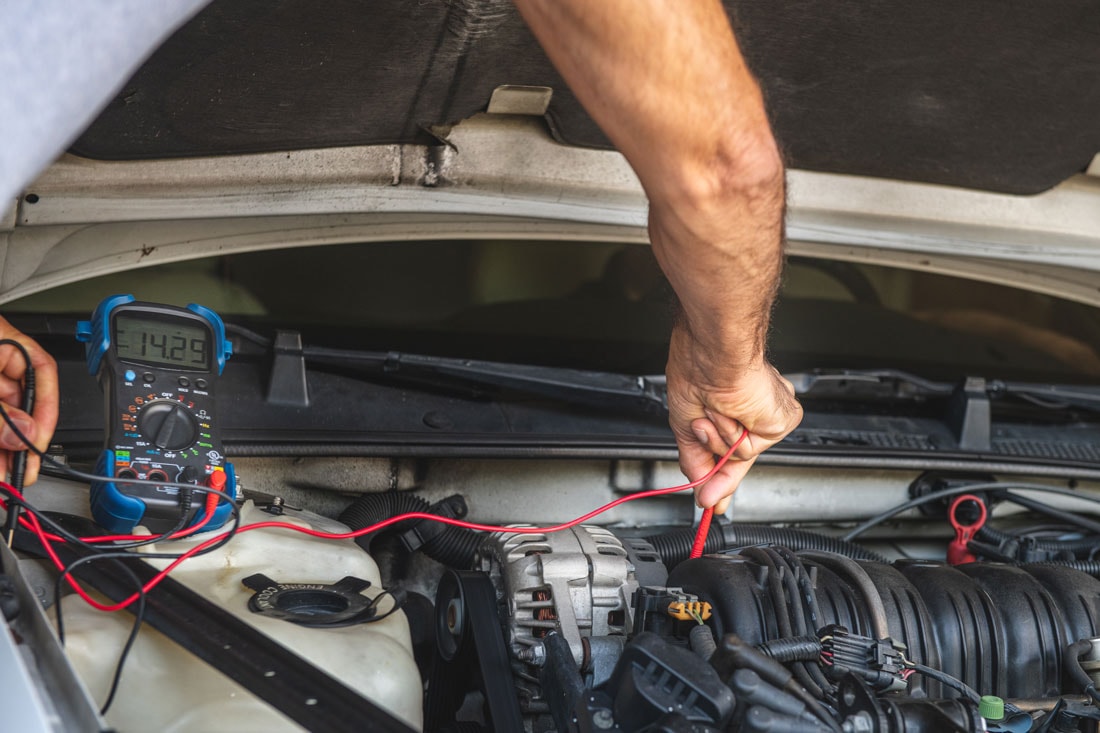
Use a basic car voltmeter or a test light to check the battery voltage. Connect the tester to the battery terminals. A fully charged battery shows around 12.6 volts with the engine off. Lower voltage means the battery may be weak or discharged.
Test Battery Voltage With The Engine Running
Start the engine and keep it running. Test the battery voltage again using the same method. The voltage should increase to about 13.8 to 14.5 volts. This increase means the alternator is charging the battery correctly. If voltage stays the same or drops, the alternator might not work properly.
Check Voltage During Electrical Load
Turn on the headlights, radio, and heater fan. These devices put extra load on the battery. Watch the voltage reading again. A working alternator keeps the voltage steady or slightly higher. A drop in voltage shows the alternator may be failing.
Listening For Unusual Noises
Listening for unusual noises can help find alternator problems. The alternator makes sounds when it works right. Strange noises often point to trouble inside the unit. A careful listen can save time and money.
Start the engine and stay near the front of the car. The alternator is usually on the engine’s front side. Pay close attention to any odd sounds coming from there. Sounds that differ from normal engine noise need checking.
Grinding Or Growling Sounds
Grinding or growling noises may mean the alternator bearings are bad. Bearings help the alternator spin smoothly. Worn bearings cause rough sounds and can lead to failure. If you hear grinding, the alternator might need replacing soon.
Squealing Or Chirping Noises
Squealing or chirping often comes from a loose or worn belt. The belt drives the alternator pulley. A slipping belt makes a high-pitched noise. Tightening or changing the belt can fix this problem.
Whining Or Buzzing Sounds
Whining or buzzing noises may come from electrical issues inside the alternator. These sounds might mean the alternator is struggling to produce power. It could signal worn brushes or a bad voltage regulator. Such problems need professional attention.

Credit: www.youtube.com
Frequently Asked Questions
How Can I Tell If My Alternator Is Failing?
Look for dimming lights or a dead battery. Strange noises or electrical issues also signal alternator problems.
What Are Signs Of A Bad Alternator Without A Multimeter?
Flickering dashboard lights and a weak battery charge are common signs. Car stalling or trouble starting can also indicate failure.
Can A Car Run If The Alternator Is Not Working?
A car can run briefly on the battery alone. But it will stop once the battery drains.
How To Test Alternator Output Without Special Tools?
Start the car and turn on headlights. If lights dim when revving the engine, the alternator may be weak.
Why Does My Car Battery Keep Dying If Alternator Is Good?
Loose or corroded battery cables cause poor charging. Also, a faulty battery or electrical drain can mimic alternator issues.
Conclusion
Checking your alternator without a multimeter is simple and fast. Watch for signs like dim lights or strange noises. Test the battery by starting the car and observing the dashboard. A healthy alternator keeps the car running smoothly and the battery charged.
These easy steps help you spot problems early. Stay safe and save money by doing this basic check yourself. Trust your senses and routine checks to keep your vehicle in good shape.