How to Get Rid of Condensation Inside Car Windshield: Easy Fixes
Have you ever sat in your car on a cold morning, only to find your windshield covered in stubborn condensation? It’s frustrating, unsafe, and can delay your day.
But what if you could quickly clear that fog and keep your windshield crystal clear every time you drive? You’ll discover simple, effective ways to get rid of condensation inside your car windshield. Whether you’re rushing to work or heading out on a trip, these easy tips will help you see clearly and drive safely.
Keep reading to learn how to beat the fog for good.
Credit: www.youtube.com
Causes Of Windshield Condensation
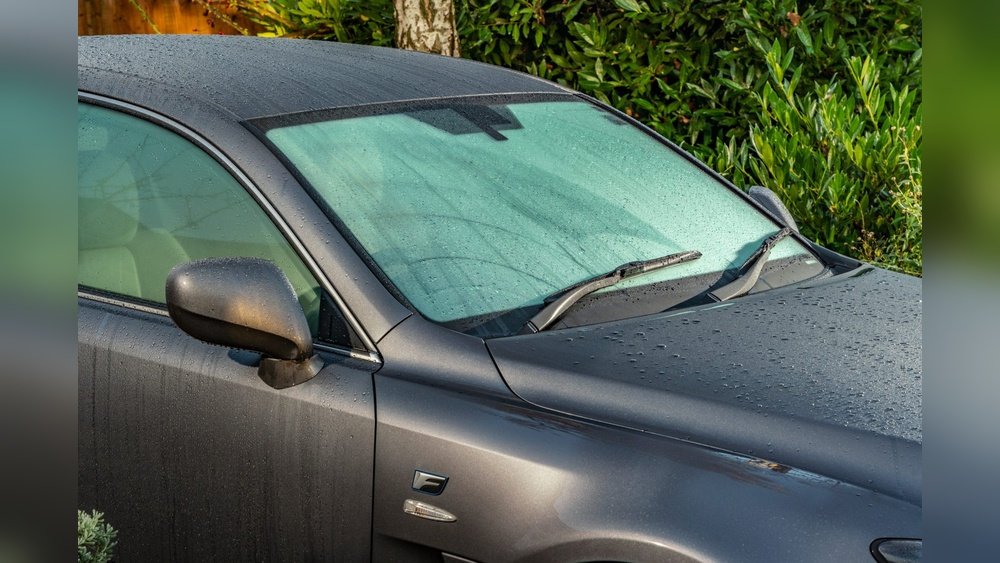
Condensation on a car windshield happens when moisture collects inside the glass. This moisture turns into tiny water droplets. It creates a foggy layer that blocks your view. Understanding what causes this helps prevent it.
Several factors cause windshield condensation. They often work together, making the problem worse. Knowing these causes makes it easier to stop condensation from forming.
Humidity Inside The Car
Moisture comes from wet clothes, breath, and even spilled drinks. This moisture raises the humidity level inside the car. Warm, moist air touches the cold windshield glass. Water droplets form, causing condensation.
Temperature Differences
Cold windshields and warm car air create a temperature gap. Warm air holds more moisture. When it hits the cold glass, the air cools down. This forces water to condense on the windshield.
Blocked Air Vents
Air vents help move air and reduce moisture inside the car. Blocked or dirty vents stop airflow. Without airflow, moisture builds up inside. This increases the chance of condensation on the windshield.
Wet Interior Surfaces
Wet floor mats, seats, and upholstery add moisture to the air. This moisture evaporates and raises humidity inside the car. The wet surfaces keep the air damp, leading to more condensation.
Leaky Seals Or Windows
Water can enter the car through broken seals or windows. Rain or car wash water leaks inside. This adds moisture to the car’s interior. The extra water raises humidity and causes condensation.

Credit: www.startrescue.co.uk
Signs Of Excess Moisture Inside Car
Excess moisture inside a car causes many problems. It can fog up windows and damage the interior. Recognizing the signs early helps keep your car dry and safe. These signs show moisture buildup inside your vehicle.
Notice these clues to act quickly and prevent further damage.
Fogged Or Cloudy Windows
Windows fog up when moisture condenses on the glass. This happens more often inside the windshield. It blocks your view and makes driving unsafe. Frequent fogging means there is excess moisture inside the car.
Musty Or Damp Smell
A damp, moldy smell points to moisture buildup. This odor grows stronger over time. It can cause discomfort and may indicate hidden water damage. Check your car’s interior for wet spots or leaks.
Wet Carpets And Seats
Carpets or seats feel wet or damp even after drying outside. This means water is trapped inside. It might come from rain, leaks, or humidity. Wet upholstery encourages mold growth and rotting materials.
Visible Water Drops Or Puddles
Look for water drops on the dashboard or floor. Small puddles inside the car show serious moisture problems. Water may enter through damaged seals or windows. This issue needs immediate attention to prevent damage.
Quick Fixes To Clear Condensation
Condensation on your car windshield can block your view and cause unsafe driving. Quick fixes help clear it fast. These simple steps stop fog and improve visibility immediately. Use tools and techniques easy to do while driving or parked.
Using Defrosters And Air Conditioning
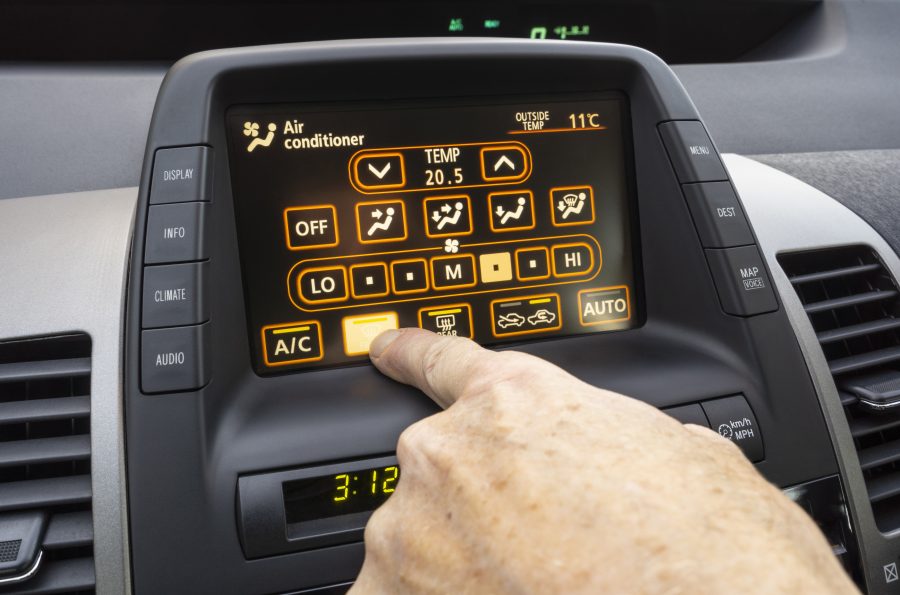
Turn on the defroster to warm the windshield glass. Warm air melts the condensation quickly. Set the air conditioner on to reduce moisture inside the car. Use fresh air mode instead of recirculation. This brings dry air from outside, helping clear fog faster.
Wiping With Absorbent Cloths
Keep a clean, soft cloth inside your car. Use it to wipe the inside windshield gently. Choose a microfiber cloth for best results. Avoid rough fabrics that can scratch the glass. Wiping removes moisture and clears your view instantly.
Applying Anti-fog Sprays
Anti-fog sprays prevent condensation from forming. Spray a thin layer on the inside of the windshield. Let it dry before driving. These sprays create a clear barrier that stops fog buildup. Use regularly for best protection during cold or humid weather.
Preventing Future Condensation
Preventing condensation inside your car windshield saves time and improves safety. Moisture builds up inside the car and sticks to the glass, blocking your view. Stopping this problem starts with simple habits and car care. Keep moisture out before it forms on the glass.
Focus on controlling air flow and fixing leaks to keep the inside dry. These steps reduce fog and make driving safer and more comfortable.
Maintaining Proper Ventilation
Ventilation helps move moist air out of your car. Use the air conditioner or heater to clear humidity. Open windows slightly on dry days to let fresh air in. Avoid using recirculate mode for long periods. It traps moisture inside and causes fog.
Check that air vents are clean and not blocked. Clean filters regularly to keep air flowing well. Good ventilation stops moisture from building on your windshield.
Checking For Water Leaks
Water leaks add moisture inside your car. Check door seals and window edges for cracks or damage. Look for damp spots on seats or carpets. Fix any leaks quickly to prevent water from entering.
Inspect the sunroof and trunk seals too. Water can sneak in through these areas. Keeping your car dry reduces condensation problems significantly.
Using Diy Remedies For Moisture Control
Moisture inside a car windshield can be annoying and dangerous. It blocks your view and makes driving risky. DIY remedies can help control this moisture. These simple methods work well and cost little. You can try them at home with easy-to-find items.
Silica Gel Packs
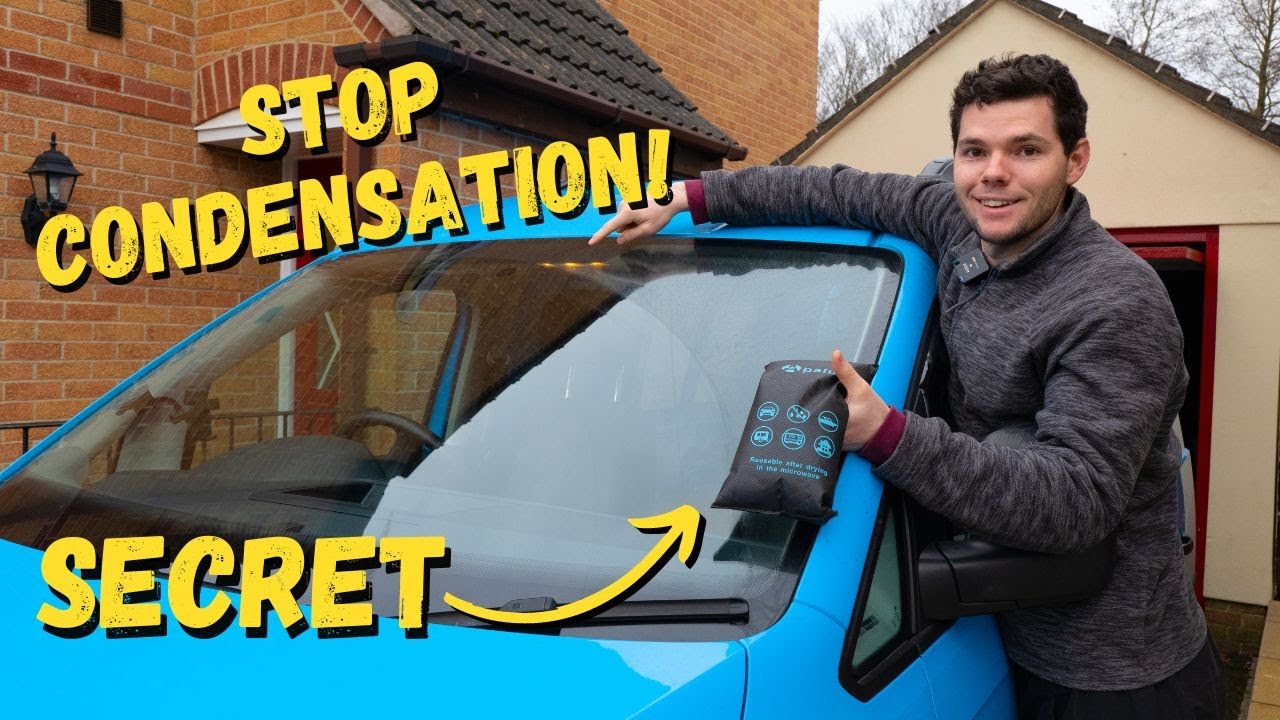
Silica gel packs absorb moisture from the air. You often find them in new shoes or bags. Keep a few packs inside your car. Place them on the dashboard or under the seats. They soak up moisture and reduce fog on the windshield. Replace the packs every few weeks to keep them effective.
Charcoal And Baking Soda
Charcoal is great at pulling moisture from the air. Put some charcoal pieces in a breathable cloth bag. Place the bag on the dashboard or near the windshield. Baking soda works too. Put a small bowl of baking soda in the car. It absorbs moisture and bad smells. Change the charcoal or baking soda every month for best results.
When To Seek Professional Help
Condensation inside a car windshield can sometimes signal deeper issues. Knowing when to seek professional help can save time and money. It also ensures your safety on the road. Small fixes you can handle at home, but some problems need expert care.
Persistent Fogging Despite Diy Efforts
If the windshield stays foggy after wiping and airing out, a professional should check it. Persistent moisture might mean a hidden leak or faulty seals. Experts can find and fix these problems quickly.
Water Leaks Inside The Car
Notice wet carpets or damp smells inside the vehicle? Water leaks cause condensation and can damage the interior. A technician can locate leaks and repair them properly to stop moisture buildup.
Heater Or Defroster Malfunctions
Defrosters and heaters clear condensation fast. If these systems fail, fogging worsens. Professionals can diagnose and fix heating system issues to keep your windshield clear.
Cracks Or Damage On The Windshield
Cracks or chips allow moisture inside the glass layers. This leads to fogging that you cannot wipe away. Only a windshield specialist can repair or replace damaged glass safely.
Credit: mag.toyota.co.uk
Frequently Asked Questions
How To Stop Windshield Condensation Quickly?
Turn on the car’s defroster and use air conditioning. Open a window slightly to improve airflow and reduce moisture inside.
Why Does Condensation Form Inside Car Windshields?
Condensation happens when warm, moist air meets a cold windshield. This causes water droplets to form on the glass surface.
Can Using A Dryer Sheet Remove Windshield Fog?
Yes, wiping the windshield with a dryer sheet can reduce fog. It leaves a thin film that helps prevent moisture buildup.
Does Parking In The Sun Prevent Windshield Condensation?
Parking in sunlight warms the car and helps dry out moisture. This reduces the chance of condensation forming on the windshield.
How To Keep Windshield Clear In Cold Weather?
Use the defrost setting and keep the heater on low. Remove snow and ice before driving to keep the windshield dry.
Conclusion
Condensation inside your car windshield can be annoying and unsafe. Use simple steps like turning on the defroster and opening windows to clear it fast. Keep your car dry and clean to stop moisture buildup. Regularly check for leaks that let water inside.
These small habits help keep your windshield clear and your drive safe. Stay alert and take quick action when you see fog. Clear glass means better vision and safer trips every time.