
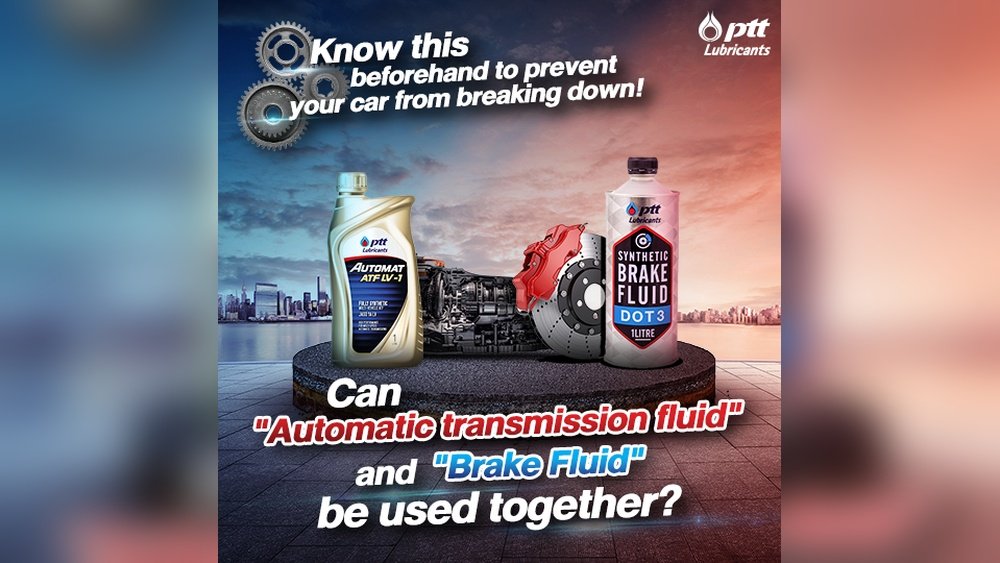
Can You Use Automatic Transmission Fluid for Brake Fluid? Shocking Truth!
Have you ever found yourself staring at your car’s brake fluid and wondering if automatic transmission fluid could be a quick fix? It’s a question many drivers ask when they’re in a pinch or looking to save a few bucks.
But before you pour one fluid into the other, it’s important to understand what each does and why mixing them could be risky. You’ll discover the truth about using automatic transmission fluid as brake fluid—and what you should do instead to keep your car safe and running smoothly.
Keep reading, because this simple knowledge could save you from costly repairs or even dangerous situations on the road.
Differences Between Automatic Transmission Fluid And Brake Fluid
Automatic transmission fluid and brake fluid serve different purposes in a car. Using transmission fluid as brake fluid can cause serious damage. Brake fluid needs special properties that transmission fluid does not have.
What Is Automatic Transmission Fluid?
Automatic transmission fluid (ATF) helps the car’s transmission work smoothly. It acts as a lubricant, coolant, and hydraulic fluid. ATF is designed to handle high heat and pressure inside the transmission. It also helps with shifting gears without friction or damage.
What Is Brake Fluid?
Brake fluid is a special liquid used in the brake system. It transfers force from the brake pedal to the brake parts. This fluid must be very stable and resist boiling under heat. Brake fluid also must not compress under pressure to keep brakes working well.
Key Chemical Differences
ATF and brake fluid have very different chemical makeups. ATF is usually oil-based, while brake fluid is glycol-based or silicone-based. These differences affect how each fluid reacts to heat and pressure. Using the wrong fluid can cause damage to the car parts.
Different Functions In The Vehicle
ATF lubricates and cools transmission parts. Brake fluid transfers pressure in the brake system. Brake fluid must remain stable and not compress. ATF needs to reduce friction and protect metal parts from wear.
Why You Should Not Swap Them
Brake fluid and ATF are not interchangeable. Using ATF in brakes can cause brake failure. Using brake fluid in transmission can harm transmission seals. Always use the correct fluid for each system to keep your car safe.

Credit: www.reddit.com
Risks Of Using Transmission Fluid As Brake Fluid
Using automatic transmission fluid as brake fluid carries serious risks. These two fluids serve very different purposes in a vehicle. Brake fluid must handle high heat and pressure without breaking down. Transmission fluid is designed for lubrication and cooling, not for braking systems. Mixing them can cause brake failure and safety hazards.
Brake systems rely on specific fluid properties to function correctly. Transmission fluid lacks these properties. This mismatch leads to damage and poor brake performance. Understanding these risks helps protect your vehicle and safety.
Brake System Failure
Transmission fluid does not compress like brake fluid. It cannot transfer force properly in the brake system. This causes brakes to feel soft or unresponsive. Brake failure can happen suddenly, putting drivers at risk.
Damage To Brake Components
Automatic transmission fluid contains additives that can damage brake seals. These seals keep the system airtight and fluid-tight. When damaged, fluid leaks occur, reducing braking power. Repair costs rise quickly due to this damage.
Reduced Heat Resistance
Brake fluid must resist high temperatures from braking friction. Transmission fluid breaks down faster under heat. This breakdown leads to vapor formation inside brake lines. Vapor causes spongy brakes and loss of control.
Corrosion And Contamination
Transmission fluid can cause corrosion in brake system parts. It does not protect metal components like brake fluid does. Contamination from transmission fluid reduces the lifespan of brake parts. This contamination leads to frequent repairs.
How Brake Fluid Works In Your Vehicle
Brake fluid plays a crucial role in your vehicle’s braking system. It transfers the force from your foot on the brake pedal to the brake pads. This force allows your car to slow down or stop.
The fluid moves through thin metal tubes and hoses inside the brake system. It pushes the brake pads against the wheels, creating friction. This friction is what stops the car from moving.
Brake fluid must resist high temperatures and pressure. It also needs to avoid absorbing moisture, which can cause brake failure. Maintaining the right brake fluid keeps your braking system safe and reliable.
What Brake Fluid Does
Brake fluid transfers force from the brake pedal to the brakes. It acts like a messenger inside the brake lines. Without it, your brakes would not work properly.
The fluid flows through the brake lines quickly and smoothly. It helps apply pressure evenly to all wheels. This even pressure stops the car safely and steadily.
Types Of Brake Fluid
There are different types of brake fluid. Each has a specific formula for temperature and performance needs. The most common types are DOT 3, DOT 4, and DOT 5.1.
Each type has different boiling points and chemical properties. Choosing the right brake fluid is important for your vehicle’s safety. Using the wrong type can cause damage or brake failure.
Why Brake Fluid Is Different From Other Fluids
Brake fluid is not the same as other car fluids. It has unique properties that handle heat and pressure well. Automatic transmission fluid, for example, cannot replace brake fluid.
Brake fluid must stay liquid under high heat. It also must not compress under pressure. Other fluids might fail, causing dangerous brake problems.
What Happens If You Mix The Two Fluids
Mixing automatic transmission fluid with brake fluid causes serious problems. These two fluids have different chemical properties. They are made for different tasks in your vehicle. Using one instead of the other can damage parts and reduce safety.
Brake fluid must handle high heat and pressure. It also resists water and keeps the brake system working well. Transmission fluid lubricates gears and cools the transmission. It has additives that do not work in brakes.
Brake System Damage
Transmission fluid can cause brake seals to swell or break. This leads to leaks and loss of brake pressure. Your brakes may fail or feel soft. This is dangerous while driving and could cause accidents.
Reduced Brake Performance
Brake fluid helps transfer force from the pedal to the brakes. Transmission fluid is thicker and does not flow well in brake lines. This slows the brake response. You may need more force to stop the car.
Corrosion And Contamination
Mixing fluids can cause rust and corrosion inside brake parts. Contaminants can block brake lines or valves. This reduces brake system reliability and lifespan. Repairs become costly and time-consuming.
Voided Vehicle Warranty
Using wrong fluid often voids the vehicle warranty. Manufacturers require specific fluids for each system. Repair bills must be paid out-of-pocket. It is best to use the right fluid for safety.
Proper Maintenance Tips For Brake Fluid
Proper maintenance of brake fluid is essential for safe driving. Brake fluid helps your brakes work well and keeps you safe on the road. Checking and changing the fluid regularly prevents brake problems. It also extends the life of your braking system.
Brake fluid absorbs moisture over time. This lowers its boiling point and can cause brake failure. Clean, fresh brake fluid ensures the brakes respond quickly and smoothly. Follow these tips to keep your brake fluid in good condition.
Check Brake Fluid Level Regularly
Open the hood and find the brake fluid reservoir. The fluid level should be between the minimum and maximum marks. Low fluid can cause soft brakes or brake failure. Add the correct brake fluid if the level is low. Do not overfill the reservoir.
Use The Correct Type Of Brake Fluid
Brake fluid comes in different types, such as DOT 3, DOT 4, and DOT 5. Use the type recommended in your vehicle’s manual. Mixing different types can cause damage to the brake system. Never use automatic transmission fluid as a substitute.
Replace Brake Fluid Periodically
Brake fluid should be changed every 1 to 2 years. Old fluid loses its effectiveness and collects moisture. Have a mechanic flush and replace the fluid to keep brakes working well. Regular replacement prevents corrosion in brake lines and parts.
Inspect For Leaks And Damage
Look for fluid leaks around brake lines and the reservoir. Leaks reduce brake fluid and brake power. Check for cracks or damage to brake hoses. Fix leaks and damaged parts immediately to avoid brake failure.

Credit: www.amazon.com

Credit: www.reddit.com
Frequently Asked Questions
Can Automatic Transmission Fluid Replace Brake Fluid Safely?
No, automatic transmission fluid cannot replace brake fluid safely. Brake fluid and transmission fluid have different chemical properties. Using the wrong fluid can damage brake components and cause failure.
What Happens If You Use Transmission Fluid In Brakes?
Using transmission fluid in brakes can cause brake failure. It reduces the brake system’s ability to work properly. This puts you and others at serious risk on the road.
Why Is Brake Fluid Different From Automatic Transmission Fluid?
Brake fluid is designed to handle high heat and pressure in brakes. Transmission fluid lubricates transmission parts and does not meet brake system needs. Their formulas are not interchangeable.
Can Mixing Brake Fluid And Transmission Fluid Cause Damage?
Yes, mixing these fluids can cause damage. It can lead to corrosion and brake system leaks. Always keep brake fluid and transmission fluid separate.
How To Choose The Right Fluid For Brakes?
Check your vehicle’s manual to find the correct brake fluid type. Use only recommended brake fluid for safety and proper function. Never substitute with other fluids.
Conclusion
Using automatic transmission fluid instead of brake fluid is not safe. These fluids have different properties and purposes. Brake fluid handles high heat and pressure. Transmission fluid does not work well in brakes. Using the wrong fluid can cause brake failure.
Always choose the correct brake fluid for your vehicle. Protect your safety by following manufacturer guidelines. Keep your brakes in good condition with the right fluid. Don’t risk your life or others on the road. Trust only proper brake fluid to keep brakes working well.