Which Gauges Normally Take Time to Reach Normal Operating Ranges: Essential Insights
Have you ever noticed some gauges in your vehicle or machinery take a while to settle into their normal range? It can be confusing and even worrying if you don’t know what to expect.
Understanding which gauges normally take time to reach their proper operating levels can save you from unnecessary stress and costly repairs. You’ll discover exactly which gauges need a warm-up period and why. Knowing this will help you keep your equipment running smoothly and avoid mistakes that many people make.
Keep reading to get the clear answers you need for your gauges.
Credit: therepairmanual.com
Engine Temperature Gauge
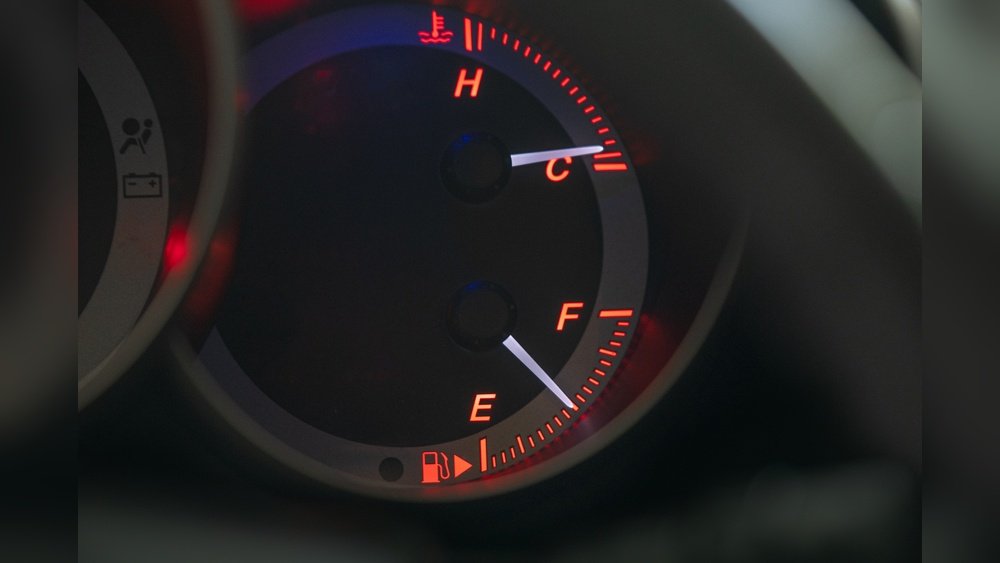
The engine temperature gauge shows the heat level of your car’s engine. It helps you know when the engine is too cold or too hot. This gauge takes time to reach the normal operating range after you start the car. Understanding this can help you protect your engine and improve its life.
Factors Affecting Warm-up Time
Cold weather makes the engine take longer to warm up. The type of coolant and thermostat condition also matter. Old or dirty coolant slows heating. A stuck thermostat can keep the engine cold. Engine size and design affect warm-up speed too.
Typical Operating Range
Most engines run between 195 and 220 degrees Fahrenheit. The gauge needle stays in the middle during normal operation. It moves slowly from cold to warm after starting. If it stays low or goes too high, it signals a problem.
Impact On Engine Performance
Running an engine too cold reduces fuel efficiency. It causes more engine wear and higher emissions. A warm engine works better and uses fuel well. Let the engine reach normal temperature before heavy driving. This keeps your car healthy and saves money.
Oil Pressure Gauge
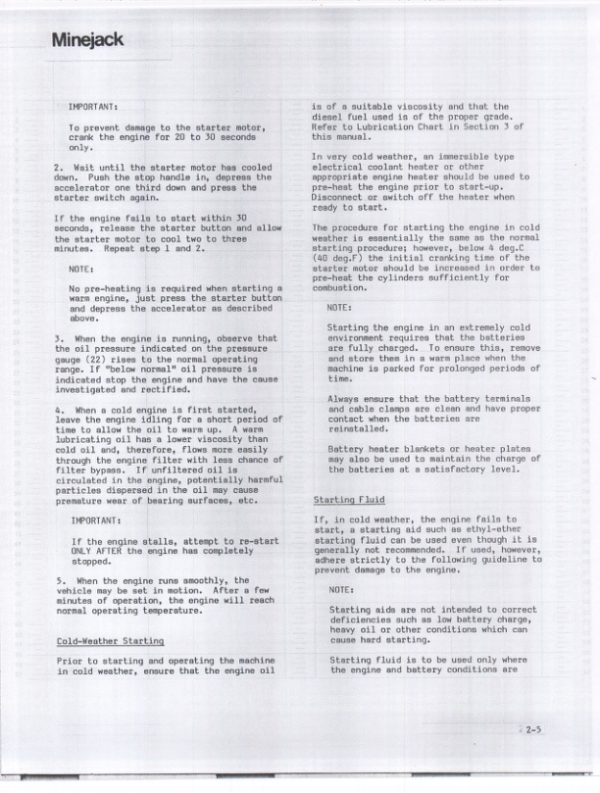
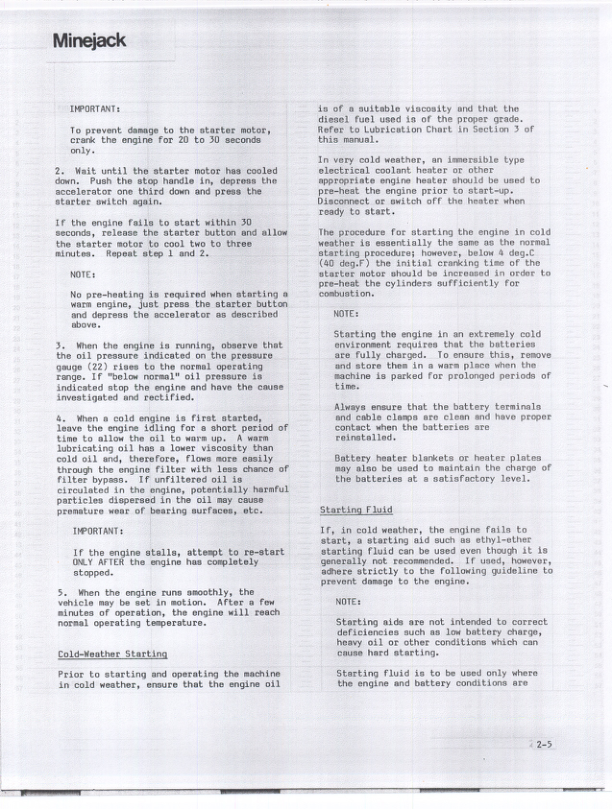
The oil pressure gauge shows the pressure of the engine oil. It helps to know if the engine is lubricated properly. This gauge is important for the health of your car’s engine. It often takes time to reach the normal range after you start the engine. Understanding why can help you spot issues early.
Why Oil Pressure Takes Time To Stabilize
When you start the engine, the oil is cold and thick. Thick oil flows slower through the engine parts. The oil pump needs time to push the oil fully. As the engine warms up, the oil thins and flows easier. This makes the pressure rise to normal levels slowly.
Normal Pressure Levels
Most engines show oil pressure between 20 and 60 psi at normal temperature. The exact number depends on your car model. The gauge needle should move up steadily after starting. It should stay steady while driving. Sudden drops or spikes are not normal.
Signs Of Abnormal Readings
Low oil pressure can mean low oil level or a failing oil pump. High pressure might show a blocked oil filter or thick oil. If the gauge stays low after warming up, check the oil and engine. Flickering or no movement on the gauge can signal a faulty sensor or gauge.
Fuel Pressure Gauge
The fuel pressure gauge shows the pressure inside the fuel system. It helps to check if the engine gets enough fuel. This gauge usually takes some time to reach its normal range after starting the engine. Understanding this delay helps in diagnosing fuel system issues early.
Delay In Fuel System Pressurization
The fuel system needs time to build pressure after the engine starts. The fuel pump pushes fuel through the lines slowly. Fuel filters and injectors also affect how fast pressure rises. This delay is normal for most vehicles. It usually takes a few seconds for the gauge to show the correct pressure.
Expected Pressure Range
The normal fuel pressure range depends on the vehicle model. Most cars show pressure between 30 and 60 psi. The gauge should stabilize in this range after the delay. Pressure lower or higher than this range can cause engine problems. Checking the manual helps to know the exact pressure values.
Consequences Of Low Fuel Pressure
Low fuel pressure can cause poor engine performance. The engine may hesitate or stall during driving. Fuel starvation can lead to hard starts or no start at all. Long-term low pressure can damage fuel injectors. Fixing pressure issues quickly helps keep the engine healthy.
Credit: therepairmanual.com
Battery Voltage Gauge
The battery voltage gauge shows the electrical power level of your vehicle’s battery. It helps you see if the battery is charging properly. This gauge does not always reach its normal range right away. It can take some time after you start the car.
Understanding how this gauge behaves can help you spot potential problems early. Watching the gauge can give clues about your car’s electrical system health.
Voltage Fluctuations During Startup
When you start the engine, the voltage may drop briefly. This happens because the starter motor uses a lot of power. The gauge needle may move down before going up. This drop is normal and usually lasts just a few seconds.
Steady-state Voltage Range
After the engine starts, the gauge should settle between 13.5 and 14.5 volts. This range shows the battery is charging well. The alternator works to keep the battery full while the engine runs. If the gauge stays outside this range, something might be wrong.
Effects Of Charging System Issues
Problems with the alternator or battery can cause the voltage gauge to act odd. The needle may stay low or jump up and down. A low reading can mean the battery is not charging. High voltage readings may damage electrical parts. Check the charging system if the gauge behaves strangely.
Turbo Boost Gauge
The turbo boost gauge shows the pressure inside the turbocharger system. It helps drivers see how much extra air the turbo pushes into the engine. This gauge does not always reach normal levels instantly. It needs time to build pressure as the engine warms up and the turbo spins faster.
Time For Turbo To Build Pressure
The turbo takes a few seconds to start creating boost after the engine runs. At low speeds or idle, the boost is usually low or zero. As the engine speed increases, the turbo spins faster and builds pressure. It may take 5 to 10 seconds or more to reach normal boost.
Normal Boost Levels
Normal boost levels depend on the vehicle and turbo size. Most cars with small turbos show boost around 7 to 14 psi. Bigger or performance turbos might reach 20 psi or higher. The gauge should stay steady at these levels during steady driving.
How Driving Conditions Affect Readings
Driving uphill or heavy acceleration makes the turbo build more boost. Light driving or cruising keeps boost low. Cold weather can slow the turbo from reaching full pressure fast. Watch the gauge to know how hard the engine works under different conditions.

Credit: www.climatecentral.org
Frequently Asked Questions
Which Gauges Take Longest To Reach Normal Operating Range?
Temperature gauges, especially engine coolant temperature, often take the longest. They need time for the engine to warm up fully. This ensures accurate readings without false alarms.
Why Do Oil Pressure Gauges Take Time To Stabilize?
Oil pressure builds as the engine oil circulates and warms up. It starts low at cold startup and rises to a steady level. This process can take a few minutes.
How Quickly Does The Fuel Gauge Reach Its Normal Range?
Fuel gauges usually show the correct level immediately after ignition. However, fuel sloshing in the tank can cause slight fluctuations. Settling happens within moments while driving.
What Affects The Time For Battery Voltage Gauge To Stabilize?
Battery voltage may dip initially when the engine starts due to the starter motor load. It then rises as the alternator charges the battery. This usually takes a minute or less.
Do Tachometers Take Time To Show Normal Engine Rpm?
Tachometers respond quickly but may fluctuate at idle during warm-up. Engine RPM stabilizes once the engine reaches normal temperature. This typically happens within a few minutes of running.
Conclusion
Gauges often need time to reach their normal ranges. This delay helps ensure accurate readings. Engines and machines warm up gradually, affecting gauge behavior. Knowing which gauges take time helps avoid confusion. Watch these gauges carefully during startup. Patience leads to better maintenance and safety.
Understanding this process keeps equipment running smoothly. Keep checking gauges until they stabilize. This small step protects your machine’s health. Simple awareness can prevent bigger problems later.