Area between Mounting Bracket And Center Support Bearing: Key Insights
When it comes to your vehicle’s drivetrain, every part plays a crucial role in keeping things running smoothly. One area that often gets overlooked is the space between the mounting bracket and the center support bearing.
You might wonder why this small gap matters or how it affects your car’s performance. Understanding this area can help you spot potential problems early and save you costly repairs down the road. Keep reading to discover what you need to know about the area between the mounting bracket and center support bearing—and how it impacts your ride.
Role Of Mounting Bracket
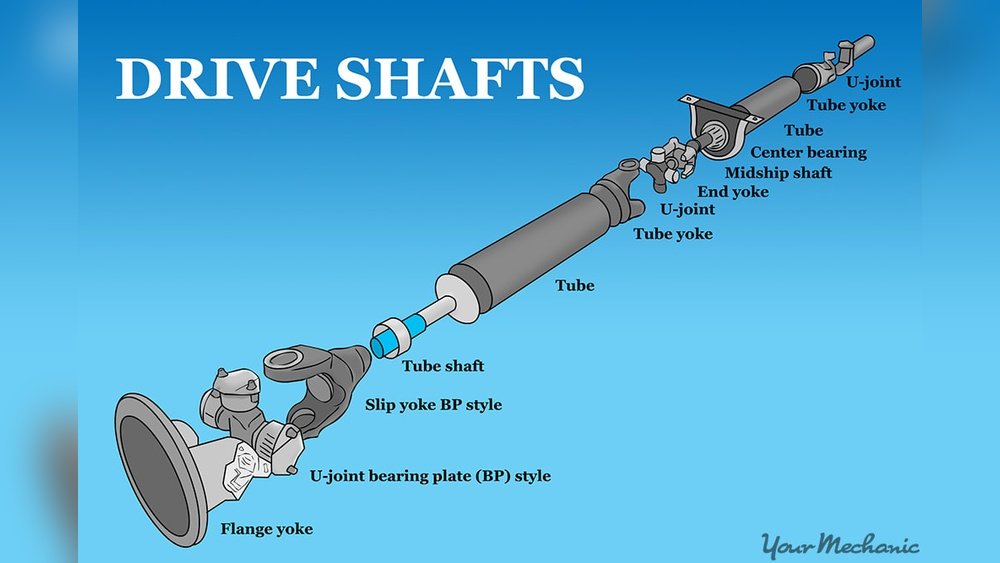
Mounting brackets hold parts in place between the center support bearing and other components. They help keep the shaft steady and reduce vibration. This space ensures proper alignment and smooth movement.
The mounting bracket holds parts firmly in place. It connects the driveshaft to the vehicle’s frame. This connection keeps the driveshaft stable during motion. Stability is key to smooth power transfer from engine to wheels.
The bracket helps reduce vibration and noise. It absorbs shocks that occur while driving. This protection extends the life of the driveshaft and other parts.
Proper alignment by the mounting bracket prevents wear and tear. Misalignment can cause damage and lead to costly repairs. The bracket ensures parts work together as designed.
Support And Stability
The mounting bracket supports the driveshaft’s weight. It keeps the driveshaft balanced and steady. This balance prevents wobbling at high speeds.
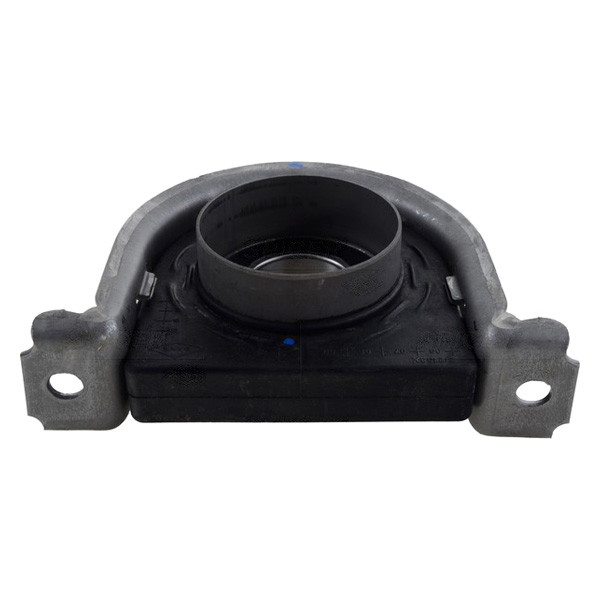
It also holds the center support bearing firmly. This bearing supports the middle of the driveshaft. The bracket’s strength is crucial for safe driving.
Ease Of Maintenance
The mounting bracket allows easy access for repairs. Mechanics can remove or replace parts without trouble. This design saves time and effort during service.
It also holds parts in a fixed position for inspection. Regular checks help catch issues early. The bracket’s role aids in vehicle upkeep.
Materials And Durability
Mounting brackets are made from strong metals. Steel and aluminum are common choices. These materials resist rust and damage.
Durability ensures the bracket lasts through harsh conditions. Strong brackets reduce the risk of failure on the road. This reliability is vital for vehicle safety.
Credit: aristaonline.net
Function Of Center Support Bearing
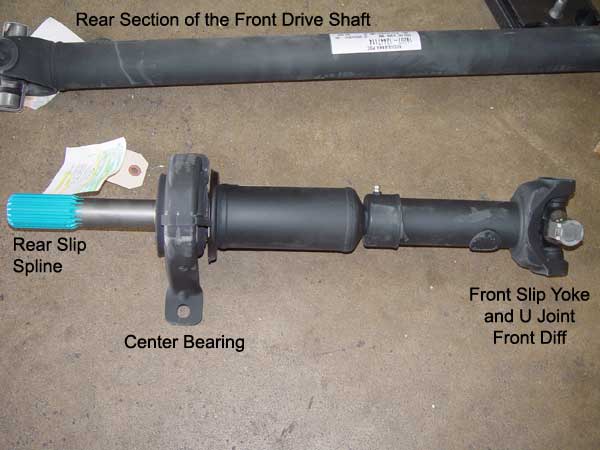
The center support bearing plays a key role in the driveline system. It supports the driveshaft and keeps it stable during rotation. This prevents vibrations and protects other parts from damage. Without this bearing, the driveshaft would wobble and wear out quickly.
This bearing works alongside the mounting bracket. Together, they keep the driveshaft aligned and balanced. The center support bearing also helps absorb shocks from the road. It acts as a cushion to reduce stress on the driveline.
Maintaining Driveshaft Alignment
The center support bearing holds the driveshaft in a straight line. It prevents bending or twisting while the vehicle moves. Proper alignment helps the driveshaft spin smoothly and quietly. This reduces noise and improves ride comfort.
Reducing Vibrations And Noise
The bearing absorbs vibrations from the engine and road. It stops these vibrations from reaching the vehicle’s cabin. This makes the ride quieter and more comfortable. The rubber or elastomer inside the bearing helps with this cushioning.
Supporting Driveline Components
The center support bearing shares the load with the mounting bracket. It supports the weight of the driveshaft, especially in longer vehicles. This support reduces wear on other parts like the universal joints. It helps extend the life of the driveline system.
Space Requirements Between Components
Space requirements between the mounting bracket and center support bearing are critical. This area must allow enough room for movement and adjustment. Proper spacing helps avoid damage and ensures smooth operation. Tight or incorrect spacing can cause wear and failure over time.
Understanding the right space helps maintain the drive shaft’s health. It also supports proper alignment and reduces vibration. Always follow manufacturer guidelines for exact measurements.
Understanding Minimum Clearance
Minimum clearance avoids contact between parts. This space prevents metal-on-metal friction. It also allows the shaft to flex slightly during use. A small gap of a few millimeters is common.
Allowing For Thermal Expansion
Materials expand when heated. The space must account for this growth. Without enough room, parts may bind or warp. Leave extra space for temperature changes during operation.
Impact On Vibration And Noise
Correct spacing reduces vibration and noise. Tight spaces may cause rattling sounds. Proper gaps help parts move smoothly. This leads to quieter, more reliable performance.
Adjusting Space For Different Vehicle Types
Space needs vary by vehicle size and design. Larger vehicles often require bigger gaps. Always check the specific requirements for your model. Adjust spacing to match vehicle demands.

Credit: ameliaisland.com
Impact On Vehicle Performance
The space between the mounting bracket and center support bearing affects how smoothly the driveshaft moves. Too much or too little gap can cause vibrations and wear. Proper spacing helps keep the vehicle running quietly and efficiently.
Effect On Drivetrain Stability
The space between the mounting bracket and center support bearing affects drivetrain stability. If this area is too large or too small, it causes vibrations. Vibrations reduce smoothness and can damage parts over time. Proper spacing keeps the drivetrain steady during vehicle motion.
Influence On Noise And Vibration Levels
Incorrect spacing increases noise inside the cabin. The drivetrain parts may hit each other or flex too much. This creates unusual sounds and shaking. Correct spacing helps lower noise and vibrations, making the ride quieter and more comfortable.
Impact On Bearing And Bracket Longevity
Too little or too much space stresses the center support bearing and mounting bracket. This leads to early wear or failure. Proper gap size ensures even load distribution. It helps these components last longer and saves repair costs.
Common Installation Challenges
The area between the mounting bracket and the center support bearing can be tricky to work with. Many installers face common challenges that affect the overall fit and performance. Understanding these issues helps avoid mistakes and ensures a smoother installation process.
Problems often arise from tight spaces and misalignment. These issues cause stress on parts and can lead to premature wear or failure. Knowing what to expect makes handling the installation easier and safer.
Limited Space for ToolsThe area between the bracket and bearing is often cramped. This tight space limits tool movement and access. Using the wrong tools makes the job harder and increases the chance of damage. Small, precise tools work best here.
Misalignment of ComponentsAligning the mounting bracket with the center support bearing is crucial. Even slight misalignment causes vibration and noise. It also stresses the bearing, reducing its lifespan. Careful measurement and adjustment help achieve proper alignment.
Difficulty Securing FastenersFasteners in this area can be hard to reach and tighten properly. Loose bolts lead to movement and instability. Over-tightening can strip threads or damage parts. Using torque wrenches ensures the right tightness.
Vibration and Noise IssuesImproper installation causes vibrations between the bracket and bearing. These vibrations create noise and wear down components faster. Using correct mounting techniques and checking fit reduces these problems.
Credit: www.carid.com
Frequently Asked Questions
What Is The Space Between Mounting Bracket And Center Support Bearing?
The space is the gap that allows the bearing to move slightly. It helps absorb vibrations and reduce stress on the drive shaft.
Why Is The Area Between Bracket And Bearing Important?
This area prevents metal parts from rubbing and wearing out quickly. It also helps keep the drive shaft aligned during vehicle motion.
How To Measure The Gap Between Mounting Bracket And Bearing?
Use a ruler or caliper to measure the distance carefully. Check the vehicle manual for the recommended gap size.
Can A Wrong Gap Cause Drive Shaft Problems?
Yes, too small or too large a gap can cause noise and vibration. It can lead to bearing failure or damage to other parts.
How To Fix An Incorrect Space Between Bracket And Bearing?
Adjust the bracket position or replace worn parts to fix the gap. Proper alignment ensures smooth drive shaft operation and longer part life.
Conclusion
The space between the mounting bracket and center support bearing matters a lot. It helps keep the parts stable and working well. Too little or too much gap can cause problems. Checking this area often prevents damage and costly repairs.
Simple adjustments improve the vehicle’s performance and safety. Always pay attention to this small but important detail. It keeps everything running smoothly and lasts longer. A little care goes a long way.