What are the Necessary Psi Measurements for Oil Pressure: Essential Guide
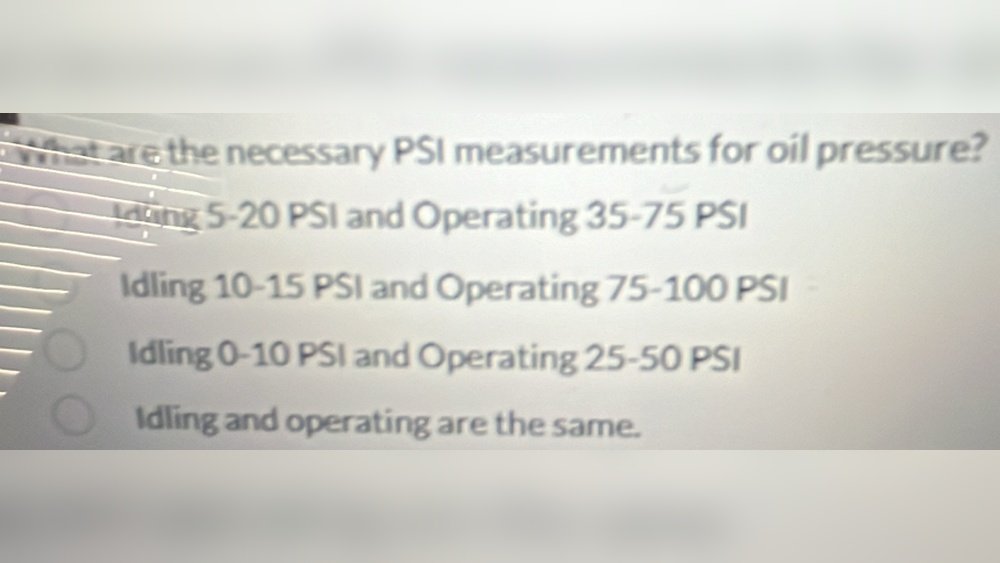
If you want to keep your engine running smoothly, understanding oil pressure is key. But what exactly are the necessary psi measurements for oil pressure?
Knowing this can save you from costly repairs and unexpected breakdowns. You’ll discover the exact psi ranges you should watch for and how they affect your vehicle’s health. Keep reading to learn how to protect your engine and ensure it performs at its best every time you hit the road.
Basics Of Oil Pressure
Understanding oil pressure is key to keeping an engine healthy. Oil pressure shows how well the oil moves inside the engine. This pressure helps lubricate parts and stops them from wearing out quickly.
Measuring oil pressure correctly prevents engine damage and improves performance. It also helps spot problems early before they become serious.
What Is Oil Pressure
Oil pressure is the force oil creates as it moves through engine parts. This force pushes oil to all moving parts. It ensures these parts stay coated and cool. Without good oil pressure, parts rub against each other and wear out fast.
Pressure depends on the oil pump and the engine’s condition. It changes with engine speed and oil temperature. Low pressure can mean leaks or worn parts. High pressure might show a blockage or thick oil.
Importance Of Accurate Measurements
Accurate oil pressure readings help maintain engine health. Wrong readings can hide problems or cause wrong repairs. Using the right tools and methods gives clear results. This helps mechanics fix issues quickly and correctly.
Regular checks with precise measurements extend engine life. They improve safety and save money on costly repairs. Good oil pressure data helps keep engines running smoothly.
Credit: www.gauthmath.com
Key Psi Measurements
Key psi measurements help monitor oil pressure in engines. They ensure the engine runs safely and efficiently. Knowing these values can prevent damage and keep your engine in good shape.
Below are the main psi measurements to watch for oil pressure.
Normal Operating Pressure Range
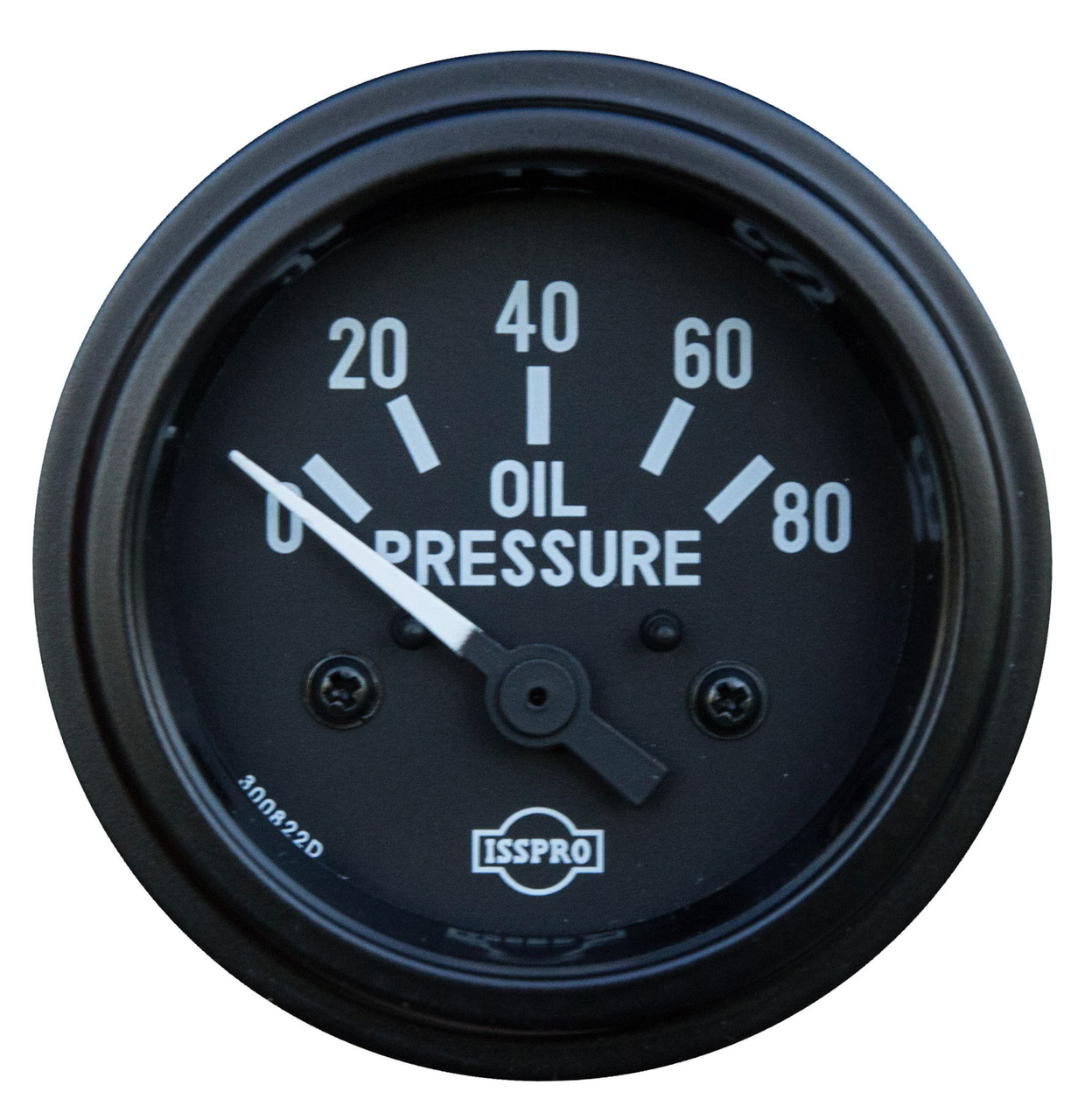
The normal oil pressure range is usually between 20 and 60 psi. This range varies by engine type and age. Staying within this range means the oil circulates properly. It protects engine parts by reducing friction and wear.
Cold Start Pressure
Oil pressure is higher at cold start, often above 60 psi. Cold oil is thicker and creates more resistance. This pressure drops as the engine warms and oil thins. High cold start pressure is normal but should not be extreme.
Maximum Pressure Limits
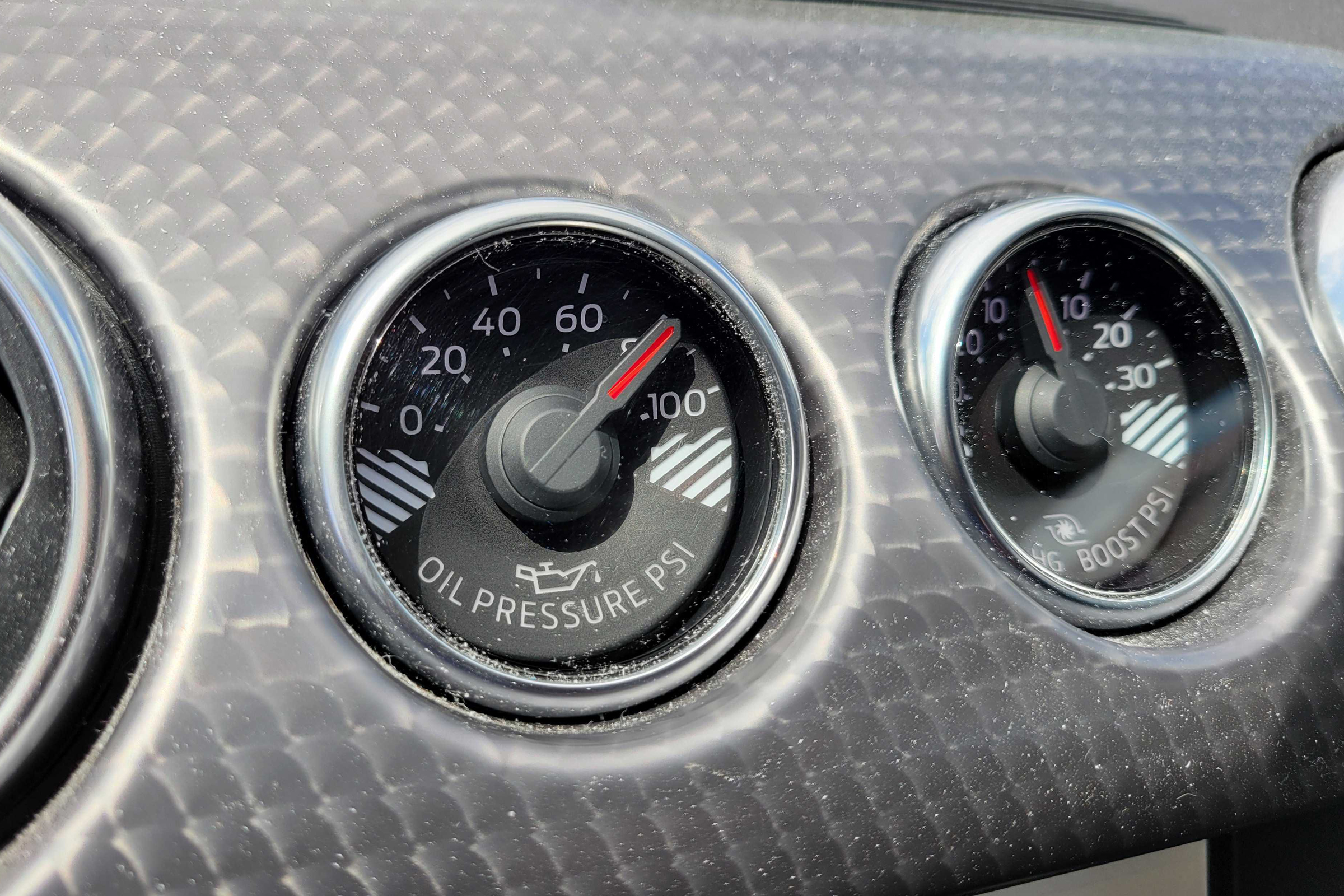
Maximum oil pressure usually should not exceed 80 to 100 psi. Pressure above this level can cause leaks or damage seals. It may also signal a blocked oil filter or pump issue. Regular checks help avoid these problems and keep pressure safe.
Tools For Measuring Oil Pressure
Measuring oil pressure is important to keep engines running smoothly. Different tools help check the pressure accurately. These tools come in two main types: mechanical gauges and electronic sensors. Each type has its own way of showing the oil pressure. Understanding these tools makes it easier to maintain your vehicle’s engine health.
Mechanical Gauges
Mechanical gauges use a small tube filled with fluid or a spring system. When oil pressure pushes on the tube or spring, the needle moves. The needle points to the current pressure on a dial. These gauges are simple and do not need electricity. They give real-time pressure readings. Many mechanics trust mechanical gauges for their accuracy and reliability.
Electronic Sensors
Electronic sensors use electrical signals to measure oil pressure. The sensor sends data to a display or a computer system. It can show pressure digitally or trigger warnings if pressure is too low or too high. These sensors are common in modern cars. They provide quick and precise readings. Electronic sensors also help track engine performance over time.
Credit: tectran.com
Common Issues Indicated By Psi Readings
Oil pressure is a key factor in engine health. Psi readings reveal important information about the oil system. They help spot problems early before serious damage occurs.
Low or high psi readings show different engine issues. Understanding these helps maintain your vehicle and avoid costly repairs.
Low Oil Pressure Causes
Low oil pressure means not enough oil flows through the engine. This can happen due to worn engine parts or a dirty oil filter.
Leaks in the oil system also reduce pressure. Using the wrong oil type or low oil level leads to low psi readings.
Low pressure risks engine damage from poor lubrication. Bearings and other parts can wear out faster without enough oil flow.
High Oil Pressure Risks
High oil pressure is less common but can be dangerous. It often results from a blocked oil passage or a faulty pressure relief valve.
Using thick oil or oil that is too cold can increase pressure. High psi strains engine seals and gaskets, causing leaks.
Excessive pressure may damage the oil pump and other components. It is important to fix high pressure issues quickly.
Best Practices For Accurate Psi Readings
Accurate psi readings are essential for monitoring oil pressure in engines. They help prevent damage and keep machines running smoothly. Following best practices ensures the readings are reliable and consistent. Proper installation and regular checks play a key role in achieving this.
Proper Gauge Installation
Install the oil pressure gauge according to the manufacturer’s instructions. Use the correct adapter and fittings for a secure connection. Avoid tight bends or kinks in the pressure line that may affect readings. Position the gauge where it is easy to read and protected from heat. Check for leaks after installation to ensure accuracy.
Regular Maintenance Checks
Inspect the oil pressure gauge regularly for damage or wear. Clean the gauge face and connections to prevent dirt buildup. Test the gauge against a known reference to verify accuracy. Replace faulty gauges immediately to avoid false readings. Keep the oil system clean and free of sludge for consistent pressure.
Credit: www.enginelabs.com
Frequently Asked Questions
What Is The Normal Oil Pressure In Psi For Most Cars?
Most cars have an oil pressure between 20 to 60 psi when running. This range keeps the engine parts lubricated and safe.
How Do Psi Measurements Affect Engine Health?
Proper psi levels ensure oil flows well, protecting engine parts from wear. Low or high pressure can cause engine damage quickly.
What Psi Reading Indicates Low Oil Pressure?
Oil pressure below 20 psi usually signals a problem. It may mean oil leaks, pump failure, or low oil levels.
Can Oil Pressure Psi Vary With Engine Speed?
Yes, oil pressure rises as engine speed increases. It is normal to see higher psi at higher RPMs.
How Often Should Oil Pressure Be Checked In Psi?
Check oil pressure during regular maintenance or if warning lights appear. Frequent checks help catch issues early and prevent damage.
Conclusion
Measuring oil pressure in psi helps keep your engine safe and running well. Knowing the right psi levels prevents damage and costly repairs. Regular checks catch problems early before they get worse. Use a reliable gauge to get accurate readings every time.
Stay aware of your engine’s oil pressure to avoid breakdowns. Simple steps can protect your vehicle and save money. Keep your engine healthy by watching oil pressure closely. It’s a small task with big benefits.