Can You Replace a Manual Transmission With an Automatic? Expert Guide
Have you ever wondered if you can swap out your manual transmission for an automatic? Maybe you’re tired of shifting gears, or you want a smoother, easier drive.
The idea sounds simple, but is it really that easy to make the switch? Before you jump in, there are important things you need to know about costs, compatibility, and how the change could affect your car’s performance. Keep reading, and you’ll discover everything you must consider before deciding if replacing your manual transmission with an automatic is the right move for you.
Credit: www.blauto.com
Manual Vs Automatic Transmission
Swapping a manual transmission for an automatic is possible but can be complex. It often requires new parts and professional help. Compatibility depends on the car’s make and model.
What Is A Manual Transmission?
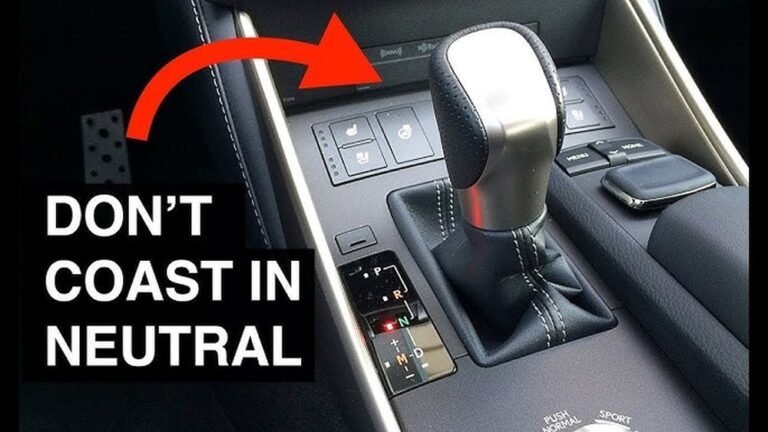
A manual transmission lets the driver control gear changes. It uses a clutch pedal and a gear stick. Drivers must shift gears themselves to match speed and power needs. This gives more control over the car’s performance. Manual cars often feel more connected to the road.
What Is An Automatic Transmission?
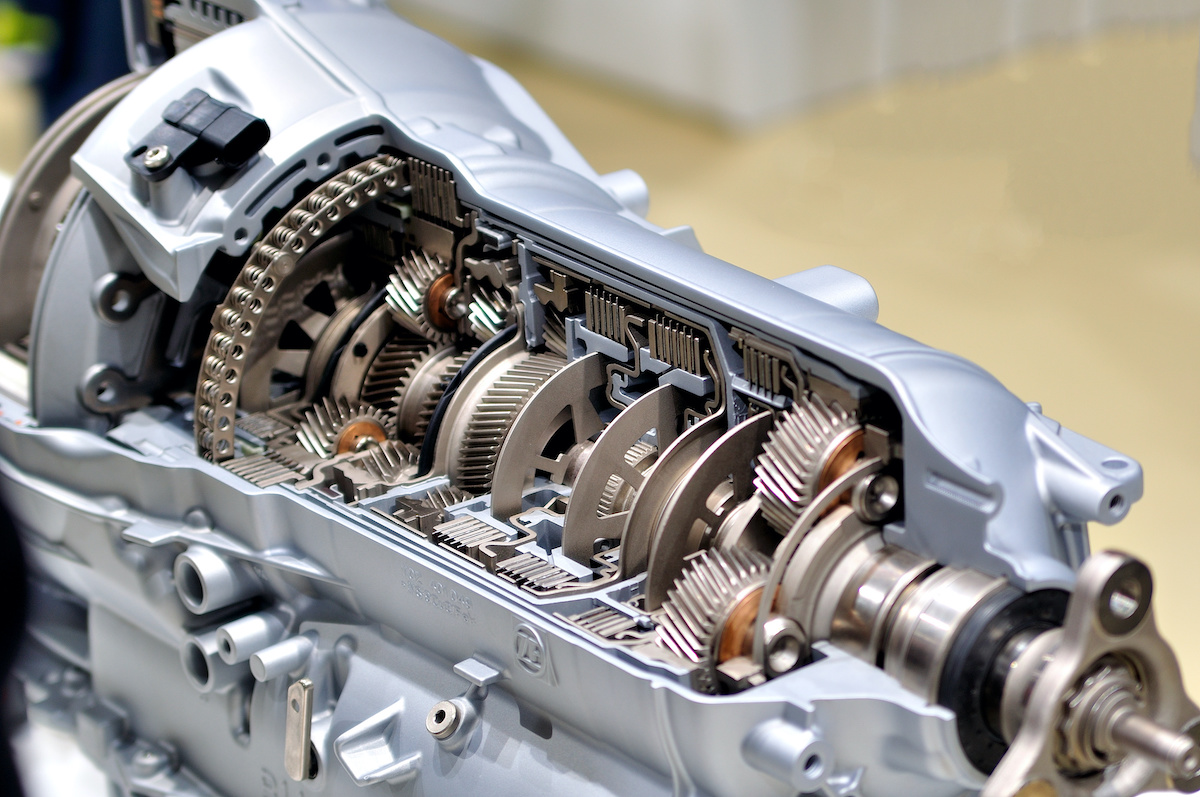
An automatic transmission changes gears on its own. It uses sensors and hydraulics to decide when to shift. Drivers only need to use the gas and brake pedals. This makes driving easier, especially in traffic. Automatics focus on comfort and convenience.
Key Differences Between Manual And Automatic
Manual transmissions require more skill and attention from the driver. Automatic transmissions reduce driver workload and simplify operation. Manuals tend to be cheaper to repair and maintain. Automatics often cost more upfront and may use more fuel. Each type has pros and cons for different drivers.

Credit: www.youtube.com
Benefits Of Switching To Automatic
Switching from a manual to an automatic transmission offers many advantages. Driving becomes simpler and less tiring. Automatic cars handle gear changes without driver effort. This ease improves comfort, especially in heavy traffic or long trips.
Many drivers find automatic transmissions easier to learn. Beginners avoid the challenge of clutch control and shifting gears. This makes driving more accessible for new or casual drivers. The smoother ride also reduces stress behind the wheel.
Better Driving Comfort
Automatic cars remove the need to press the clutch pedal. Drivers only focus on the brake and accelerator. This reduces foot fatigue during stop-and-go traffic. The smooth gear shifts provide a more relaxed driving experience.
Improved Convenience
Automatic transmissions adjust gear changes perfectly for speed and conditions. Drivers don’t worry about shifting at the right time. This convenience helps in city driving and hilly areas. It also allows drivers to keep both hands on the wheel.
Easier Learning Curve
Automatic cars are simpler to learn than manuals. There is no need to master clutch control or gear timing. New drivers gain confidence faster with automatic transmissions. It lowers the barrier to driving independently.
Less Wear On The Vehicle
Automatic transmissions prevent common manual driving mistakes. No stalling or grinding gears means less damage. This can extend the car’s lifespan and reduce repairs. Proper automatic shifts protect the engine and transmission.
Challenges In Replacing Manual With Automatic
Replacing a manual transmission with an automatic is not a simple task. It involves many challenges that can affect the car’s performance and reliability. The process requires careful planning and technical skills. Understanding these challenges helps to prepare for the conversion.
The main difficulties come from the differences between the two transmission types. Each uses different parts and systems. Mechanical, electrical, and software components need to be changed or adapted. This makes the swap more complex than just swapping one part for another.
Mechanical Compatibility Issues
Manual and automatic transmissions have different shapes and sizes. The mounting points may not line up correctly. Engine and transmission alignment must be precise to avoid damage. Custom brackets or adapters might be necessary. The driveshaft and axle connections may also need adjustments. This adds time and cost to the project.
Electrical System Adjustments
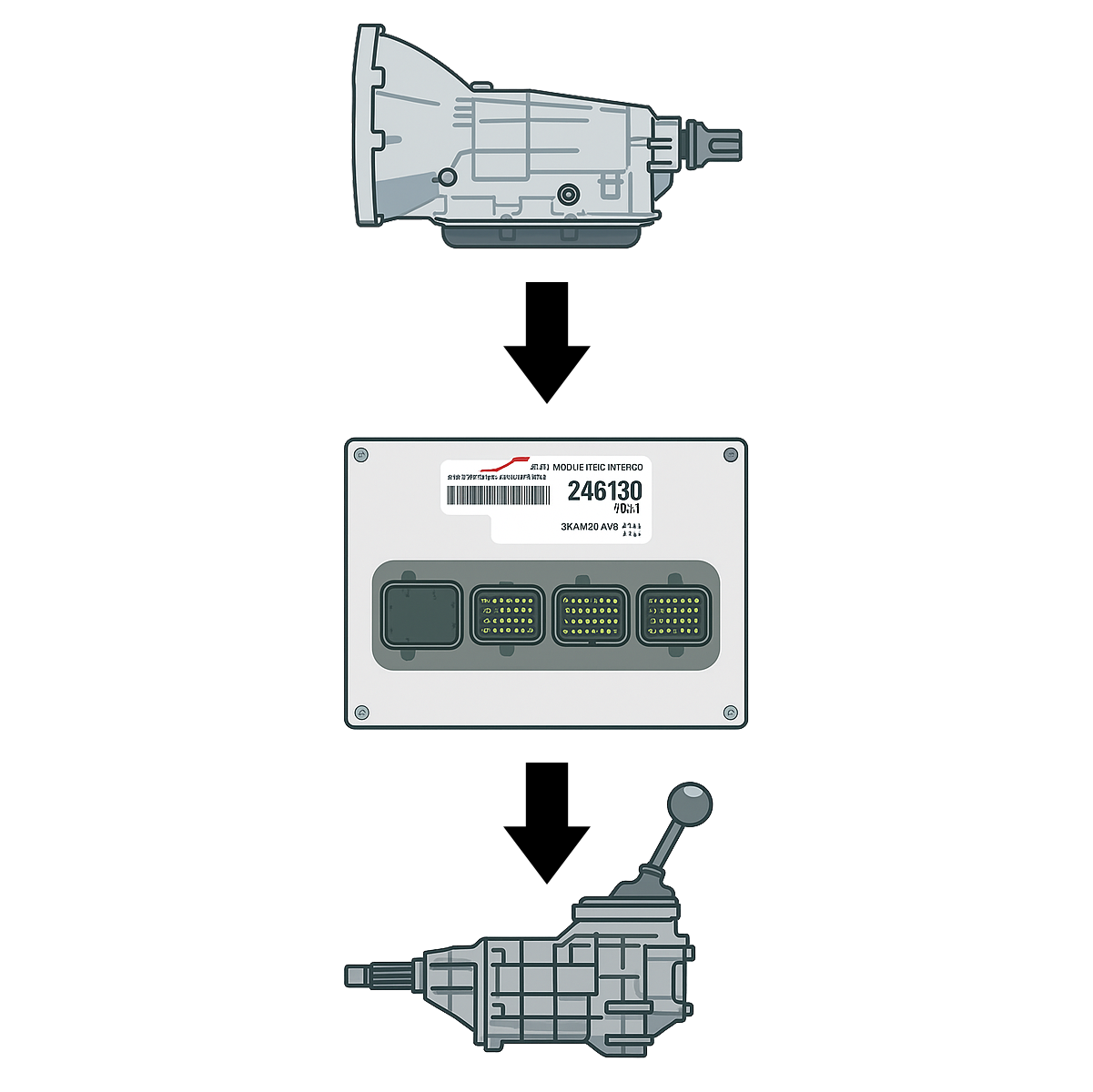
Automatic transmissions use electronic controls to shift gears. These controls communicate with the engine’s computer system. The manual transmission’s wiring harness often lacks these connections. Rewiring or installing a new control module becomes essential. Sensors for speed and gear position must be added or modified. Without proper electrical integration, the transmission won’t work correctly.
Transmission Control Module (tcm) Integration
The TCM manages gear shifts in an automatic transmission. It sends signals to the engine and transmission parts. Many manual vehicles do not have a TCM. Installing one requires programming to match the vehicle’s engine and transmission. Incorrect programming can cause shifting problems or engine errors. Finding a compatible TCM and software is a critical step.
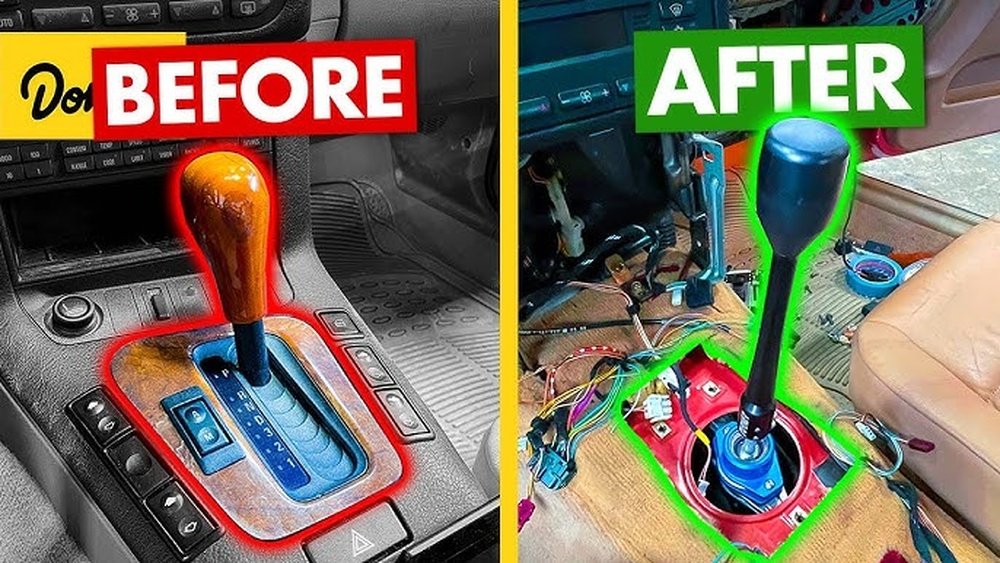
Clutch And Pedal Assembly Removal
Manual transmissions use a clutch pedal and linkage. Automatic cars have a brake pedal instead. Removing the clutch pedal and linkage is necessary. The brake pedal may need repositioning for driver comfort. This change affects the vehicle’s interior setup. It can be difficult to modify the pedal box and firewall area.
Cost And Labor Considerations
The parts needed for conversion can be expensive. Labor costs rise due to the complexity of the work. The process may take several days or weeks. Unexpected problems can increase both time and expenses. Budgeting carefully is important before starting the project. Some owners find it more economical to buy a car with an automatic transmission instead.
Step-by-step Replacement Process
Replacing a manual transmission with an automatic is a detailed task. It needs careful steps to avoid mistakes. Each part must fit and work correctly. The process takes time and patience. Follow these clear steps to complete the swap.
Prepare Your Workspace And Tools
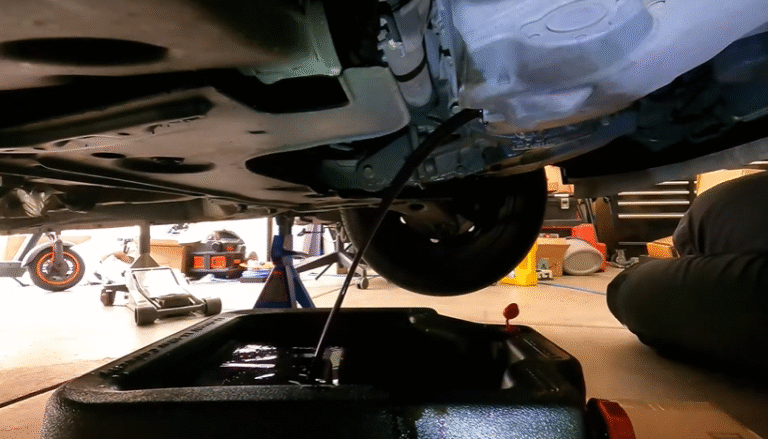
Clear a large, clean space to work. Gather all necessary tools first. You will need wrenches, screwdrivers, a jack, and a transmission jack. Also, get new transmission fluid and replacement parts. Safety gear like gloves and goggles is important.
Remove The Manual Transmission
Disconnect the battery to avoid shocks. Remove the driveshaft and any parts blocking access. Detach the clutch cable or hydraulic line carefully. Unbolt the manual transmission from the engine. Use the transmission jack to lower it safely.
Install The Automatic Transmission
Check the automatic transmission for damage before installation. Align it with the engine and secure the bolts. Attach the torque converter properly to the transmission. Connect the transmission mount and linkages next. Ensure all connections are tight and secure.
Connect Transmission Controls And Wiring
Attach the automatic shift linkage to the transmission. Connect all wiring harnesses for sensors and solenoids. Link the transmission cooler lines to prevent overheating. Double-check all connections to avoid errors.
Fill Transmission Fluid And Test
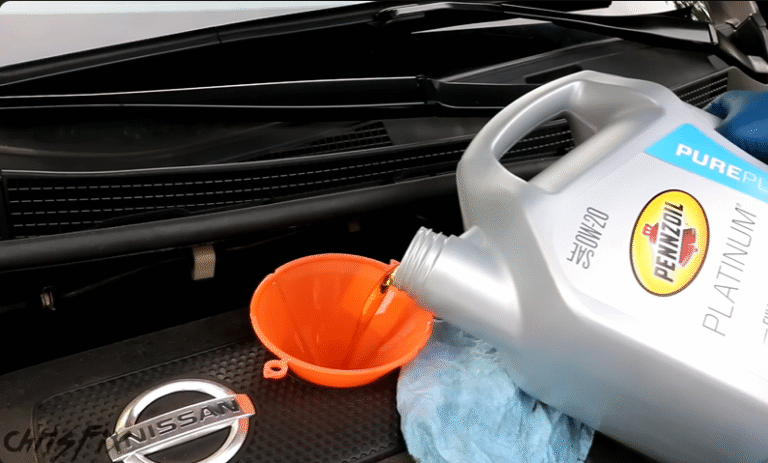
Pour the correct automatic transmission fluid into the system. Check the fluid level after filling. Reconnect the battery and start the engine. Test the gear shifts carefully while the car is off the jack. Look for leaks or unusual noises.
Cost And Maintenance Considerations
Cost and maintenance play a big role in deciding to switch from a manual to an automatic transmission. The process involves more than just swapping parts. It affects your budget and future car care. Knowing these factors helps you prepare well before making a choice.
Initial Conversion Expense
Changing a manual transmission to an automatic can be costly. You need a new transmission unit and extra parts like a torque converter. Labor costs add up since the job is complex and time-consuming. Expect a higher bill compared to simple repairs or upgrades.
Parts And Compatibility
Not all cars easily fit an automatic transmission. Some need custom parts or modifications. Finding the right parts takes time and money. Using incompatible parts can cause damage or poor performance. Always check compatibility before starting.
Fuel Efficiency Impact
Automatic transmissions often use more fuel than manuals. This may increase your fuel costs over time. Newer automatics have improved efficiency but can still lag behind manuals. Factor in fuel expenses when considering the switch.
Maintenance And Repair Costs
Automatic transmissions require regular fluid changes and inspections. Repairs tend to be more expensive than manual transmissions. Complex systems mean higher chances of costly breakdowns. Plan for higher maintenance costs after conversion.
Resale Value Considerations
Changing the transmission can affect your car’s resale value. Some buyers prefer manuals, others automatics. A proper conversion may increase value for some buyers. Poor conversions can lower the car’s worth. Keep this in mind when deciding.
Credit: wranglerfix.com
Frequently Asked Questions
Can You Swap A Manual Transmission For An Automatic?
Yes, you can swap a manual transmission for an automatic. It needs parts like a new transmission, computer, and wiring. The process can be costly and complex.
What Parts Are Needed For This Transmission Swap?
You need an automatic transmission, torque converter, transmission control module, and new wiring. Sometimes, a new driveshaft and pedals are also required. Each car model may need different parts.
How Much Does It Cost To Replace Manual With Automatic?
Costs vary, but expect $2,500 to $5,000 or more. Labor, parts, and programming add to the price. It is often more expensive than just fixing your current transmission.
How Long Does It Take To Change Manual To Automatic?
The job can take from 1 to 3 days. It depends on the car’s make and model. Skilled mechanics can do it faster with the right tools.
Will This Swap Affect My Car’s Performance?
Yes, an automatic transmission may change fuel efficiency and acceleration. Some drivers find automatics easier to use, but manuals give more control. It depends on your driving preference.
Conclusion
Replacing a manual transmission with an automatic is possible but takes effort. It needs time, money, and some skill. Not all cars can handle the change easily. Parts must match and work well together. Think about why you want to switch.
Will it improve your driving or cause more issues? Research and plan carefully before starting. This helps avoid costly mistakes. A smooth switch can make your car easier to drive. But it is not a simple job for beginners. Consider all factors before you decide.