Can You Change the Oil Filter Without Changing the Oil? Expert Tips
When it comes to car maintenance, you might wonder: can you change the oil filter without changing the oil? It’s a question that pops up often, especially if you’re trying to save time or just deal with a forgotten filter swap.
The good news is, yes—you can replace your oil filter without draining the oil first. But before you grab that new filter, there are a few important things you need to know. Understanding when and why this works will help you avoid costly mistakes and keep your engine running smoothly.
Keep reading to discover how to do it right and when it’s a smart move for your vehicle.
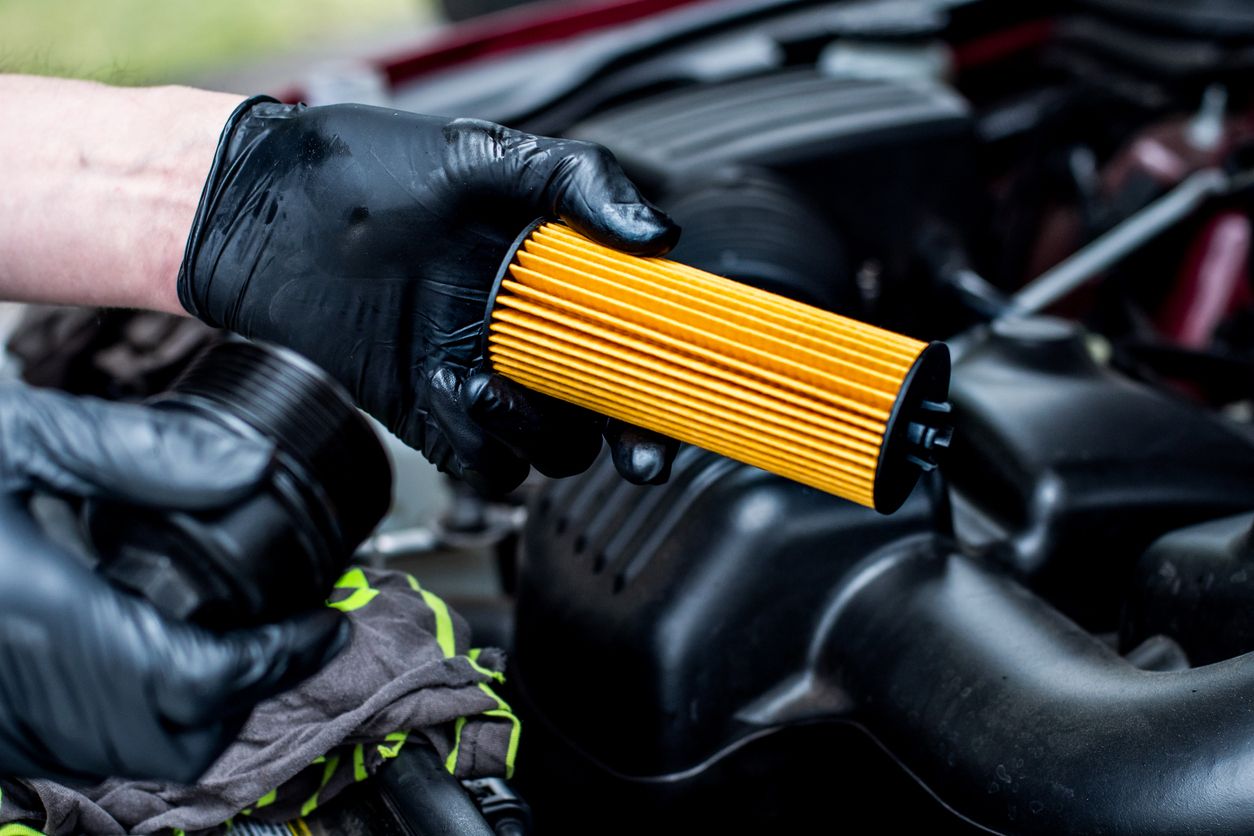
Credit: www.firestonecompleteautocare.com
Oil Filter Basics
Understanding the basics of oil filters helps you care for your vehicle better. The oil filter plays a key role in keeping your engine clean and running smoothly. Knowing its purpose and how it works can guide your maintenance decisions.
Purpose Of The Oil Filter
The oil filter removes dirt, metal particles, and other debris from the engine oil. Clean oil reduces wear and tear on engine parts. Without a filter, harmful particles could damage the engine quickly. The filter helps extend the life of your engine and improves performance.
How Oil Filters Work
Oil flows through the filter as the engine runs. Inside the filter, a mesh or paper element traps contaminants. Clean oil then circulates back into the engine. The filter blocks tiny particles that are invisible to the eye. Over time, the filter fills with dirt and needs replacing to stay effective.
Changing Filter Without Oil Change
Changing the oil filter without changing the oil is a topic many car owners ask about. This process involves removing the old filter and putting in a new one while keeping the same oil in the engine. It can be done but needs care to avoid problems. Understanding when and how to do this can help maintain your vehicle properly.
Is It Possible?
Yes, it is possible to change the oil filter without changing the oil. Some vehicles allow the filter to be replaced alone. This means you remove the old filter and install a new one without draining the engine oil. The process can reduce waste and save time.
Still, the oil inside the engine stays the same. The new filter will clean the oil as it circulates. But the oil’s quality depends on how long it has been used. Old oil may contain dirt and lose its strength even if the filter is new.
When To Consider This Approach
Changing only the oil filter might make sense in certain cases. For example, if the oil was changed recently but the filter is old or damaged. Another reason could be a quick fix between regular oil changes.
Some drivers do this to keep the engine running smoothly for a short time. Also, it can be helpful if the vehicle has a special oil type that is costly or hard to replace often. Still, the oil needs to be checked for cleanliness and level before deciding.
Step-by-step Filter Change
Changing the oil filter without changing the oil is possible. It helps keep your engine clean and running well. Follow these simple steps to do it right. This guide explains what tools you need, how to avoid messes, and how to remove and install the filter safely.
Tools And Preparation
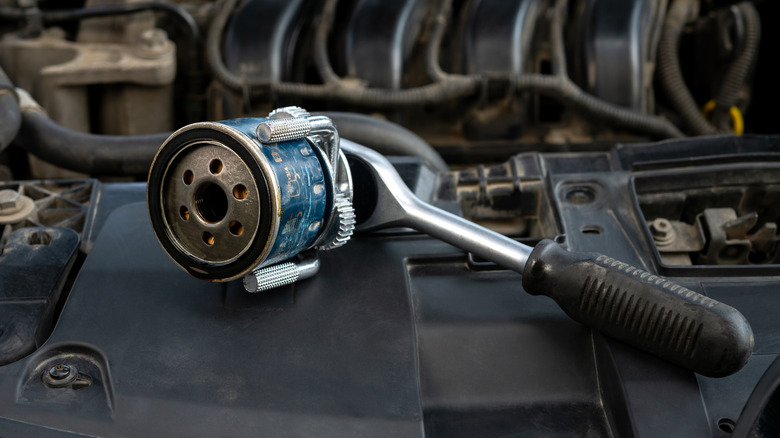
Gather these tools before starting: a new oil filter, an oil filter wrench, a clean rag, and gloves. Park your car on a flat surface and turn off the engine. Wait for the engine to cool down to avoid burns. Place a container or tray under the filter to catch any dripping oil. Keep everything close for easy access.
Avoiding Oil Spills
Oil spills can make a big mess. Use the container to catch oil from the filter. Wrap the filter area with a rag to soak small drips. Turn the filter slowly to release pressure gradually. Keep a few extra rags nearby. Clean any spills immediately to protect the engine and floor.
Filter Removal And Installation
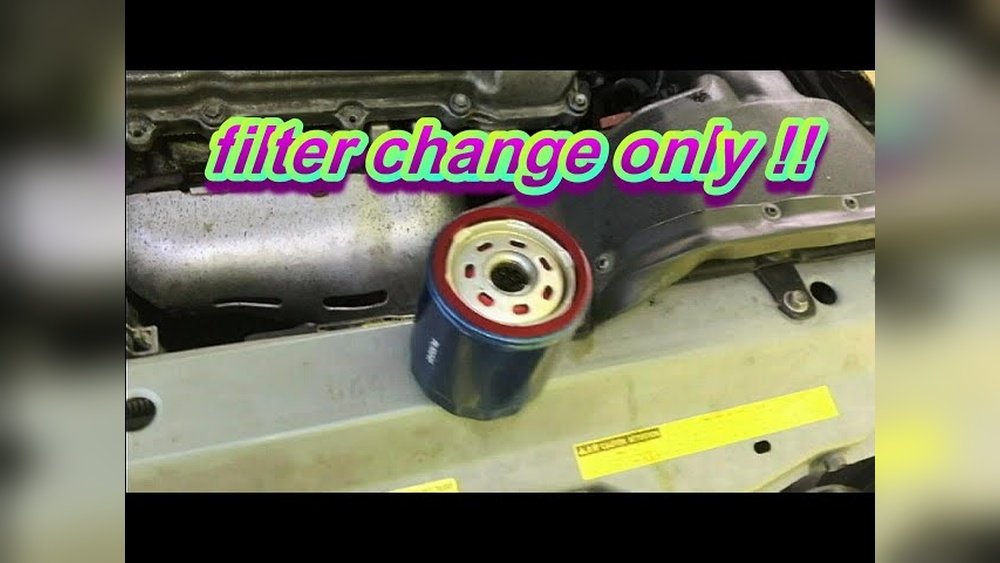
Use the oil filter wrench to loosen the old filter by turning it counterclockwise. Remove the filter carefully by hand. Check the old filter’s rubber seal to ensure it came off with the filter. Lubricate the new filter’s rubber seal with fresh oil. Screw the new filter on by hand until tight. Do not over-tighten. Start the engine and check for leaks around the filter.

Credit: www.reddit.com
Pros And Cons
Changing only the oil filter without replacing the oil has both advantages and disadvantages. Understanding these pros and cons helps you decide the best maintenance approach for your vehicle. This section explains the benefits and the risks involved in this practice.
Benefits Of Changing Filter Alone
Replacing just the oil filter saves time and money. It is quicker than a full oil change and uses fewer materials. This method keeps the oil clean by removing some dirt and debris trapped in the filter. It can be useful for top-up oil changes or when oil quality is still good. Some drivers prefer this to reduce waste and environmental impact. It also helps maintain engine performance between full oil changes.
Potential Risks And Drawbacks
Changing only the filter may not remove all old, contaminated oil. The remaining oil can cause engine wear over time. If the oil is old or dirty, the filter alone cannot protect the engine fully. This can lead to reduced engine life and possible damage. There is also a risk of oil leaks if the filter is not installed correctly. Some mechanics say this practice is not a substitute for regular full oil changes.
Expert Tips And Best Practices
Changing the oil filter without replacing the oil can save time and reduce waste. Doing this properly requires careful steps to avoid problems. Experts share tips and best practices to make this task safe and effective. Follow these guidelines to protect your engine and reduce oil loss.
Minimizing Oil Loss
Start by warming the engine slightly. Warm oil flows easier and drains less during filter removal. Use a drain pan to catch any oil that spills out. Remove the old filter slowly to control oil flow. Apply a small amount of fresh oil to the new filter’s gasket. This helps create a tight seal and prevents leaks. Tighten the filter to the manufacturer’s recommended torque. Avoid over-tightening, which can cause damage or leaks.
Maintaining Engine Health
Changing only the oil filter may trap old, dirty oil inside the engine. This can reduce oil quality and harm engine parts over time. Check your oil level and condition after changing the filter. Use high-quality filters that match your engine specifications. Regularly inspect the filter for damage or clogging signs. Replace the oil according to your vehicle’s maintenance schedule. This keeps the engine clean and running smoothly.
Credit: www.jalopnik.com
Frequently Asked Questions
Does The Yamaha Fz Have An Oil Filter?
Yes, the Yamaha FZ has an oil filter. It helps keep engine oil clean and maintains engine performance.
Can I Change My Oil Filter Without Losing Oil?
Yes, you can change your oil filter without losing much oil. Expect minor oil spillage from the filter and passages. Use a drain pan to catch drips and avoid mess.
Is It Worth Changing Oil Without Changing The Filter?
Changing oil without replacing the filter is not recommended. The old filter traps contaminants, reducing fresh oil effectiveness. Always change both for optimal engine protection and performance.
How Do You Know Your Oil Filter Is Bad?
You know your oil filter is bad if your engine oil looks dirty, you hear unusual engine noises, or your oil pressure warning light turns on.
Can You Change The Oil Filter Without Draining The Oil?
Yes, it is possible to change the oil filter without draining the oil. This method requires caution to avoid spills and mess. Many mechanics use special tools to make this easier.
Conclusion
Changing the oil filter without changing the oil is possible but not always ideal. It helps if you just missed replacing the filter last time or need to swap it mid-cycle. Expect some small oil loss from the old filter’s trapped oil.
Remember, changing both oil and filter together gives your engine the best care. Skipping the oil change while only replacing the filter may reduce protection. Keep your car healthy by following your vehicle’s recommended service schedule closely. Simple steps keep your engine running smoothly and last longer.