Can You Pass Emissions Test With Check Engine Light On? Find Out Now!
Are you worried about that stubborn check engine light glowing on your dashboard? You might be wondering, “Can I still pass my emissions test with this warning on?” It’s a common concern because that little light signals that something isn’t quite right under the hood.
But here’s the truth: in most places, including Austin, Texas, a check engine light usually means automatic failure on an emissions test. Before you head to the testing center, it’s crucial to understand why that light matters so much and what you can do to avoid wasting time and money.
Keep reading to find out exactly how the check engine light affects your emissions test and what steps you can take to pass with confidence.
Check Engine Light And Emissions Tests
The check engine light is a key factor during emissions tests. It signals that the vehicle’s computer has detected a problem. This problem often relates to the emissions system. Many states require emissions tests to check pollution levels.
A lit check engine light usually means the car will fail the test. The light shows that emissions may exceed legal limits. Some problems might be minor, but the light still affects the test outcome.
What Does The Check Engine Light Mean For Emissions?
The check engine light turns on when the car’s system finds an issue. These issues often increase harmful emissions. The test measures if the car pollutes too much. A check engine light means the system is not working correctly.
Will Cars Pass Emissions Tests With The Light On?
Most states reject vehicles with a check engine light on. The light shows the car’s emissions system might fail. Even if the car runs fine, the light still causes a fail. Repair is needed before taking the test again.
How To Prepare For Emissions Tests If The Light Is On
First, diagnose the cause of the light using a scanner. Fix the problem causing the light to turn on. Clear the check engine light after repairs. Drive the car for several miles to reset the system before the test.
Why The Light Causes Test Failures
The check engine light signals problems in your car’s emission system. This light turns on when sensors detect issues affecting pollution control. Emissions tests check if your vehicle meets pollution standards.
A lit check engine light means the car’s computer found a fault. The test center uses a scanner to read these fault codes. Any active code usually leads to an automatic failure.
Emission System Malfunctions Detected
The check engine light often points to emission system faults. Problems like a bad oxygen sensor or faulty catalytic converter trigger the light. These faults increase harmful emissions beyond legal limits.
On-board Diagnostic (obd) System Checks
During testing, the OBD system is scanned for errors. The check engine light indicates stored trouble codes in this system. Any unresolved codes mean the car is not ready for inspection.
Legal Requirements For Emissions Tests
Most states require the check engine light to be off for passing. A lit light shows non-compliance with emission laws. Testing centers must fail cars with active engine codes.
State Rules On Emissions And Engine Lights
State rules on emissions tests and check engine lights vary widely. These rules affect whether a vehicle can pass with a check engine light on. Understanding local regulations helps drivers prepare for testing and avoid failures.
Most states require the check engine light to be off during an emissions test. This light signals a problem with the vehicle’s emissions system. If the light is on, the vehicle often fails immediately.
Some states allow a test if the check engine light is on but require further diagnostics. The vehicle may need repairs before retesting. Other states have stricter rules and will not pass a car with an active engine light.
Drivers should check their state’s official guidelines before the test. This ensures they meet the emissions standards. It also prevents wasting time and money on a test that will fail.
States That Strictly Fail Vehicles With Check Engine Light On
Many states, such as California and Illinois, fail cars if the check engine light is on. These states enforce strict emissions laws. The light indicates the vehicle may emit pollutants beyond legal limits.
In these states, the test will not proceed if the light is on. Fixing the issue and clearing the light is necessary before retesting.
States That Allow Testing Despite Check Engine Light
Some states allow testing with the engine light on, but with conditions. For example, Texas sometimes permits testing if the vehicle passes other emissions parameters. Still, the light usually causes an automatic failure.
These states may require a diagnostic check after the test. Drivers may need to repair the fault and pass a follow-up inspection.
Importance Of Understanding Local Emissions Rules
Each state’s rules impact how to prepare for emissions testing. Knowing these rules avoids surprise failures and fines. It also saves time by addressing issues early.
Check state DMV or environmental agency websites for specific requirements. This helps drivers plan repairs and testing correctly.

Credit: www.reddit.com
Steps To Take Before Testing
Preparing your vehicle before an emissions test increases your chances of passing. Simple checks and fixes can help you avoid a failure. Follow these steps to make sure your car is ready.
Check The Check Engine Light Status
Make sure the check engine light is off before the test. A light that stays on signals a problem with your vehicle. Most states fail cars with the light on. Use an OBD-II scanner to read codes or visit a mechanic.
Fix Any Detected Issues
Repair problems causing the check engine light to turn on. Common issues include faulty sensors, loose gas caps, or bad spark plugs. Fixing these can improve your car’s emissions performance.
Drive Your Car Before Testing
Drive your vehicle for at least 50 miles after repairs. This lets the car’s computer reset and run self-tests. The check engine light usually turns off after this. It also helps the engine reach normal operating temperature.
Ensure Proper Gas Cap Tightness
Check that your gas cap is tight and not damaged. A loose or broken cap can cause emissions leaks. This often triggers the check engine light and fails the test.
Keep Your Vehicle Well-maintained
Regular oil changes and air filter replacements improve engine health. A healthy engine runs cleaner and produces fewer emissions. Check tire pressure too, as it affects fuel efficiency.
Tips To Reset Light And Improve Chances
Resetting the check engine light can improve your chances of passing an emissions test. The light often signals a problem affecting emissions. Clearing it without fixing the issue rarely works. Follow these tips to reset the light properly and boost your test results.
Use An Obd-ii Scanner To Clear The Code
Connect an OBD-II scanner to your car’s port under the dashboard. Read the trouble codes that cause the light. After noting them, clear the codes with the scanner. This resets the check engine light. Drive the car for a few days to check if the light stays off.
Fix Common Emission Problems First
Fix simple issues before testing. Replace a faulty gas cap if it is loose or damaged. Check and replace dirty air filters. Ensure spark plugs and oxygen sensors work well. Repairs can turn off the light and reduce emissions.
Drive For Several Miles After Resetting
After clearing the light, drive your car for 50 to 100 miles. This lets the car’s computer complete the readiness tests. Emissions systems need time to recheck themselves. Avoid resetting the light right before the test, or it might fail.
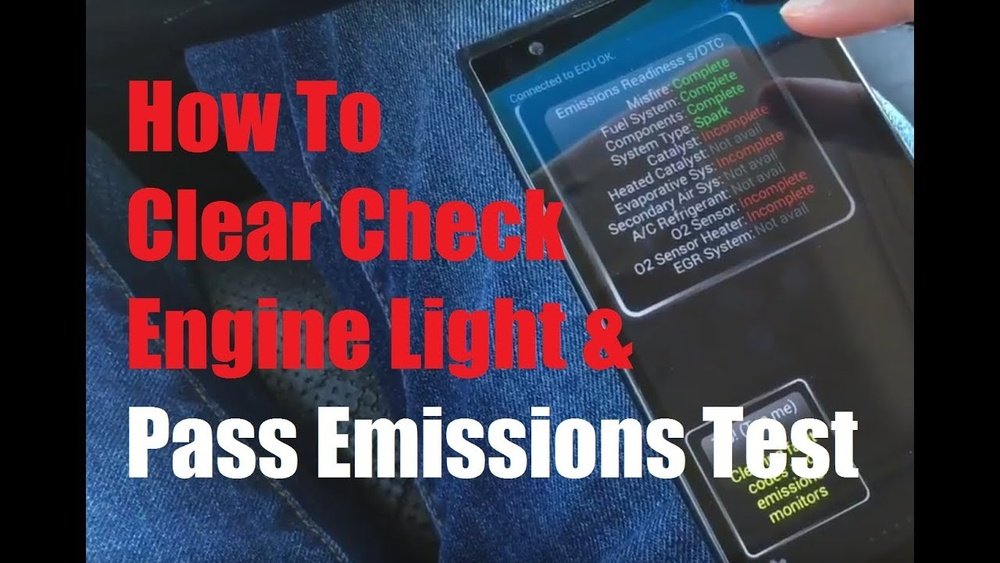
Check Readiness Monitors Status
Use the scanner to check if readiness monitors are “ready.” These monitors track emission control systems. Most states require all or most monitors to be ready for a pass. If not ready, keep driving and avoid clearing codes again.

Credit: www.reddit.com

Credit: www.youtube.com
Frequently Asked Questions
How To Pass An Emission Test With An Engine Light On?
Fix the cause of the engine light before testing. Clear error codes and complete a drive cycle. Test only after the light stays off. Most states fail vehicles with the engine light on.
How Many Miles After Check Engine Light To Pass Emissions?
Drive at least 50 to 100 miles after the check engine light turns off before emissions testing. This allows the system to reset and complete readiness checks.
Does A Check Engine Light Mean You Won’t Pass Emissions?
A check engine light usually means your vehicle will fail the emissions test. It signals emission system problems. Fix issues before testing.
How To Pass An Emissions Test With A P0420 Code?
Clear the P0420 code by repairing or replacing the catalytic converter or related sensors. Drive the car to reset the system before testing. Ensure the check engine light is off to pass the emissions test.
Can A Car Pass Emissions Test With The Check Engine Light On?
Most states do not allow passing an emissions test if the check engine light is on. The light signals a problem that affects emissions. Fixing the issue is usually required before testing.
Conclusion
Passing an emissions test with the check engine light on is rare. The light signals a problem affecting emissions. Most states will not allow a pass until the issue clears. Repairing your vehicle first saves time and money later. Driving with the light on risks failing the test.
Always address engine problems before scheduling an emissions inspection. This ensures a smoother, stress-free testing experience. Taking care early keeps your car running cleaner and longer.