What’S the Difference between Red And Green Antifreeze: Essential Facts
When it comes to keeping your car’s engine running smoothly, choosing the right antifreeze is more important than you might think. You’ve probably noticed that antifreeze comes in different colors—most commonly red and green—but do you know why that matters?
Using the wrong type could harm your engine or cooling system, costing you time and money. You’ll discover the key differences between red and green antifreeze, why those colors mean more than just a shade, and how to pick the right one for your vehicle.
Keep reading to make sure your engine stays cool and protected no matter the season.
Coolant Types And Technologies
Coolants protect engines from overheating and freezing. Different types use various chemical formulas. These formulas suit different engine materials and designs. Understanding these types helps choose the right antifreeze for your vehicle.
Two common types are green and red antifreeze. They differ in technology, lifespan, and engine compatibility. Knowing these differences avoids engine damage and improves cooling system performance.
Inorganic Additive Technology (iat) – Green Antifreeze
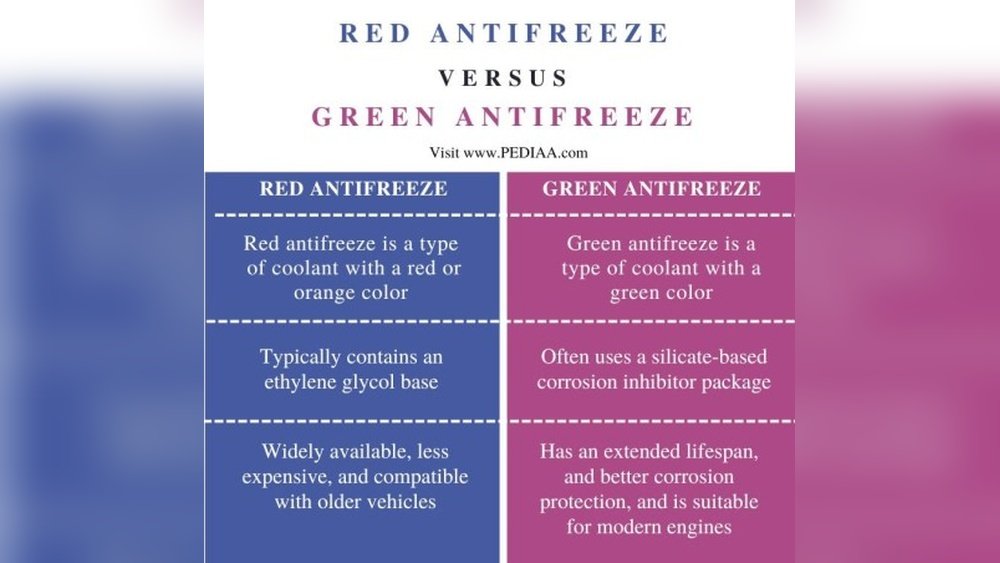
Green antifreeze uses Inorganic Additive Technology, or IAT. It contains silicates and phosphates to protect metal parts. This formula works well with older engines. These engines often have cast iron blocks and copper or brass radiators.
IAT coolant needs changing every two years or 30,000 miles. It offers good protection but wears out faster than newer types.
Organic Acid Technology (oat) – Red Antifreeze
Red antifreeze uses Organic Acid Technology, or OAT. It is silicate-free and uses organic acids for corrosion protection. This formula suits newer engines with aluminum parts. Aluminum requires special protection that OAT provides.
OAT coolant lasts longer, up to five years or 150,000 miles. It reduces the risk of deposits and extends cooling system life.
Choosing The Right Coolant For Your Engine
Use green antifreeze for older vehicles with cast iron or copper parts. Red antifreeze fits newer cars with aluminum engines and radiators. Mixing these types can cause corrosion and damage.
Always check your vehicle’s manual before selecting coolant. Correct choice ensures engine safety and peak performance.

Credit: www.reddit.com
Chemical Composition Differences
Red antifreeze uses organic acids and lacks silicates, making it ideal for newer aluminum engines. Green antifreeze contains silicates and phosphates, suited for older cast iron engines and copper radiators. These chemical differences affect their protection and lifespan in vehicle cooling systems.
Red and green antifreeze have distinct chemical formulas. These differences affect their performance and compatibility.
Understanding their composition helps you choose the right coolant for your vehicle. It also prevents engine damage.
Green Antifreeze Composition
Green antifreeze mainly uses Inorganic Additive Technology (IAT). It contains silicates and phosphates.
Its base is ethylene glycol, a common antifreeze ingredient. The silicates protect metal parts like cast iron and copper.
This type suits older cars with iron engines and traditional radiators. It provides good corrosion protection but requires frequent changes.
Red Antifreeze Composition
Red antifreeze uses Organic Acid Technology (OAT). It contains organic acids and no silicates.
The formula is silicate-free, which makes it gentle on aluminum engine parts. It resists corrosion for a longer time.
Newer vehicles with aluminum engines benefit most from red antifreeze. This coolant lasts longer and reduces maintenance needs.
Compatibility With Engine Materials
Compatibility with engine materials affects antifreeze performance and engine health. Different antifreeze types protect metal parts in various ways. Red and green antifreeze formulas suit different engine metals. Using the wrong antifreeze can cause corrosion and damage.
Compatibility With Aluminum Engines
Red antifreeze is designed for aluminum engines. It contains organic acids that protect aluminum from corrosion. This type of antifreeze forms a stable protective layer inside the cooling system. It helps prevent pitting and metal wear in modern engines.
Compatibility With Cast Iron And Copper
Green antifreeze suits older engines with cast iron and copper parts. It contains silicates and phosphates that protect these metals. The formula prevents rust and scale buildup in older cooling systems. Using red antifreeze here may reduce protection and cause corrosion.
Impact On Radiator Materials
Radiators made from aluminum or plastic need the right antifreeze. Red antifreeze works well with aluminum radiators. Green antifreeze is better for copper or brass radiators. Proper antifreeze choice helps extend radiator life and maintain cooling efficiency.
Mixing Red And Green Antifreeze
Mixing red and green antifreeze can harm engine materials. The chemicals may react and reduce corrosion protection. This can lead to leaks or damage over time. Always use the antifreeze type recommended for your engine materials.
Lifespan And Maintenance Needs
Red antifreeze lasts longer and requires less frequent changes than green antifreeze. Green antifreeze needs more regular maintenance due to its shorter lifespan. Proper care ensures your engine stays protected regardless of the antifreeze color used.
Lifespan Of Red And Green Antifreeze
Green antifreeze typically lasts about 2 to 3 years or 30,000 miles.
It uses inorganic additives that wear out faster over time.
Red antifreeze has a longer lifespan, often up to 5 years or 150,000 miles.
Its organic acid technology protects the engine and cooling system longer.
Red antifreeze is designed for modern engines with aluminum parts.
Maintenance Needs For Green Antifreeze
Green antifreeze requires more frequent changes to keep the system safe.
It needs regular checks for corrosion and sediment buildup.
Mixing green antifreeze with other types can cause damage quickly.
Flush the cooling system often to remove old green coolant and debris.
Maintenance Needs For Red Antifreeze
Red antifreeze needs less frequent changing, saving time and effort.
It protects against rust and corrosion for a longer period.
Mixing red coolant with green or other antifreezes is not recommended.
Check coolant levels regularly but full system flushes are less common.
Mixing Coolants Risks And Guidelines
Mixing red and green antifreeze can cause serious risks to your vehicle’s cooling system. Each type uses different chemical formulas designed for specific engine materials. Combining these coolants may reduce protection and lead to costly repairs.
Understanding the guidelines helps avoid damage and maintain engine health. Always follow manufacturer recommendations and avoid random mixing.
Risks Of Mixing Different Coolant Types
Red antifreeze uses Organic Acid Technology (OAT) with no silicates. Green antifreeze contains Inorganic Additive Technology (IAT) with silicates and phosphates. Mixing these creates a chemical reaction that forms sludge.
This sludge clogs radiator passages and heater cores. It also reduces the coolant’s ability to prevent corrosion. Engine overheating and premature wear become likely.
Manufacturer Guidelines On Coolant Mixing
Most vehicle makers advise against mixing different coolant types. Some modern coolants are compatible, but always check your owner’s manual. Using the wrong coolant voids warranties and risks engine damage.
Flush the cooling system fully before changing coolant types. Use a proper flush solution to remove old residue. Refill with the recommended antifreeze and distilled water mixture.
Safe Practices For Changing Coolant
Drain the entire cooling system before adding new antifreeze. Avoid topping off with a different type without flushing. Use a coolant tester to ensure the mixture meets the correct freeze and boil points.
Regularly inspect the cooling system for leaks or contamination. Replace the coolant every 2 to 5 years or as stated in the manual. Proper maintenance keeps engines running cool and protected.

Credit: dfwkwikkar.com

Credit: belmontlubricants.com
Frequently Asked Questions
Can You Mix Green And Red Antifreeze?
Mixing green and red antifreeze can cause chemical reactions that reduce protection and damage your engine. Always use the coolant type specified in your vehicle’s manual. Flush the cooling system fully before switching colors to avoid contamination and ensure proper engine performance.
What’s Better, Red Or Green Coolant?
Red coolant suits newer aluminum engines and lasts longer. Green coolant fits older cast iron engines. Always follow your vehicle’s manual and avoid mixing types to prevent damage.
Can I Use Red Coolant Instead Of Green Coolant?
Using red coolant instead of green can harm older engines. Always follow your vehicle’s manual and avoid mixing types without a full flush.
What Happens If You Use The Wrong Color Antifreeze?
Using the wrong color antifreeze can cause corrosion, reduce cooling efficiency, and damage engine parts. Always match your vehicle’s specified coolant type.
What Is The Main Difference Between Red And Green Antifreeze?
Red antifreeze uses Organic Acid Technology for newer engines. Green antifreeze uses Inorganic Additive Technology for older vehicles. This changes their lifespan and protection.
Conclusion
Choosing the right antifreeze helps keep your engine safe and running well. Red antifreeze suits newer cars with aluminum parts. Green antifreeze works best for older engines with cast iron. Mixing these types can cause damage and reduce protection. Always check your car manual before adding coolant.
Use the correct antifreeze to avoid costly repairs. Clear understanding means better care for your vehicle. Simple steps keep your engine cool and healthy.