What are the Symptoms of a Bad Throttle Position Sensor: Key Warning Signs
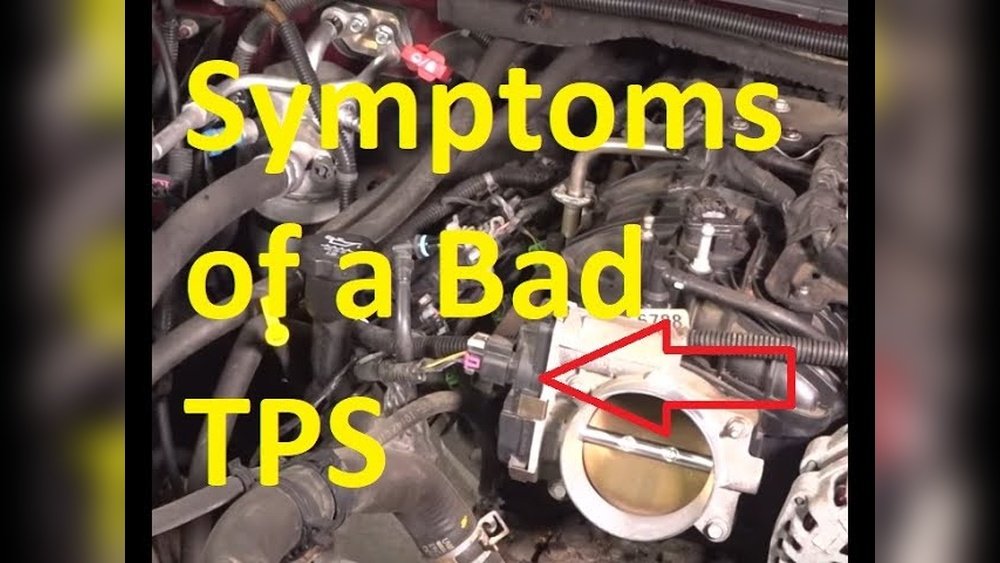
Is your car acting up when you press the gas pedal? You might be dealing with a bad throttle position sensor (TPS).
This small but crucial part tells your engine how much air to mix with fuel for smooth driving. When it fails, you’ll notice problems like jerky acceleration, rough idling, or even stalling. But how can you be sure the TPS is the culprit?
You’ll discover the key symptoms of a bad throttle position sensor so you can spot the warning signs early and avoid costly repairs. Keep reading to protect your ride and keep your engine running smoothly.
Credit: www.usedcars.co.ke
Engine Hesitation And Power Loss
Engine hesitation and power loss are common signs of a faulty throttle position sensor. This sensor controls the amount of air entering the engine. When it fails, the engine does not get the right air-fuel mix. This causes the engine to hesitate or lose power during driving.
These symptoms make driving unsafe and uncomfortable. The car may struggle to accelerate or stall unexpectedly. Understanding these signs helps detect throttle position sensor issues early.
Engine Hesitation
Engine hesitation means the car stumbles when you press the gas pedal. The engine may feel like it is lagging or not responding. This happens because the sensor sends wrong signals to the engine control unit.
The wrong signals cause delays in fuel delivery. You might notice the car hesitates before speeding up. This issue often occurs during acceleration from a stop or low speed.
Power Loss
Power loss means the engine cannot produce enough force. The car may feel weak or slow, especially when climbing hills or carrying heavy loads. A bad throttle position sensor disrupts the air and fuel balance.
Without the right mix, the engine struggles to maintain power. You might find the engine running rough or losing speed on the road. This problem worsens over time if left unchecked.
Erratic Or Unstable Idle
Erratic or unstable idle causes the engine’s RPM to jump or drop unexpectedly. This can make the car idle too high or too low. Such behavior often signals a failing throttle position sensor.
An erratic or unstable idle is a common sign of a bad throttle position sensor (TPS). The idle speed may jump up and down without reason. Sometimes, the engine idles too high or too low, making the car feel rough and shaky.
This happens because the TPS sends incorrect signals to the engine control unit (ECU). The ECU then changes the air and fuel mix wrongly. The engine struggles to maintain a steady idle speed.
You might notice the RPM gauge needle moving wildly when the car is stopped. The engine may also feel like it is about to stall or surge suddenly. These symptoms make driving unsafe and uncomfortable.
Many drivers report that the car shakes or vibrates more than usual while idling. This instability can lead to further engine problems if ignored. Checking the throttle position sensor should be a priority when these symptoms appear.
Sudden Stalling Issues
A bad throttle position sensor (TPS) can cause transmission shifting problems. This sensor tells the engine control unit how much the throttle is open. When it fails, the transmission may not shift gears smoothly.
Shifting issues can make driving unsafe and uncomfortable. The car might hesitate or shift too late. These problems happen because the TPS sends wrong signals about engine speed and load.
Delayed Gear Shifts
The transmission may delay shifting to the next gear. This happens when the TPS gives incorrect throttle position data. The car may feel sluggish or slow to respond when you press the gas pedal.
Harsh Or Jerky Shifts
The car can shift gears harshly or jerk while changing. This is due to the transmission reacting to wrong signals. Harsh shifts can cause damage to transmission parts over time.
Transmission Stuck In One Gear
Sometimes the transmission stays in one gear and won’t shift. A faulty TPS may confuse the system. This can reduce fuel efficiency and increase engine wear.
Transmission Warning Light
The check engine or transmission warning light may turn on. The car’s computer detects shifting problems caused by the bad TPS. A diagnostic scan can confirm the sensor issue.
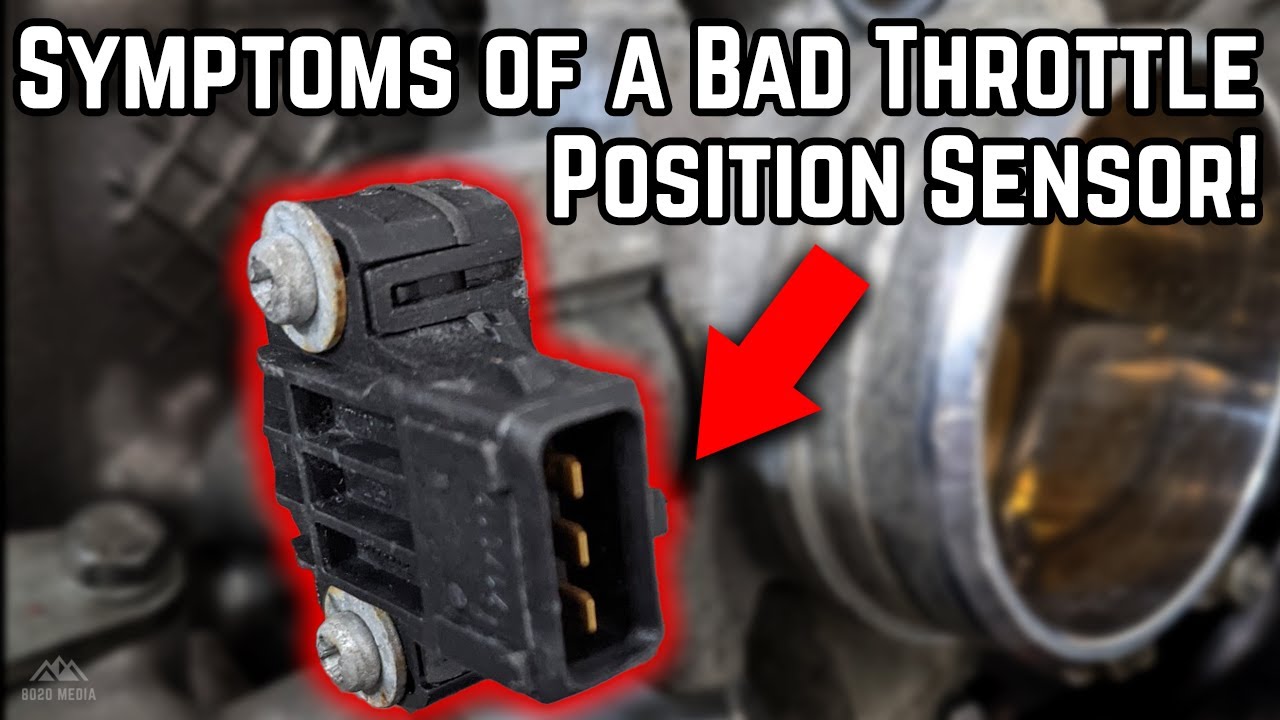
Credit: www.youtube.com
Transmission Shifting Problems
Poor fuel economy and reduced performance often signal a failing throttle position sensor (TPS). This sensor controls how much air enters the engine. A faulty TPS sends wrong signals, causing the engine to use fuel inefficiently. Drivers notice less power and more trips to the gas station.
Fuel is wasted when the engine cannot adjust properly. The vehicle may hesitate or jerk during acceleration. These problems affect daily driving comfort and increase running costs.
Poor Fuel Economy
A bad TPS confuses the engine control unit (ECU). The ECU may inject too much fuel or not enough air. This imbalance causes the engine to burn fuel faster than normal. Drivers see a drop in miles per gallon.
Fuel consumption rises even if driving habits stay the same. This issue can lead to higher fuel bills over time. Detecting this early saves money and prevents further engine damage.
Reduced Engine Power
The engine struggles to produce power with a faulty TPS. Acceleration feels weak or delayed after pressing the gas pedal. The car may stumble or hesitate on hills or during overtaking.
Such performance loss makes driving stressful and unsafe. The engine cannot respond smoothly to throttle changes. This symptom often causes frustration during regular trips.
Irregular Engine Idle
A damaged TPS causes the engine to idle unevenly. The RPM may jump up and down or stay unusually high or low. This unstable idle wastes fuel and stresses engine parts.
The rough idle can also cause vibration inside the vehicle. It signals that the throttle sensor needs checking. Ignoring this may lead to stalling or harder engine starts.
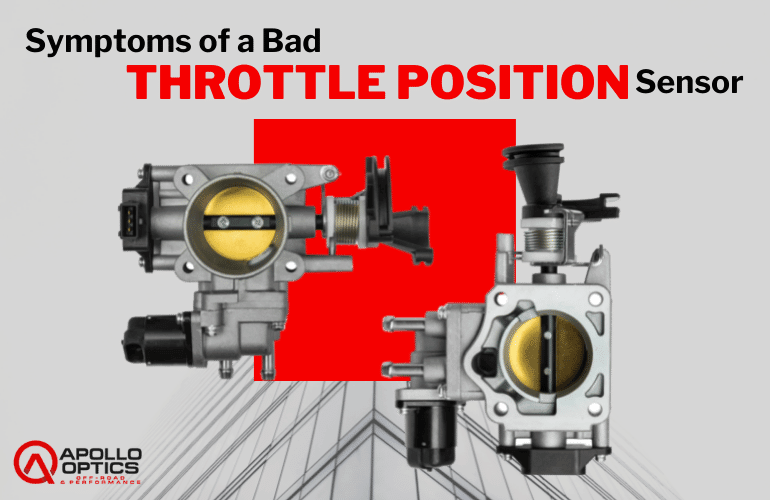
Credit: apollooffroad.com
Frequently Asked Questions
How Do I Reset My Throttle Position Sensor?
To reset your throttle position sensor, disconnect the battery for 15 minutes. Reconnect it, then start the engine and let it idle. This allows the sensor to recalibrate automatically. If issues persist, use a scan tool to reset error codes or consult a mechanic.
How Do You Test A Throttle Position Sensor?
Test a throttle position sensor by measuring its voltage with a multimeter while slowly opening the throttle. Voltage should increase smoothly from 0. 5 to 4. 5 volts. Check for sudden drops or spikes indicating sensor issues. Also, use a scan tool to monitor live data for irregular readings.
How Can I Tell If My Tps Is Bad?
A bad TPS causes erratic idle, poor acceleration, hesitation, stalling, and shifting issues. Check for these symptoms to identify problems.
What Happens If I Unplug My Throttle Position Sensor?
Unplugging your throttle position sensor causes engine hesitation, erratic idle, stalling, poor acceleration, and transmission shifting issues. The vehicle’s performance and fuel efficiency decline sharply. The engine control module loses throttle position data, leading to limp mode activation and potential driveability problems.
What Are The Common Signs Of A Bad Throttle Position Sensor?
A bad throttle position sensor can cause poor acceleration, erratic idle, and engine stalling. You may also notice rough shifting in automatic transmissions.
Conclusion
A bad throttle position sensor affects your car’s performance clearly. You may notice rough idling, poor acceleration, or sudden stalling. Gear shifting can become jerky or delayed as well. These signs mean the sensor needs checking or replacement soon. Acting quickly helps avoid bigger engine problems later.
Keep your vehicle running smoothly by addressing these symptoms early. Regular maintenance ensures a safer and more reliable drive. Don’t ignore the warning signs your car gives you.