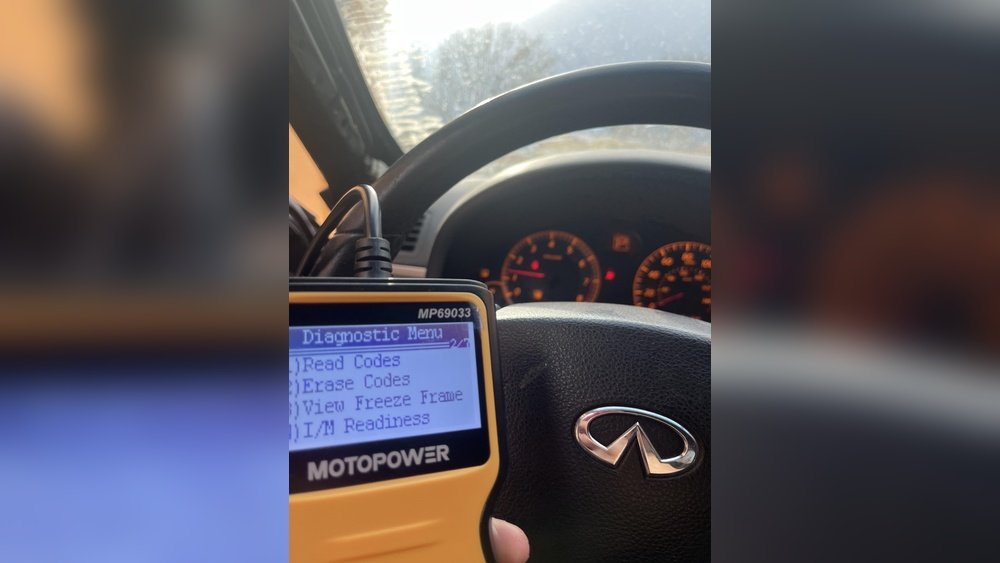
Can You Pass Inspection With the Check Engine Light On? Find Out Now
You see that glowing check engine light on your dashboard, and now you’re wondering—can you still pass your car inspection with it on? It’s a question that worries many drivers because the check engine light often signals a problem.
But does it automatically mean your vehicle will fail the inspection? Before you rush to fix or hide the issue, let’s break down what the check engine light really means for your inspection results. By the end of this article, you’ll know exactly what steps to take to avoid surprises and keep your vehicle road-ready.
Keep reading to find out if that light dooms your inspection or if there’s a way around it.
Why The Check Engine Light Matters
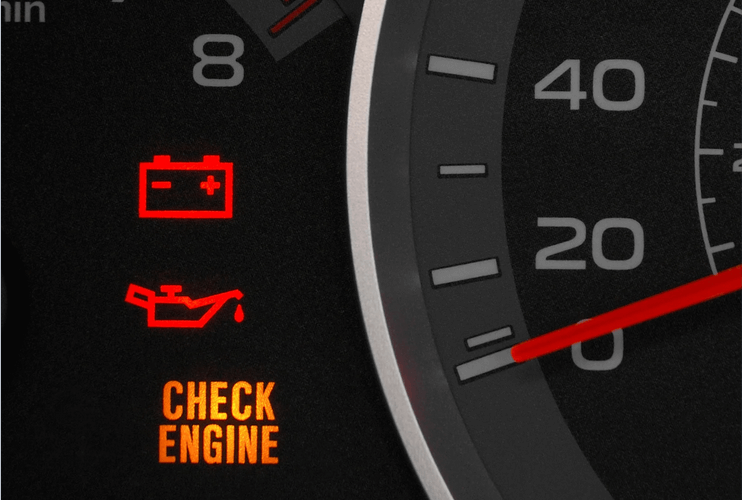
The check engine light signals issues within your vehicle’s systems. It alerts you to problems that could affect safety, emissions, or performance. Ignoring this light can lead to costly repairs or unsafe driving conditions.
During a vehicle inspection, the check engine light plays a key role. Inspectors use this signal to identify if your car meets safety and environmental standards. The light helps catch hidden problems that might not be obvious during a visual check.
What The Check Engine Light Indicates
The light turns on when the car’s computer detects a problem. This can range from a loose gas cap to engine or emission system failures. Each issue affects how your vehicle runs and pollutes the environment.
Some problems are minor, but others can cause serious damage if ignored. The light ensures these issues get attention before they become dangerous or expensive.
Impact On Vehicle Inspection
Most inspection centers will fail a vehicle if the check engine light is on. This is because the light often means your car is not meeting emission standards. Passing inspection requires fixing the underlying problem first.
The light also shows if your car’s onboard diagnostic system is working. A malfunctioning system can prevent proper emissions checks, leading to a failed inspection.
Why Emissions Matter
Emissions tests check how much pollution your car produces. The check engine light often indicates excessive emissions. Cars with active issues produce more harmful gases, harming air quality and public health.
Keeping the light off helps ensure your vehicle runs cleanly and efficiently. It also helps your car pass emissions tests needed for registration and legal road use.
Credit: www.chapelhilltire.com
Emission Test And Inspection Rules
Emission tests check if a vehicle meets environmental standards. These tests look for harmful gases from the exhaust. States have strict rules to reduce air pollution.
Most states will not pass a car with the check engine light on. This light signals that the engine or emission system has a problem. The vehicle must be fixed before passing the test.
Rules vary by state but usually include checking the onboard diagnostic system. If the system detects an error, the light turns on. The car then fails the emission test.
How The Check Engine Light Affects Emission Testing
The check engine light means the car’s computer found a fault. This fault may cause the car to pollute more. Testing stations read this light as a fail signal.
Even if the car seems fine, the light must be off to pass. Mechanics use a scanner to read the error codes. These codes show what needs fixing.
State Regulations On Passing With The Check Engine Light
Most states refuse to pass cars with the check engine light on. Some states allow a brief grace period to fix the issue. Others require the light to be off at the time of testing.
Some areas require a “drive cycle” after fixing the issue. This means driving the car for a set time to reset the system. Without this, the light may stay on and cause failure.
Consequences Of Failing The Emission Test
Failing means you cannot renew your vehicle registration. The vehicle must be repaired and retested. Ignoring the problem can lead to fines or penalties.
Fixing the problem saves money in the long run. It also helps the environment by lowering pollution. Regular maintenance keeps your car in good shape.
Common Reasons For A Check Engine Light
The check engine light signals issues detected by your vehicle’s computer. It can turn on for many reasons. Some are simple fixes, while others need urgent attention.
Knowing common causes helps decide if the car is safe and ready for inspection. Ignoring the light can lead to bigger problems or a failed test.
Loose or Damaged Gas CapA loose or broken gas cap often triggers the check engine light. It causes fuel vapors to leak, affecting emissions. Tightening or replacing the cap usually clears the light quickly.
Faulty Oxygen SensorThe oxygen sensor measures exhaust gases to manage fuel mix. A bad sensor lowers fuel efficiency and raises emissions. Repairing this part helps the engine run cleaner and may turn off the light.
Malfunctioning Catalytic ConverterThe catalytic converter reduces harmful exhaust gases. If it fails, the check engine light will come on. It can cause poor engine performance and higher emissions. Replacement is often necessary.
Bad Spark Plugs or WiresWorn spark plugs or wires cause misfires and rough idling. This problem triggers the check engine light. Replacing these parts improves engine smoothness and emissions.
Mass Airflow Sensor IssuesThe mass airflow sensor measures air entering the engine. A faulty sensor leads to poor fuel economy and engine problems. Cleaning or replacing it can clear the check engine light.

Credit: girlingtongarage.com

Credit: www.youtube.com
Frequently Asked Questions
Will I Fail My Inspection If My Check Engine Light Is On?
You will fail your inspection if the check engine light is on. It indicates an emissions or engine issue requiring repair.
Can I Drive 100 Miles With The Engine Light On?
Driving 100 miles with the engine light on can risk further damage. Check engine codes promptly and fix issues to avoid costly repairs.
How Can I Turn Off My Check Engine Light To Pass Inspection?
Turn off your check engine light by fixing the issue triggering it. Then, clear the codes and complete a full drive cycle before inspection.
How Long After You Clear Codes To Pass Emissions?
After clearing codes, complete the drive cycle, which usually takes 50-100 miles of varied driving. Then, your vehicle may pass emissions.
Can A Car Pass Inspection With The Check Engine Light On?
No, most states require the check engine light to be off for inspection. The light indicates a possible emissions or safety issue that must be fixed first.
Conclusion
A check engine light on usually means your car will fail inspection. The light signals a problem that needs fixing. Ignoring it can lead to higher repair costs later. Fixing the issue helps your car run better and safer. Always address the cause before the inspection.
Clear the light only after repairs and a proper drive cycle. This keeps you legal and avoids surprises at the inspection station. Remember, a clear engine light means a better chance to pass.