How to Check an Alternator by Disconnecting the Battery: Easy Steps
Wondering if your alternator is working properly? Checking it by disconnecting your battery might be the quickest way to find out.
This simple test can tell you if your alternator is supplying enough power to keep your engine running. But before you grab a wrench, it’s important to know exactly how to do this safely—because a wrong move could damage your car’s electrical system or leave you stranded.
You’ll learn a straightforward, step-by-step method to check your alternator by disconnecting the battery. Whether you drive an older model or a modern vehicle, you’ll discover what works best for your car and how to avoid common mistakes. Keep reading to save time, avoid costly repairs, and get your engine’s power system back on track.

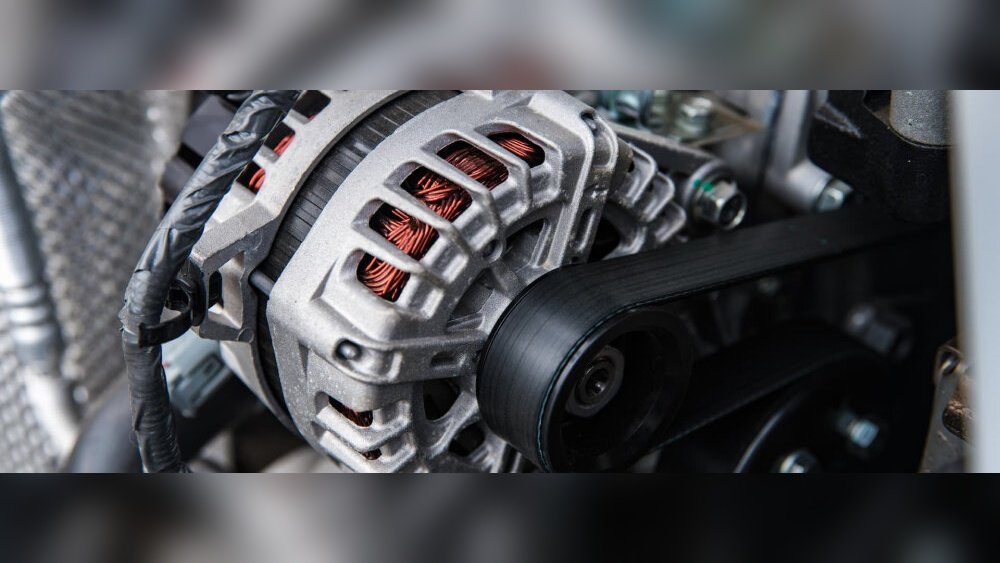
Credit: www.fridayparts.com
Old School Battery Disconnect Test
Checking an alternator by disconnecting the battery seems simple. This old method tests if the alternator keeps the engine running. It has been used for years. Still, this test carries risks that most drivers don’t realize. Knowing these risks helps avoid costly car damage.
Potential Electrical Damage
Disconnecting the battery can cause voltage spikes. These spikes may damage sensitive electronics. Modern cars have many computer-controlled parts. These parts can fail from sudden voltage changes. The alternator is connected to the car’s electrical system. Removing the battery suddenly can send a shock through the system. This shock can burn out fuses or damage the alternator itself. It may also harm the engine control unit (ECU). Repairing these parts can be expensive. The risk of damage makes this test unsafe for many vehicles.
Limitations For Modern Cars
Modern cars use complex electronics for performance and safety. The battery supports these systems constantly. Disconnecting it interrupts power to critical parts. The engine may stall not because of the alternator. It could be due to lost computer memory or sensors shutting down. Many newer cars have safety features that prevent running without battery power. This method may give false results, causing confusion. It is less reliable than using a multimeter or professional diagnostic tools. For modern vehicles, safer tests provide better answers.
Why This Method Is Risky
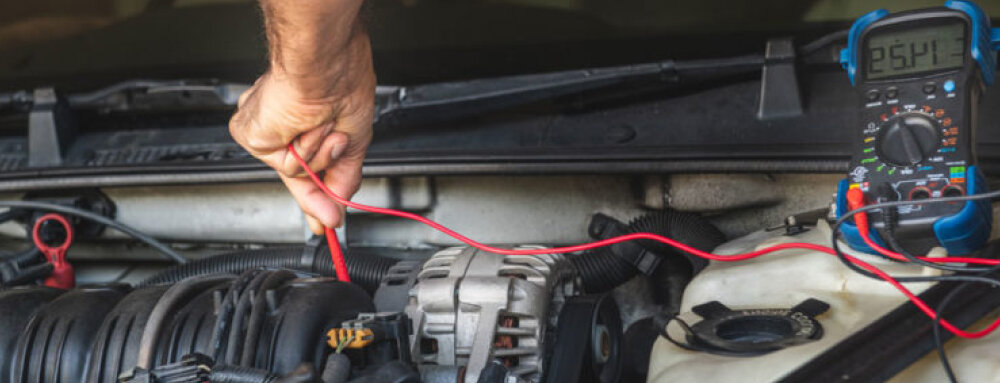
Using a multimeter offers a more precise way to test your alternator’s health. It measures electrical output directly. This method avoids the risks of disconnecting the battery while the engine runs. A multimeter provides clear data to understand the alternator’s condition. You can do this quickly with just a few simple steps.
Checking Voltage Output
Start by setting your multimeter to measure DC voltage. Connect the red probe to the positive battery terminal. Attach the black probe to the negative terminal. With the engine off, note the voltage reading. It should be around 12.6 volts for a fully charged battery.
Next, start the engine and check the voltage again. A healthy alternator will raise the voltage between 13.8 and 14.5 volts. This means the alternator is charging the battery properly. Lower voltage suggests the alternator may be weak or failing.
Interpreting The Readings
Voltage below 12.6 volts with the engine off indicates a discharged battery. Voltage over 14.5 volts with the engine running could mean the alternator is overcharging. Both situations need attention to avoid further damage.
Stable voltage between 13.8 and 14.5 volts shows the alternator works well. If voltage drops when you increase engine speed, the alternator may have trouble keeping up. Use these readings to decide if you need a professional check or replacement.
Using A Multimeter Instead
Recognizing signs of a failing alternator helps avoid unexpected car troubles. The alternator charges the battery and powers electrical systems. When it fails, the car may show clear warning signs. Spotting these signs early can save time and money on repairs.
Engine Stalling
The engine may stall while driving or idling. This happens because the alternator stops supplying power. Without enough electricity, the engine cannot run smoothly. Sudden stalling is a strong signal of alternator issues.
Dim Lights And Electrical Issues
Headlights and dashboard lights may become dim or flicker. Other electrical parts, like power windows, can act strangely. These problems occur as the alternator fails to charge the battery fully. Weak electrical power causes these visible signs.
Battery Warning Light
The battery warning light on the dashboard may turn on. This light indicates charging system problems, often linked to the alternator. Ignoring this warning can lead to a dead battery and car breakdown.
Credit: speedalternators.com
Signs Of A Failing Alternator
Replacing your alternator is a key step when your vehicle’s electrical system fails. A faulty alternator can cause dim lights, battery issues, or the car to stop running. Installing a new one restores power and keeps your car running smoothly.
Knowing how to choose and install the right alternator saves time and money. It also prevents damage to other parts of your vehicle. Below are essential tips to guide you through the replacement process.
Finding The Right Replacement
Choose an alternator that matches your car’s make and model. Check the amperage rating to ensure it meets your vehicle’s needs. Use part numbers from your old alternator for exact matches. Avoid cheap, low-quality parts that may fail quickly.
Installation Tips
Disconnect the battery before starting to avoid electrical shocks. Remove the belt and bolts holding the old alternator in place. Install the new alternator securely and reconnect the belt with proper tension. Double-check all connections for tightness and cleanliness. Reconnect the battery only after the installation is complete.
When To Seek Professional Help
Call a mechanic if you lack tools or experience. Complex wiring or tight spaces may require expert skills. If your car has additional electronic systems, professionals can prevent damage. Always prioritize safety and proper function over saving a few dollars.

Credit: jerry.ai
Frequently Asked Questions
Can You Tell If An Alternator Is Bad By Disconnecting The Battery?
With the engine running, disconnect the negative battery cable carefully. If the engine stalls, the alternator is likely bad. If it keeps running, the alternator is charging properly. This test works mainly on older vehicles without sensitive electronics.
What Is The Easiest Way To Test An Alternator?
Start the engine and loosen the negative battery cable. If the engine stalls, the alternator is likely bad. If it runs, the alternator works. This simple test helps check alternator output quickly on older vehicles.
How Do You Force Start A Car With A Bad Alternator?
Start the engine and let it idle. Loosen and remove the negative battery cable carefully. If the engine stalls, the alternator is bad. This method works only on older, carbureted vehicles without sensitive electronics. Avoid this on modern cars to prevent electrical damage.
How To Test An Alternator With No Battery?
Start the engine and let it idle. Loosen and remove the negative battery cable. If the engine stalls, the alternator is failing. If it runs, the alternator is working. This test works only on older vehicles without sensitive electronics.
Can I Test An Alternator By Disconnecting The Battery?
Yes. Start the engine, then disconnect the negative battery cable. If the engine stops, the alternator is likely bad.
Conclusion
Testing an alternator by disconnecting the battery is quick and simple. This method helps you know if the alternator works well. If the engine stops after disconnecting, the alternator may be faulty. If it keeps running, the alternator likely charges the battery properly.
Always be careful when handling car batteries and electrical parts. Regular checks can prevent bigger car problems later. Use this easy test to save time and money on repairs. Keep your vehicle running smoothly with simple maintenance steps like this.