
Do You Need to Disconnect Battery to Change Spark Plugs: Essential Guide
Are you about to change your spark plugs and wondering if you need to disconnect your car’s battery first? It’s a common question that can save you time, hassle, and even protect your vehicle’s electronics.
You might think unplugging the battery is a must for safety, but is it really necessary? You’ll discover when disconnecting the battery is a smart move—and when it’s perfectly fine to leave it connected. By the end, you’ll feel confident tackling your spark plug replacement the right way, avoiding common pitfalls that could cost you more than just a few minutes.
Let’s clear up the confusion and get your engine running smoothly again!
Is Battery Disconnection Necessary
Changing spark plugs is a common car maintenance task. Many wonder if disconnecting the battery is necessary before starting. The simple answer is no, it is not always required. But understanding the reasons for disconnecting or not can help you work safely and efficiently.
Different situations and car models might influence this choice. Knowing the pros and cons helps you decide the best approach for your vehicle.
Why You Might Want To Disconnect The Battery
- Prevents accidental sparks or short circuits during work.
- Protects sensitive electrical components from damage.
- Reduces the risk of electric shock while handling spark plug wires.
Why You Might Want To Leave The Battery Connected
- Keeps radio presets and clock settings intact.
- Prevents loss of learned driving habits by the engine computer.
- Saves time by avoiding the need to reset electronic systems.
Best Practices If Leaving The Battery Connected
- Turn off the ignition fully and remove the key or fob.
- Work on one cylinder at a time to avoid wire confusion.
- Unplug the ignition coil, change the spark plug, then reconnect it.
- Avoid touching metal tools to the battery terminals or engine block.
Credit: www.capitalone.com
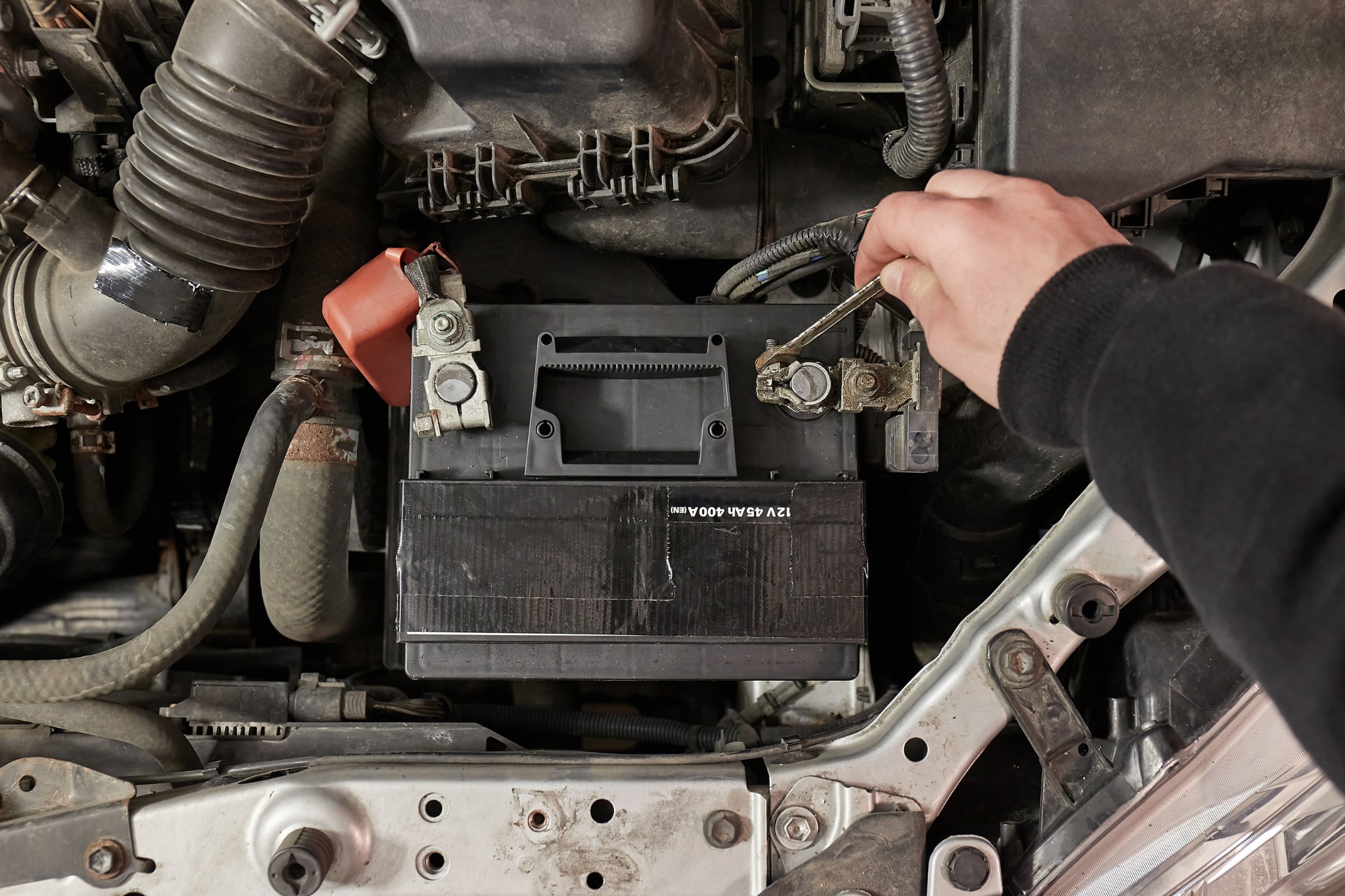
Reasons To Disconnect The Battery
Disconnecting the battery before changing spark plugs helps avoid risks. It adds a layer of safety during the process. Understanding these reasons makes the task safer and smoother.
Short-circuit Prevention
Tools can slip and touch metal parts on the car. This can cause sparks or short circuits. Disconnecting the battery removes the power source. It stops accidental sparks that can harm you or the car.
Protecting Electrical Components
Modern cars have sensitive electronics. A sudden electrical surge can damage these parts. Removing the battery stops power flow. This protects the car’s computer and sensors during the work.
Preventing Accidental Engine Start
Accidental engine start can happen if the ignition is turned on. This can cause serious injury while working on spark plugs. Disconnecting the battery ensures the engine stays off. It keeps the work environment safe.
Benefits Of Leaving Battery Connected
Keeping the battery connected during spark plug replacement offers some clear benefits. It helps preserve your vehicle’s electronic settings. Systems like the radio, clock, and engine computer keep their stored data.
This saves you time and effort after the repair. You avoid resetting all your preferences and settings. The engine’s computer retains its learned driving habits, which can improve performance.
Leaving the battery connected also means less chance of error. You can work on one cylinder at a time without worrying about losing electrical power. This method makes the task smoother and more efficient.
Preserves Radio And Clock Settings
Disconnecting the battery causes your radio presets and clock to reset. You must reprogram them after finishing the spark plug change. Leaving the battery connected keeps all settings intact.
This avoids frustration, especially if you have many presets or a complex clock setup. You save time by not having to reset everything manually.
Maintains Engine Computer Memory
The engine control unit stores important data about your driving style and engine performance. Disconnecting the battery erases this memory. It forces the computer to relearn from scratch.
When you keep the battery connected, the computer retains this information. The engine runs smoothly and efficiently right after the repair. This reduces the chance of rough idling or poor performance.
Reduces Risk Of Electrical Issues
Keeping the battery connected avoids some common electrical risks. You prevent accidental resets of onboard computers. This also helps avoid errors that may trigger warning lights.
With power maintained, you can test ignition coils and spark plugs immediately. This helps verify the repair was successful before finishing the job.
Simplifies The Spark Plug Replacement Process
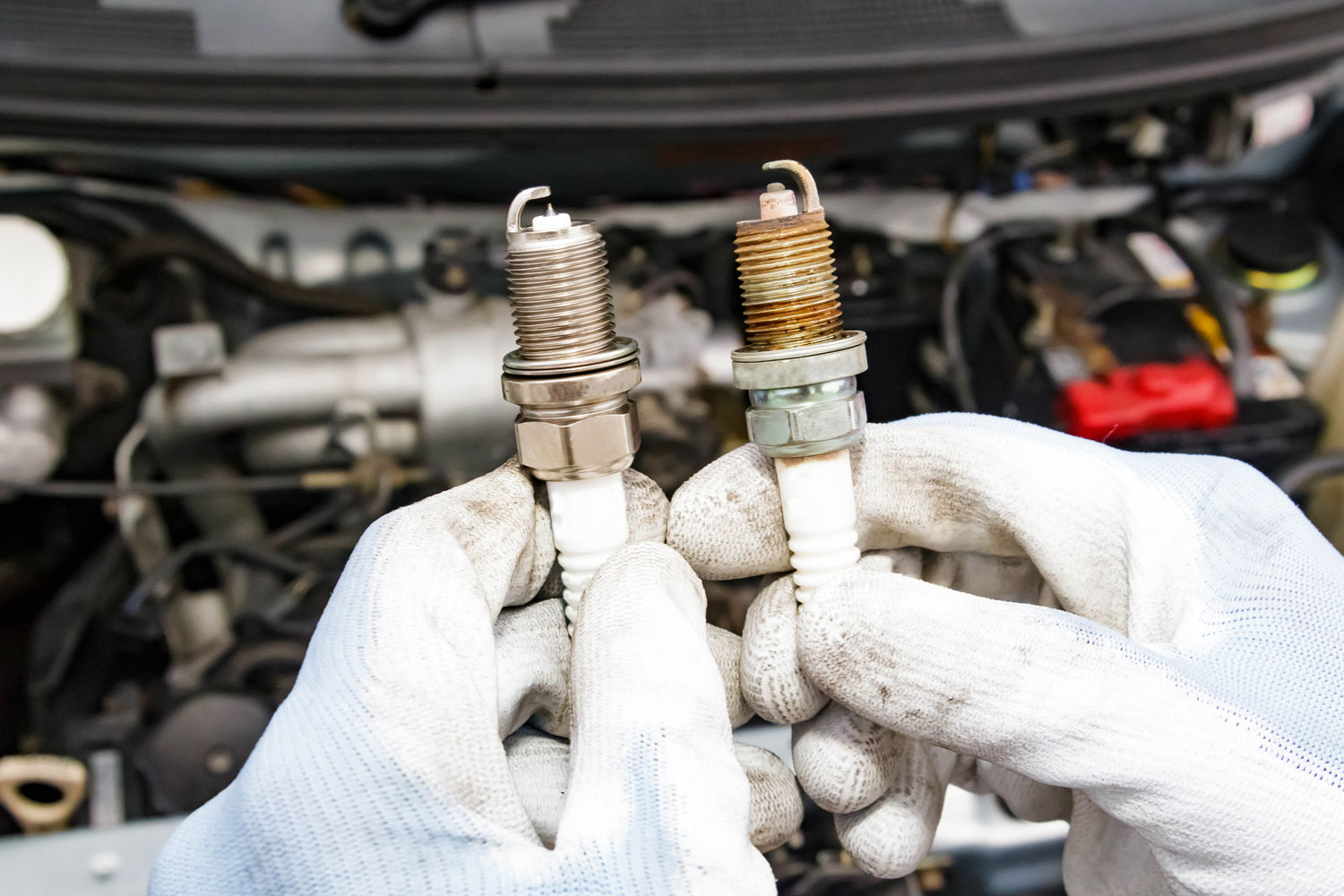
Working with the battery connected lets you change one spark plug at a time. You unplug the ignition coil, swap the spark plug, then reconnect the coil. This keeps everything organized and reduces mistakes.
You do not need to disconnect multiple wires at once. This careful approach helps protect sensitive engine components. It also makes the job safer and faster.
Credit: www.carparts.com
Safe Spark Plug Replacement Tips
Disconnecting the battery is not always required to change spark plugs. Turning off the ignition and working carefully on one spark plug at a time helps avoid issues. Disconnecting can prevent accidental sparks but may reset your car’s settings.
Changing spark plugs is a simple task but needs care and attention. Safety protects you and your vehicle from damage. Follow these tips to replace spark plugs safely and correctly.
Work in a well-ventilated area with good lighting. Make sure the engine is cool before starting. Hot parts can cause burns or damage tools.
Disconnect The Battery For Safety
Disconnecting the battery stops electric shocks and accidental sparks. It prevents short circuits if tools touch metal parts. This step is especially important for newer cars with complex electronics.
Use The Right Tools And Parts
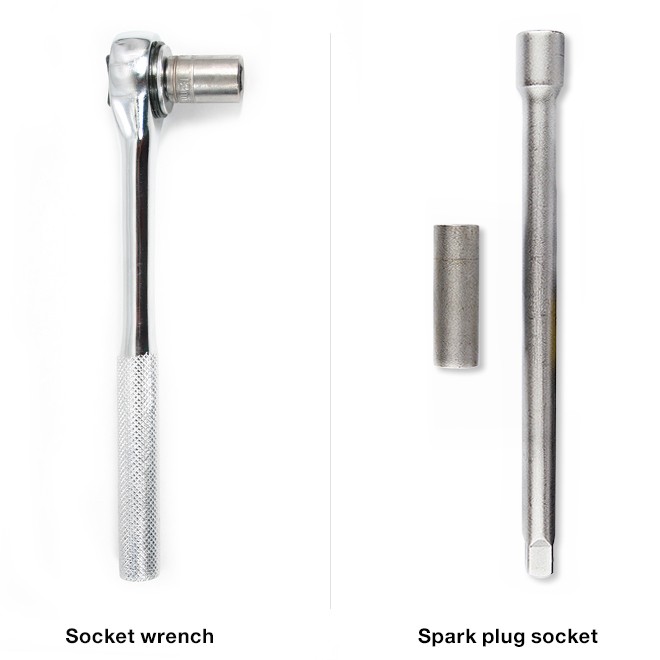
Choose a spark plug socket that fits snugly. Use a torque wrench to avoid overtightening. Pick spark plugs that match your car’s specifications for best performance.
Clean Around The Spark Plug Area
Before removing the old plug, clean the area with compressed air. This stops dirt from falling into the cylinder. Keep the engine bay clean to avoid engine problems later.
Replace One Spark Plug At A Time
Work on one spark plug before moving to the next. This prevents mixing wires or leaving a hole open. Reinstall the ignition coil or wire before continuing.
Check And Adjust The Spark Plug Gap
Check the gap on the new spark plugs with a feeler gauge. Adjust it if needed to match your car’s manual. Proper gap ensures good engine performance and fuel efficiency.
Apply Anti-seize Compound Carefully
Use anti-seize on the spark plug threads to prevent them from sticking. Apply a small amount only; too much can cause false readings or damage.
Tighten Spark Plugs To Correct Torque
Use a torque wrench for the right tightness. Too loose can cause leaks; too tight may damage the threads. Follow the torque specs in your vehicle’s manual.
Credit: www.championautoparts.com
Frequently Asked Questions
How Much Does It Cost To Replace Spark Plugs In A Toyota Corolla?
Replacing spark plugs in a Toyota Corolla typically costs between $100 and $200. Prices vary by location and service provider.
What Spark Plug For Husqvarna 61?
The recommended spark plug for a Husqvarna 61 is the Champion RCJ7Y or equivalent. Ensure the gap is 0. 020 inches.
What Kills Spark Plugs Quickly?
Overheating, oil contamination, incorrect gap, poor fuel quality, and carbon buildup quickly damage spark plugs. Frequent short trips also wear them out faster.
How Many Spark Plugs Does A Hyundai Tucson Have?
A Hyundai Tucson typically has four spark plugs, one for each cylinder in its four-cylinder engine.
Conclusion
Disconnecting the battery is not always necessary to change spark plugs. It can help avoid accidental sparks or short circuits. Yet, leaving the battery connected keeps your radio and settings intact. Always turn the ignition off completely before starting. Change one spark plug at a time to avoid confusion.
Take care to unplug and replug ignition coils properly. Following these simple steps ensures a safe and smooth spark plug change.