Why are My Car Windows Fogging Up Inside While Driving: Quick Fixes Explained
Have you ever been driving and suddenly your car windows fog up from the inside? It’s not just annoying—it can be dangerous, blocking your view and making it hard to focus on the road.
You might wonder, “Why is this happening to me, and how can I fix it fast? ” The truth is, your windows fog up because of moisture and temperature differences inside your car. But don’t worry, understanding the simple reasons behind this common problem will help you stop the fog before it starts.
Keep reading, and you’ll discover easy, effective ways to clear your windows quickly and prevent that annoying fog from ruining your drive.

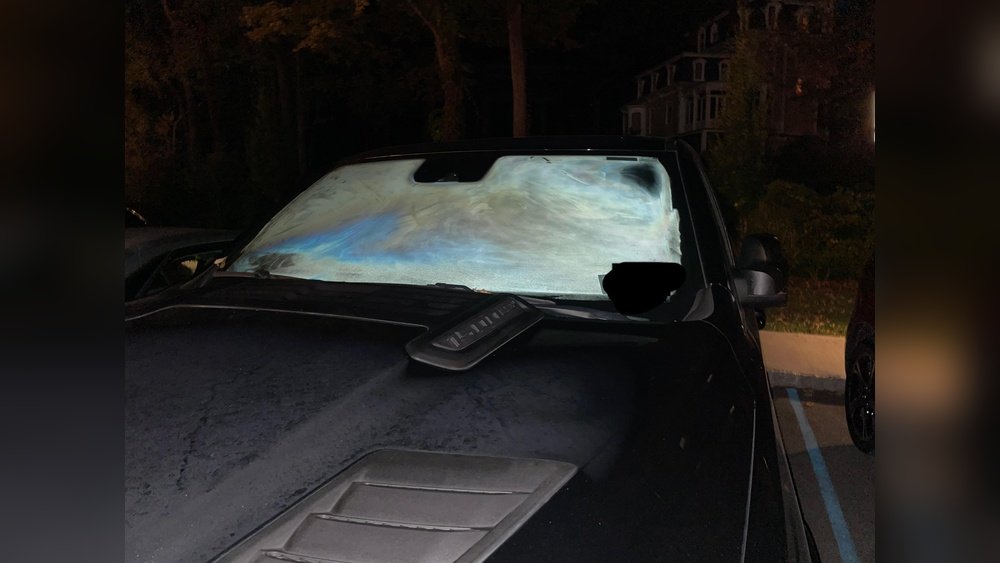
Credit: www.reddit.com
Causes Of Interior Window Fog
Interior window fog forms when moisture in the car meets cooler glass surfaces. Several factors add moisture or change temperature inside the vehicle. Understanding these causes helps prevent fog from blocking your view while driving.
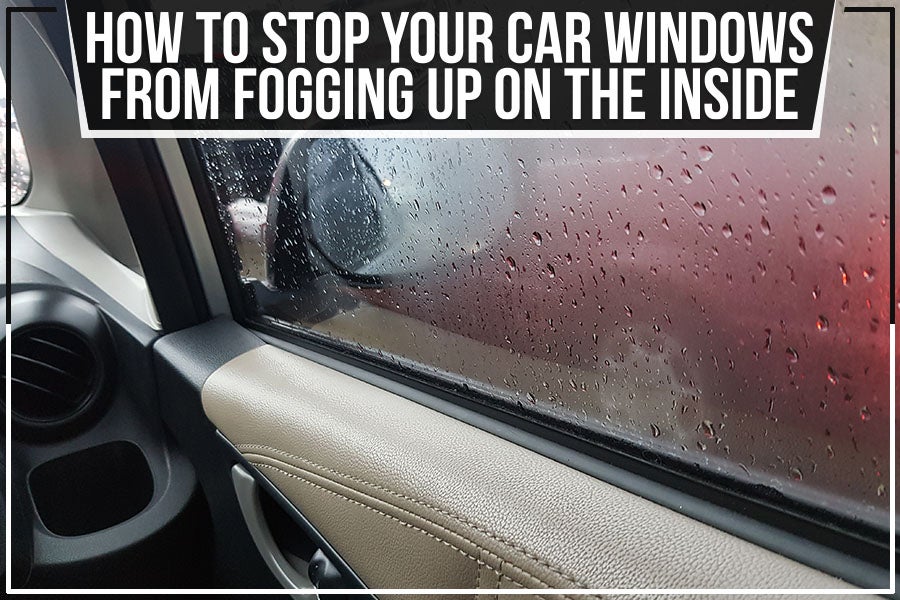
Fogging occurs because warm, moist air touches cold windows. The water vapor turns into tiny droplets on the glass. This reduces visibility and can be dangerous on the road.
Condensation Basics
Condensation happens when warm, moist air cools down quickly. Inside a car, the glass is often colder than the air. This temperature difference causes water vapor to turn into liquid droplets on windows. The process is like fog forming on a cold glass of water.
Breathing And Body Heat Effects
People inside the car release moisture when they breathe and sweat. This moisture raises humidity levels inside the cabin. Body heat also warms the air, increasing its ability to hold water vapor. The trapped moisture then condenses on cooler window surfaces.
Impact Of Recirculated Air
Using the recirculate air setting traps moist air inside the car. This prevents fresh, dry air from entering. Over time, humidity builds up and causes windows to fog. Switching to fresh air intake helps reduce moisture and clear fog faster.
Moisture From Wet Items
Wet clothes, shoes, or umbrellas inside the car add moisture to the air. Water evaporates from these items and increases humidity. This extra moisture settles on the windows as fog. Removing wet items or drying them outside reduces this problem.
Air Conditioning And Heater Problems
Malfunctioning air conditioning or heater systems can fail to control humidity. A broken A/C may not remove moisture from the air. Faulty heaters might not warm the air enough to prevent condensation. Regular maintenance keeps these systems working well.
Role Of Dirty Windows
Dirty windows attract moisture more than clean ones. Dust, grease, and grime provide surfaces for water droplets to form. Cleaning windows regularly helps reduce fog buildup. Clear glass improves visibility and safety on the road.
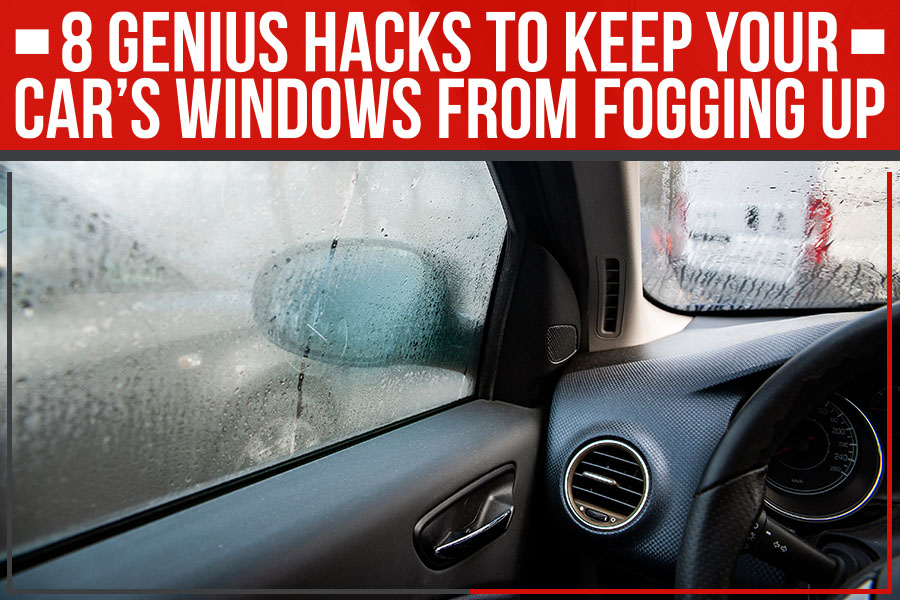
Credit: www.yorkchryslerdodgejeepram.com
How Fogging Affects Driving Safety
Fogging inside car windows can create serious safety issues. It blocks your view of the road and surroundings. This problem demands quick attention to avoid accidents. Understanding how fogging affects driving helps keep you safe.
Clear windows are crucial for safe driving. When windows fog up, your ability to see clearly reduces drastically. This affects every decision you make while driving.
Reduced Visibility Risks
Fogged windows blur vision. This makes it hard to spot cars, pedestrians, or obstacles. Reduced visibility increases the chance of collisions. It also limits your ability to judge distances and speeds accurately.
Distraction And Reaction Times
Fogged windows cause distractions. You might try wiping the glass or adjusting vents while driving. These actions take your focus away from the road. Your reaction time slows, increasing the risk of crashes. Staying focused is vital for safe driving.
Legal Implications Of Obstructed View
Driving with fogged windows can violate traffic laws. Many states require clear windows for safe driving. Police may stop drivers if visibility is impaired. Fines or penalties may follow. Keeping windows clear avoids legal trouble and supports road safety.
Quick Fixes To Clear Fog Fast
Foggy car windows block your view and create unsafe driving conditions. Clearing fog quickly helps you stay safe and confident on the road. Several simple steps can clear the fog fast without wasting time. These methods control moisture and balance the temperature inside your car. Follow these quick fixes for clear windows and a safer drive.
Using Defroster Settings Correctly
Turn the defroster on high to clear fog quickly. It directs warm air to the windshield and front side windows. Warm air evaporates moisture on the glass fast. Avoid using the foot-level vents alone. The defroster clears the fog where you need it most.
Activating Air Conditioning For Dehumidifying
Turn on the air conditioning even in cold weather. A/C removes moisture from the air inside your car. Drier air reduces fog buildup on the windows. The system dries the air, helping to clear fog faster. Keep the A/C running until the fog disappears.
Adjusting Temperature For Balance
Set the temperature to a comfortable warm level. Warm air holds more moisture, reducing fog on glass. Avoid sudden temperature changes. Gradual warming prevents more moisture from condensing. Find a balance that clears fog and keeps you comfortable.
Avoiding Air Recirculation
Turn off the air recirculation setting. Fresh air from outside lowers humidity inside the car. Recirculating moist air makes fog worse. Bringing in outside air helps dry the cabin faster. Use fresh air mode to clear fog quickly and keep windows clear.
Credit: www.johnleemazda.com
Preventing Future Fogging
Preventing future fogging of your car windows helps keep your drive safe and clear. Moisture inside the car causes fog to form on the glass. Managing this moisture and maintaining your vehicle can reduce fog buildup. Simple steps can stop fog before it starts.
Keeping Interior Dry
Moisture inside the car comes from wet clothes, shoes, and breath. Remove wet items quickly after entering the car. Use floor mats to absorb water from shoes. Keep windows slightly open on dry days to let fresh air in. Avoid leaving drinks or containers that can spill inside.
Cleaning Windows Regularly
Dirt and grime on windows attract moisture and worsen fogging. Clean windows inside and out with a good glass cleaner. Use a microfiber cloth to avoid streaks. Regular cleaning removes oils and dust that trap moisture. Clear windows improve visibility and reduce fog formation.
Maintaining Hvac Systems
Your car’s heating and air system controls moisture inside. Check and replace cabin air filters as needed. A clean filter improves airflow and removes dust and pollen. Use the air conditioner to dry the air, even in winter. Avoid using the recirculate mode for long periods. Fresh air circulation reduces humidity inside the car.
Using Anti-fog Products
Anti-fog sprays and wipes create a thin, invisible layer on glass. This layer stops moisture from clinging and forming fog. Apply these products to clean, dry windows for best results. Reapply often, especially after cleaning the glass. Many anti-fog products are affordable and easy to find.
Frequently Asked Questions
How Do I Stop My Car Windows From Fogging Up While Driving?
Turn on the fan at full power and set the temperature high. Activate air conditioning to circulate and dry the air. Avoid using recirculated air to reduce humidity inside the car. Remove wet items and keep windows clean to prevent fog buildup while driving.
What Causes Your Car Windows To Fog Up On The Inside?
Car windows fog inside due to warm, humid air meeting cold glass, causing condensation. Moisture sources include breath, damp items, and recirculated air.
How Do You Stop Car Windows From Misting Up Inside?
Turn on the fan to full power and set the temperature high. Activate air conditioning to circulate dry air and reduce moisture. Avoid using recirculate mode and remove any wet items inside the car to prevent humidity buildup.
How Do You Get Rid Of Haze On The Inside Of A Windshield?
Wipe the inside with a clean microfiber cloth and apply an anti-fog treatment. Use the defroster with fresh air, not recirculated, to reduce moisture.
Conclusion
Car windows fog inside due to moisture and temperature differences. Warm air inside meets cold glass, causing condensation. Using your car’s fan and air conditioner helps clear fog faster. Avoid recirculating air, as it traps moisture inside. Keep your windows clean to reduce fog buildup.
Small steps make driving safer and more comfortable. Stay aware and act quickly when you see fog forming. Clear windows mean better visibility and safer trips every time.