Can Your Car Pass Emissions With Check Engine Light On? Find Out!
Is your check engine light on, and you’re wondering if your car can still pass the emissions test? You’re not alone.
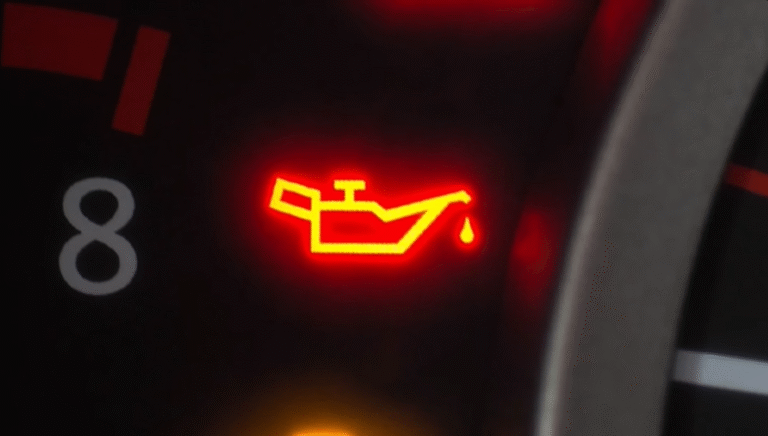
That little warning light can cause a lot of stress, especially if you’re facing a deadline to get your car inspected. But here’s the truth: that light is more than just a nuisance—it’s a signal that something’s off with your vehicle’s emissions system.
Ignoring it could mean failing the test and facing costly repairs. Keep reading to find out why the check engine light matters, what it means for your emissions test, and what steps you can take to get your car ready to pass with confidence. Don’t risk a failed inspection—understand what’s really going on under your hood.

Credit: www.youtube.com
Emissions Test Rules For Check Engine Light
Preparing your car for an emissions test requires careful attention, especially if the check engine light is on. Taking the right steps increases your chances of passing. Begin with understanding the cause of the light, then address repairs and resets. Finally, complete necessary drive cycles to ensure your car’s systems are ready for inspection.
Diagnosing The Check Engine Light
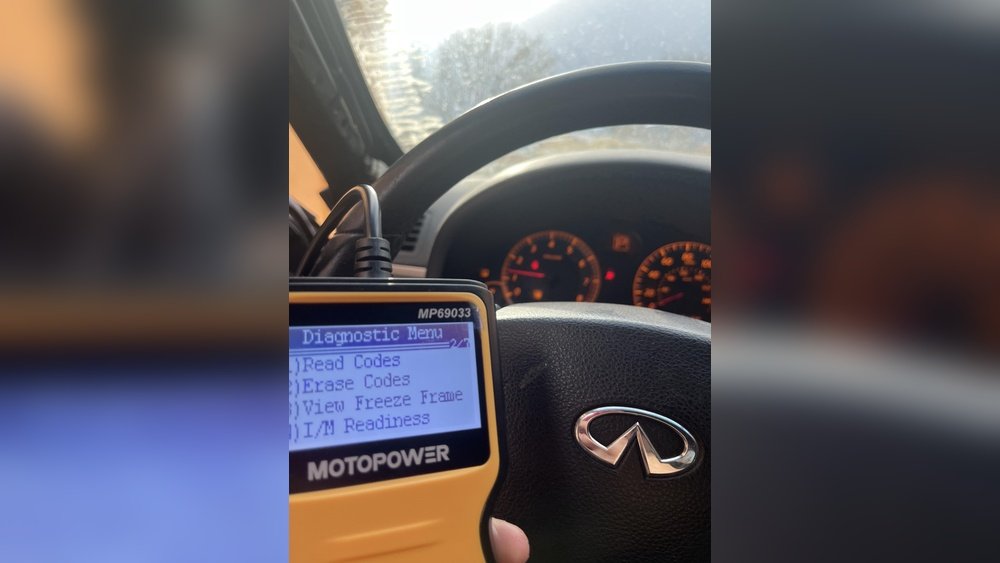
Use an OBD-II scanner to read the error codes. These codes reveal the exact issue triggering the light. Common problems include faulty sensors, loose gas caps, or engine misfires. Knowing the cause helps decide if you can fix it yourself or need a mechanic. Avoid guessing or ignoring the light before the test.
Repair And Reset Procedures
Fix the problem causing the check engine light. Repair or replace faulty parts promptly. After repairs, clear the error codes with the scanner to reset the light. Simply disconnecting the battery might reset the light but won’t fix the underlying issue. Proper repairs and resets prevent automatic test failures.
Drive Cycle Completion Requirements
After resetting the check engine light, complete a drive cycle. This means driving your car through specific conditions to allow the system to run self-tests. Typical cycles include city and highway driving at varied speeds. Without completing this, the emissions system won’t be ready, causing a failed test. Follow your vehicle’s manual for exact drive cycle steps.

Credit: www.youtube.com

Credit: www.reddit.com
Frequently Asked Questions
Will I Fail Emissions Test If Check Engine Light Is On?
A check engine light usually causes an automatic fail on emissions tests. It signals emissions system problems that require repair before testing.
How To Fix Check Engine Light For Emissions?
Fix the check engine light for emissions by diagnosing the issue with a scanner. Repair faulty parts like oxygen sensors or catalytic converters. Clear codes only after repairs. Drive the car through a complete drive cycle to reset the system before retesting emissions.
How Many Miles To Drive After Resetting The Check Engine Light For Emissions?
Drive at least 50 to 100 miles to complete a full drive cycle after resetting the check engine light for emissions.
How To Pass Emissions Test Tricks?
Pass emissions tests by ensuring your check engine light is off and your vehicle runs smoothly. Fix any engine issues first. Complete a full drive cycle after repairs before testing. Maintain proper tire pressure and use fresh fuel. Regular maintenance improves emission performance and test success.
Conclusion
A check engine light usually means your car won’t pass emissions. This light signals a problem with your vehicle’s pollution controls. Testing centers often fail cars with this warning on. Fixing the issue before testing helps avoid failure and fines.
Driving with the light on can harm the environment and your car. Always address engine problems early for smoother inspections. A working car means cleaner air and safer roads. Don’t ignore the check engine light if you want to pass emissions.