What Happens If You Drive With Your Emergency Brake on: Shocking Risks Revealed
Have you ever wondered what really happens if you drive with your emergency brake on? Maybe you forgot to release it after parking, or maybe you just didn’t notice the warning signs.
Either way, driving with the emergency brake engaged can cause serious problems for your car — and your wallet. From strange smells to reduced performance and costly repairs, the consequences can sneak up on you fast. You’ll discover exactly what happens to your vehicle when the emergency brake stays on while driving, how to spot the warning signs, and what steps you should take if you find yourself in this situation.
Keep reading to protect your car and avoid unnecessary damage.
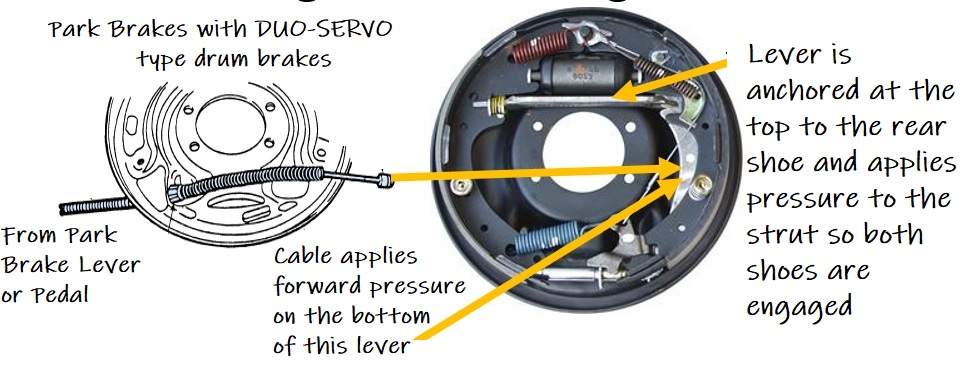
Credit: www.carparts.com
Signs Your Brake Is Engaged
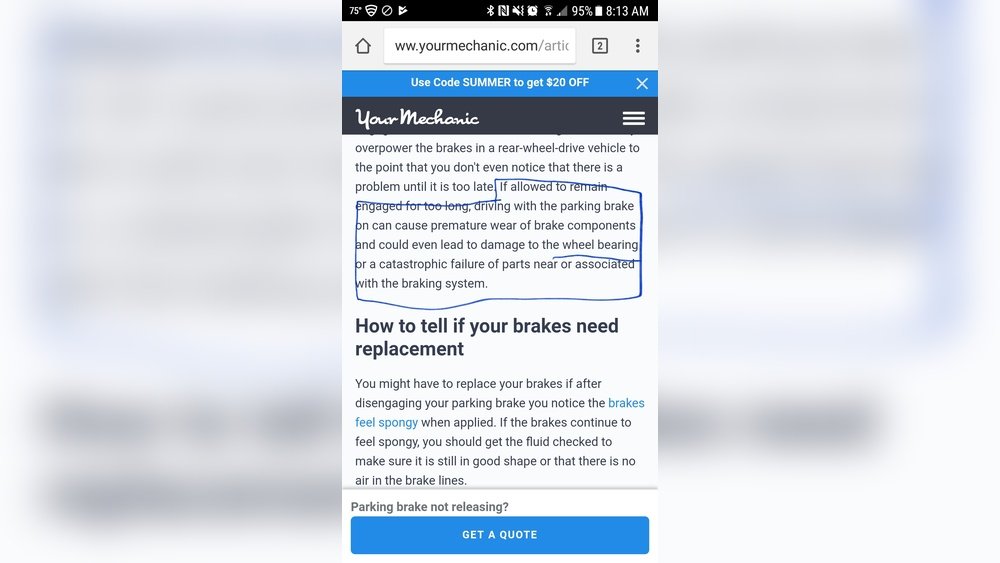
Driving with the emergency brake on can cause serious damage to your car’s brake parts. The brake system is not designed to handle constant friction while the vehicle moves. This can lead to faster wear and tear and costly repairs. Understanding how the brake components get damaged helps in avoiding these problems.
Worn Brake Pads And Rotors
The emergency brake presses the brake pads against the rotors or drums. This creates friction that slows the car. Driving with the brake on keeps the pads pressed too long. The pads wear down quickly and unevenly. Rotors can also get damaged from the heat and pressure. Warped rotors cause vibrations and reduce braking power. This wear may require replacing both pads and rotors soon.
Overheated Brake Fluid And Cables
Heat builds up when the emergency brake stays engaged while driving. This heat can cause the brake fluid to overheat and boil. Boiling fluid leads to a loss of hydraulic pressure in the brake system. It reduces the brakes’ effectiveness and can cause failure. The cables that connect the emergency brake can stretch or break from the stress. Damaged cables may cause the brake to stay stuck or fail to hold the car properly.

Credit: www.youtube.com
Damage To Brake Components
Driving with the emergency brake on can cause damage to your vehicle. Taking the right steps immediately helps prevent further issues. After noticing you drove with the brake engaged, focus on cooling down and inspecting the brake system. Careful observation and timely action reduce repair costs and keep your car safe.
Cooling Down And Inspection
Stop driving as soon as possible. Find a safe spot to park and turn off the engine. Allow the brake components to cool for at least 30 minutes. Hot brakes can cause burns or worsen damage if handled too soon.
After cooling, check for unusual smells like burning rubber or smoke. Look under the car for any signs of leaking brake fluid. Inspect the wheels for discoloration or warping, which means overheating. Gently press the brake pedal to test its feel. A soft or spongy pedal might indicate brake fluid issues or damage.
When To Seek Professional Repair
Call a mechanic if you notice burning smells or smoke after driving with the brake on. Strange noises like squealing or grinding also require expert attention. If the brake pedal feels weak or the car pulls to one side, do not drive further.
Professional technicians can assess brake pads, rotors, and cables for damage. They perform adjustments or replacements needed to restore safe braking. Early repairs prevent serious brake failure and costly future fixes. Always trust certified professionals to ensure your car’s safety and performance.

Credit: www.napatexas.com
Frequently Asked Questions
Can You Drive While The Emergency Brake Is On?
Driving with the emergency brake on causes brake wear, overheating, and reduced performance. It feels sluggish and may emit a burning smell. Modern cars may auto-release it, but avoid driving this way to prevent damage and costly repairs. Always disengage before driving.
What Happens If You Drive With The Handbrake On For 20 Minutes?
Driving with the handbrake on for 20 minutes causes overheating, brake wear, reduced stopping power, and possible brake damage.
What Happens If You Pull The Emergency Brake At 100 Mph?
Pulling the emergency brake at 100 mph can cause the rear wheels to lock, leading to loss of control and a potential crash. It damages the brake system and tires, risking severe accidents and costly repairs. Always use brakes properly for safe driving.
What Happens If You Drive With The Handbrake On For One Hour?
Driving with the handbrake on for an hour overheats and damages brake pads, drums, rotors, and brake fluid. It causes sluggish driving and burning smells. Prolonged use can misalign the parking brake cable and reduce braking efficiency. Always release the handbrake before driving to avoid costly repairs.
Conclusion
Driving with your emergency brake on causes serious damage. It makes your car work harder and wastes fuel. You might notice burning smells or strange noises. Brake parts can wear out fast and cost more to fix. Always check your brake before driving to avoid problems.
Taking care of your brakes keeps your car safe and running well.