Will My Car Pass Inspection With Check Engine Light on? Find Out Now!
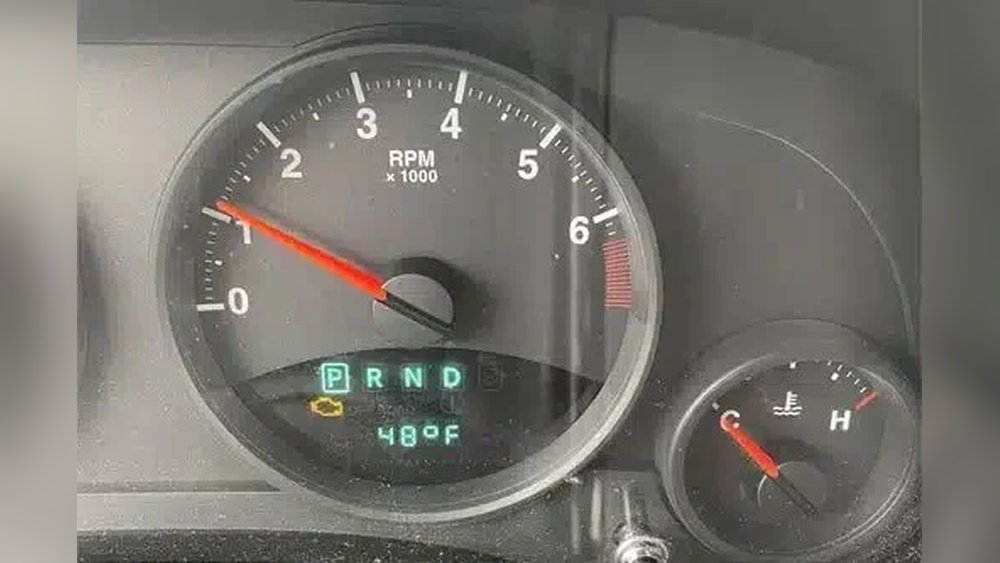
You see that glowing check engine light on your dashboard, and now you’re wondering: will my car pass inspection with that light on? It’s a question that can cause a lot of stress, especially when your registration is due soon or you have plans that depend on your car being road-legal.
The truth is, that little warning light is more than just a nuisance—it can directly affect whether your vehicle passes inspection. But don’t panic just yet. You’ll discover exactly what that check engine light means for your inspection chances, what steps you can take to improve your odds, and how to avoid unexpected failures.
Keep reading to make sure you’re fully prepared before your next visit to the inspection station.
Credit: www.familyhandyman.com
Check Engine Light And Inspection Rules
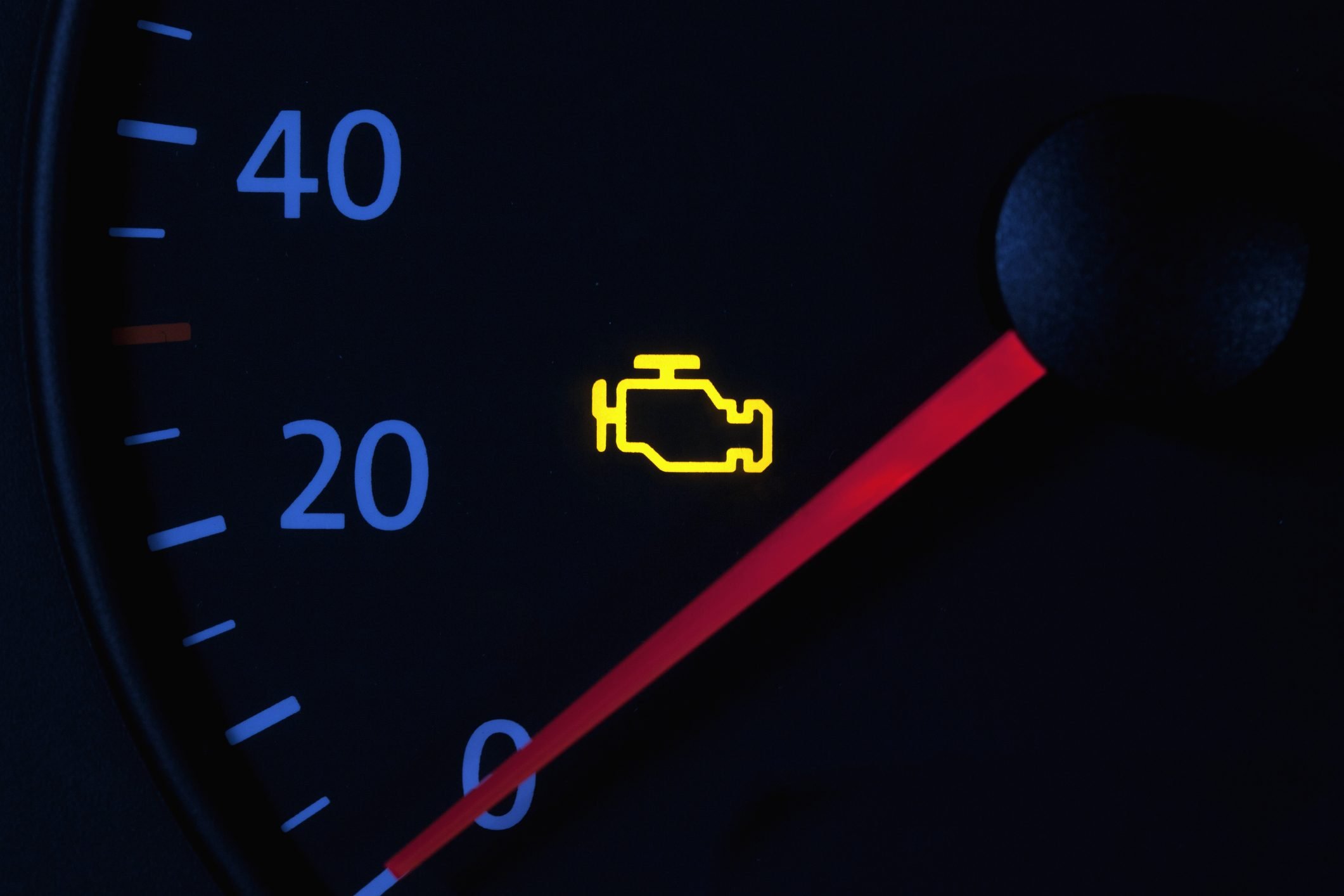
The check engine light is a key factor during vehicle inspections. It signals that the car’s computer has detected a problem. This issue often relates to emissions or engine performance. Inspection rules use this light to help identify if a car meets safety and environmental standards.
Understanding how different programs handle the check engine light helps car owners prepare. Some states have strict rules, while others are more flexible. Knowing these rules can save time and avoid unexpected failures.
How Inspection Programs Treat The Light
Most inspection programs fail vehicles with the check engine light on. The light shows that the car’s system found a fault that needs attention. Inspectors use a scanner to read trouble codes from the car’s computer. If any codes affect emissions, the car usually cannot pass.
Some programs allow a short grace period if the light just turned on. The vehicle owner may have to fix the problem and retest. In many cases, the light must be off and no codes present for the car to pass inspection.
State Variations In Inspection Standards
Inspection rules vary widely between states. Some states focus heavily on emissions, so the check engine light is critical. Other states may emphasize safety checks more than emissions. This difference affects whether a vehicle with the light on can pass.
For example, California has strict emissions testing and fails cars with the light on. Texas also checks emissions but may allow limited exceptions. Some states do not check emissions at all but still require a safety inspection. Understanding your state’s rules helps avoid inspection surprises.
Credit: www.chapelhilltire.com
Common Reasons For The Light
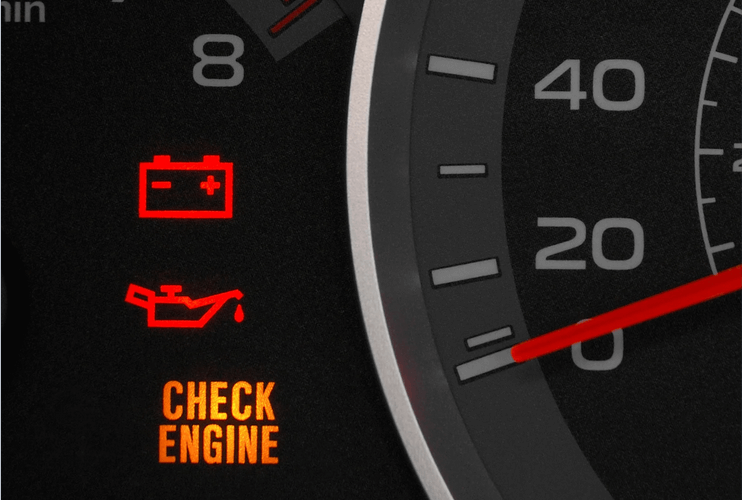
The check engine light signals a problem detected by your car’s computer. It can turn on for many reasons. Understanding these reasons helps you know if your car may pass inspection.
Some issues affect the car’s emissions system. Others involve sensors or engine parts. Both can cause the light to come on. Each problem has different effects on inspection results.
Emission System Issues
Problems in the emission system often trigger the check engine light. This system controls the car’s harmful gas output. A faulty catalytic converter or oxygen sensor can cause the light.
Leaking gas caps also lead to emission errors. These issues make the car pollute more than allowed. Inspections check emission control, so these faults often cause a fail.
Sensor And Engine Malfunctions
Sensors monitor engine functions and send data to the computer. A broken sensor can give false readings and turn on the light. Common sensors include mass airflow and crankshaft position sensors.
Engine misfires or overheating can also trigger the light. These malfunctions affect engine performance and safety. Inspectors usually fail cars with serious engine problems.
Impact On Passing The Inspection
The presence of a check engine light can significantly affect your vehicle’s ability to pass inspection. This light signals a problem detected by your car’s computer system. Inspectors use this warning to check if your vehicle meets legal and safety standards.
Passing an inspection depends on the type of tests your car must undergo. Some inspections focus on emissions, while others emphasize safety features. Both areas can be influenced by the check engine light.
Emissions Test Failures
The check engine light often means the emissions system is not working properly. Most states require cars to pass an emissions test to reduce pollution. A lit check engine light usually causes an automatic failure in this test. The vehicle’s onboard diagnostics system stores error codes that inspectors read. These codes indicate issues like faulty sensors or engine problems. Repairing these problems is necessary before passing the emissions test.
Safety Inspection Considerations
Some safety inspections include checks related to the engine and exhaust systems. A check engine light may reveal a problem affecting vehicle safety. Issues like misfires or exhaust leaks can be dangerous and cause a fail. Inspectors ensure your car is safe to drive on the road. Fixing the cause of the check engine light helps meet safety standards. A clear engine light improves your chances of passing the safety inspection.

Credit: www.reddit.com
Steps To Clear The Light Before Inspection
Clearing the check engine light before your car inspection improves your chances of passing. The light signals an issue with your vehicle’s systems. Ignoring it can lead to automatic failure in many states. Taking simple steps can help reset the light and ensure your car meets inspection standards.
Diagnosing The Problem
First, identify why the check engine light is on. Use an OBD-II scanner to read error codes from your car’s computer. These codes point to specific problems like a loose gas cap or faulty sensor. Fixing the root cause is essential before clearing the light. Ignoring the problem can cause the light to come back on quickly.
Resetting The Light And Drive Cycles
After repairs, reset the check engine light using the scanner or by disconnecting the car battery for a short time. Clearing the light alone is not enough. The car’s computer needs time to run “drive cycles” to test all systems. Drive your car for several days, completing different driving conditions like city and highway. Once the system confirms no issues, the light should stay off, ready for inspection.
Frequently Asked Questions
Can You Pass An Inspection With Your Check Engine Light On?
You cannot pass a vehicle inspection with the check engine light on. The light indicates emission or system issues requiring repair before inspection. Clearing the light without fixing the problem usually results in automatic failure during the test. Always fix issues to ensure a successful inspection.
Will They Fail You For A Check Engine Light?
Most states fail vehicles if the check engine light is on during inspection. Fix issues before testing. Some regions allow limited exceptions.
Can You Pass With A Check Engine Light?
Most states require no check engine light for passing vehicle inspection. Fix issues causing the light before testing.
Can I Drive 100 Miles With The Engine Light On?
Driving 100 miles with the engine light on risks worsening damage. Check the issue promptly to avoid costly repairs and ensure safety.
Conclusion
A check engine light usually means your car won’t pass inspection. This light signals a problem in your car’s system. Inspectors often fail cars with this warning on. Fixing the issue before inspection saves time and money. Clearing the light without repairs may cause failure too.
Drive your car enough after fixing to reset the system. Passing inspection keeps you safe and legal on the road. Always address check engine lights promptly for smooth inspections.