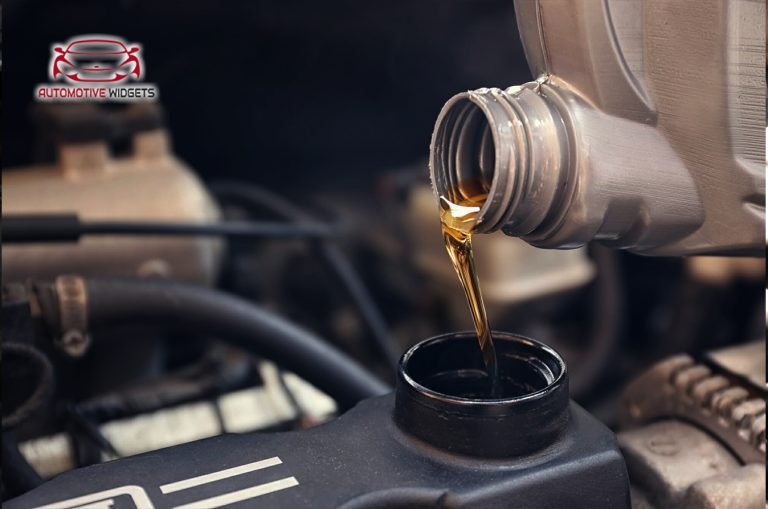
Can You Change from Synthetic Oil Back to Regular Oil? Expert Tips
Are you thinking about switching your car’s engine oil but unsure if you can change from synthetic oil back to regular oil? You might have heard different opinions and feel confused about what’s best for your vehicle.
The truth is, making this switch isn’t as complicated as it sounds—but there are a few important things you need to know first. Keep reading, and you’ll discover exactly when and how you can safely make the change without harming your engine or wasting your money.
Don’t miss out on these simple tips that can save you time and keep your car running smoothly.

Credit: can-am-shop.brp.com
Differences Between Synthetic And Regular Oil
Switching from synthetic oil back to regular oil is possible but depends on your car’s needs. Synthetic oil lasts longer and protects better, while regular oil is cheaper. Check your vehicle’s manual before making the change to avoid engine issues.
What Is Synthetic Oil?
Synthetic oil is made in a lab. It uses chemical processes to create a pure and uniform base oil. This oil has fewer impurities than regular oil. It also contains special additives that help protect the engine better. Synthetic oil flows smoothly even in very cold or hot temperatures.
What Is Regular Oil?
Regular oil, also called conventional oil, comes from crude oil refined in a natural way. It contains more impurities and varies in quality. Regular oil is thicker and may not flow as well in extreme temperatures. It works fine for many engines but needs changing more often.
Viscosity And Performance Differences
Viscosity means how thick or thin the oil is. Synthetic oil stays thinner at cold temperatures. It also resists breaking down at high heat. Regular oil thickens when cold and thins out faster when hot. This makes synthetic oil better at protecting the engine under stress.
Cost And Change Intervals
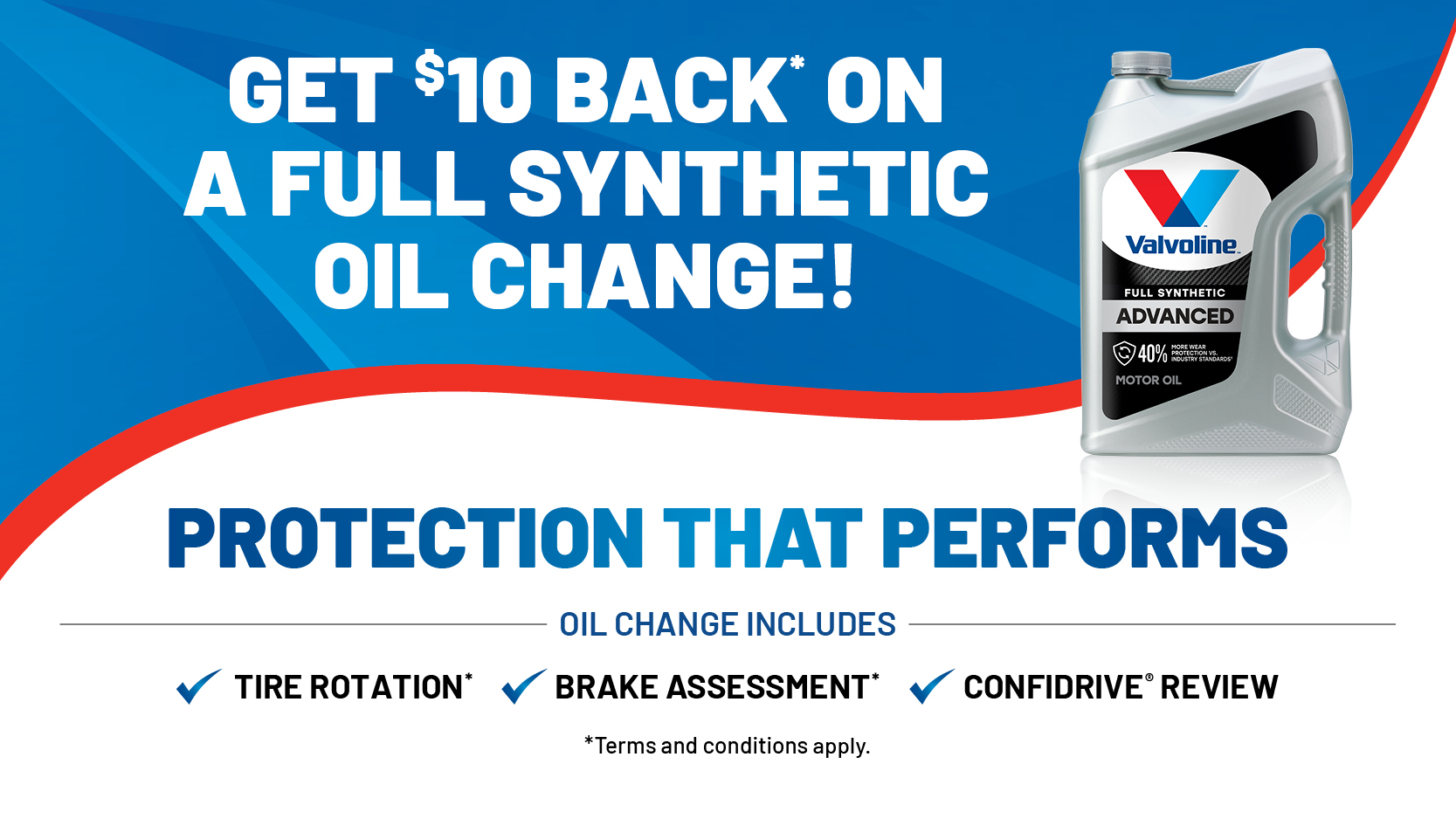
Synthetic oil costs more than regular oil. It lasts longer, so you can go farther between oil changes. Regular oil is cheaper but needs changing more often. Choosing the right oil depends on your budget and driving habits.
Credit: www.thetirechoice.com
Reasons To Switch Back To Regular Oil
Switching back to regular oil can save money on maintenance. Some engines work fine with regular oil after synthetic use. Regular oil suits older cars or those with simple engines.
Cost Savings
Regular oil is cheaper than synthetic oil. Using it can lower your car maintenance costs. This is helpful if you drive less or have an older car. It saves money on oil changes and oil purchases.
Compatibility With Older Engines
Older engines may work better with regular oil. Synthetic oil can clean deposits too well, causing leaks in old seals. Regular oil suits classic cars and engines with high mileage. It helps maintain engine parts without causing damage.
Easier Availability
Regular oil is widely available at many stores. Synthetic oil might be harder to find in some areas. This makes it simpler to get regular oil during emergencies or quick oil changes.
Simple Maintenance Routine
Regular oil usually requires oil changes more often. This helps keep the engine clean and running well. It fits drivers who prefer a straightforward maintenance schedule without special products.
Steps To Change From Synthetic To Regular Oil
Changing from synthetic oil to regular oil is possible but requires care. Follow clear steps to protect your engine and keep it running smoothly. These steps help avoid problems and ensure the oil change is done right.
Drain The Synthetic Oil Completely
Start by draining all the synthetic oil from your engine. Warm up the engine for a few minutes to make the oil flow easier. Use a drain pan to catch the oil. Remove the drain plug and let the oil drain fully.
Replace The Oil Filter
Remove the old oil filter after draining the oil. Use a new filter designed for regular oil. This step prevents old synthetic oil from mixing with the new regular oil. Tighten the new filter by hand, no tools needed.
Refill With Regular Oil
Check your vehicle’s manual for the correct oil type and amount. Pour the recommended regular oil into the engine slowly. Use a funnel to avoid spills. Fill to the right level, not too much or too little.
Check For Leaks And Oil Level
After refilling, start the engine and run it for a few minutes. Turn off the engine and wait a moment. Check the oil level with the dipstick and add more if needed. Look under the car for any leaks.
Reset The Oil Change Light
Many cars have an oil change light on the dashboard. Reset this light to track the new oil’s lifespan. Follow your car’s manual or use the dashboard menu. This helps maintain proper oil change intervals.
Potential Risks And Considerations
Changing from synthetic oil back to regular oil can affect your engine in several ways. It is important to know the risks and what to think about before making the switch. Understanding these points helps protect your engine and keep it running well.
Potential Impact On Engine Performance
Regular oil may not protect your engine as well as synthetic oil. Synthetic oils flow better at low temperatures. They also resist breaking down under heat. Switching back might reduce lubrication quality. This can cause more engine wear over time.
Possible Effects On Oil Change Frequency
Synthetic oil lasts longer than regular oil. Changing to regular oil means you must change oil more often. Using regular oil with long intervals can harm the engine. Stick to recommended oil change schedules to avoid damage.
Compatibility With Engine Components
Some engines are designed for synthetic oil. Using regular oil may cause deposits and sludge. These build-ups block oil flow and cause overheating. Check your car’s manual before switching oils.
Warranty And Manufacturer Recommendations
Car makers often suggest synthetic oil for new engines. Using regular oil might void your warranty. Always follow the manufacturer’s advice on oil type. This keeps your warranty valid and protects your vehicle.
How To Choose The Right Regular Oil
Choosing the right regular oil after using synthetic oil matters. It keeps your engine safe and running well. Different engines need different oils. Picking the wrong one can cause damage or poor performance.
Focus on the oil’s grade and type. Check your vehicle’s manual for specific recommendations. Use oil that matches those guidelines for best results.
Understanding Oil Viscosity
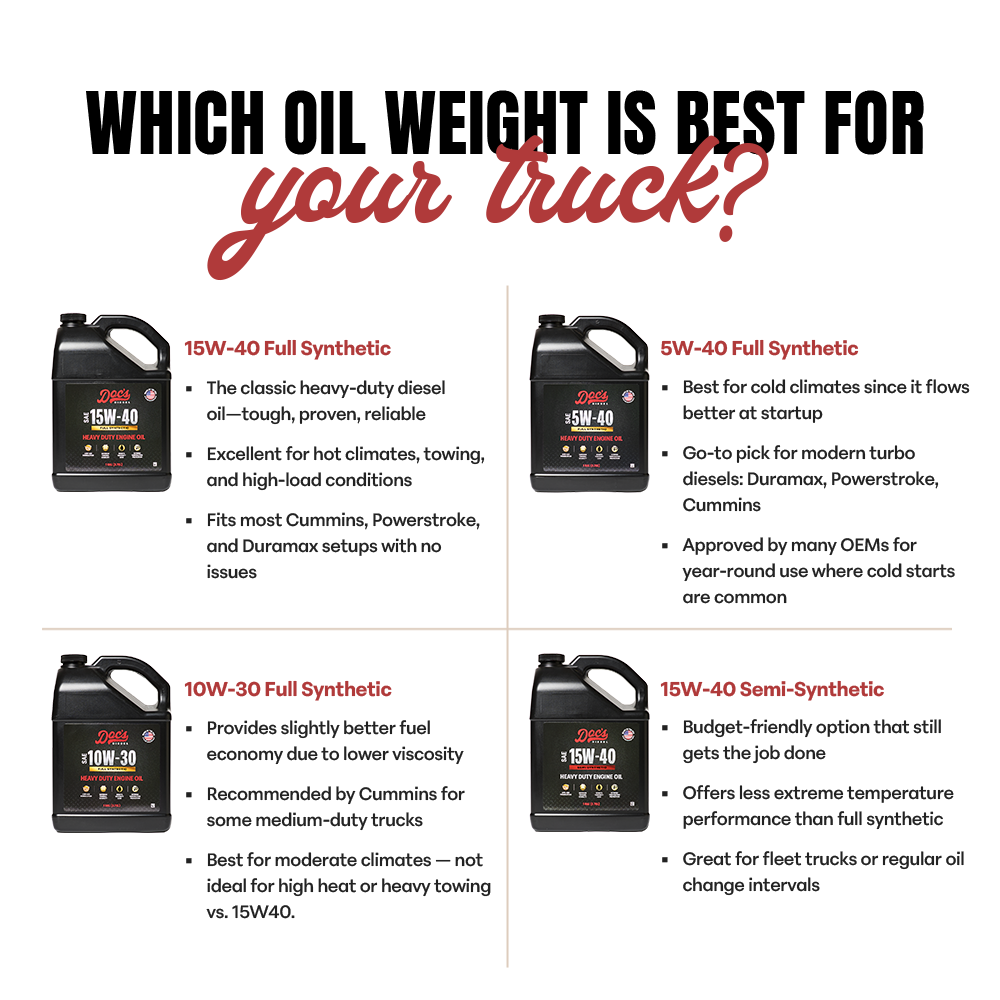
Viscosity means how thick or thin the oil is. It affects how the oil flows inside the engine. Regular oils come in grades like 5W-30 or 10W-40. Lower numbers mean thinner oil at cold temperatures. Choose the viscosity grade your car manual suggests.
Choosing Between Conventional And High-mileage Oils
Conventional oil suits most engines in good condition. High-mileage oil works well for cars with over 75,000 miles. It has additives that protect older engines. Decide based on your car’s age and mileage.
Checking Oil Certifications
Look for oils with certifications like API or ACEA. These labels show the oil meets industry standards. Certified oils keep your engine cleaner and safer. Avoid oils without proper certifications.
Considering Oil Additives
Some oils have extra additives for cleaning and protection. These additives help reduce engine wear. They can improve oil performance. Pick oils with additives that fit your car’s needs.
Credit: docsdiesel.com
Maintenance Tips After Switching Oils
Switching from synthetic oil back to regular oil needs care. The engine may react differently. Proper maintenance helps the engine run smoothly after the change. Follow these simple tips to keep your car healthy and avoid problems.
Check Oil Levels Frequently
Regular oil can burn faster than synthetic oil. Check the oil level every week. Add oil if it is low. This prevents damage to engine parts.
Change Oil More Often
Regular oil breaks down quicker than synthetic. Change the oil every 3,000 to 5,000 miles. This keeps the engine clean and protects it from wear.
Use The Right Oil Filter
Choose an oil filter made for regular oil. It helps remove dirt and particles. Clean oil improves engine performance and lifespan.
Watch For Engine Noise Or Smoke
Listen for unusual sounds after switching. Look for smoke from the exhaust. These signs show the engine may not like the oil change. Get it checked if you notice these signs.
Keep Engine Temperature In Check
Regular oil might not handle heat as well. Monitor the engine temperature gauge. Avoid heavy loads and long drives when the engine is hot.
Frequently Asked Questions
Can You Switch From Synthetic To Regular Oil Safely?
Yes, you can switch back to regular oil safely. Just make sure to change the oil and filter properly. Regular oil can work fine if your engine is in good condition.
Will Changing Oil Type Harm My Engine?
Changing oil type usually won’t harm your engine. Both oils protect your engine, but synthetic offers better performance. Regular oil still provides basic engine protection.
How Often Should I Change Oil After Switching?
After switching, change your oil every 3,000 to 5,000 miles. Follow the car maker’s guide for best results. Frequent oil changes keep the engine clean and healthy.
Does Switching Affect Oil Change Intervals?
Yes, regular oil needs more frequent changes than synthetic. Synthetic lasts longer and handles heat better. Switching means you should watch your mileage closely.
Can I Mix Synthetic And Regular Oil In My Car?
Mixing synthetic and regular oil is possible but not ideal. It reduces the benefits of synthetic oil. For best engine care, use one type consistently.
Conclusion
Switching back from synthetic to regular oil is possible and safe. Just change the oil at the right time. Make sure to check your car’s manual for guidance. Regular oil may need more frequent changes than synthetic. Pay attention to your engine’s performance after switching.
Keep your engine clean and well-maintained. This helps your car run smoothly and last longer. Choosing the right oil depends on your car’s needs and your budget. Stay informed and take good care of your vehicle.