
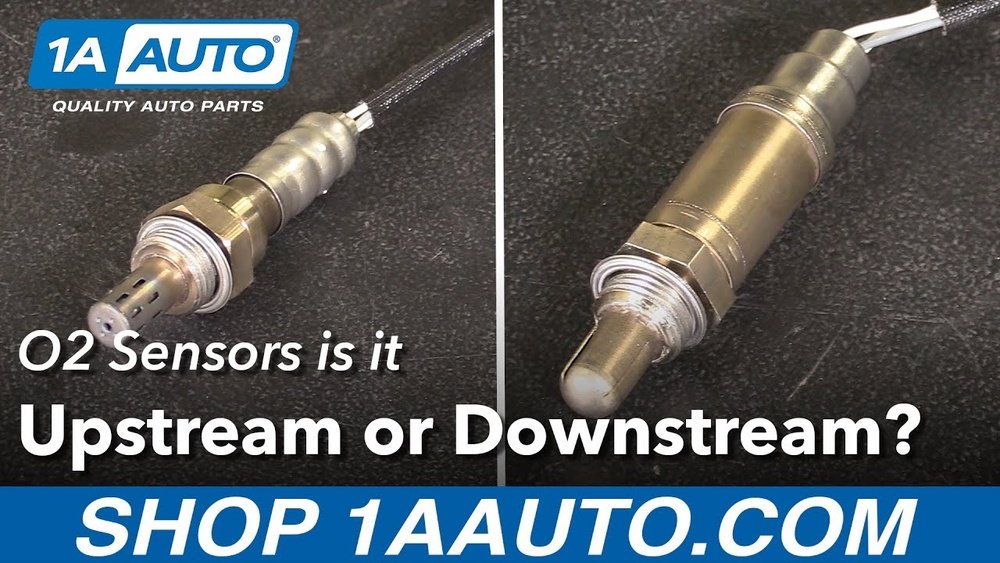
Are Upstream And Downstream Oxygen Sensors the Same? Key Differences Explained
Have you ever wondered if upstream and downstream oxygen sensors in your car are the same? It’s a common question that many drivers have, especially when dealing with engine issues or planning repairs.
Understanding the difference between these two sensors can save you time, money, and frustration. You’ll discover exactly what sets them apart and why knowing this matters for your vehicle’s performance. Keep reading to clear up the confusion and make smarter decisions for your car’s health.
Role Of Oxygen Sensors In Vehicles
Oxygen sensors play a vital role in a vehicle’s engine system. They monitor the amount of oxygen in the exhaust gases. This helps the engine control unit (ECU) adjust the air-fuel mixture for better performance.
Proper air-fuel mixture improves fuel efficiency and lowers harmful emissions. Oxygen sensors also help detect engine problems early. This saves money on repairs and keeps the vehicle running smoothly.
The Function Of Upstream Oxygen Sensors
Upstream oxygen sensors sit before the catalytic converter. They measure oxygen levels right after combustion. This data helps the ECU control the fuel injection precisely.
With accurate readings, the engine burns fuel more efficiently. This improves power and reduces fuel waste. The upstream sensor’s job is crucial for smooth engine operation.
The Purpose Of Downstream Oxygen Sensors
Downstream oxygen sensors are located after the catalytic converter. They check how well the converter cleans the exhaust gases. This ensures the vehicle meets emission standards.
If the downstream sensor detects high oxygen levels, it signals a problem. The catalytic converter might not be working correctly. This helps diagnose emission control system issues quickly.

Credit: www.youtube.com
Positioning Of Upstream And Downstream Sensors
Upstream and downstream oxygen sensors have different positions in the exhaust system. Upstream sensors sit before the catalytic converter, while downstream sensors are placed after it. Their roles and readings vary because of their locations.
Upstream and downstream oxygen sensors sit in different spots on the exhaust system. Their locations affect how they measure oxygen levels in the exhaust gases.
The upstream sensor is placed before the catalytic converter. It checks the oxygen amount right after the engine burns fuel. This helps control the air-fuel mix for better engine performance.
The downstream sensor is found after the catalytic converter. It monitors the converter’s efficiency by measuring oxygen in the cleaned exhaust gases. This ensures the converter works properly to reduce pollution.
Where The Upstream Sensor Is Located
The upstream sensor sits close to the engine’s exhaust manifold. This position lets it detect changes in the air-fuel ratio quickly. It sends data to the engine control unit to adjust fuel delivery.
Because it reacts fast, the upstream sensor helps keep emissions low and fuel use efficient. Its location is critical for precise engine tuning.
Where The Downstream Sensor Is Located
The downstream sensor is installed just after the catalytic converter. It measures the exhaust after it passes through the converter. This helps verify if harmful gases are reduced.
Its data helps the vehicle’s system check if the catalytic converter is working well. If not, it can trigger a warning light on the dashboard.
Functional Differences Between Sensors
Oxygen sensors play a key role in a car’s exhaust system. They help control fuel efficiency and emissions. Upstream and downstream oxygen sensors have different jobs. Their functions affect how the engine runs and how clean the exhaust gases are.
Understanding their functional differences helps with car maintenance and repairs. It also helps identify sensor problems quickly. Each sensor monitors oxygen levels, but in different parts of the exhaust system.
Location And Purpose
The upstream sensor sits before the catalytic converter. It measures oxygen in the exhaust gas leaving the engine. This helps the engine control unit (ECU) adjust fuel injection. The goal is to keep the air-fuel mix balanced.
The downstream sensor is placed after the catalytic converter. It checks how well the converter cleans the exhaust gases. This sensor helps monitor the converter’s efficiency and detects issues.
Data And Engine Control
The upstream sensor sends real-time data to the ECU. This data guides fuel mixture adjustments for better engine performance. It helps improve power, fuel economy, and reduce emissions.
The downstream sensor’s data is mainly for monitoring. It confirms the catalytic converter is working correctly. It alerts the system if the converter’s efficiency drops.
Response Time And Sensitivity
The upstream sensor reacts quickly to changes in oxygen levels. It has high sensitivity to help maintain the right fuel mix. Fast response means the engine runs smoothly and cleanly.
The downstream sensor reacts more slowly. Its sensitivity is lower because it tracks overall converter performance. It focuses on long-term efficiency, not instant changes.
Impact On Engine Performance And Emissions
Oxygen sensors play a key role in engine performance and emissions control. They help the engine run smoothly and reduce harmful gases. Upstream and downstream sensors have different jobs but both affect how well the engine works and how clean the exhaust is.
The upstream oxygen sensor measures the amount of oxygen in the exhaust before the catalytic converter. It sends data to the engine control unit (ECU). The ECU uses this information to adjust the fuel and air mix. This keeps the engine running efficiently and lowers fuel consumption.
The downstream oxygen sensor checks the exhaust after the catalytic converter. It helps monitor the converter’s performance. If the converter is not working well, emissions will rise. The sensor signals the ECU to detect problems early.
Upstream Sensor’s Role In Engine Efficiency
The upstream sensor directly affects fuel mixture control. A good sensor ensures the engine gets the right fuel and air balance. This balance improves power and saves fuel. A faulty sensor can cause rough running and lower mileage.
Downstream Sensor’s Role In Emission Control
The downstream sensor helps check the catalytic converter’s health. It detects if the converter is cleaning exhaust properly. This sensor triggers warning lights if emissions rise. It helps keep the vehicle within emission laws.
Consequences Of Sensor Failure
When sensors fail, engine problems appear quickly. The engine may run rich or lean. This causes poor fuel economy and higher emissions. The check engine light often turns on. Early sensor replacement avoids costly repairs and pollution.
Signs Of Sensor Failure And Replacement Tips
Oxygen sensors play a key role in your vehicle’s engine performance and emissions. Signs of sensor failure often appear as poor fuel economy, rough idling, or the check engine light turning on. Knowing these signs helps you act quickly and avoid costly repairs.
Replacing a faulty sensor can restore your car’s efficiency and reduce harmful emissions. It is important to choose the right sensor type and follow safety steps during replacement. Proper care ensures the new sensor works well for a long time.
Common Signs Of Oxygen Sensor Failure
One sign is the check engine light glowing on your dashboard. Another is a drop in gas mileage. Your engine might run rough or stall during idle. You may also notice a strong fuel smell from the exhaust. These signs show the sensor may be sending wrong signals.
How To Test Oxygen Sensors
Use an OBD-II scanner to read sensor codes. A multimeter can check the sensor’s voltage output. Sensors usually produce voltage changes when the engine runs. If readings are steady or absent, the sensor likely needs replacement.
Tips For Replacing Oxygen Sensors
Locate the sensor carefully, usually in the exhaust manifold or pipe. Use a proper oxygen sensor socket for removal. Avoid damaging the sensor wire during removal. Apply anti-seize compound on the new sensor’s threads before installation. Tighten the sensor to the manufacturer’s torque specifications.
Choosing The Right Replacement Sensor
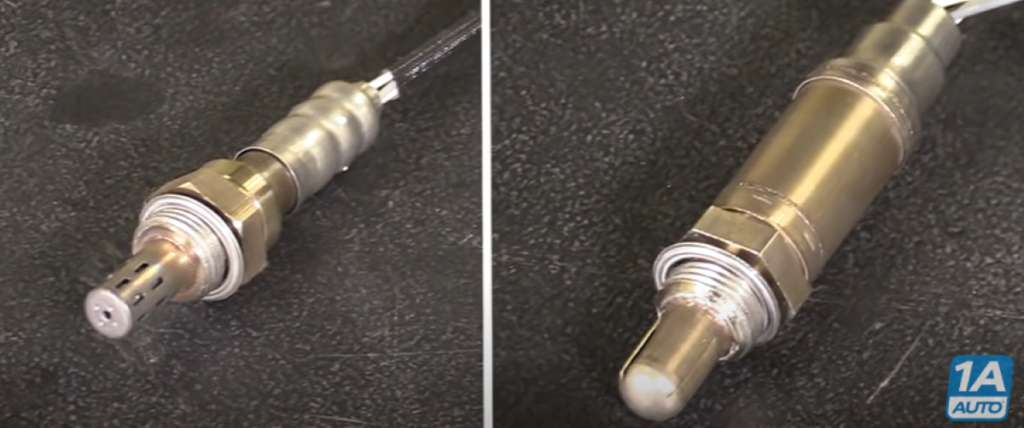
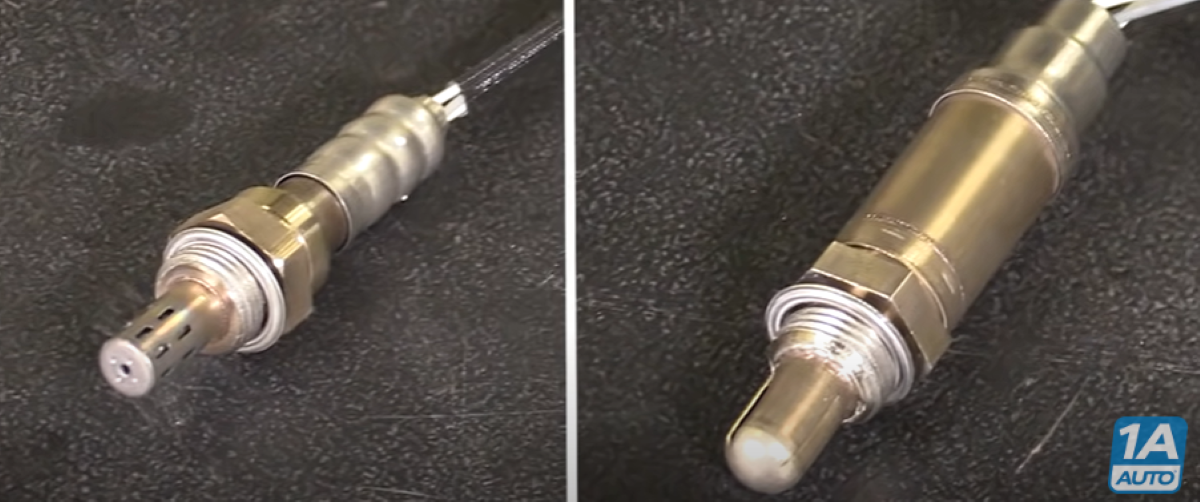
Match the sensor to your vehicle’s make and model. Choose OEM or high-quality aftermarket parts. Check if the sensor is upstream or downstream before buying. Using the wrong sensor can cause engine issues and fail emissions tests.
Credit: blog.1aauto.com
Credit: blog.1aauto.com
Frequently Asked Questions
What Is The Difference Between Upstream And Downstream Oxygen Sensors?
Upstream sensors sit before the catalytic converter, measuring exhaust gases early. Downstream sensors are after it, checking how well the converter works.
Can Upstream And Downstream Oxygen Sensors Be Swapped?
No, they are designed for different positions and roles in the exhaust system. Swapping can cause poor engine performance and incorrect readings.
Why Are Upstream Oxygen Sensors More Critical For Engine Control?
Upstream sensors provide real-time data to adjust fuel mixture for better combustion. This helps improve fuel efficiency and reduce emissions.
How Do Downstream Oxygen Sensors Affect Vehicle Emissions?
Downstream sensors monitor the catalytic converter’s effectiveness in cleaning exhaust gases. This helps ensure the vehicle meets emission standards.
Conclusion
Upstream and downstream oxygen sensors have different roles in a vehicle. The upstream sensor monitors the engine’s air-fuel mix. The downstream sensor checks the exhaust’s cleanliness. Both work together to keep the engine running well and reduce pollution. Knowing their differences helps with car maintenance and repairs.
Proper sensor function means better fuel efficiency and fewer emissions. Keep these sensors in mind to ensure your car stays healthy and runs smoothly. Simple checks can save you time and money later.