Can You Change an Oil Filter Without Changing the Oil? Expert Tips
You might wonder if it’s okay to change your oil filter without changing the oil itself. Maybe your oil still looks clean, or you’re in a hurry and want to skip a step.
But before you grab that new filter, it’s important to know what really happens inside your engine and how skipping oil changes can affect your car’s health. Keep reading to find out if this shortcut is safe or if it could cause more harm than good.
Your engine’s performance and longevity depend on it.
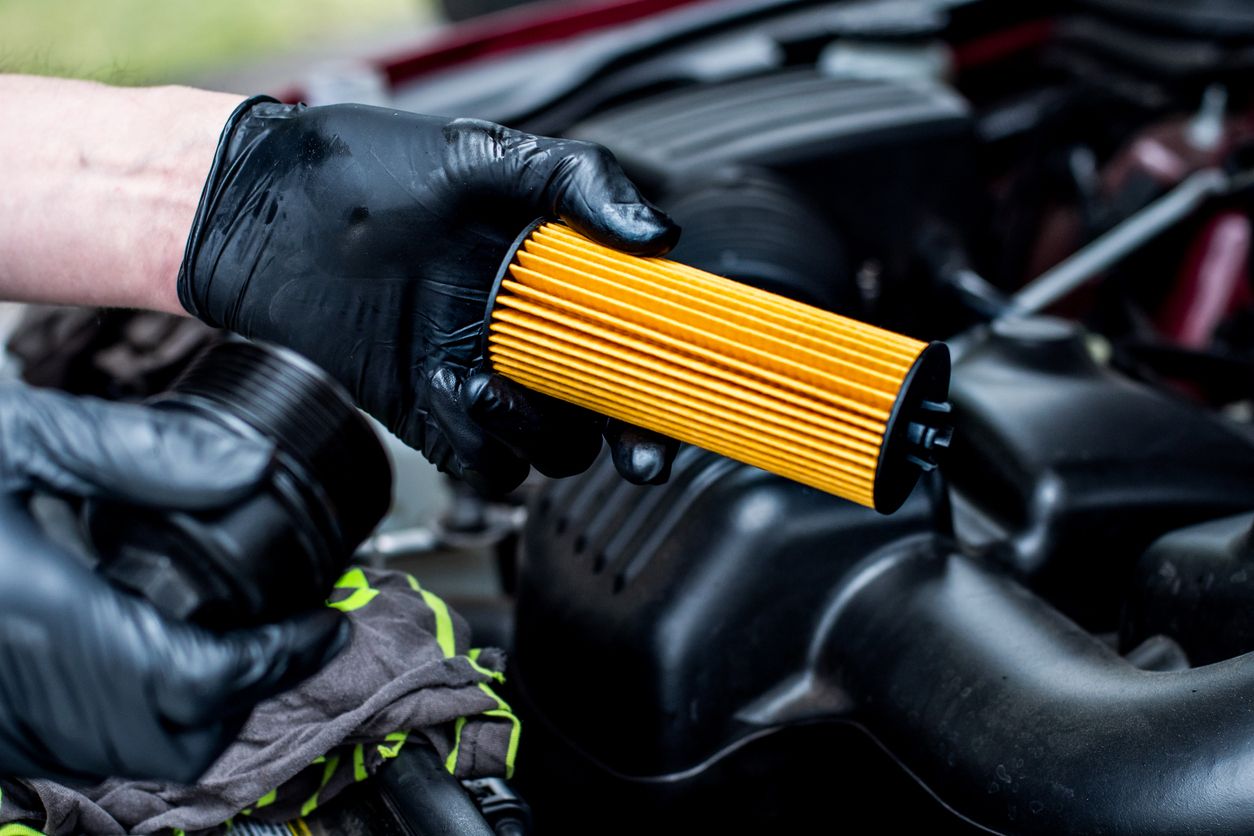
Credit: www.firestonecompleteautocare.com
Reasons To Change Oil Filter Alone
Changing the oil filter alone can be useful in certain situations. The oil filter traps dirt and metal particles from the engine oil. Over time, it can get clogged and reduce oil flow. Replacing the filter helps keep the engine clean without changing the oil itself. This can save time and money.
Some drivers change the oil filter more often than the oil. This practice keeps the engine running smoothly. It also protects engine parts from damage caused by dirty oil. Here are some key reasons to change the oil filter alone.
Improved Engine Protection
A new oil filter removes more contaminants from the oil. This stops harmful particles from circulating in the engine. Clean oil helps parts last longer and work better.
Extended Oil Life
Changing just the filter can extend the life of the oil. The oil stays cleaner for a longer time. This means you can delay the full oil change safely.
Cost Savings
Oil filters cost less than oil changes. Replacing only the filter lowers maintenance expenses. It suits drivers who want to keep costs down.
Quick Maintenance
Changing the oil filter alone takes less time. It is a simple job anyone can do quickly. This is helpful for busy people or minor tune-ups.
Less Waste Produced
Replacing just the filter reduces waste oil disposal. It is better for the environment. Using less oil means fewer resources are consumed.
When Skipping Oil Change Is Okay
Changing only the oil filter can be okay if the oil is still clean and recently changed. This helps remove dirt from the filter without wasting good oil. Still, changing both oil and filter is best for engine health.
Changing an oil filter without changing the oil is not common. But some situations allow skipping the oil change safely. Knowing when this is okay helps protect your engine and save money.
Sometimes, the oil is still clean and has enough life left. In such cases, replacing only the filter can help keep the engine running smoothly. This works best if you recently changed the oil and only need to fix a faulty filter.
Oil Condition And Mileage
Check the oil condition before deciding. If the oil looks clean and feels smooth, it may last longer. Also, consider how many miles you have driven since the last oil change. Low mileage means the oil still protects the engine well.
Short-term Use Or Emergency
Changing the filter alone can help in emergencies. For example, if the filter is clogged but the oil is still okay. This keeps the engine safe until you can do a full oil change. It is a temporary fix, not a permanent solution.
Type Of Oil And Filter
Synthetic oil lasts longer than regular oil. It can stay effective even after changing the filter. High-quality filters also keep the oil cleaner for more miles. These factors make skipping the oil change more acceptable.
Tools Needed For Filter Replacement
Changing an oil filter without changing the oil requires some basic tools. Having the right tools makes the job easier and cleaner. It also helps prevent damage to the filter or your vehicle.
Gathering these tools before starting saves time and frustration. The tools are simple and commonly found in many toolboxes.
Oil Filter Wrench
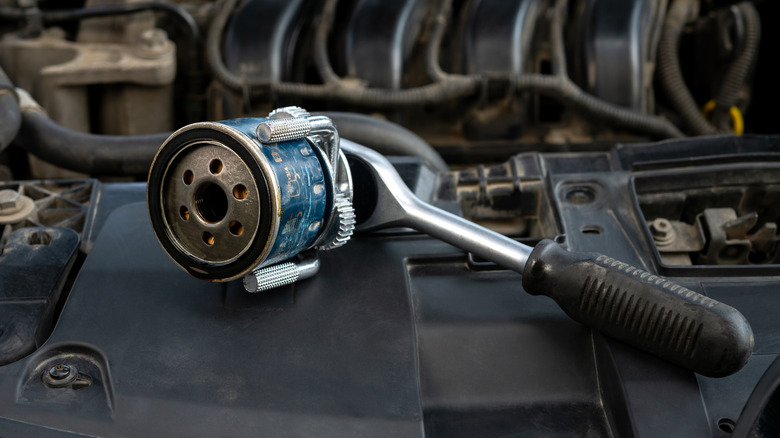
An oil filter wrench helps loosen the tight filter. It grips the filter firmly to avoid slipping. Different types exist, such as strap, cap, and pliers styles. Choose one that fits your filter size.
Drain Pan
A drain pan catches any oil that may spill. It keeps your work area clean. Use a pan large enough to hold some oil just in case.
Gloves
Gloves protect your hands from oil and grime. They also improve grip on slippery parts. Disposable or reusable gloves work well for this task.
Rags Or Paper Towels
Keep rags or paper towels handy to wipe spills. They help clean the filter area before installing a new filter. Clean surfaces help prevent leaks and dirt entry.
Socket Set Or Wrench
A socket or wrench may be needed to remove parts blocking filter access. Check your vehicle’s manual for specific sizes. Having the right size saves time and avoids damage.
Step-by-step Filter Change Process
Changing an oil filter without changing the oil is possible but requires care. The filter helps keep the oil clean. Replacing it alone can improve engine performance slightly. Follow these steps to change the filter safely and correctly.
Prepare Your Tools And Workspace
Gather a new oil filter, an oil filter wrench, a container for old oil, and gloves. Park your car on a flat surface. Turn off the engine and let it cool down. This prevents burns and spills.
Locate And Remove The Old Oil Filter
Find the oil filter under the hood or beneath the car. Use the oil filter wrench to loosen it. Turn the filter counterclockwise. Be ready for some oil to drip out.
Clean The Filter Mounting Area
Wipe the filter mounting surface with a clean cloth. Remove old oil and dirt. This ensures a good seal for the new filter. Check that the old filter’s rubber ring is gone.
Install The New Oil Filter
Lightly coat the new filter’s rubber seal with fresh oil. This helps it seal better. Screw the new filter onto the mounting by hand. Tighten it firmly but do not overtighten.
Check For Leaks And Final Touches
Start the engine and let it run for a few minutes. Look for any oil leaks around the filter. Turn off the engine and check the oil level. Add oil if needed to keep the right level.
Risks Of Changing Filter Without Oil
Changing an oil filter without changing the oil may seem like a quick fix. It might feel like a good idea to save time or money. But this practice has hidden risks that can harm your engine.
The oil filter cleans the engine oil by trapping dirt and debris. When you replace only the filter, old dirty oil stays inside. This old oil can reduce the engine’s performance.
Reduced Engine Protection
The oil filter removes harmful particles from the oil. Using a new filter with old oil means some dirt stays in the engine. This dirt can cause wear and tear on engine parts. Over time, this reduces engine life and increases repair costs.
Possible Oil Contamination
Old oil contains sludge and contaminants. These substances can clog the new filter quickly. A clogged filter stops oil from flowing properly. Poor oil flow can cause engine overheating and damage.
Increased Risk Of Engine Damage
Clean oil is essential for engine health. Dirty oil with a new filter can fail to lubricate parts well. Lack of lubrication causes friction, heat, and engine wear. This damage can lead to costly repairs or engine failure.
Wasted Effort And Money
Changing only the filter might save money now. But it can shorten oil life and harm the engine. This can lead to more frequent oil changes and repairs. Ultimately, it costs more than changing both oil and filter together.

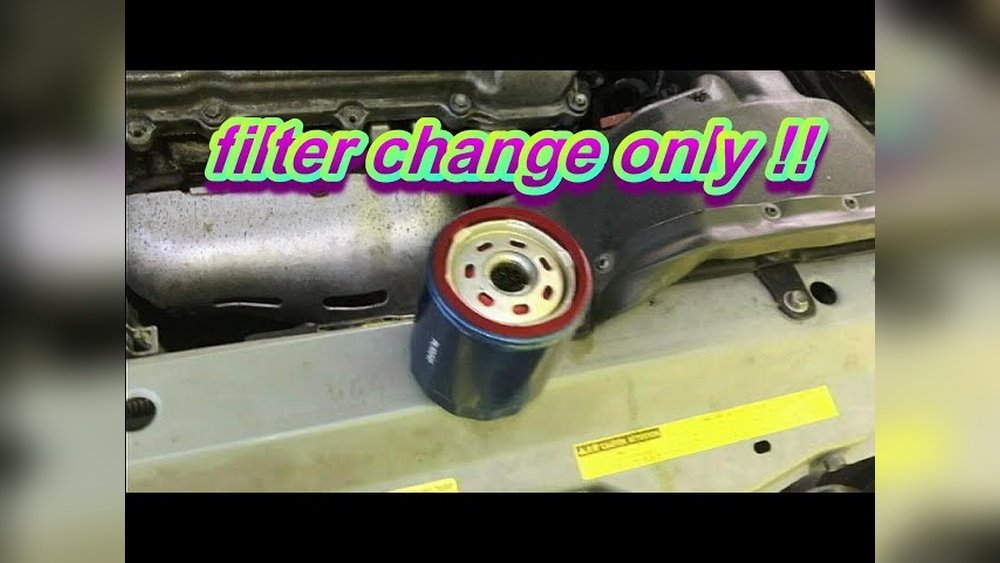
Credit: www.youtube.com
Tips For Maintaining Engine Health
Maintaining engine health is key to keeping your vehicle running smoothly. Simple steps can protect your engine and save money on repairs. Regular care helps your car perform better and last longer.
Here are some practical tips to keep your engine in good condition.
Check Oil Levels Regularly
Oil keeps the engine parts moving smoothly. Low oil can cause damage fast. Use the dipstick to check oil levels every few weeks. Top up with the right oil if needed.
Replace Oil Filter During Oil Change
The oil filter traps dirt and debris. Changing the filter keeps oil clean. Always replace the oil filter with each oil change. This prevents engine wear and improves performance.
Use The Correct Oil Type
Different engines need different oils. Using the wrong oil can harm engine parts. Check your owner’s manual for the right oil type. Stick to recommended oil grades for best results.
Keep The Engine Cool
Engine heat can cause damage over time. Make sure the cooling system works well. Check coolant levels and radiator condition regularly. Replace coolant as suggested by the manufacturer.
Listen For Unusual Sounds
Strange noises may signal engine problems. Pay attention to knocking or ticking sounds. Early detection can prevent bigger issues. Have a mechanic inspect any unusual noise promptly.
Credit: www.jalopnik.com
Frequently Asked Questions
Can I Replace The Oil Filter Without Changing The Oil?
Yes, you can change the oil filter alone, but it is not ideal. The old oil may still contain dirt that can harm the engine.
What Happens If I Change The Oil Filter But Not The Oil?
Changing only the filter can leave dirty oil in the engine. This reduces the oil’s ability to protect and lubricate engine parts.
Is It Safe To Change The Oil Filter Without Draining The Oil?
It is possible but not recommended. Draining oil allows the new filter to work best and keeps the engine clean.
How Often Should I Change The Oil Filter Compared To The Oil?
The oil filter should be changed every time you change the oil. This ensures clean oil flows through the engine properly.
Will Changing Just The Oil Filter Improve Engine Performance?
Changing only the filter might help slightly, but clean oil is more important. Both need regular replacement for good engine health.
Conclusion
Changing only the oil filter without changing the oil is not a good idea. The oil inside can get dirty and cause engine problems. A new filter works best with fresh oil. Skipping the oil change may harm your car’s performance.
Keep your engine healthy by changing both regularly. It saves money and keeps your car running smoothly. Simple steps like this help avoid costly repairs later. Take care of your car the right way.