Do I Check My Transmission Fluid With the Car Running: Essential Tips
Are you wondering if you should check your transmission fluid while your car is running? It’s a common question that can save you time, money, and a lot of hassle.
Knowing the right way to check your transmission fluid helps you spot problems early and keeps your car running smoothly. You’ll learn exactly when and how to check your transmission fluid the right way—so you don’t risk damaging your vehicle or missing a crucial warning sign.
Keep reading to find out what you need to do to protect your car and avoid costly repairs.
Credit: www.davidsrepair.com
When To Check Transmission Fluid
Transmission fluid should be checked with the engine running and the car in park or neutral. This ensures an accurate reading of the fluid level and condition. Always follow your car’s manual for the best results.
Knowing the right time to check transmission fluid helps keep your car healthy. Checking at the wrong time can give false readings. This may lead to overfilling or missing low fluid levels.
Transmission fluid should be checked after the car warms up. Warm fluid flows better and shows the true level. Cold fluid can be thicker and harder to measure.
Check Fluid After Driving
Drive your car for about 10 to 15 minutes. This warms up the transmission fluid to its normal temperature. Turn off the engine and wait a few minutes before checking.
This wait allows the fluid to settle in the transmission. Pull out the dipstick to check the fluid level and condition. Use a clean rag to wipe and then reinsert the dipstick fully.
Check Fluid On A Level Surface
Always park your car on flat ground. This ensures an accurate fluid level reading. Parking on a slope can cause fluid to shift and give wrong results.
After warming up and waiting, keep the car still. Then check the fluid level on the dipstick. The correct reading helps prevent transmission damage.
Check Transmission Fluid Regularly
Check transmission fluid every 30 days or as your car manual says. Regular checks catch leaks or fluid breakdown early. This helps avoid costly repairs later.
Older cars or vehicles used for towing may need more frequent checks. Keeping fluid at the right level keeps your transmission running smoothly.

Credit: www.youtube.com
Why The Engine Should Be Running
Checking transmission fluid with the engine running ensures accurate fluid level reading. Fluid expands and circulates only when the engine is on. This helps spot problems early and keeps your car running smoothly.
Checking transmission fluid with the engine running is important. The fluid moves inside the transmission only when the engine is on. This helps the fluid reach all parts of the transmission.
With the engine off, the fluid settles at the bottom. This gives a false reading. The level might seem low or high, but it is not accurate. The temperature also affects the fluid’s volume.
When the engine runs, the fluid warms up and expands. This shows the true fluid level. It also helps spot issues like leaks or dirty fluid. Proper fluid level protects the transmission from damage.
How Fluid Circulates With Engine Running
The engine powers the transmission pump. This pump moves the fluid through the system. It lubricates the gears and cools them down. Checking fluid while running shows how well this works.
Without the pump working, the fluid does not flow properly. This can hide problems in the transmission. The engine running simulates driving conditions for an accurate check.
Temperature’s Role In Fluid Checking
Transmission fluid changes with temperature. Cold fluid is thicker and takes up less space. Warm fluid is thinner and expands. The engine running warms the fluid to normal levels.
Checking fluid cold gives a wrong level. Warm fluid shows the true amount in the system. This helps keep the transmission healthy and working well.
Steps To Check Fluid Level Safely
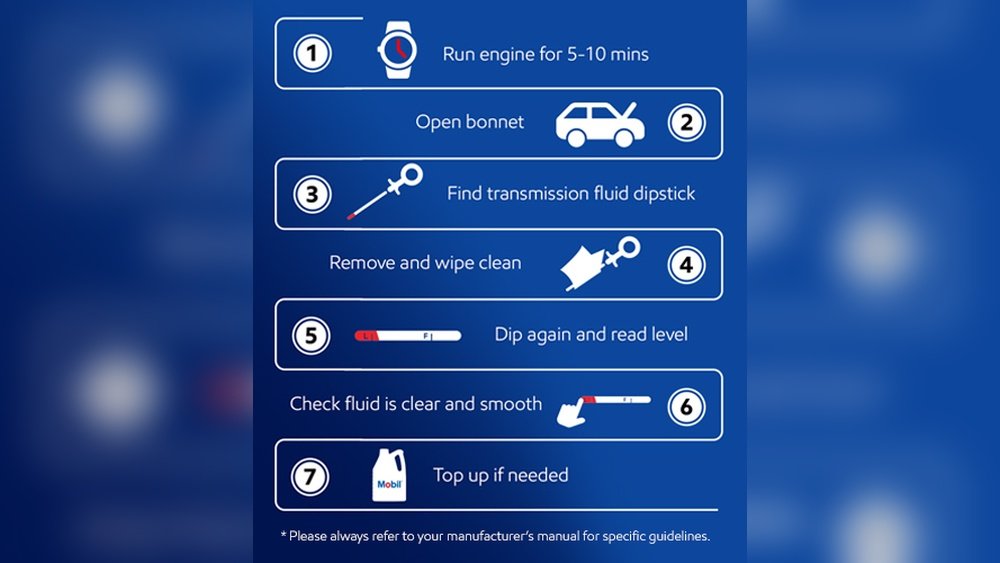
Checking transmission fluid usually requires the engine to be running and warm. Park on a level surface, keep the car in neutral or park, and carefully pull out the dipstick to check the fluid level. Avoid touching hot parts to stay safe.
Prepare Your Car And Parking Spot
Park your car on a flat, level surface. This helps get an accurate fluid reading. Keep the engine warm by running it for a few minutes. Turn off the car only if your owner’s manual says to do so.
Locate The Transmission Fluid Dipstick
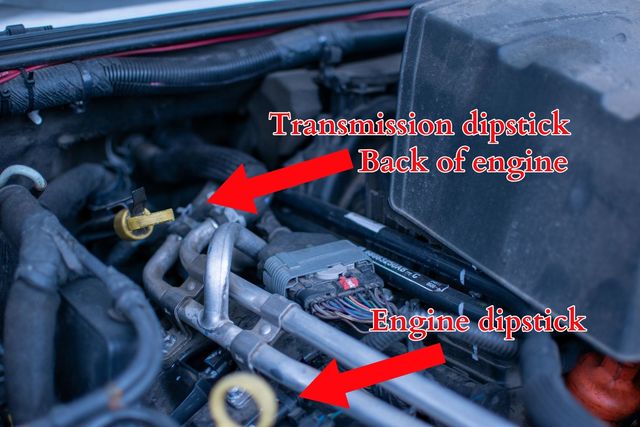
Open the car hood carefully. Find the transmission fluid dipstick. It usually has a brightly colored handle. Check your owner’s manual if unsure about its location.
Check Fluid Level With Engine Running
Keep the engine running and the car in park or neutral. Pull out the dipstick slowly. Wipe it clean with a cloth or paper towel. Insert it back fully, then pull it out again.
Read The Fluid Level And Condition
Look at the fluid level on the dipstick. It should be between the “full” and “add” marks. Also, check the fluid color. It must be bright red or pink, not dark or cloudy.
Top Up Fluid If Needed
If the fluid is low, add the recommended type slowly. Use a funnel to avoid spills. Recheck the level after adding fluid. Do not overfill; too much fluid can harm the transmission.
What Fluid Color And Smell Reveal
Transmission fluid gives clues about your car’s health. Its color and smell help spot problems early. Checking these signs can save costly repairs.
Good transmission fluid looks clear or red. It smells fresh and slightly sweet. This means the fluid is clean and working well.
What Clear Or Bright Red Fluid Means
Bright red or pink fluid shows the transmission is healthy. It means the fluid is new or well-maintained. Clear fluid helps your car shift smoothly.
What Brown Or Dark Fluid Indicates
Brown or dark fluid suggests wear and tear. It means the fluid is old and dirty. Dark fluid can cause poor shifting and damage.
What A Burnt Smell Tells You
A burnt smell comes from overheated fluid. It signals trouble inside the transmission. Burnt fluid needs immediate attention to avoid failure.
What A Sour Or Chemical Odor Means
Sour or chemical smells show contamination. Dirt or water may have entered the fluid. This can harm the transmission’s parts.
Common Mistakes To Avoid
Checking your transmission fluid is a simple task. Yet, many drivers make mistakes that cause wrong readings or damage. Avoiding these errors helps you keep your car running smoothly. Understanding common mistakes saves time and money on repairs.
Not Checking With The Engine Running
Many forget the engine must be running to check fluid properly. Transmission fluid moves only when the engine runs. Checking it with the car off shows wrong fluid levels. Always keep the engine on and the car in park or neutral.
Ignoring The Owner’s Manual
Each car has specific instructions for checking fluid. Some need the car warm; others do not. Not reading the manual leads to incorrect checks. Follow the guide to avoid mistakes and get accurate results.
Using The Wrong Dipstick
Some cars have separate dipsticks for engine oil and transmission fluid. Using the wrong one gives false readings. Always use the transmission dipstick to check the fluid level.
Checking Fluid On An Uneven Surface
A car parked on a slope affects fluid readings. The fluid shifts and shows wrong levels. Always check the fluid on flat, level ground for accuracy.
Not Cleaning The Dipstick Before Checking
Fluid old residue on the dipstick can hide the real level. Wiping the dipstick clean before re-inserting it gives a true reading. Skip this step and you might add fluid unnecessarily.
How Often To Check Transmission Fluid
Knowing how often to check your transmission fluid helps keep your car in good shape. Transmission fluid lubricates and cools the transmission parts. It also helps your car shift gears smoothly.
Checking the fluid regularly prevents problems and costly repairs. Different cars need different checking schedules. Your owner’s manual usually tells you the best times.
Check Transmission Fluid Monthly
Many experts suggest checking transmission fluid once a month. This is easy to do and helps catch leaks or low fluid early. If you drive a lot or in tough conditions, check more often.
Follow Manufacturer’s Recommendations
Always read your car manual for specific advice. Some newer cars have sealed transmissions that need less checking. Others might need fluid replaced at certain mileage.
Check Fluid Before Long Trips
Before a long drive, check transmission fluid. It ensures your car runs smoothly on the road. This simple step helps avoid breakdowns far from home.
Credit: www.reddit.com
Frequently Asked Questions
Should I Check Transmission Fluid With Engine Running?
Yes, most cars require the engine to be running and warm for an accurate reading. This helps the fluid circulate and show the correct level on the dipstick.
What Happens If I Check Transmission Fluid When Car Is Off?
Checking with the car off can give a false low level. The fluid settles when off, so it may look like you need more.
How Do I Know If Transmission Fluid Is Low?
Low fluid usually appears below the “Full” or “Hot” mark on the dipstick. Dark, burnt-smelling fluid also signals a problem.
Can I Check Transmission Fluid Without A Dipstick?
Some modern cars don’t have a dipstick, needing a mechanic to check fluid levels. Always check your owner’s manual for instructions.
How Often Should I Check Transmission Fluid Level?
Check transmission fluid every 30,000 to 60,000 miles or as your owner’s manual advises. Regular checks help keep your transmission healthy.
Conclusion
Checking your transmission fluid with the car running gives the most accurate reading. It helps you spot problems early and keeps your transmission healthy. Always follow your car’s manual for the right steps. Regular checks save money and avoid big repairs.
Take a few minutes to do it right. Your car will thank you with better performance and longer life. Simple care goes a long way.