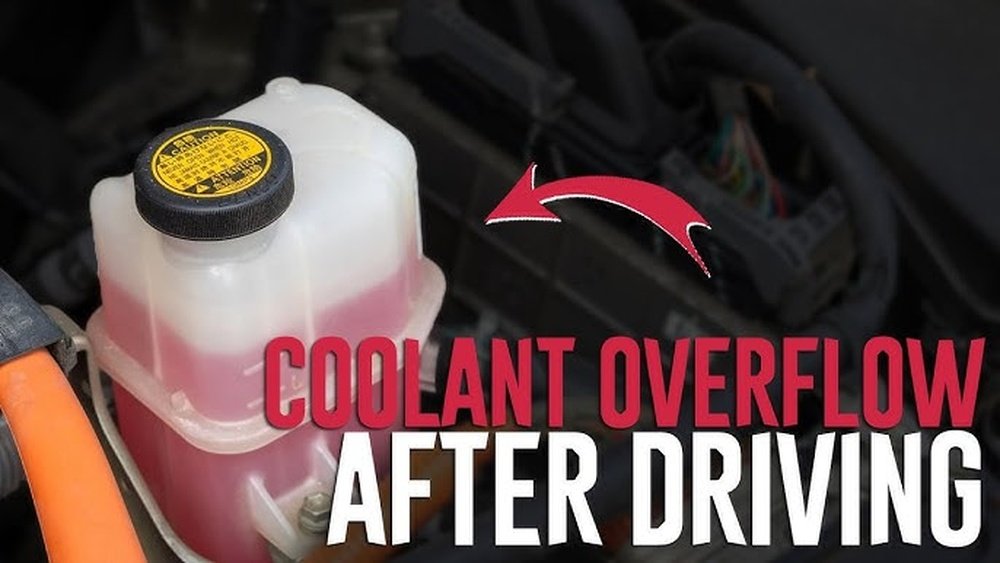
Why Does My Coolant Reservoir Overflow After Driving: Top Causes Explained
Have you ever noticed your coolant reservoir overflowing right after you’ve been driving? It can be confusing and a bit worrying to see that coolant spilling out where it shouldn’t.
You might wonder if your car is about to break down or if there’s a serious problem under the hood. The truth is, this issue is more common than you think, and understanding why it happens can save you time, money, and stress.
Keep reading to find out the main reasons behind an overflowing coolant reservoir and what you can do to fix it before it turns into a bigger headache.

Credit: www.reddit.com
Coolant System Basics
Coolant reservoir overflow happens when the engine heats up and coolant expands. Pressure builds inside the system, pushing extra fluid into the reservoir. This is a normal process, but constant overflow may signal a problem.
What Is A Coolant System?
The coolant system keeps your engine at the right temperature. It stops the engine from getting too hot or too cold. The system moves coolant fluid through the engine. This fluid absorbs heat and carries it away.
Key Parts Of The Coolant System
The main parts include the radiator, coolant reservoir, water pump, thermostat, and hoses. The radiator cools the hot fluid. The water pump pushes the coolant through the engine. The thermostat controls the flow based on temperature. Hoses connect all parts for smooth fluid flow.
How Does The Coolant Reservoir Work?
The coolant reservoir stores extra coolant. It helps keep the system full when the fluid expands. When the engine heats up, coolant expands and moves into the reservoir. When it cools down, the fluid returns to the system. This balance protects the engine from damage.
Credit: www.reddit.com
Common Causes Of Overflow
Coolant reservoir overflow after driving is a common car issue. It means there is too much pressure or liquid in the cooling system. Several reasons cause this problem. Knowing these causes helps you fix the problem fast and avoid engine damage.
Overheating Engine
An engine running too hot pushes coolant into the reservoir. Heat makes the coolant expand and increase pressure. This extra pressure forces the coolant out of the radiator and into the reservoir. Overheating can result from low coolant levels, a broken thermostat, or a damaged water pump. Always check the engine temperature gauge while driving.
Faulty Radiator Cap
The radiator cap controls pressure in the cooling system. A bad cap may not hold pressure correctly. This causes coolant to escape into the reservoir. A loose or worn cap lets coolant leak and overflow. Replacing the cap is a simple fix that stops leaks and pressure loss.
Blocked Coolant Hoses
Coolant hoses carry liquid between the engine and radiator. Blockages in these hoses stop coolant flow. This causes pressure build-up and coolant overflow. Hoses can get clogged with dirt, rust, or debris. Inspect hoses regularly for cracks or blockages. Clearing or replacing blocked hoses restores proper coolant flow.
Coolant Reservoir Issues
The coolant reservoir plays a key role in your car’s cooling system. It holds extra coolant fluid to keep your engine cool. Problems with this reservoir often cause overflow after driving. Understanding these issues helps prevent damage and keeps your car running well.
Common problems include cracks, leaks, and incorrect coolant levels. Each can cause the reservoir to overflow or lose coolant. Spotting these problems early saves time and money on repairs.
Cracks And Leaks
Cracks in the coolant reservoir cause coolant to leak out. These cracks may be small and hard to see. Over time, heat and pressure can make cracks worse. Coolant leaks lower the fluid level and cause overflow when hot. A leaking reservoir reduces cooling efficiency and can lead to engine overheating.
Check the reservoir for any wet spots or puddles under your car. A cracked reservoir needs replacement to stop leaks and overflow.
Incorrect Coolant Level
Too much or too little coolant in the reservoir causes problems. Overfilling can lead to overflow as the coolant expands when hot. A low coolant level may cause the engine to overheat and the reservoir to draw air. Both conditions affect engine performance and can cause damage.
Always fill the coolant to the recommended level. Check the marks on the reservoir to avoid overfilling or underfilling.

Credit: www.youtube.com
Thermostat Problems
The thermostat plays a key role in your car’s cooling system. It controls the flow of coolant between the engine and radiator. When the thermostat works well, it keeps the engine at the right temperature. Problems with the thermostat can cause the coolant reservoir to overflow after driving.
A stuck thermostat can block coolant flow. This makes the engine heat up quickly. The coolant expands and pushes into the reservoir. This overflow happens because the coolant has nowhere else to go. The pressure builds up inside the cooling system.
Thermostat Stuck Closed
When the thermostat stays closed, coolant cannot circulate. Heat builds up inside the engine. The coolant heats up and expands fast. This causes pressure in the cooling system. The reservoir fills and overflows as a result.
Thermostat Stuck Open
A thermostat stuck open causes the engine to run too cool. This can lead to overcooling and poor engine performance. The cooling system may not reach the correct pressure. Sometimes, this causes coolant to flow back into the reservoir, causing overflow.
Thermostat Malfunction Signs
Look for signs like engine overheating or temperature fluctuations. The heater may blow cold air when the thermostat is stuck open. Coolant reservoir overflow after driving often means the thermostat needs checking. Early detection can prevent engine damage.
Water Pump Failures
A failing water pump can cause your engine to overheat, making the coolant reservoir overflow. This happens because the pump stops moving coolant through the engine properly. Overheating puts pressure on the reservoir, causing the excess coolant to spill out.
What Is A Water Pump?
The water pump moves coolant through the engine and radiator. It keeps the engine cool. Without it, the engine can overheat quickly. The pump is usually driven by a belt connected to the engine.
How Water Pump Failures Cause Overflow
A broken water pump can block coolant flow. This causes heat to build up inside the engine. High heat makes the coolant expand fast. The extra pressure pushes coolant into the reservoir, causing overflow.
Signs Of A Failing Water Pump
Look for coolant leaks under the car. Listen for a grinding or squealing noise near the engine. The engine may run hotter than usual. Steam from the engine area is a warning sign.
Why Fixing A Water Pump Is Important
A bad water pump risks engine damage. Overheating can cause costly repairs. Fixing the pump stops coolant overflow. It also protects the engine from severe heat.
Preventing Coolant Overflow
Preventing coolant overflow keeps your car running cool and safe. It stops engine damage and costly repairs. Simple steps help avoid this common issue.
Regular Maintenance Tips
Check coolant levels often. Use the right coolant type for your car. Inspect hoses and caps for cracks or leaks. Clean the radiator and reservoir regularly. Replace old coolant every two years or as your manual says. Keep the cooling system pressure balanced to stop overflow.
When To See A Mechanic
Visit a mechanic if coolant overflows after maintenance. Strange smells or steam indicate a problem. Overheating or frequent coolant loss needs expert help. A mechanic can test the radiator cap and pressure system. They find leaks and fix faulty parts quickly. Early help saves money and prevents breakdowns.
Frequently Asked Questions
Why Does My Coolant Reservoir Overflow After Driving?
Coolant expands as it heats up during driving. Overflow happens if the system pressure is too high or the reservoir cap is faulty.
Can A Bad Radiator Cap Cause Coolant Overflow?
Yes, a faulty radiator cap can’t hold pressure. This causes excess coolant to flow out into the reservoir.
Does Overheating Cause Coolant Reservoir To Overflow?
Overheating makes coolant boil and expand quickly. The extra pressure pushes coolant into the overflow tank.
Is A Leaking Head Gasket Linked To Coolant Overflow?
A blown head gasket lets engine gases enter the coolant system. This increases pressure and causes overflow in the reservoir.
How Can I Stop My Coolant Reservoir From Overflowing?
Check for leaks, faulty caps, or overheating issues. Fixing these stops excess coolant from spilling into the reservoir.
Conclusion
Coolant reservoir overflow after driving signals a problem in your car’s cooling system. It could mean a faulty radiator cap, a blocked hose, or even engine overheating. Ignoring this issue might cause serious engine damage and costly repairs. Check your coolant level regularly and watch for leaks or cracks.
Fix problems early to keep your engine running smoothly and avoid breakdowns. Always trust a mechanic if the overflow continues or worsens. Your car’s health depends on proper cooling system care. Stay safe and keep your vehicle in top shape.