Why is It Important to Measure the Axle Flange Runout: Essential Insights
Have you ever wondered why your vehicle feels shaky or why your brakes don’t work as smoothly as they should? The answer might lie in something called axle flange runout.
Measuring this small but crucial part can save you from costly repairs and keep your ride safe and comfortable. You’ll discover why axle flange runout matters, how it affects your vehicle, and what you can do to keep everything running perfectly.
Keep reading—you’ll be surprised how a simple measurement can make a big difference for your car’s performance.
Axle Flange Runout Basics
Measuring axle flange runout helps ensure wheel alignment and smooth vehicle operation. It prevents vibrations and uneven tire wear. Accurate checks improve safety and extend part life.
What Is Axle Flange Runout?
Axle flange runout means how much the flange surface moves away from perfect flatness. It is a measure of wobble or deviation on the axle flange. This wobble can cause uneven wear on tires and brake parts.
Why Does Runout Happen?
Runout happens because of manufacturing errors or damage. The flange may bend or warp during use or installation. Dirt and rust can also cause the flange to sit unevenly on the axle.
How Is Runout Measured?
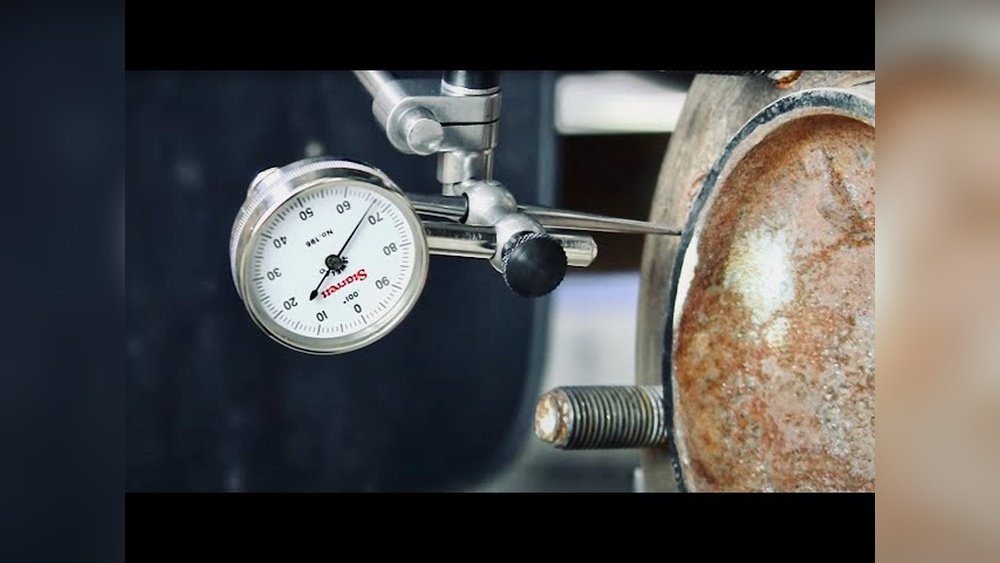
Technicians use a dial indicator tool to measure runout. The tool checks the flange surface while the axle spins slowly. The difference between high and low points shows the runout amount.
Credit: www.impalassforum.com
Impact On Vehicle Performance
Measuring axle flange runout is essential for vehicle performance. This small check affects many parts of how a car drives and handles. Even slight errors in the axle flange runout can cause big problems over time. Understanding the impact helps keep vehicles safe and smooth on the road.
Effect on Wheel AlignmentAxle flange runout influences wheel alignment accuracy. If the flange is not true, wheels may not sit correctly. Misalignment causes uneven tire wear and poor handling. The vehicle might pull to one side, making driving unsafe. Accurate measurements ensure proper wheel positioning.
Impact on Vibration and NoiseRunout in the axle flange often leads to vibration during driving. This vibration causes discomfort and noise inside the vehicle. It can also stress suspension parts and wheel bearings. Measuring runout helps prevent these issues by catching problems early.
Influence on Brake PerformanceBrake systems rely on precise parts alignment. Axle flange runout can cause brake rotors to wobble. This wobble leads to uneven brake pad wear and reduced braking power. A smooth, stable flange helps brakes work evenly and effectively.
Effect on Tire LifeUneven runout creates irregular tire wear patterns. Tires may wear faster on one side or develop spots. This shortens tire life and increases costs. Proper axle flange measurement helps maintain even tire wear and saves money.
Effects On Tire Wear
Tire wear is a key factor in vehicle safety and cost. Measuring axle flange runout helps prevent uneven tire wear. This measurement ensures the wheel rotates smoothly without wobbling or vibration.
When the axle flange runout is off, tires do not contact the road evenly. This causes certain tire areas to wear faster than others. Uneven wear reduces tire life and can lead to unsafe driving conditions.
Impact On Tire Lifespan
Uneven tire wear shortens the tire’s usable life. Tires may need replacement sooner, increasing maintenance costs. Proper axle flange runout measurement helps extend tire lifespan.
Effect On Ride Comfort
Excessive runout causes vibrations felt inside the vehicle. Vibrations increase driver fatigue and discomfort. Measuring runout can reduce these vibrations, improving ride quality.
Influence On Vehicle Handling
Uneven tire wear affects traction and control. This compromises handling, especially in wet or slippery conditions. Accurate measurement supports safer vehicle handling and stability.

Credit: www.youtube.com
Safety Concerns Linked To Runout
Safety is the top priority when dealing with axle flange runout. Runout means the axle flange is not perfectly even or straight. This unevenness can cause many problems that affect vehicle safety.
Even small runout can cause vibrations. These vibrations grow stronger as speed increases. They make the vehicle unstable and harder to control. This instability increases the risk of accidents.
Runout also leads to uneven wear on tires and brakes. Uneven wear reduces the effectiveness of braking. It can cause brakes to fail in emergency stops. Poor braking puts the driver and passengers at risk.
Axle flange runout can cause damage to the wheel bearings. Damaged bearings can seize or break suddenly. This failure can cause the wheel to lock up or fall off. Both situations are very dangerous while driving.
What Is Axle Flange Runout?
Axle flange runout measures how much the flange wobbles. It shows if the flange is bent or out of shape. Accurate measurement helps identify problems early.
How Runout Affects Vehicle Control
Uneven axle flanges cause the wheels to move side to side. This movement makes steering less precise. The driver must work harder to keep the vehicle straight.
Risks Of Ignoring Runout Problems
Ignoring runout leads to faster damage of parts. It raises the chance of brake failure and tire blowouts. These failures cause serious crashes on the road.
Tools For Accurate Measurement
Measuring axle flange runout requires precise tools. Accurate measurements ensure proper wheel alignment and safety. Using the right tools helps detect small deviations early. This prevents costly repairs and improves vehicle performance.
Dial Indicator
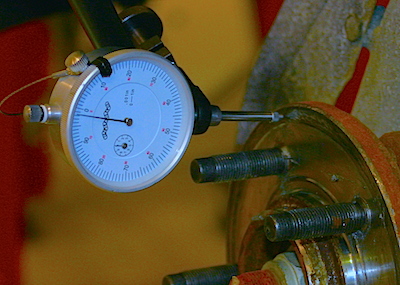
A dial indicator measures small distances with high accuracy. It shows the amount of runout on a clear dial. Mechanics attach it to a stable stand near the axle flange. As the flange rotates, the indicator needle moves to show runout.
Digital Gauge
Digital gauges offer easy-to-read measurements on a screen. They provide precise values in fractions of a millimeter or inch. Some models store data for later analysis. Digital gauges are quick and reduce human error in reading.
Magnetic Base Stand
A magnetic base stand holds the measuring tool steady. It attaches firmly to metal surfaces near the axle. This stability allows accurate readings without tool movement. The stand also helps position the gauge correctly.
Runout Measuring Fixture
This fixture holds the axle flange in place during measurement. It ensures the flange rotates smoothly without wobbling. A stable rotation is essential for accurate runout detection. Fixtures come in different sizes for various axle types.
Credit: www.brakeandfrontend.com
Maintenance Tips To Control Runout
Controlling axle flange runout helps keep vehicles safe and parts lasting longer. Regular maintenance reduces wear and prevents costly repairs. Simple steps can make a big difference in runout control.
Check Flange Surfaces Regularly
Inspect flange surfaces for dirt, rust, or damage. Clean surfaces help maintain proper contact and reduce runout. Use a wire brush or cloth to remove buildup before measuring.
Tighten Bolts To Correct Torque
Loose bolts cause uneven flange contact and increase runout. Always tighten bolts to the manufacturer’s torque specifications. Use a calibrated torque wrench to avoid over-tightening.
Replace Worn Or Damaged Components
Parts like wheel bearings and seals wear over time and affect runout. Replace any damaged or worn components promptly. New parts help keep flange runout within safe limits.
Use Proper Tools For Measurement
Accurate runout measurement requires the right tools. Dial indicators or runout gauges provide precise readings. Calibrate tools regularly to ensure accuracy and reliable maintenance.
Maintain Wheel Alignment
Misaligned wheels increase stress on the axle flange. Regular alignment checks help keep runout low. Correct alignment supports even wear and better vehicle performance.
Frequently Asked Questions
What Is Axle Flange Runout In Simple Terms?
Axle flange runout means how much the axle flange wobbles or moves off its true position. It shows the roundness and alignment of the flange. Measuring it helps detect problems early.
Why Measure Axle Flange Runout Regularly?
Regular measurement helps catch wear or damage before it causes bigger issues. It keeps the axle running smoothly and safely. Early checks save money and time on repairs.
How Does Axle Flange Runout Affect Vehicle Safety?
Excessive runout can cause vibrations and uneven tire wear. It may lead to steering problems or accidents. Accurate measurement ensures the vehicle stays safe on the road.
What Tools Are Used To Measure Axle Flange Runout?
Dial indicators and runout gauges are common tools. They give precise readings of the flange’s movement. These tools are easy to use and reliable.
Can Axle Flange Runout Cause Brake Problems?
Yes, uneven flange surfaces can affect brake rotor alignment. This leads to brake noise and reduced braking efficiency. Measuring runout helps maintain proper brake function.
Conclusion
Measuring axle flange runout keeps vehicles safe and running smoothly. It helps find problems early before they get worse. This measurement also improves wheel alignment and tire life. Skipping this check can cause costly repairs later on. Regularly checking runout saves time and money.
It also ensures better driving comfort and control. Small steps like this make a big difference in vehicle care. Don’t ignore axle flange runout—it matters more than you think.