How to Flush Transmission Fluid from Torque Converter: Easy Guide
If your car’s transmission isn’t shifting smoothly or you hear unusual noises, the issue might be dirty transmission fluid trapped in the torque converter. Flushing this fluid is a crucial step to keep your transmission running smoothly and extend its life.
But how exactly do you flush transmission fluid from the torque converter? You’ll discover simple, step-by-step instructions that anyone can follow. By the time you finish reading, you’ll have the confidence to tackle this maintenance task yourself and save money on costly repairs.
Let’s get started and make sure your transmission stays in top shape.
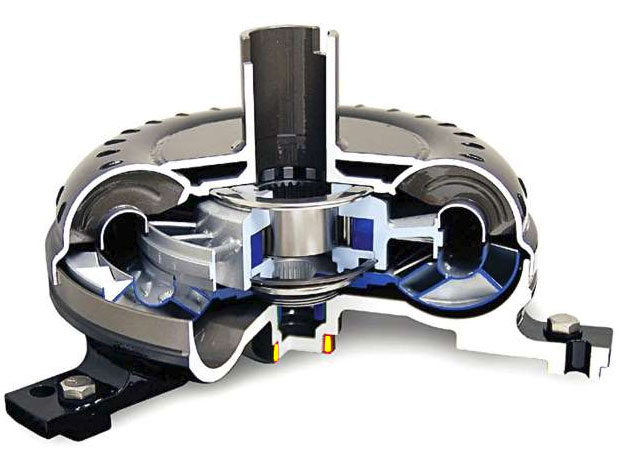
Credit: www.klclutch.com
Signs You Need A Torque Converter Flush
Unusual noises or slipping gears can mean your torque converter needs a flush. Dark or dirty transmission fluid is another clear sign. Regular flushing helps keep your car running smoothly and avoids costly repairs.
The torque converter plays a key role in your car’s transmission system. It helps transfer engine power to the transmission fluid. Over time, the fluid inside the torque converter can get dirty or worn out. This affects how well your car drives.
Recognizing the signs of a bad torque converter can save you from costly repairs. Watch for unusual symptoms that hint at fluid problems. Acting early keeps your transmission healthy and smooth.
Unusual Transmission Slipping
Your car may slip out of gear or hesitate to change gears. This happens when the fluid inside the torque converter loses its strength. The slipping feels like a delay or sudden shift while driving.
Overheating Transmission
Dirty or old fluid causes the transmission to overheat. You might notice a burning smell or warning light on the dashboard. Overheating can damage the entire transmission system.
Shaking Or Shuddering
If the car shakes or shudders at low speeds, the torque converter fluid might be contaminated. This causes uneven power flow and rough driving experience. Smooth driving depends on clean, well-maintained fluid.
Strange Noises From The Transmission
Grinding, whining, or clicking noises often signal torque converter issues. These sounds mean the fluid is not lubricating parts properly. Listening to your car helps catch problems early.
Delayed Acceleration
The car may respond slowly when you press the gas pedal. This delay can be caused by poor fluid flow inside the torque converter. Timely fluid flushing improves acceleration and performance.

Credit: streetsmarttransmission.com
Tools And Materials Required
Flushing the transmission fluid from the torque converter requires specific tools and materials. Having the right items ready makes the job easier and safer. Prepare everything before starting to avoid interruptions.
Safety Gear
Wear gloves to protect your hands from hot fluid. Use safety glasses to shield your eyes. Have old clothes or coveralls to avoid stains.
Drain Pan
A large drain pan catches the old transmission fluid. Choose one with a wide opening to avoid spills. It helps keep your workspace clean.
Socket Set And Wrenches
Use a socket set to remove bolts on the transmission pan. Different sizes may be needed. Wrenches help loosen tight bolts.
Transmission Fluid Pump
This tool pumps new fluid into the torque converter. It reaches deep inside where a funnel cannot. A manual or electric pump works well.
New Transmission Fluid
Use the fluid type recommended in your vehicle’s manual. Avoid mixing different brands or types. Fresh fluid ensures proper transmission function.
Rags And Paper Towels
Keep rags handy to wipe spills quickly. Paper towels help clean small messes. Clean work reduces risk of slipping or damage.
Preparing Your Vehicle For The Flush
Preparing your vehicle for a transmission fluid flush is an important step. It helps ensure the process goes smoothly and safely. Taking time to get ready prevents damage and saves effort later.
Start by making sure your vehicle is parked on a flat surface. This keeps the car stable and prevents accidents during the flush. Next, gather all tools and materials needed. This includes a jack, jack stands, drain pan, and new transmission fluid. Having everything ready avoids interruptions.
Check The Transmission Fluid Level
Before flushing, check the fluid level using the dipstick. This gives an idea of the current fluid condition. Look for dark or burnt-smelling fluid. It shows the fluid needs changing. Knowing this helps you plan the flush better.
Warm Up The Engine
Run the engine for a few minutes to warm the fluid. Warm fluid flows easier and carries out dirt better. Do not overheat the engine. A warm engine is enough to improve fluid flow.
Secure The Vehicle
Use a jack to lift the front of the car. Place jack stands under the frame for support. Never rely on the jack alone. Double-check that the vehicle is steady before working underneath.
Gather Necessary Tools And Fluids
Prepare all tools in one place. Include a wrench set, screwdrivers, and a funnel. Get the correct type of transmission fluid. Check the owner’s manual for the right fluid specification.
Step-by-step Torque Converter Fluid Flush
Flushing the torque converter fluid is important for smooth transmission performance. Old fluid can cause slipping and overheating. This guide shows a simple way to flush the fluid safely. Follow each step carefully to protect your vehicle’s transmission system.
Draining Old Transmission Fluid
Start by warming up the engine. Warm fluid drains faster. Park your car on a flat surface. Use a jack and jack stands to lift the car safely. Place a drain pan under the transmission. Remove the drain plug carefully. Let all the old fluid flow out. Replace the drain plug and tighten it well. Dispose of the old fluid properly. Never pour it on the ground.
Flushing The Torque Converter
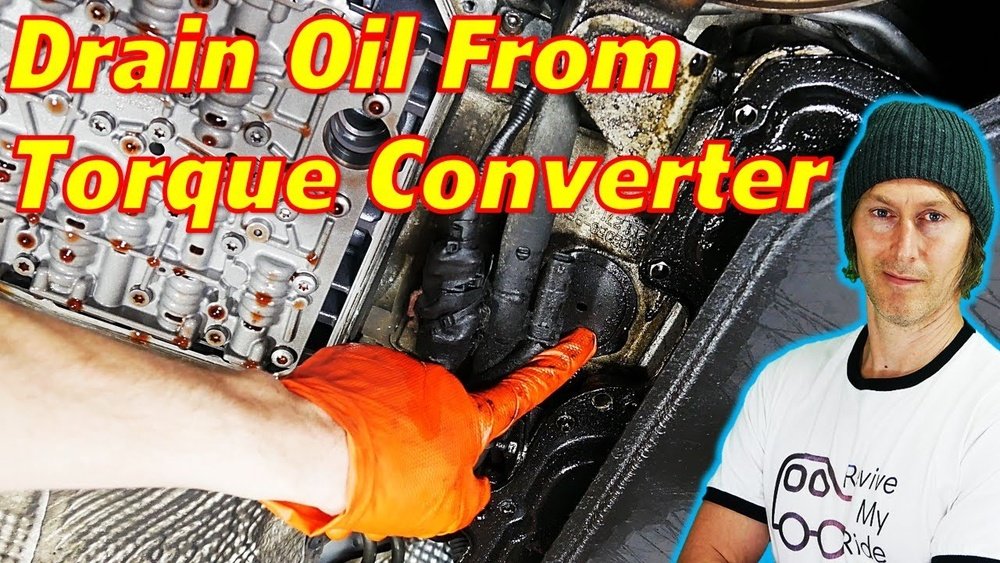
Locate the torque converter’s flush port. Attach a clear hose to the port. Run the hose into a clean container. Use a hand pump or fluid exchange machine. Pump fresh transmission fluid through the torque converter. Watch the old fluid come out into the container. Continue until the fluid runs clear. This process removes dirt and debris inside. Make sure to keep the fluid level steady.
Refilling With Fresh Fluid
Lower the car from the jack stands. Open the transmission fill port. Use a funnel to pour new transmission fluid. Pour slowly to avoid spills. Check the fluid level with the dipstick. Add fluid until it reaches the full mark. Start the engine and let it run. Shift through all gears slowly. Turn off the engine and check the level again. Add more fluid if needed. Close the fill port tightly.
Tips For Maintaining Transmission Health
Keeping your transmission healthy is key to a smooth ride. Regular care helps avoid costly repairs. Simple habits can extend your transmission’s life.
Here are some easy tips to help maintain your transmission health. Follow these steps to protect your vehicle’s performance.
Check Transmission Fluid Level Regularly
Low fluid can cause slipping or overheating. Check the fluid level every month. Use the dipstick to see if it’s between the marks.
Top off with the right type of fluid if needed. Clean fluid helps the transmission run smoothly.
Replace Transmission Fluid On Schedule
Old fluid loses its ability to lubricate and cool. Change the fluid as your car manual suggests. This keeps dirt and metal particles from damaging the system.
Flush the fluid from the torque converter too. It removes trapped debris for better performance.
Avoid Overheating The Transmission
High heat breaks down transmission fluid quickly. Avoid towing heavy loads beyond your vehicle’s limit. Use a transmission cooler if you tow often.
Stop driving if you notice the transmission getting hot. Let it cool down to prevent damage.
Drive Smoothly And Avoid Sudden Shifts
Hard acceleration and quick stops stress the transmission. Shift gears gently to reduce wear. Smooth driving habits extend transmission life.
Common Mistakes To Avoid During Flush
Flushing transmission fluid from the torque converter requires care. Many people make mistakes that can harm the transmission or cause leaks. Avoiding these common errors saves time and money. It also keeps your vehicle running smoothly.
Not Using The Right Tools
Using improper tools can damage parts or cause spills. A proper flush kit or pump is necessary. It ensures clean and safe fluid removal. Avoid makeshift devices that may break or leak.
Flushing Without Draining Old Fluid
Flushing fresh fluid over dirty fluid lowers effectiveness. Drain as much old fluid as possible first. This prevents mixing and keeps the new fluid clean longer.
Ignoring The Torque Converter’s Fluid Capacity
Torque converters hold more fluid than the pan alone. Flushing only the pan misses dirty fluid inside. Make sure to flush the torque converter to clean all fluid fully.
Overfilling Transmission Fluid
Too much fluid causes pressure problems and leaks. Add fluid slowly and check the level often. Use the dipstick or manufacturer’s guide to avoid overfilling.
Skipping The Filter Change
The transmission filter traps dirt and metal particles. Flushing without changing the filter leaves contaminants inside. Replace the filter for a complete fluid flush and better protection.

Credit: www.youtube.com
Frequently Asked Questions
What Is The Purpose Of Flushing Transmission Fluid From A Torque Converter?
Flushing removes old, dirty fluid from the torque converter. This helps keep the transmission running smoothly. It also prevents damage and extends the life of the system.
How Often Should I Flush Transmission Fluid In The Torque Converter?
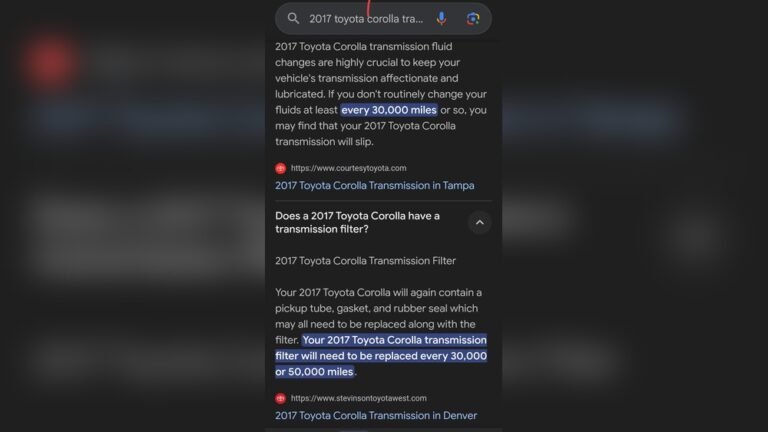
Most experts recommend flushing every 30,000 to 60,000 miles. Check your vehicle manual for specific guidance. Regular flushing helps maintain performance and prevents costly repairs.
Can I Flush Transmission Fluid From The Torque Converter Myself?
Yes, with the right tools and instructions, you can do it. It involves draining old fluid and adding new fluid carefully. Be sure to follow safety steps and use proper fluid types.
What Signs Show Transmission Fluid Needs Flushing From The Torque Converter?
Look for slipping gears, rough shifts, or strange noises. Dark or burnt-smelling fluid also indicates a need for flushing. These signs show the fluid is dirty or degraded.
Is Flushing Transmission Fluid Better Than Just Changing The Fluid?
Flushing cleans the entire system, including the torque converter. Changing fluid only replaces what drains out, leaving old fluid behind. Flushing provides a deeper, more complete clean.
Conclusion
Flushing the transmission fluid from your torque converter helps keep your car running smoothly. Clean fluid improves shifting and prevents damage. Always follow safety steps and use the right tools. Check your vehicle’s manual for specific instructions. Regular maintenance saves you money and avoids costly repairs.
Take your time and work carefully for the best results. Your car will thank you with better performance and longer life. Simple steps, big benefits.