Why Do Mechanics Say Not to Change Transmission Fluid: Shocking Truths Revealed
You might have heard some mechanics warn you against changing your transmission fluid. It sounds strange, right?
After all, regular fluid changes are routine for engine oil and brake fluid. So why all the hesitation when it comes to transmission fluid? If you’ve ever wondered whether changing your transmission fluid is really necessary or if it could actually harm your car, you’re not alone.
You’ll discover the surprising reasons why some experts advise against it—especially for high-mileage vehicles—and learn what you should do instead to keep your transmission running smoothly. Keep reading to protect your car and avoid costly mistakes.
Risks Of Changing Fluid In High-mileage Cars
Changing transmission fluid in high-mileage cars can wash away helpful deposits that aid shifting. It may also cause worn seals to shrink, leading to leaks or pressure loss. Mechanics often warn that this can harm an older transmission rather than help it.
High-mileage cars often have worn transmission parts. Over time, debris and sludge build up inside the transmission. This sludge can help seal small gaps and reduce leaks.
Changing the transmission fluid in these cars may wash away this beneficial sludge. Removing it suddenly can cause worn seals to shrink or fail. This leads to leaks and loss of hydraulic pressure, which affects shifting performance.
Flushing the transmission fluid in older cars might also dislodge harmful deposits. These deposits can clog narrow passages inside the transmission. This blockage can cause serious damage or complete failure.
Washing Away Friction-aiding Sludge
Sludge inside a high-mileage transmission can act like a temporary seal. It prevents fluid from leaking past worn parts. Changing the fluid removes this sludge quickly. As a result, the transmission may start leaking or slipping.
Seal Shrinkage And Hydraulic Pressure Loss
Old seals in high-mileage transmissions are fragile. Sudden fluid changes can cause these seals to shrink or crack. This shrinkage lowers hydraulic pressure needed for smooth gear shifts. Low pressure leads to hard or delayed shifting.
Flushing Vs. Drain And Fill
Flushing pushes new fluid through the entire system quickly. This can dislodge harmful debris and cause blockages. Drain and fill removes only some old fluid and adds new fluid gently. Drain and fill is usually safer for older cars.
The Lifetime Fluid Myth
Some manufacturers label transmission fluid as “lifetime.” This means the fluid is designed to last long under normal use. Changing this fluid too often or too late can cause problems in high-mileage cars. Many mechanics advise against changing fluid in older transmissions unless necessary.
What You Should Do
- Check the transmission fluid regularly for color and smell.
- Use drain and fill method instead of flushing for old cars.
- Consult a trusted mechanic before changing fluid on high-mileage vehicles.
- Follow manufacturer’s recommendations based on your car’s age and condition.

Credit: www.reddit.com
Flushing Versus Drain And Fill Methods
Transmission fluid maintenance involves two main methods: flushing and drain and fill. Each method affects the transmission differently. Understanding these methods helps explain why some mechanics advise against changing the fluid.
Flushing clears out almost all old fluid using a machine. It pushes new fluid through the entire system at high pressure. This method removes more dirt and debris but can also dislodge particles that block passages.
Drain and fill removes only part of the fluid, usually about half. It allows fresh fluid to mix with the old fluid still inside. This method is gentler on the transmission and avoids sudden changes in fluid condition.
Flushing Method
Flushing replaces nearly 100% of the old fluid. It uses a machine connected to the transmission cooler lines. The machine forces new fluid through the system quickly.
This process removes deposits and sludge effectively. But high pressure can loosen harmful debris that clogs valves. It may also remove small amounts of friction material that help transmission function.
Drain And Fill Method
Drain and fill removes only some of the fluid, about 40-50%. The rest stays in the transmission pan and torque converter.
This method avoids sudden shifts in fluid condition. It keeps some old fluid to protect worn seals and maintain pressure. It reduces the risk of damage in high-mileage transmissions.
Why Mechanics Prefer Drain And Fill
Many mechanics avoid flushing, especially on older cars. Flushing can cause leaks and shift problems in transmissions with worn parts.
Drain and fill is safer for high-mileage vehicles. It refreshes fluid without disturbing the internal balance. This method helps maintain smooth transmission operation.
The Lifetime Fluid Myth Explained
Many car makers claim transmission fluid lasts the life of the vehicle. This idea is known as the “lifetime fluid” myth. It suggests the fluid never needs changing. This claim can confuse vehicle owners and lead to neglect.
Transmission fluid plays a key role in shifting gears smoothly. It also cools and lubricates transmission parts. Over time, fluid breaks down and becomes less effective. Dirt, metal particles, and heat degrade the fluid.
Despite manufacturer claims, real-world driving conditions vary. Heat, stop-and-go traffic, and towing can wear the fluid faster. Ignoring fluid condition can cause transmission problems.
The Risks Of Old Transmission Fluid
Old fluid loses its ability to lubricate and cool parts. This causes parts to wear out faster. Dirty fluid can clog valves and filters inside the transmission. These blockages affect performance and cause shifting issues.
Sludge and debris build up over time. This reduces fluid flow and leads to overheating. Overheating damages transmission components and shortens lifespan.
Why Some Mechanics Advise Against Fluid Changes
Some mechanics warn that changing fluid in high-mileage cars can cause problems. Old fluid may hold worn parts together. Changing it suddenly can reveal hidden leaks or damage. Improper fluid or flushing can harm the transmission.
Changing fluid without following the correct procedure risks hydraulic pressure drops. This affects gear shifting and transmission function. Mechanics suggest careful inspection before fluid changes.
How To Approach Transmission Fluid Maintenance
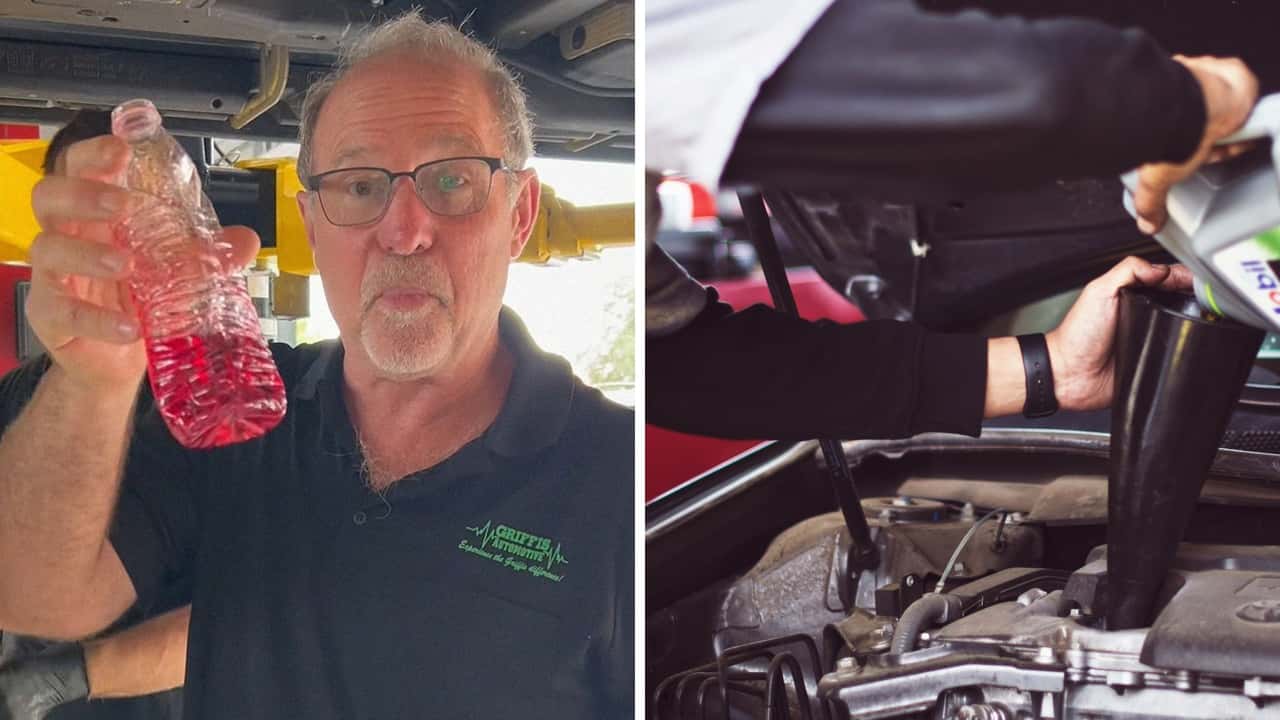
Check the owner’s manual for fluid change recommendations. Use the right type of fluid for your vehicle. Regular checks of fluid color and level help detect issues early. Dark, burnt-smelling fluid signals a need for service.
For high-mileage vehicles, consider a gentle drain and fill instead of a full flush. This removes some old fluid without shocking the system. Always consult a trusted mechanic for advice.
Credit: www.motor1.com
How Fluid Changes Can Affect Transmission Seals
Transmission seals are crucial for keeping the transmission fluid inside the system. They help maintain the right pressure needed for smooth gear shifts. Changing the transmission fluid can sometimes harm these seals. Old seals may have hardened or shrunk over time. Fresh fluid can cause them to swell or leak.
This happens because new fluid has different chemical properties. It can dissolve deposits that are actually helping worn seals stay tight. When these deposits wash away, seals lose their support. This can lead to leaks and transmission problems.
How Old Seals React To New Fluid
Seals in older transmissions adapt to the current fluid. They may shrink or become brittle with age. New fluid can cause these seals to swell or crack. This disrupts the seal and allows fluid to escape.
Why Deposits On Seals Matter
Over time, deposits build up around seals. These deposits act like a cushion. They fill small gaps and help seals hold tight. Changing fluid removes these deposits. Without this cushion, seals may leak or fail.
The Role Of Fluid Chemistry
Transmission fluids vary in additives and chemicals. New fluid may react differently with old seals. This can cause swelling or shrinking. The wrong fluid can worsen seal damage and cause leaks.
Best Practices For Transmission Fluid Maintenance
Transmission fluid keeps your vehicle running smoothly. It lubricates and cools the transmission parts. Proper care helps avoid costly repairs.
Not all transmissions need frequent fluid changes. Some fluids last longer than others. Follow the manufacturer’s guidelines for your vehicle.
Check Fluid Levels Regularly
Low fluid can cause shifting problems and damage. Check the level with the engine warm and running. Use the dipstick if your vehicle has one.
Top off with the correct fluid type. Avoid overfilling, which can also harm the transmission.
Monitor Fluid Condition
Healthy fluid looks bright red and clear. Dark, burnt-smelling fluid means it’s time for service. Dirty fluid loses its protective qualities.
Change fluid only if the condition is poor. Avoid flushing the entire system on high-mileage vehicles to prevent damage.
Follow Manufacturer Recommendations
Every car maker sets specific intervals for fluid service. These intervals depend on the transmission type and driving habits. Stick to these schedules to keep your transmission healthy.
Using the wrong fluid or changing too often can cause problems. Always use fluids approved for your car.
Credit: www.cars.com
Frequently Asked Questions
Is 100,000 Miles Too Late To Change Transmission Fluid?
Changing transmission fluid at 100,000 miles is late but can still help if the fluid is dirty. Avoid flushing high-mileage transmissions, as it may cause damage. A simple drain-and-fill is safer. Always use the correct fluid and monitor transmission performance after the change.
Is It Really Necessary To Change Your Transmission Fluid?
Changing transmission fluid helps maintain smooth shifting and prevents damage. Avoid flushing high-mileage transmissions to reduce risks. Regular drain and fill is safer and extends transmission life. Check your vehicle’s manual for recommended intervals. Proper fluid care ensures optimal performance and longevity.
Why Does Toyota Say Not To Change Transmission Fluid?
Toyota advises against changing transmission fluid to avoid dislodging friction-enhancing deposits and shrinking worn seals, which may harm hydraulic pressure. This caution particularly applies to high-mileage vehicles, where fluid changes could cause shifting issues or damage. Using incorrect fluid or improper procedures also risks transmission performance.
Why Do Some Mechanics Advise Against Changing Transmission Fluid?
Some mechanics worry that changing fluid in old transmissions can cause damage. Dirty fluid may help worn parts seal better, so changing it risks leaks or slipping.
Conclusion
Mechanics warn against changing transmission fluid in some cases. Old, high-mileage transmissions rely on certain deposits to work well. Flushing the fluid can wash away helpful sludge and cause leaks. Using the wrong fluid or changing it incorrectly can harm your transmission.
Always check your vehicle’s manual for specific advice. Regular maintenance matters, but not every car needs a fluid change. Understanding these risks helps you make safer choices for your car. Keep your transmission healthy by following trusted guidance.