
Can I Switch from Conventional Oil to Full Synthetic? Expert Tips
Are you wondering if you can switch from conventional oil to full synthetic for your vehicle? It’s a smart question because the type of oil you use directly affects your engine’s health and performance.
You might be curious about the benefits, costs, and whether it’s safe to make the change. By the end of this article, you’ll have clear answers and feel confident about choosing the right oil for your car. Keep reading to discover how full synthetic oil can protect your engine, save you money, and improve your driving experience.
Credit: www.aaa.com
Benefits Of Full Synthetic Oil
Switching from conventional oil to full synthetic oil offers many benefits. Full synthetic oil protects your engine better. It lasts longer and keeps your car running smoothly. Many drivers choose full synthetic oil for improved performance and engine care.
Improved Engine Protection
Full synthetic oil resists breakdown in heat. It protects engine parts from wear and tear. This oil reduces friction, helping the engine run cooler. Your engine stays cleaner and lasts longer with synthetic oil.
Longer Oil Change Intervals
Full synthetic oil lasts up to twice as long as conventional oil. You do not need to change it as often. This saves time and money on oil changes. Longer intervals mean fewer visits to the mechanic.
Better Performance In Extreme Temperatures
Full synthetic oil flows well in cold weather. It protects the engine at startup. In hot weather, it resists thinning and evaporation. This keeps the engine safe in all seasons.
Improved Fuel Efficiency
Full synthetic oil reduces engine friction. Less friction means the engine uses less fuel. This can improve your gas mileage. You get more miles per gallon with synthetic oil.
Differences Between Conventional And Synthetic
Understanding the differences between conventional oil and full synthetic oil helps in making the right choice for your vehicle. Both types of oil serve the same purpose: to lubricate engine parts and keep the engine cool. Yet, they differ in how they are made and how they perform under various conditions.
Conventional oil comes directly from crude oil. It is refined and treated but still contains natural impurities. Full synthetic oil, on the other hand, is chemically engineered. This process removes impurities and creates a more uniform molecule structure. The result is oil that performs better and lasts longer.
Manufacturing Process
Conventional oil is made by refining crude oil. It contains a mix of different molecules. This mix can cause the oil to break down faster.
Full synthetic oil is made using a lab process. It creates pure, uniform molecules. These molecules resist breakdown and maintain performance longer.
Performance In Extreme Temperatures
Conventional oil thickens in cold weather. This makes it harder for the engine to start. It can also thin out too much in hot weather, losing protection.
Full synthetic oil flows better in cold weather. It protects the engine at startup. It also stays stable in high heat, keeping the engine safe.
Engine Protection And Cleanliness
Conventional oil can leave deposits and sludge inside the engine. This reduces efficiency over time.
Full synthetic oil resists deposits and keeps the engine cleaner. It helps maintain engine power and fuel efficiency.
Oil Change Intervals
Conventional oil requires more frequent changes, usually every 3,000 to 5,000 miles.
Full synthetic oil can last longer, often 7,500 to 10,000 miles or more.
When To Consider Switching
Switching to full synthetic oil can improve engine performance and protection. Consider changing if your car faces extreme temperatures or heavy use. Full synthetic oil lasts longer and keeps engines cleaner than conventional oil.
When Your Vehicle Has High Mileage
Older engines often benefit from full synthetic oil. It protects worn parts better. The oil flows smoothly and reduces engine wear. High mileage cars run cooler with synthetic oil. This can help extend engine life.
Before Extreme Weather Conditions
Full synthetic oil works well in very cold or hot weather. It flows faster in cold starts. It keeps engine parts protected in heat. Switching before winter or summer protects your engine. This improves performance and reduces wear.
After Experiencing Engine Performance Issues
If the engine runs rough or uses more oil, consider switching. Full synthetic oil cleans engine deposits better. It helps maintain smooth engine operation. This oil can improve fuel efficiency too. It supports better engine health overall.
During Your Regular Oil Change Interval
Switching at an oil change is simple and safe. It avoids mixing different oil types. Your engine will get full benefits from synthetic oil right away. This timing helps keep your engine clean and protected.

Credit: www.apexsuperior.com
How To Make The Switch Safely
Switching from conventional oil to full synthetic oil can improve your engine’s performance. Making this change safely is important to protect your vehicle. Follow clear steps to ensure a smooth transition without harming your engine.
Taking care during the switch helps your engine adjust to the new oil type. It also prevents leaks or damage from sudden changes. Here is how to make the switch safely.
Check Your Vehicle’s Owner Manual
Start by reading the owner manual carefully. It tells you if your car can use synthetic oil. Some engines need specific oil types or grades. Using the wrong oil might cause problems.
Look for recommendations about synthetic oil or oil change intervals. Follow these guidelines for the best results.
Drain The Old Oil Completely
Remove all the old conventional oil before adding synthetic oil. This keeps the two oil types from mixing. Mixing can reduce the effectiveness of synthetic oil.
Use proper tools to drain the oil and replace the oil filter. A clean filter helps the new oil flow well and protect the engine.
Choose The Right Synthetic Oil
Pick synthetic oil that matches your engine’s needs. Check the viscosity grade recommended in the manual. Use oil that meets industry standards like API or ACEA.
Quality synthetic oil offers better protection and lasts longer. Avoid cheap oils that might not protect your engine well.
Warm Up The Engine Before Changing Oil
Run your engine for a few minutes before draining the old oil. Warm oil drains faster and removes more dirt and sludge. This helps clean the engine better.
Turn off the engine before starting the oil change. Be careful; the oil might be hot.
Monitor Engine Performance After The Switch
After adding synthetic oil, watch how your engine runs. Check for unusual noises or leaks. Synthetic oil should improve engine smoothness and reduce noise.
Check oil levels regularly during the first few drives. Top off if needed to keep the engine protected.
Common Myths About Synthetic Oil
Synthetic oil often faces many myths. These myths can confuse car owners. It is important to know the facts before switching oils.
Understanding these myths helps you make smart choices. It also saves money and protects your engine.
Myth 1: Synthetic Oil Damages Older Engines
Some believe synthetic oil harms older engines. This is not true. Synthetic oil cleans and protects engines better than conventional oil. It helps older engines run smoothly without damage.
Myth 2: Synthetic Oil Causes Oil Leaks
People say synthetic oil causes leaks. Synthetic oil flows better and seals gaps well. If leaks happen, they come from old seals or worn parts, not the oil type.
Myth 3: Synthetic Oil Needs More Frequent Changes
Synthetic oil lasts longer than regular oil. It resists breaking down under heat and stress. This means you can change it less often, saving time and money.
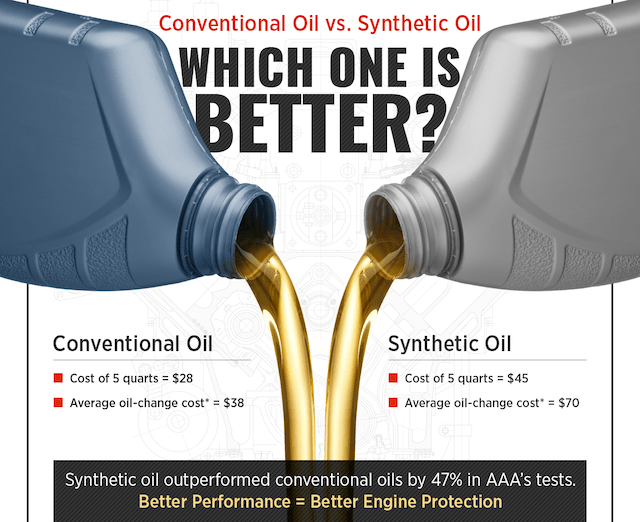
Myth 4: Synthetic Oil Is Too Expensive To Use
Synthetic oil costs more upfront. It protects the engine better and lasts longer. This saves money on repairs and oil changes over time.
Credit: magazine.northeast.aaa.com
Expert Maintenance Tips For Synthetic Oil
Synthetic oil offers better engine protection than conventional oil. It lasts longer and handles heat more effectively. To get the best from synthetic oil, proper maintenance is key.
Follow expert tips to keep your engine running smoothly with synthetic oil. These steps help maintain oil quality and extend engine life.
Check Oil Levels Regularly
Check the oil level every few weeks. Synthetic oil burns off slower but still needs topping up. Use the dipstick to ensure the level is within the safe range.
Stick To Recommended Oil Change Intervals
Change synthetic oil according to your vehicle manual. Synthetic oil lasts longer but does not last forever. Using the right interval keeps the engine clean and healthy.
Use The Right Oil Filter
Always replace the oil filter with each oil change. Use filters made for synthetic oil. They trap dirt better and protect the engine parts.
Monitor Engine Performance
Notice any unusual noises or drops in power. These signs may mean oil issues. Catch problems early to avoid costly repairs.
Store Synthetic Oil Properly
Keep oil in a cool, dry place away from sunlight. Proper storage maintains oil quality. Avoid contamination by sealing containers tightly.
Frequently Asked Questions
Can I Use Full Synthetic Oil In An Older Car?
Yes, full synthetic oil can be used in older cars. It provides better engine protection and may improve performance. Just check your car’s manual for any specific oil recommendations.
Will Switching To Synthetic Oil Improve Fuel Efficiency?
Synthetic oil reduces engine friction, which can slightly improve fuel efficiency. The change might not be very noticeable but helps the engine run smoother. Over time, this can save some fuel costs.
Is It Safe To Switch From Conventional To Synthetic Oil Suddenly?
Yes, switching oil types suddenly is generally safe. Modern engines handle synthetic oils well without issues. Always ensure the oil meets your vehicle’s specifications.
How Often Should I Change Synthetic Oil Compared To Conventional?
Synthetic oil usually lasts longer, so oil changes can be spaced farther apart. Typically, change synthetic oil every 7,500 to 10,000 miles. Conventional oil often needs changing every 3,000 to 5,000 miles.
Does Synthetic Oil Protect Better In Extreme Temperatures?
Synthetic oil performs better in both hot and cold temperatures. It flows well at low temperatures and resists breakdown at high heat. This helps keep the engine protected year-round.
Conclusion
Switching from conventional oil to full synthetic can benefit your engine. Full synthetic oils last longer and protect better in extreme temperatures. They help reduce engine wear and keep performance steady. The cost is higher, but the value often outweighs it.
Check your vehicle’s manual before making the change. Your engine may run cleaner and smoother with synthetic oil. Think about your driving habits and conditions too. Choose the oil that fits your needs best.