Is the Parking Brake the Same As the Emergency Brake? Explained!
Have you ever wondered if the parking brake and the emergency brake are actually the same thing? You might think they’re just different names for one feature, but there’s more to it than that.
Understanding the difference can save you from costly mistakes and keep your car safer on the road. Keep reading, and you’ll soon know exactly how these brakes work and when you should use each one. Don’t miss out on this simple yet important knowledge that every driver needs.
Credit: www.louscarcare.com
What Is A Parking Brake?
The parking brake is a key part of a vehicle’s safety system. It holds the car in place when parked. This brake stops the wheels from moving. It helps keep the vehicle still on slopes or flat ground.
Drivers use the parking brake every time they park. It gives extra security beyond the main brakes. This brake works independently from the foot brake. It usually engages the rear wheels.
How Does The Parking Brake Work?
The parking brake uses a cable or electronic system. When you pull the lever or press a button, it activates the brake. The brake pads or shoes press against the wheels. This pressure stops the wheels from turning.
Where Is The Parking Brake Located?
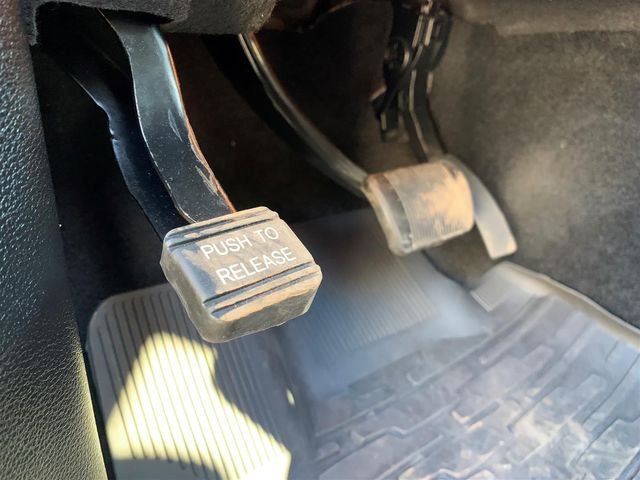
Most cars have the parking brake between the front seats. It can be a lever or a button. Some cars have a pedal near the driver’s foot. Newer models might use an electronic switch on the dashboard.
When Should You Use The Parking Brake?
Use the parking brake every time you park. It prevents the car from rolling away. It is especially important on hills. Even on flat surfaces, it adds safety. Always engage it before leaving the vehicle.
What Is An Emergency Brake?
The emergency brake is an important safety feature in vehicles. It helps drivers stop the car in special situations. Many people confuse it with the parking brake. But these two are not always the same. Understanding what the emergency brake is can help you stay safer on the road.
What Does The Emergency Brake Do?
The emergency brake is designed to stop the car when the main brakes fail. It works independently of the regular brake system. This makes it a backup safety tool. Drivers can use it to slow down or stop the vehicle in emergencies.
How Is The Emergency Brake Used?
The emergency brake is usually a lever or pedal inside the car. Pulling or pressing it applies the brakes on the rear wheels. It helps keep the car from moving. It is best used only in urgent situations, not for everyday braking.
Why Is The Emergency Brake Important?
This brake provides extra control if the main brakes fail. It can prevent accidents by slowing the car safely. It also helps keep the car still when parked on a hill. Knowing how and when to use it can save lives.
Key Differences Between Parking And Emergency Brakes
The parking brake and emergency brake are often thought to be the same. They look similar and use the same lever or pedal in many cars. Yet, their purpose and use differ in important ways. Understanding these differences helps keep you safe and your car secure.
Purpose And Function
The parking brake holds your car still when parked. It stops the vehicle from rolling on hills or flat ground. The emergency brake acts as a backup if the main brakes fail. It helps slow or stop the car in urgent situations.
Activation Mechanism
The parking brake usually works on the rear wheels only. It uses a cable system separate from the main brakes. The emergency brake can be the same system but used differently. Some cars have a foot pedal, hand lever, or electronic button for both.
Usage Frequency
You use the parking brake every time you park your car. It prevents accidental movement and protects your vehicle. The emergency brake activates rarely, only in brake failure or emergencies. Drivers should know how to use it safely.
Location In The Vehicle
The parking brake lever or pedal is easy to reach from the driver’s seat. It is often near the center console or floor. The emergency brake uses the same control but is used differently in emergencies. Some modern cars combine both controls electronically.
How Parking Brakes Work
The parking brake is a vital part of every car’s safety system. It helps keep your vehicle still when parked, especially on slopes. Understanding how parking brakes work helps you use them safely and correctly.
The parking brake is also called the emergency brake. But its main job is to hold the car in place. It uses a separate mechanism from the regular brake system. This means it works even if the main brakes fail.
How The Parking Brake Holds Your Car
The parking brake locks the wheels to stop movement. It usually acts on the rear wheels of the car. When you pull or press the parking brake, it tightens a cable. This cable pulls the brake shoes or pads against the wheels.
The friction created between the brake parts and the wheels stops the car from rolling. This friction must be strong enough to hold the vehicle on hills. It also works when the car is parked on flat ground.
Types Of Parking Brake Systems
There are two main types of parking brakes: mechanical and electronic. Mechanical parking brakes use a hand lever or foot pedal. You pull or push to tighten the brake cables.
Electronic parking brakes use a button or switch. They activate a motor that applies the brakes. This system is common in newer cars. It is easier to use but works on the same basic principle.
Why Parking Brakes Are Separate
The parking brake is separate from the foot brake. The foot brake uses hydraulic pressure to stop the car. The parking brake uses a cable system or electric motor.
This separation is important for safety. If the main brake system fails, the parking brake can still stop the car. It acts as a backup and prevents accidents.
When To Use The Emergency Brake
The parking brake and emergency brake often refer to the same system. Use the emergency brake to stop your car if the main brakes fail or to keep it still on hills. It helps prevent accidents and keeps your vehicle safe.
When Parking On A Hill
Use the emergency brake every time you park on a hill. It helps keep your car from rolling. This adds extra safety beyond just putting the car in park. Always apply the brake firmly before you leave the vehicle.
During A Brake System Failure
The emergency brake can stop your car if the main brakes fail. Pull the emergency brake handle slowly to avoid locking the wheels. This helps you slow down safely and stop the vehicle. Use it carefully to maintain control.
While Stopping On Slippery Roads
Use the emergency brake to help stop on ice or snow. It prevents your car from sliding too much. Apply it gently to avoid skidding. This brake works independently of the main brake system.
When Parking For Long Periods
Engage the emergency brake when parking for a long time. It reduces stress on the transmission. This helps prevent damage and keeps the car secure. Always check that the brake is fully set before leaving.

Credit: www.youtube.com
Common Misconceptions About Brakes
Many drivers confuse the parking brake and the emergency brake. Both terms often describe the same brake system. Yet, people believe they serve different purposes. This confusion leads to mistakes in using brakes properly.
Understanding the real function of these brakes helps keep vehicles safe. It also prevents damage and accidents. Clear knowledge stops misunderstandings and improves driving habits.
What Is The Parking Brake?
The parking brake is a device that holds the vehicle still. It stops the car from rolling when parked. Usually, it works on the rear wheels. Drivers use it when parking on slopes or flat ground.
Is The Emergency Brake Different?
The emergency brake is another name for the parking brake. It acts as a backup if the main brakes fail. Some people think it stops the car in an emergency. It can help, but it is not as strong as the main brakes.
Misuse Of The Parking/emergency Brake
Some drivers use the parking brake as a driving brake. This can cause wear and damage. Others forget to release it before driving. This mistake can lead to brake failure or accidents.
Why Clear Brake Knowledge Matters
Knowing the true role of these brakes keeps drivers safe. It helps prevent brake misuse and car damage. Proper use extends the life of the brake system. It also improves vehicle control in emergencies.

Credit: www.youtube.com
Frequently Asked Questions
What Is The Difference Between Parking Brake And Emergency Brake?
The parking brake holds the car still when parked. The emergency brake is for stopping the car if main brakes fail. Sometimes, both are the same device.
Can The Parking Brake Be Used In Emergencies?
Yes, the parking brake can stop the car if regular brakes fail. But it works slower and is less safe than main brakes.
How Does The Emergency Brake Work In A Car?
The emergency brake usually works on the rear wheels only. It uses a cable separate from the main brake system to stop the car.
Why Do Some Cars Call It A Parking Brake Instead?
Many cars use the parking brake mainly to keep the car parked. The term “emergency brake” is less common but means the same brake system.
Is It Safe To Drive Using Only The Emergency Brake?
No, driving with only the emergency brake is risky. It is meant for emergencies or parking, not regular driving or stopping.
Conclusion
The parking brake and emergency brake often mean the same thing. Both help keep your car still when parked. The emergency brake is also a backup if the main brakes fail. Knowing their role can keep you safe on the road.
Use the brake properly every time you park. It’s a small step that prevents big problems. Always check your brakes and understand how they work. This knowledge helps you drive with confidence and care. Simple but important.