When Installing New Tires is an Alignment Necessary: Expert Guide
Are you getting new tires soon and wondering if you really need an alignment too? It’s a question many car owners ask but don’t always get a clear answer on.
The truth is, skipping an alignment after installing new tires can lead to uneven wear, poor handling, and even safety risks. But how do you know if it’s necessary for your vehicle right now? Keep reading to discover why alignment might be the key to getting the most out of your new tires—and how it can save you money and stress down the road.

Credit: www.reddit.com
Signs You Need An Alignment
Knowing the signs of a bad alignment helps keep your car safe and your tires lasting longer. Misalignment can cause problems that affect driving comfort and tire health. Spotting these signs early can save money and improve your ride.
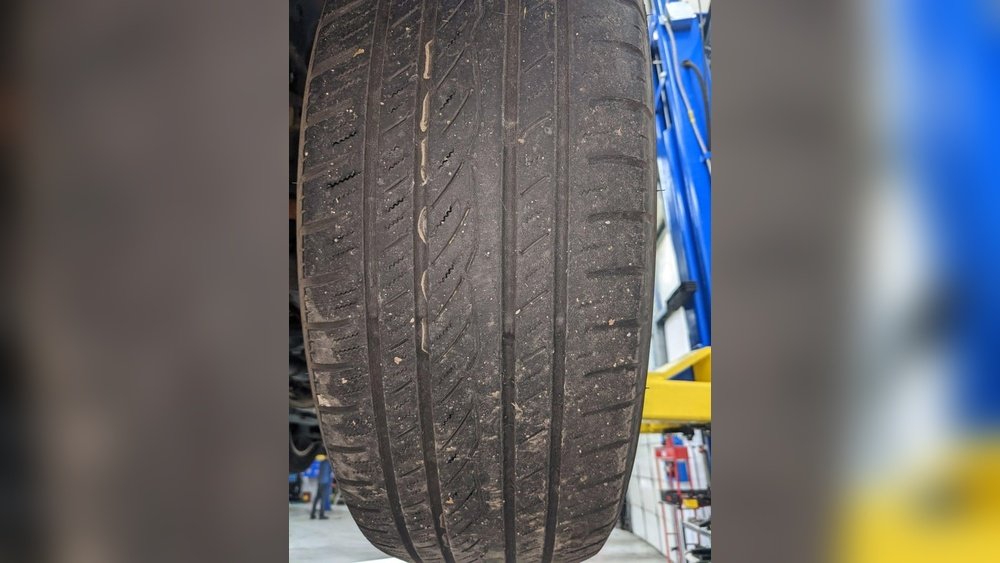
Uneven Tire Wear
Check your tires often. Uneven wear means some parts of the tire lose tread faster. This happens when wheels are not aligned properly. Uneven wear can cause the tire to fail sooner. New tires need proper alignment to wear evenly and last longer.
Steering Wheel Off-center
Hold the steering wheel straight. If it feels crooked or off-center when driving straight, the alignment may be off. This can make driving uncomfortable and unsafe. A centered steering wheel ensures better control on the road.
Vehicle Pulling To One Side
Notice if your car drifts left or right while driving on a flat road. Pulling to one side often means the wheels are misaligned. This can tire you out as you constantly correct the direction. Proper alignment keeps the car moving straight and smooth.

Credit: www.reddit.com
How Tire Installation Affects Alignment
Installing new tires affects your car’s alignment in several ways. The process changes how your vehicle drives and handles. Understanding these effects helps keep your ride smooth and safe.
New tires can change the balance of your vehicle. This shift may highlight alignment problems you did not notice before. Checking alignment after tire installation is often necessary to avoid uneven tire wear and poor handling.
Impact Of New Tires On Vehicle Balance
New tires often have different tread patterns and thickness than old ones. This difference affects the balance of your wheels. Unbalanced tires cause vibrations in the steering wheel or seats. Proper balancing ensures a comfortable and stable ride. It also prevents early tire damage.
When New Tires Reveal Existing Alignment Issues
Old tires can hide alignment problems because of worn tread. New tires make these issues more obvious. You may notice pulling to one side or uneven tire wear. These signs mean your alignment needs adjustment. Fixing alignment improves safety and saves money on tires.
Benefits Of Aligning With New Tires
Aligning your vehicle after installing new tires offers several key benefits. It ensures your tires wear evenly and last longer. It also improves your driving safety and saves fuel. These advantages make alignment an important step with new tires.
Improved Tire Longevity
Proper alignment prevents uneven tire wear. Tires that wear evenly last much longer. This saves money by reducing the need for early replacements. It also keeps your ride smooth and comfortable.
Enhanced Driving Safety
Alignment helps your vehicle handle better on the road. It improves steering control and stability. This reduces the risk of accidents caused by poor handling. Well-aligned tires also respond better in emergency situations.
Better Fuel Efficiency
Misaligned tires cause extra drag and resistance. This makes your engine work harder and use more fuel. Correct alignment reduces rolling resistance. Your vehicle will use less gas, saving money and helping the environment.
Situations When Alignment Is Optional
Not every tire change needs an alignment. Some situations allow skipping this step without harming your vehicle. Understanding when alignment is optional saves time and money. It also keeps your car running smoothly.
Replacing Tires In Pairs
Changing two tires at once can sometimes avoid the need for alignment. This works best if the old tires wore evenly. The new tires match the wear pattern of the remaining tires. Your car’s handling stays balanced and safe. Still, check the vehicle’s alignment during your next service. This keeps your ride comfortable and tires lasting longer.
Regular Maintenance Checks
Alignment is less urgent if you get frequent maintenance checks. Mechanics spot early signs of misalignment during these visits. Small adjustments can prevent bigger problems later. Keeping your suspension and steering parts in good shape also helps. Clean roads and gentle driving reduce wear and tear. These habits lower the need for alignment after new tires.
Choosing The Right Alignment Service
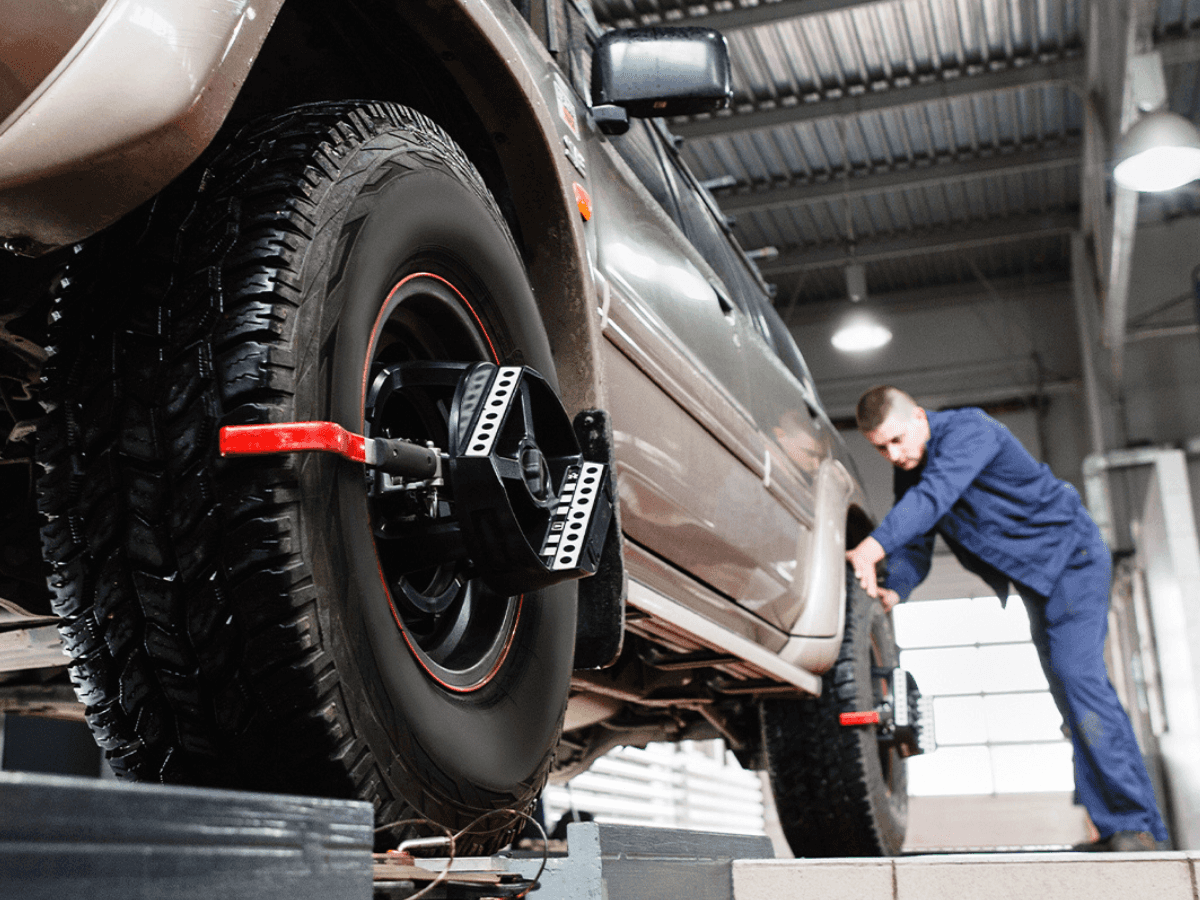
Choosing the right alignment service is essential after installing new tires. Proper alignment helps your tires wear evenly and improves driving safety. It also boosts fuel efficiency and steering control. Picking the best service ensures your vehicle stays in top shape and avoids costly repairs later.
Types Of Alignment Services
There are three main types of alignment services: front-end, thrust-angle, and four-wheel alignment. Front-end alignment adjusts only the front wheels. Thrust-angle alignment aligns the rear wheels to the front wheels. Four-wheel alignment adjusts all wheels for better balance. Each type suits different vehicle needs and conditions.
Finding Certified Technicians
Certified technicians have the right skills and training for accurate alignment. They use advanced tools to check and fix alignment issues precisely. Choosing a certified technician reduces the risk of mistakes and ensures long-lasting results. Always ask about their certification and experience before trusting your vehicle.
Credit: www.hondaofindiantrail.com
Frequently Asked Questions
Is Tire Alignment Needed After Installing New Tires?
Yes, alignment helps your new tires wear evenly and last longer. It also improves driving safety and fuel efficiency.
What Are Signs My Car Needs Alignment After New Tires?
Uneven tire wear, pulling to one side, or a crooked steering wheel show alignment issues. These signs mean you should get an alignment check.
How Often Should I Get An Alignment With New Tires?
Alignment is recommended every time you install new tires. Regular checks every 6,000 miles or once a year keep your car balanced.
Can I Skip Alignment When Putting On New Tires?
Skipping alignment can cause uneven tire wear and poor handling. It’s best to get an alignment to avoid costly tire damage.
Conclusion
New tires improve your car’s safety and performance. Proper alignment keeps tires wearing evenly. Misalignment can cause steering problems and quick tire damage. Getting an alignment after new tires helps your car drive straight. It also saves money by extending tire life.
Don’t skip this step for a smoother ride. Stay safe and protect your investment. Simple checks make a big difference on the road.